Best Season for Mardi Himal Helicopter Tour: When to Fly for Clear Views
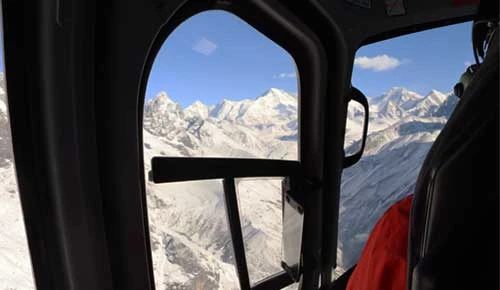
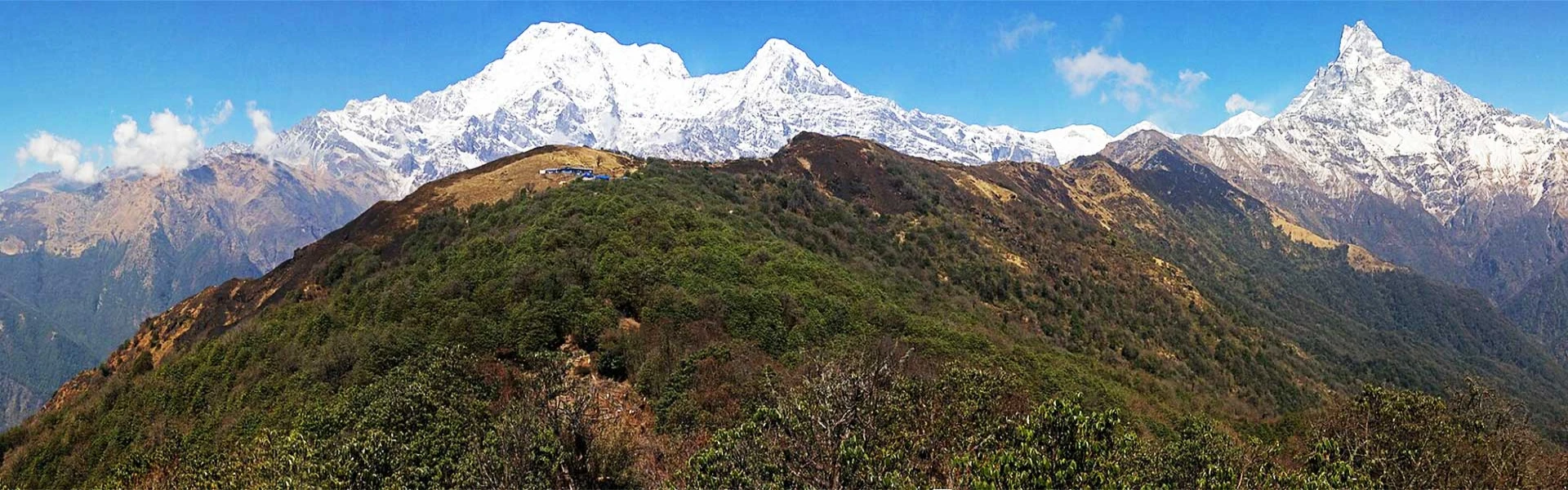
Mardi Himal, a hidden treasure in the Annapurna region, gradually ascends to an elevation of 5,587 meters. It is very impressive when seen from the ground, but seeing it from a helicopter reveals a fantastic view. The valleys, ridges, and snow-covered peaks under you start to appear as if the mountains are inviting you to be there as you take off. The nearby Machhapuchhre, or Fishtail, is the one that dominates the scene, and the Annapurna range, in an astonishing wide view, rolls far away with the horizon. The whole area which normally would take days of trekking to reveal, is now in full view during one single flight and every turn of the helicopter brings a new and awe-inspiring perspective.
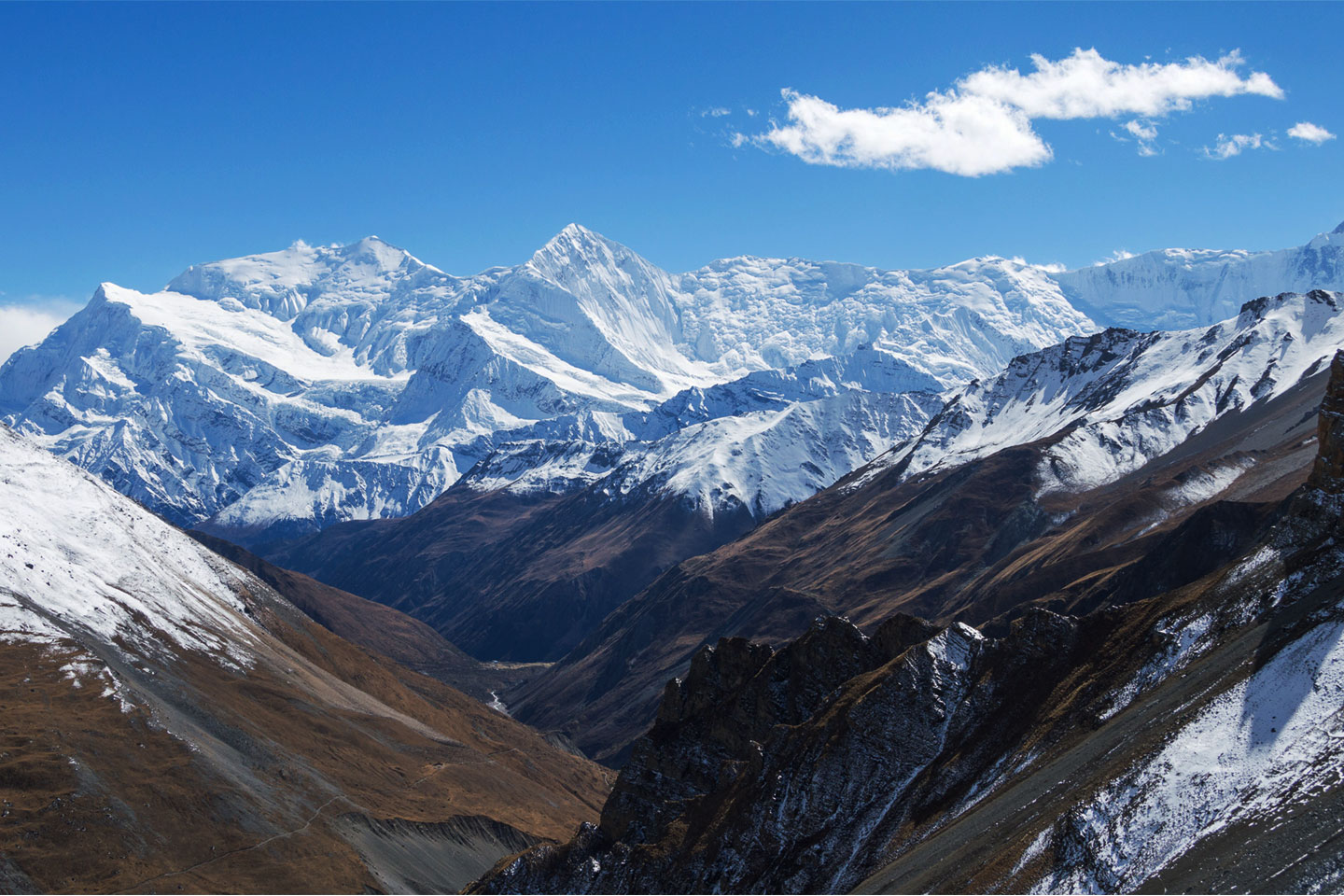
The season you choose for your flight can completely change the experience. Flying during peak months ensures the clearest skies, the best visibility, and stable conditions, letting you fully appreciate the snow-capped peaks, ridgelines, and valleys. Planning your trip for the right time also makes the journey more comfortable and safe. This guide will help you discover the ideal months to fly over and offer practical tips to make your Mardi Himal helicopter tour as smooth and memorable as possible.
Table of Contents
![Mardi Himal base camp trek]()
![Mardi Himal Helicopter Tour]()
![Mardi Himal Trek 5 Days]() Travellers Choice
Travellers Choice


Mardi Himal Seasons – What Each One Offers
So, you're ditching the trekking boots for a helicopter ride to see Mardi Himal! But here’s the thing: just like hitting the trail, the season you choose completely changes the game when you’re flying over Mardi Himal. Clear skies, crazy winds, or cool clouds each season give you a totally different view from above. Whether you're after the absolute clearest skies possible, hoping to avoid high winds, or just curious about what kind of drama the clouds will bring, each season promises a completely unique visual spectacle from your aerial perch.
Depending on when you visit, some travelers pair their helicopter tour with a trek to get both perspectives. Autumn and spring are not only ideal for clear flights but also perfect for trekking packages like the Mardi Himal Luxury Trek or the Mardi Base Camp Trek, offering a mix of aerial and on-the-ground Himalayan adventures. Let's break down the unique visibility, weather quirks, and undeniable magic that each season delivers to your epic flight.
Autumn (September to November)
The peak season for helicopter tours occurs during the autumn months because this time of year provides the most suitable flying conditions. The monsoon rains have removed dust and pollution from the air, which now appears clear, while the mountains show their full shape. The combination of stable air and minimal cloud presence creates excellent visibility, which produces outstanding photography results. The lower elevation areas experience daytime temperatures between 10°C and 20°C, which create comfortable conditions for passengers and pilots. The high demand for this season leads to fast flight bookings, which requires travelers to make reservations well ahead of time to get their desired departure slot.
Spring (March to May)
Spring provides a unique experience that differs from other seasons. The valleys become vibrant when rhododendrons and alpine flowers bloom because their bright colors create a stunning contrast against the white mountain peaks. The morning hours provide the best conditions for early flights because they offer clear skies, which allow passengers to enjoy their sightseeing experience. The lower elevation temperatures stay between 10°C and 22°C but haze and afternoon winds develop, which can lead to decreased visibility during later parts of the day. The best way to see Mardi Himal and Machhapuchhre and the Annapurna peaks is to fly during the early morning hours.
Winter (December to February)
The cold season brings a peaceful environment, which creates a calm setting. The mountains receive complete snow coverage during fresh snowfall, and the sky remains bright and clear after the snowfall ends. The season experiences a decline in visitor numbers, which results in reduced air travel congestion. The weather at high altitudes reaches freezing temperatures, and heavy snowfalls at Mardi Base Camp create occasional landing difficulties. Passengers need to wear warm clothes for chilly weather, but the winter flights become special because of the clear skies and calm atmosphere.
Monsoon (June to August)
The monsoon season is less predictable for helicopter tours. The hills maintain their green appearance but the frequent occurrence of rain along with cloud cover and fog restricts the ability to see the mountain peaks clearly. The weather conditions during this time of year lead to increased flight delays and cancellations. The temperature at lower elevations remains within the range of 15°C to 25°C. People who have flexible schedules and can handle unexpected changes will find monsoon flights enjoyable yet other seasons provide better chances for clear views.
How Weather Affects Mardi Himal Helicopter Visibility
In the Himalayas, weather can make or break your Nepal helicopter tour. On a clear day, you get crisp views of Mardi Himal and the 6,993-meter Machhapuchhre; on a cloudy one, those same peaks might vanish behind mist. For a Mardi Himal helicopter flight, clear skies are everything; it’s the difference between a snapshot you love and a photo that’s all fog. Here’s a look at the main weather factors and how they affect what you’ll see from above.
- Clouds and Mist at Higher Altitudes: Even if the valleys look clear, clouds or mist can cover Mardi Himal and Machhapuchhre, limiting visibility.
- Wind Conditions: Strong or sudden winds can affect helicopter stability, requiring pilots to adjust routes, which may slightly limit what you can see.
- Temperature Shifts: Rapid changes in temperature at higher altitudes can create haze or turbulence, impacting how sharply the mountains appear.
- Time of Day: Early morning flights usually provide the clearest views before clouds and haze develop in the afternoon.
- Seasonal Effects: Dust, humidity, and residual moisture from earlier rainfall can reduce clarity; dry, clear days give the sharpest views.
- Flight Altitude: Helicopter height can influence visibility flying too low may block some distant peaks, while higher altitudes offer broader panoramas.
- Planning and Flexibility: Being aware of how weather affects visibility helps you schedule flights at optimal times and adjust if conditions change, ensuring the best experience possible.
Best Time to Fly for the Clearest Mardi Himal Views
Picking a good season and time of day for a Mardi Himal helicopter tour is important for many reasons, including safety and maximizing your views. When you fly during the correct season and daytime, the visibility is often very clear and you can clearly see the details of the snow-capped mountains, deep valleys, and many other things. Some months are known for consistently having stable weather conditions with low haze, while early mornings almost always have the calmest wind and best visibility. If you know what time of year and what day of the week works best for you, it will help you get the amazing views you want from your trip.
- Early morning flights usually provide the clearest skies.
- Late mornings and afternoons may have haze or cloud buildup.
- Autumn (September to November) is generally the most reliable season for clear skies.
- Spring (March to May) offers good visibility, especially in early mornings.
- Winter (December to February) can have crisp air and clear skies, though colder temperatures require preparation.
- Avoid the monsoon months (June to August) due to frequent clouds and low visibility.
- Choose days with minimal wind for smoother flights and better views.
- Dry days after recent rainfall often have sharper, cleaner visibility.
- Flying at slightly higher altitudes can provide broader panoramas of the peaks and valleys.
- Flexibility in scheduling allows you to adjust for the clearest possible conditions.
What to Expect on a Mardi Himal Helicopter Tour
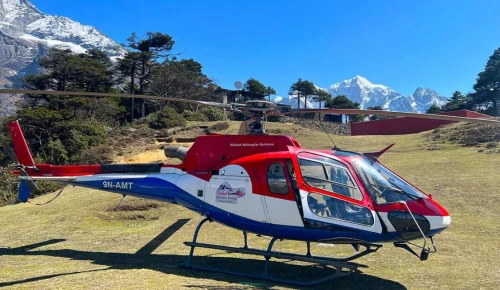
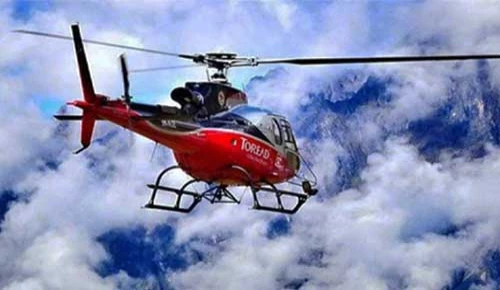
Taking flight in a chopper to view the splendour of Mardi Himal is unlike anything you've ever done. You see portions of sweeping valleys and gigantic ridges, as well as snow-covered summits, that are typically not captured through accessible trails. However, when taking pictures inside a fast-moving chopper, there are a number of factors that make it an extremely challenging scenario, including reflections, constantly changing lighting conditions, and quickly changing elevations. But through some careful planning, good timing is required to see stunning sights of Mardi Himal and Machhapuchhre.
- Choose a window seat with minimal reflections.
- Fly early in the morning for the clearest skies and softest light.
- Keep your camera or smartphone ready at all times.
- Clean the window before taking photos.
- Use a wide-angle lens for sweeping landscapes.
- Use a zoom lens to capture distant peaks like Machhapuchhre.
- Adjust exposure for snow and bright sunlight.
- Take multiple shots from different angles and heights.
- Avoid leaning too hard against the glass.
- Be patient and ready for sudden, breathtaking views.
Tips for Mardi Himal Helicopter Tour
The breathtaking experience of a Mardi Himal helicopter flight can reach its highest level through specific practical elements that enhance the overall adventure. The process of selecting an appropriate time for trekking and preparing for altitude changes and gear readiness will help you enjoy the views without facing any stressful situations. The following guidelines will assist you in achieving your flight goals, which lets you concentrate on mountain landscapes instead of dealing with travel planning and small difficulties.
- Book your flight in advance to secure the best time.
- Opt for early morning flights for clearer skies.
- Dress in layers to stay comfortable at higher altitudes.
- Bring a good camera or smartphone for panoramic photos.
- Keep helicopter windows clean for unobstructed views.
- Follow all pilot instructions for safety.
- Check weather updates before your flight.
- Pack light to stay comfortable inside the cabin.
- Be flexible with your schedule in case of changes.
- Stay hydrated and wear comfortable clothing
Conclusion: Choose the Perfect Season for Your Flight
Choosing the right season is the final, crucial step to guaranteeing your perfect view. Don't leave your trip to chance! Whether you want the reliable, crystal-clear skies of Autumn, the vibrant hillside colors of Spring, or the quiet, snowy drama of Winter, each period offers a unique show. By picking the season that matches your priority be it visibility, warmth, or solitude, you ensure your Mardi Himal helicopter tour is a truly unforgettable memory.
Ready to trade your screen for a mountain view? Contact us today to start planning your perfect Himalayan adventure!
Samikshya Khatiwada
Drop us a message