Everest Base Camp Trek Cost 2027: Complete Budget, Package Prices, Itinerary & Expenses
Planning your Everest Base Camp Trek in 2027? Discover the complete cost breakdown, including trekking packages, Lukla flights, permits, accommodation, meals, guides, porters, and additional expenses. Explore budget, standard, and luxury trekking options, compare estimated prices, and prepare for an unforgettable Himalayan adventure with Nepal Trek Adventure and Expedition Pvt. Ltd.
Table of Contents
![Everest base camp trek 14 days itinerary]() Traveler's Choice
![Everest base camp trek return back by helicopter - 2023 - EBC trek fly out from Gorakshep]() Bothway by Heli Flight
![Everest Camp I to Kathmandu Helicopter flight]()


Planning your Everest Base Camp trek in 2027? Discover the complete cost of trekking to Everest Base Camp, including trekking packages, permits, flights, accommodation, meals, guides, porters, travel insurance, and additional expenses.
The Everest Base Camp trek is one of the most remarkable trekking adventures in the world. If you are planning to explore the Himalayas, discover our Everest Base Camp Trek – 14 Days package, carefully organised by Nepal Trek Adventure and Expedition Pvt. Ltd.
Every year, thousands of international travellers visit Nepal with the dream of reaching Everest Base Camp. However, before beginning this incredible adventure, one of the most important things to understand is the overall trekking budget.
How much does the Everest Base Camp trek cost in 2027?
The answer depends on several factors, including your trekking itinerary, group size, accommodation preferences, transportation arrangements, guide and porter services, and the level of comfort you expect throughout the journey.
For 2027, the estimated cost of a standard guided Everest Base Camp trek ranges from USD 1,350 to USD 2,500 per person. Budget travellers may spend less by arranging selected services independently, while travellers looking for premium accommodation, personalised services, and additional comfort may require a higher budget.
At Nepal Trek Adventure and Expedition Pvt. Ltd., we understand that every traveller has different expectations and budgets. Whether you are planning an affordable group trek or a personalised Himalayan adventure, our team can help organise an experience that suits your travel preferences.
In this complete guide, we explain everything you need to know about the Everest Base Camp trek cost in 2027 so you can plan your Himalayan adventure with confidence.
How Much Does the Everest Base Camp Trek Cost in 2027?
The estimated cost of the Everest Base Camp trek in 2027 ranges from USD 1,350 to USD 2,500 per person for a standard guided trekking experience.
This estimate generally covers essential trekking arrangements, although the exact inclusions vary between trekking companies and packages.
Here is a general comparison of different trekking options:
| Trekking Packages | Estimated Cost Per Person |
| Budget Trek | USD 1,150 - 1,350 |
| Standard Trek | USD 1,450 - 1800 |
| Premium Trek | USD 1,800 - 2,500 |
| Luxury Trek | USD 2,500 - 4,000+ |
These are indicative 2027 planning estimates, not confirmed package quotations. Actual prices depend on the services included, group size, season, accommodation availability, and transportation arrangements.
A budget trekking package is suitable for travellers who prefer basic accommodation and essential trekking services. Standard packages provide a balanced experience with experienced guides, organised logistics, and comfortable teahouse accommodation.
Premium and luxury options offer additional comfort, private arrangements, upgraded accommodation where available, and personalised services.
When comparing trekking packages, it is important to understand exactly what is included. A cheaper package may exclude domestic flights, meals, accommodation, permits, or other essential expenses. Always compare the complete cost rather than selecting a trekking company based only on its advertised starting price.
Everest Base Camp Trek Cost Breakdown for 2027
Understanding the individual expenses involved in the Everest Base Camp trek helps you prepare a realistic travel budget.
The trek takes place in a remote Himalayan region where transportation, accommodation, food supplies, and other services become increasingly expensive with altitude.
Let's explore the major expenses involved in reaching Everest Base Camp.
Kathmandu to Lukla Flight Cost
The Everest Base Camp trek traditionally begins with a flight to Lukla, a small mountain town situated at approximately 2,860 metres above sea level.
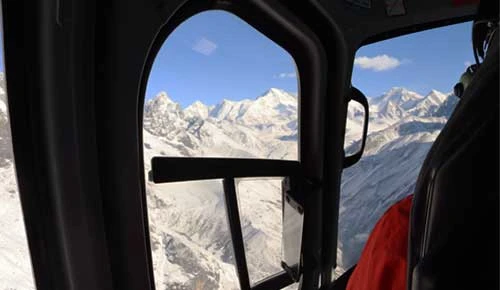
The flight from Kathmandu or Ramechhap to Lukla is one of the most exciting parts of the adventure. During the journey, passengers can enjoy spectacular views of the Himalayan mountains, green hills, deep valleys, and traditional villages.
The flight generally takes around 30–40 minutes from Kathmandu, depending on operating conditions.
Estimated flight expenses for 2027: Everest Region Flight
| Estimated Cost | Cost |
| Kathmandu to Lukla | USD 255 |
| Lukla to Kathmandu | USD 255 |
| Estimated Round Trip | USD 525 |
Flight prices can change depending on the airline, season, and operational arrangements.
During busy trekking seasons, particularly spring and autumn, some Lukla flights operate from Manthali Airport in Ramechhap instead of Kathmandu.
If your flight departs from Ramechhap, you will need additional road transportation from Kathmandu. The journey generally takes several hours, depending on traffic and road conditions.
It is also important to remember that Lukla flights are highly dependent on weather conditions. Delays and cancellations can occur, so keeping additional days in your travel schedule is recommended.
Everest Base Camp Trek Permits
Permits are essential for entering the Everest region and accessing the protected areas along the trekking route.
The commonly applicable charges for international trekkers include:
| Permit | Estimated Fee |
| Sagarmatha National Park Entry Permit | NPR 3,000 |
| Khumbu Pasang Lhamu Rural Municipality Entry Fee | NPR 3,000 |
| Estimated Total | NPR 6,000 |
Before beginning your adventure, make sure you understand the Nepal trekking permit requirements and the applicable Sagarmatha National Park entry fees.
You can also explore the official Sagarmatha National Park information for details about the protected Himalayan region.
Trekkers should also check the latest trekking documentation requirements before travelling, as regulations concerning TIMS cards and local entry procedures may change.
At Nepal Trek Adventure and Expedition Pvt. Ltd., we assist our guests with understanding and arranging the required trekking documentation.
Accommodation Cost During the Everest Base Camp Trek
Accommodation is another important component of the Everest Base Camp trekking budget.
Most accommodation along the traditional Everest Base Camp route consists of teahouses and mountain lodges operated by local families.
If you prefer additional comfort during your Himalayan adventure, explore our Everest Base Camp Luxury Trek – 12 Days.
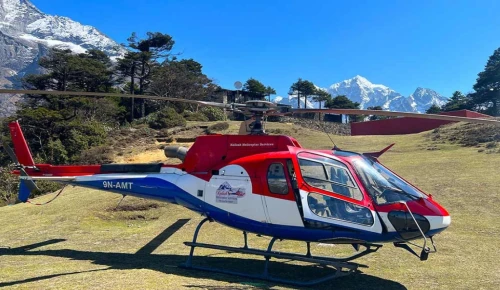
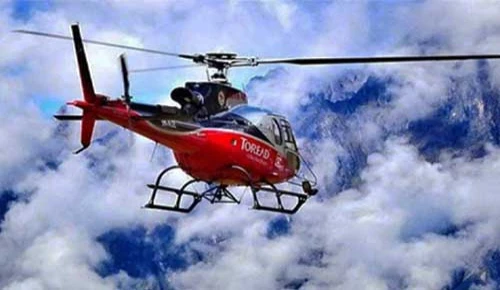
For travellers who want to combine trekking with a helicopter journey, our Everest Base Camp Trek with Helicopter Return offers an alternative experience.
Estimated accommodation costs:
| Accommodation Type | Estimated Cost Per Night |
| Basic Teahouse | USD 25 – 35 |
| Standard Lodge | USD 30 – 50 |
| Premium Lodge | USD 30 – 150+ |
The prices are indicative and may vary by season, location, and availability.
Most standard teahouse rooms include two beds, blankets, and basic furniture. Bathrooms may be shared, particularly at higher elevations.
Some premium lodges offer attached bathrooms, hot showers, heated dining areas, and upgraded facilities at selected locations.
It is worth remembering that accommodation prices are often influenced by meal arrangements. Some lodges offer lower room prices when guests purchase meals at the property.
Food and Meal Expenses
Food is an essential part of your Everest Base Camp trekking budget.
During the trek, you will find a variety of meals ranging from traditional Nepali dishes to international food options.
Dal Bhat is one of the most popular meals along the trail. It generally consists of rice, lentil soup, vegetables, and pickles. It is a filling meal that provides energy for long trekking days.
Other common food options include:
- Fried rice
- Vegetable noodles
- Pasta
- Soups
- Tibetan bread
- Pancakes
- Eggs
- Potatoes
- Porridge
- Tea and coffee
- Momos
Estimated daily food expenses range from USD 35 to USD 50 per person.
For a 12–14-day trekking itinerary, you should consider approximately USD 350 - 500 for meals.
Food prices generally increase with altitude because supplies must be transported into remote mountain villages by porters, mules, or other available means.
For example, a meal in Namche Bazaar may cost less than the same meal in Lobuche or Gorak Shep.
Drinking sufficient water is particularly important during high-altitude trekking. You can purchase bottled water or refill your reusable bottle with treated drinking water where available. We recommend carrying water purification tablets or a suitable filtration system to reduce unnecessary expenses and plastic waste.
Trekking Guide Cost
Hiring an experienced trekking guide is an important investment for your Everest Base Camp adventure.
A professional guide helps you navigate the trekking route, understand local traditions, organise daily logistics, and make informed decisions throughout the journey.
The guide also provides valuable information about the mountains, monasteries, Sherpa communities, and natural environment of the Khumbu region.
Estimated trekking guide cost for 2027:
USD 25–40 per day.
The final cost depends on the guide's experience, qualifications, language skills, and employment arrangements.
A good guide does much more than show you the way. They help coordinate accommodation, communicate with local lodge operators, monitor your general condition, and provide guidance when altitude-related symptoms occur.
Choosing an experienced local guide can make your trekking experience more comfortable and organised.
Porter Cost
A porter carries your main trekking luggage, allowing you to walk with a lighter daypack.
Porter services are particularly useful for trekkers who want to enjoy the scenery without carrying heavy equipment throughout the journey.
Estimated porter cost:
USD 20–30 per day.
Porter services are generally arranged according to luggage weight, route duration, and company policy.
When hiring a porter, make sure that the luggage allowance is reasonable and that the porter receives proper equipment, insurance, and appropriate working conditions.
We believe responsible tourism should benefit the local communities and trekking professionals who make Himalayan adventures possible.
Travel Insurance and Emergency Evacuation
Travel insurance is strongly recommended for anyone planning the Everest Base Camp trek.
The route reaches an altitude of 5,364 metres, and trekkers may experience altitude-related health problems, injuries, or other unexpected situations.
Emergency helicopter evacuation can be expensive, particularly in remote Himalayan locations.
Your travel insurance policy should specifically cover:
- High-altitude trekking up to at least 6,000 metres.
- Emergency helicopter evacuation.
- Medical treatment.
- Emergency transportation.
- Trip interruption.
- Trip cancellation, where applicable.
Estimated travel insurance cost:
USD 80–200 per person.
This is only an approximate planning figure. Actual insurance premiums depend on your age, nationality, trip duration, coverage limits, and insurance provider.
Before purchasing a policy, carefully read the terms and conditions to ensure that high-altitude trekking and helicopter rescue are explicitly covered.
Additional Expenses During the Everest Base Camp Trek
Apart from the main trekking package, you should prepare a separate budget for personal expenses.
Small expenses can add up during a two-week Himalayan adventure, particularly at higher elevations.
Here are some common additional expenses:
| Personal Expense | Estimated Cost |
| Hot Shower | USD 3 - 8 |
| Battery Charging | USD 2 - 5 |
| Wi-Fi | USD 3 - 8 |
| Bottled Water | USD 2 - 5 |
| Snacks and Chocolates | USD 5 - 15 |
| Personal Toiletries | USD 10 - 20 |
| Guide and Porter Tips | USD 100 - 200+ |
The prices vary depending on the village, lodge, and trekking season.
Internet and Wi-Fi
Internet access is available in several villages along the Everest Base Camp route. Some lodges provide Wi-Fi for an additional charge. Mobile network services are also available in parts of the region, although coverage and connection quality can vary. If staying connected is important to you, consider purchasing a suitable Nepal SIM card before beginning your trek.
Battery Charging
Charging electronic devices becomes increasingly expensive at higher elevations. Most lodges offer charging facilities, but electricity availability and charging costs depend on the location. Carrying a power bank is a practical way to reduce charging expenses.
Hot Shower Facilities
Hot showers are available in some teahouses and lodges along the route. However, availability may be limited at higher elevations, and additional charges generally apply. Many trekkers prefer to use wet wipes or other simple hygiene alternatives during the highest sections of the trek.
Budget Trek vs Standard Trek vs Luxury Everest Base Camp Trek
Not every traveller wants the same experience in the Himalayas.
Some people prefer a simple adventure with basic accommodation, while others want comfortable lodges, personalised services, and additional convenience.
Understanding the differences between trekking package categories will help you choose the right option.
Budget Everest Base Camp Trek
The budget Everest Base Camp trek is designed for travellers who want to experience the Himalayas while keeping their expenses under control. This option generally focuses on essential trekking arrangements, standard teahouse accommodation, and practical transportation.
Typical features include:
- Basic teahouse accommodation.
- Essential trekking arrangements.
- Shared group services.
- Local trekking support.
- Standard meals, depending on the package.
- Basic transportation arrangements.
Estimated cost: USD 1,150 - 1,350 per person.
This option is suitable for travellers who are comfortable with simple facilities and prefer a more economical Himalayan adventure.
Standard Everest Base Camp Trek
The standard Everest Base Camp trek offers a balance between affordability, comfort, and professional trekking support. It is one of the most suitable options for international travellers visiting Nepal for the first time.
Typical package features include:
- Experienced trekking guide.
- Porter arrangements, depending on the package.
- Standard teahouse accommodation.
- Domestic flight arrangements.
- Required trekking permits.
- Organised trekking itinerary.
- Pre-trek assistance.
- Group or private departure options.
Estimated cost: USD 1,300–1,800 per person.
The standard package is an excellent choice for travellers who want an organised trekking experience without unnecessary luxury expenses.
Premium Everest Base Camp Trek
The premium Everest Base Camp experience focuses on additional comfort and personalised trekking arrangements. This option is suitable for travellers who prefer better accommodation where available, more individual attention, and upgraded services.
Typical features may include:
- Private trekking guide.
- Premium accommodation at selected locations.
- Improved transportation arrangements.
- Personalised itinerary planning.
- Additional logistical support.
- Flexible departure arrangements.
- Enhanced pre-trek assistance.
Estimated cost: USD 1,800–2,500 per person.
Accommodation options become limited at higher elevations, so premium services cannot guarantee luxury facilities throughout the entire route.
Luxury Everest Base Camp Trek
For travellers who want a more exclusive Himalayan experience, a luxury Everest Base Camp package offers additional comfort and personalised services. Luxury arrangements may include upgraded Kathmandu accommodation, helicopter transportation options, premium lodges at selected destinations, private guides, and carefully organised logistics.
Estimated cost: USD 2,500–4,000+ per person.
The final cost depends on the level of luxury, transportation arrangements, accommodation selection, and itinerary.
Luxury trekking in the Everest region does not mean that every mountain lodge offers five-star facilities. The experience focuses on maximising comfort and convenience wherever the remote Himalayan environment allows.
Everest Base Camp Trek Itinerary for 2027
A standard Everest Base Camp trek generally requires 12–14 days of trekking and travel arrangements, depending on the starting point and itinerary. Proper acclimatization is essential because the route gradually climbs from Lukla at approximately 2,860 metres to Everest Base Camp at 5,364 metres. For a detailed day-by-day route, accommodation information, trekking arrangements, and complete itinerary, visit our Everest Base Camp Trek – 14 Days itinerary.
Below is a recommended 14-day itinerary.
Day 1: Arrival in Kathmandu (1,400m)
Your Himalayan adventure begins with your arrival at Tribhuvan International Airport in Kathmandu.
Our representative can welcome you at the airport and assist with your transfer to the hotel.
Depending on your arrival time, you can explore the surrounding area, enjoy traditional Nepali food, and prepare for the trekking adventure.
In the evening, you will receive a briefing about the itinerary, trekking arrangements, and essential equipment.
Day 2: Kathmandu to Lukla and Trek to Phakding (2,610m)
After breakfast, you will travel to the airport for your flight to Lukla.
The scenic mountain flight provides spectacular views of the Himalayan landscape.
Upon arrival in Lukla, you will meet the trekking crew and begin walking towards Phakding.
The trail passes through small villages, suspension bridges, and beautiful landscapes alongside the Dudh Koshi River.
Walking duration: Approximately 3–4 hours.
Day 3: Phakding to Namche Bazaar (3,440m)
Today, you will continue towards Namche Bazaar, the main trading and administrative centre of the Khumbu region.
The trail follows the Dudh Koshi River and crosses several suspension bridges, including the famous Hillary Suspension Bridge.
You will enter Sagarmatha National Park and gradually climb towards Namche Bazaar.
Walking duration: Approximately 5–7 hours.
Day 4: Acclimatization Day in Namche Bazaar
Acclimatization is an important part of the Everest Base Camp trek.
You will spend an additional day in Namche Bazaar to help your body adjust to the increasing altitude.
Popular activities include hiking towards the Everest View Hotel or visiting nearby viewpoints and traditional Sherpa settlements.
The principle of climbing higher during the day and returning to sleep at a lower altitude can help with acclimatization.
Day 5: Namche Bazaar to Tengboche (3,860m)
After breakfast, you will begin trekking towards Tengboche.
The route offers spectacular views of Everest, Ama Dablam, Thamserku, and other Himalayan peaks.
Tengboche is famous for its monastery, which is an important spiritual centre for the local Sherpa community.
Walking duration: Approximately 5–6 hours.
Day 6: Tengboche to Dingboche (4,410m)
Today, you will continue towards Dingboche through beautiful mountain landscapes.
The trail passes through traditional villages, stone-walled fields, and alpine vegetation.
As you gain elevation, the landscape gradually becomes more open and rugged.
Walking duration: Approximately 5–6 hours.
Day 7: Acclimatization Day in Dingboche
You will spend another acclimatization day in Dingboche.
Optional hikes to nearby viewpoints can help you gradually adjust to the altitude, provided you are feeling well.
Your guide will help plan suitable activities according to your condition and the weather.
Day 8: Dingboche to Lobuche (4,910m)
The trail gradually climbs towards Lobuche, passing through the beautiful Khumbu landscape.
Along the route, you will reach the Thukla area and pass memorials dedicated to climbers and mountaineers who lost their lives in the Himalayas.
The scenery becomes increasingly dramatic as you approach the higher sections of the Everest region.
Walking duration: Approximately 5–6 hours.
Day 9: Lobuche to Everest Base Camp (5,364m) via Gorak Shep
This is one of the most exciting days of the entire adventure.
After breakfast, you will trek towards Gorak Shep, the final settlement before Everest Base Camp.
After a short break, you will continue towards Everest Base Camp.
Standing at the base of the world's highest mountain is an unforgettable experience.
You will enjoy the spectacular surroundings of the Khumbu Glacier and surrounding Himalayan peaks before returning to Gorak Shep for the night.
Walking duration: Approximately 7–9 hours, depending on conditions.
Day 10: Kala Patthar and Trek to Pheriche
Early in the morning, you may hike towards Kala Patthar, one of the best viewpoints for panoramic views of Mount Everest.
The sunrise over the Himalayan mountains is a highlight of the entire trek.
After enjoying the mountain scenery, you will descend towards Pheriche.
Walking duration: Approximately 6–8 hours, depending on the viewpoint and conditions.
Day 11: Pheriche to Namche Bazaar
Today, you will retrace your steps towards Namche Bazaar.
As you descend, the trail becomes easier for many trekkers because of the increasing oxygen availability at lower elevations.
You will pass through familiar villages and beautiful Himalayan landscapes.
Walking duration: Approximately 6–7 hours.
Day 12: Namche Bazaar to Lukla
The final trekking day takes you back towards Lukla.
You will cross suspension bridges, pass traditional villages, and follow the Dudh Koshi River.
After reaching Lukla, you can celebrate the completion of your Everest Base Camp trekking adventure with your trekking crew.
Walking duration: Approximately 6–8 hours.
Day 13: Lukla to Kathmandu
After breakfast, you will take your return flight to Kathmandu, subject to weather and flight operations.
Upon arrival, you can enjoy a relaxing afternoon in the city.
This day also provides some flexibility in case of flight delays.
Day 14: Final Departure
Your Everest Base Camp adventure comes to an end.
Depending on your flight schedule, our team can assist with your airport transfer.
You will leave Nepal with unforgettable memories of the Himalayas, Sherpa hospitality, and the journey to Everest Base Camp.
Note: This is a sample itinerary. Weather, physical condition, flight operations, and safety considerations may require adjustments.
Best Time for Everest Base Camp Trek in 2027
Choosing the right trekking season is essential for enjoying the Everest region.
The two most popular trekking seasons are spring and autumn.
Spring Season: March to May
Spring is one of the best times to experience the Everest Base Camp trek.
During this period, temperatures gradually become warmer, and the lower Himalayan landscapes begin to bloom.
The forests around the trekking route display beautiful rhododendron flowers, while the higher elevations offer spectacular views of snow-covered mountains.
April and May are particularly popular months because of favourable trekking conditions and mountaineering activity around Everest.
Advantages of spring trekking:
- Pleasant daytime temperatures.
- Beautiful natural landscapes.
- Rhododendron forests.
- Popular trekking atmosphere.
- Excellent opportunities to experience Himalayan culture.
Autumn Season: September to November
Autumn is another excellent season for trekking to Everest Base Camp.
Following the monsoon season, the skies often become clearer, providing outstanding mountain views.
October is particularly popular among international trekkers.
Advantages of autumn trekking:
- Generally clear mountain views.
- Fresh landscapes after the monsoon.
- Popular trekking conditions.
- Pleasant daytime temperatures.
- Excellent photography opportunities.
Winter Season: December to February
Winter trekking is possible for experienced and well-prepared travellers.
However, temperatures can become extremely cold, especially at higher elevations.
Snowfall, freezing temperatures, and changing weather conditions may affect trekking arrangements.
Winter is generally quieter than the main trekking seasons, making it an option for travellers who prefer fewer people on the trail.
Monsoon Season: June to August
The monsoon season brings heavy rainfall to many parts of Nepal.
Although the Everest region receives less rainfall than some other trekking regions, cloudy weather and flight disruptions can affect travel arrangements.
Landslides and poor road conditions may also affect access to Ramechhap Airport.
For most first-time trekkers, spring and autumn are the recommended seasons.
What Is Included in an Everest Base Camp Trek Package?
Before booking your Everest Base Camp trek, carefully review the services included in your package.
Different trekking companies provide different levels of service.
A standard guided package may include:
- Airport transfers in Kathmandu.
- Domestic flights to and from Lukla, according to the agreed itinerary.
- Experienced English-speaking trekking guide.
- Porter services, if included.
- Required trekking permits.
- Teahouse accommodation during the trek.
- Meals during the trek, if specified.
- Guide and porter accommodation and meals.
- Basic first-aid support.
- Pre-trek briefing.
- Government taxes and company service charges.
The exact inclusions should always be confirmed in writing before booking.
What Is Not Included?
The following expenses are commonly excluded from standard trekking packages:
- International airfare.
- Nepal tourist visa.
- Travel insurance.
- Personal trekking equipment.
- Personal expenses.
- Snacks and beverages.
- Hot showers and Wi-Fi.
- Battery charging.
- Tips for guides and porters.
- Additional hotel nights caused by flight delays or personal itinerary changes.
- Emergency evacuation expenses.
Understanding the difference between included and excluded services will help you calculate your actual travel budget.
How Much Money Should You Carry for the Everest Base Camp Trek?
Carrying some cash is important during the Everest Base Camp trek.
Although ATMs are available in Namche Bazaar, their availability and reliability should not be taken for granted.
Most small teahouses and local shops prefer cash payments, particularly at higher elevations.
We recommend preparing approximately USD 200–300 in Nepalese rupees for personal expenses, depending on your package inclusions and spending habits.
You should also keep some additional emergency funds separate from your regular spending money.
Avoid depending entirely on digital payments because internet connectivity and payment facilities can be limited in remote areas.
How to Reduce Your Everest Base Camp Trek Cost in 2027
You can enjoy an incredible Himalayan adventure without spending unnecessarily.
If you have additional time and want to explore more of the Everest region, consider our Everest Three Passes Trek or Gokyo Valley Trek.
Here are some practical ways to manage your trekking budget.
Travel in a Group
Group trekking is one of the easiest ways to reduce your overall expenses.
Several services, including guide arrangements and certain logistical costs, can be shared among group members.
Travelling with friends or joining a scheduled group departure can help reduce the per-person price.
Book Your Trek in Advance
Booking in advance gives you more time to arrange domestic flights, accommodation, travel insurance, and trekking equipment.
During spring and autumn, demand for trekking services is high.
Early planning can help you secure suitable arrangements and avoid last-minute complications.
Choose the Right Trekking Package
Select a package that matches your actual requirements.
If you are comfortable with standard teahouse accommodation, there may be no reason to spend extra on premium arrangements.
However, never compromise on experienced trekking support, proper acclimatization, or essential safety arrangements just to save money.
Bring Your Own Trekking Equipment
If you already own quality trekking equipment, bring it with you.
Essential items include:
- Hiking boots.
- Down jacket.
- Waterproof jacket.
- Thermal clothing.
- Trekking trousers.
- Gloves.
- Sleeping bag.
- Backpack.
- Trekking poles.
- Sunglasses.
- Headlamp.
You can also rent or purchase equipment in Kathmandu if necessary.
Carry a Reusable Water Bottle
Purchasing bottled water every day can increase your expenses.
Carrying a reusable bottle and using an appropriate water purification method can help reduce costs while minimising plastic waste.
Plan Your Personal Expenses
Prepare a separate budget for snacks, charging, hot showers, internet, and tips. Knowing your expected daily expenses will help you avoid unnecessary spending.
Physical Preparation for Everest Base Camp Trek
The Everest Base Camp trek is a physically demanding adventure.
Although you do not need professional mountaineering experience, you should prepare your body before starting the journey.
The trek involves several consecutive days of walking, gradual altitude gain, uneven terrain, and long uphill and downhill sections.
We recommend beginning physical preparation at least 8–12 weeks before departure.
Useful training activities include:
- Walking and Hiking: Regular walking helps build endurance. Gradually increase the distance and include uphill and downhill routes.
- Cardiovascular Exercise: Activities such as cycling, jogging, swimming, and stair climbing can improve cardiovascular fitness.
- Strength Training: Strengthening your legs, core, and back helps you manage long trekking days.
- Practice with a Backpack: Walking with a lightly loaded backpack can help you become comfortable carrying your personal daypack.
- Acclimatization Awareness: Physical fitness does not eliminate the risk of altitude sickness. Following an appropriate itinerary and recognising symptoms are essential.
Common symptoms of altitude sickness include headache, nausea, dizziness, fatigue, and difficulty sleeping.
If symptoms worsen, you should inform your guide immediately. Descending to a lower altitude may be necessary. Severe symptoms require urgent medical attention.
Never continue ascending when experiencing signs of serious altitude illness.
Is Everest Base Camp Trek Worth the Cost?
For many travellers, reaching Everest Base Camp is a once-in-a-lifetime experience.
The journey offers much more than simply visiting the base of Mount Everest.
Throughout the trek, you will experience the natural beauty and cultural heritage of the Khumbu region.
You will walk through traditional Sherpa settlements, cross spectacular suspension bridges, visit ancient monasteries, and witness some of the world's most impressive mountain landscapes.
The opportunity to experience the hospitality of local Himalayan communities is another memorable part of the journey.
You will also visit Namche Bazaar, Tengboche, Dingboche, Lobuche, and Gorak Shep, each offering its own unique atmosphere and scenery.
Although the trek requires a reasonable financial investment, the experience and memories often make it worthwhile.
For travellers interested in mountains, adventure, nature, and cultural exploration, the Everest Base Camp trek remains one of Nepal's most rewarding travel experiences.
Why Choose Nepal Trek Adventure and Expedition Pvt. Ltd.?
Choosing the right trekking company is one of the most important decisions when planning your Everest Base Camp adventure.
Learn more about our company, local trekking expertise, and travel services on our About Nepal Trek Adventure and Expedition page.
You can also read genuine traveller feedback on our customer reviews page.
We work to provide trekking experiences that match individual requirements and travel budgets.
Local Knowledge and Professional Trekking Support
Our local trekking expertise helps us organise the essential arrangements required for a successful Everest Base Camp journey.
From the initial planning stage to the completion of your trek, we focus on providing clear communication and reliable logistical support.
Experienced Trekking Guides
Our trekking arrangements prioritise experienced local guides who understand the Everest region and its cultural and geographical environment.
Having knowledgeable trekking support helps you enjoy the journey while making informed decisions along the route.
Flexible Trekking Packages
We understand that international travellers have different budgets and expectations.
Our Everest Base Camp trekking packages can be discussed according to your preferences, including group departures, private treks, and personalised arrangements.
Responsible Tourism
The Everest region is an environmentally sensitive destination.
Responsible tourism is important for protecting its natural beauty and supporting the local communities.
We encourage responsible trekking practices, respect for local traditions, appropriate waste management, and fair treatment of trekking staff.
Personalised Travel Assistance
Our team can assist with itinerary planning, trekking documentation, transportation arrangements, accommodation, and other essential travel requirements.
Whether you are a solo traveller, couple, family, or group of friends, we can help you plan your Himalayan adventure.
Frequently Asked Questions About Everest Base Camp Trek Cost 2027
1. How much does the Everest Base Camp trek cost in 2027?
The estimated cost of a standard guided Everest Base Camp trek in 2027 ranges from USD 1,300 to USD 2,500 per person. The price depends on the itinerary, group size, accommodation, flights, meals, and included services.
2. What is the cheapest way to do the Everest Base Camp trek?
Travelling in a group, choosing standard teahouse accommodation, booking services in advance, and avoiding unnecessary personal expenses can help reduce your trekking budget.
However, experienced trekking support, proper acclimatization, and suitable insurance should remain priorities.
3. Does the Everest Base Camp trek package include flights?
Some trekking packages include round-trip flights between Kathmandu and Lukla, while others charge separately.
Always check the package inclusions before booking.
4. How much does a Lukla flight cost in 2027?
An indicative estimate for a one-way Lukla flight is USD 190–240, with a round-trip estimate of USD 380–480. Prices depend on airline arrangements, season, and departure airport.
5. How much should I budget for food during the trek?
You should consider approximately USD 25–40 per day for meals. For a 12–14-day trekking itinerary, an estimated food budget of USD 300–500 is reasonable.
6. Are permits included in the Everest Base Camp trekking package?
Many guided trekking packages include the required permits. However, this varies between companies. Confirm the Sagarmatha National Park and Khumbu Pasang Lhamu Rural Municipality fees in your quotation.
7. Is a trekking guide compulsory for Everest Base Camp?
Trekking regulations and local requirements should be checked before departure. Regardless of the applicable rules, hiring an experienced local guide is strongly recommended for navigation, logistics, cultural understanding, and safety support.
8. Can I trek to Everest Base Camp without a porter?
Yes. You can carry your personal trekking equipment if you are physically comfortable doing so. However, hiring a porter allows you to walk with a lighter daypack and enjoy the journey more comfortably.
9. What is the best month for Everest Base Camp trek in 2027?
April and May are popular spring months, while September, October, and November are popular autumn months. October is particularly attractive because of generally favourable mountain visibility and trekking conditions.
10. How difficult is the Everest Base Camp trek?
The trek is considered moderately difficult to challenging.
You should expect several hours of walking each day, gradual altitude gain, and basic accommodation in remote mountain villages.
Good physical preparation and proper acclimatization are essential.
11. Do I need previous trekking experience?
Previous trekking experience is helpful but not compulsory.
Beginners with good physical fitness, suitable preparation, and an appropriate itinerary can complete the trek.
12. Is travel insurance necessary for Everest Base Camp?
Travel insurance is strongly recommended. Your policy should specifically cover high-altitude trekking and emergency helicopter evacuation.
13. Can I book a private Everest Base Camp trek?
Yes. Private trekking arrangements are suitable for travellers who prefer flexibility, individual attention, and a personalised itinerary.
The cost depends on the number of travellers and the services selected.
14. Can I do the Everest Base Camp trek in 10 days?
A shorter itinerary may be possible for experienced and well-acclimatised trekkers, but reducing acclimatization days can increase altitude-related risks.
A 12–14-day itinerary is a more suitable option for many first-time trekkers.
15. How much money should I carry during the trek?
We recommend preparing approximately USD 200–300 equivalent in Nepalese rupees for personal expenses, depending on your package inclusions and spending habits.
Carrying additional emergency funds is also advisable.
16. Is there mobile network coverage on the Everest Base Camp trail?
Mobile coverage is available in several parts of the Everest region, but the signal can be inconsistent. Wi-Fi is also offered at some teahouses for an additional charge.
17. Is there an ATM in the Everest region?
ATMs are available in Namche Bazaar, but availability and reliability can vary. It is better to withdraw sufficient cash in Kathmandu before beginning your trek.
18. Can I trek to Everest Base Camp in winter?
Yes, winter trekking is possible, but temperatures can be extremely cold and weather conditions can be challenging.
Travellers should be properly equipped and prepared for changing conditions.
19. What is the total budget for an international traveller?
Your complete budget should include the trekking package, international flights, Nepal visa, travel insurance, Kathmandu accommodation, personal expenses, and any additional travel arrangements.
For a standard guided trek, a practical overall budget will generally be higher than the advertised trekking package price.
20. How can I book the Everest Base Camp trek for 2027?
You can contact Nepal Trek Adventure and Expedition Pvt. Ltd. to discuss your preferred trekking dates, group size, itinerary, and budget. Our team can provide a customised quotation and help organise your Himalayan adventure.
Book Your Everest Base Camp Trek 2027 with Nepal Trek Adventure and Expedition Pvt. Ltd.
Your dream of standing at the foot of Mount Everest can become a reality in 2027!
Whether you are planning a budget-friendly group trek, a private guided adventure, or a more comfortable Himalayan experience, Nepal Trek Adventure and Expedition Pvt. Ltd. is ready to help you plan your journey.
Explore our Everest Base Camp Trek – 14 Days and discover our trekking arrangements, itinerary, package inclusions, and available departure dates.
Why Book with Us?
- Experienced local trekking guides.
- Customised trekking packages.
- Flexible group and private departures.
- Professional trekking arrangements.
- Local Himalayan knowledge.
- Personalised travel assistance.
Get Your Everest Base Camp Trek 2027 Quotation Today!
Have questions about trekking costs, available dates, accommodation, or package inclusions? Our team is ready to assist you.
Contact Nepal Trek Adventure and Expedition Pvt. Ltd.
- Website: https://www.nepaltrekadventures.com/
- WhatsApp: +977 98514 88 555
- Contact Person: Binod Sapkota
- Location: Thamel, Kathmandu, Nepal
EXPLORE EVEREST BASE CAMP TREK PACKAGES
Let's make your Himalayan adventure unforgettable!
Nepal Trek Adventure and Expedition Pvt. Ltd. – Your Trusted Partner for Himalayan Adventure

Ayush Dahal
Drop us a message