Why Spending the Night at Everest Base Camp Changes the Entire Trek Experience
Trekking to the Everest Base Camp (EBC) has been a dream of every adventurer across the world. The journey through the Khumbu Valley, past spectacular peaks, glacial valleys, and colourful Sherpa villages, is unforgettable. The majority of trekkers visit EBC as a day destination; they take time to get pictures, celebrate reaching the world’s highest peak, and then return to Gorakshep or other camps. Although this is an extraordinary experience, it often leaves a feeling of having only touched the mountain's spirit rather than truly immersing in it.
For travelers who want more personal adventure, an overnight stay at the Everest Base Camp is another activity that changes the entire trek. It provides an excellent opportunity to see the sunset and sunrise over Everest, the deep silence after the crowds leave, and feel the changes of the Khumbu Icefall in the dark. In addition to the physical difficulty, the overnight stay enhances emotional insight, reflection, and a once-in-a-lifetime connection to the Everest region, turning an extraordinary journey into a transformative experience.
Table of Contents
![9 Days Everest base camp trek with Helicopter Return is specially designed for travelers who want to enjoy full experience of trekking journey to base camp of World Tallest Mountain, Mt. Everest. It is Also known as Everest fly out trek.]() Best Seller
Best Seller![Everest base camp trek 14 days itinerary]() Traveler's Choice
Traveler's Choice![5 days Everest base camp trek - Mount Everest tour 5 days - cost]() Everest in 5 Days
Everest in 5 Days


Trekking in Nepal: Where the Journey Matters as Much as the Destination
Trekking in Nepal begins long before you set foot on a mountain trail. It begins with the silent anticipation of the journey, the initial glimpse of distant mountains, and the understanding that this nation offers something far deeper than picturesque landscapes. Nepal is known as worldwide the heart of Himalayan trekking, and it attracts the adventurers not only due to the existence of mountainous terrain, but because of the fact that every route here comes with a story of nature, history, and human resilience.
More than anywhere else in the world, trekking in Nepal is about the journey itself. The trails wind through old villages, prayer-flag-lined ridges, suspension bridges above roaring rivers, and scenery which change dramatically with the altitude. You may pass through pine and rhododendron forests one day, and the next, you are surrounded by glaciers, rock and sky. On the journey, there are experiences with the local communities, especially the Sherpa culture in the Everest region which brings meaning to every step making what would have been a physical challenge into a deeply human experience.

This is why Nepal trekking is also referred to as a life experience, rather than a holiday. High altitude, long trekking days, and simple living in the mountains pushes trekkers beyond the comfort and routine. Time slows down. Priorities shift. With each ascent, the noise of everyday life fades, replaced by clarity, reflection, and overwhelming sense of accomplishment. In Nepal, trekking is not about rushing to a certain destination but rather it is about earning every moment along the way.
Among the numerous legendary routes that cross this country, one trek always stands above the rest. It is a journey that carries the weight of history, aspiration and individual dreams across the world. As trekkers move deeper into the Himalayas, the path gradually leads toward a place that represents more than a destination—it represents a turning point in the entire trekking experience: Everest Base Camp.
The Everest Region: Trekking Where Legends Were Made
Everest region, known locally as Khumbu, is more than just a destination on the map. From the moment you step onto the trail, there’s a quiet consciousness that you're trekking through a historical, survival, and human-ambitious place. Towering mountains are like guardian spirits of old, prayer flags flutter in the wind, and each twist of the path feels charged with meaning. This is not just trekking, it is entering a living legend.
The Sherpa culture is a cultural way of life that is deeply intertwined with the mountains, and it lies at the heart of Khumbu. Trekking in stone-built villages, centuries-old monasteries and spinning prayer wheels make the trekkers think that this region is as spiritual as it is dramatic. Some monasteries such as Tengboche lie well above glacial valleys offering the moments of where the sound of chanting of monks blends with the distant roar of ice-fed rivers. Resilience, hospitality, and silent power of the Sherpas also enhance the expedition making the physical trek into a cultural experience.
What sets Everest trekking apart from other regions in Nepal is its unique atmosphere. It is challenging with the trails, but the purpose feels stronger here. You’re not merely trekking through beautiful landscapes, you're passing through a place shaped by extreme weather, high altitude, and history. Massive glaciers, stark alpine landscapes and ever-changing weather make the atmosphere raw and almost a humbling environment that remains with you even after the trek ends.
The emotional weight is, perhaps, the strongest part of trekking in the Everest region. These routes were once trekked by legendary climbers, explorers and local heroes who were willing to dream beyond what seemed possible. When one is standing beneath Everest, Lhotse, or Ama Dablam, there is no way to avoid feeling small but also inspiring. Every step echoes with stories of courage, loss, and victory making the journey feel deeply personal. In you don't just see the mountains, you will feel their legacy.
Everest Region Trekking Packages: More Than Just Routes on a Map
Trekking packages in the Everest region are mostly described in terms of distance, altitude, and itineraries, but on the trail, they become something far more personal. Each route provides an alternate way to explore the Khumbu, either using the following classic routes taken by generations of trekkers or choosing a more comfortable or a faster one. These packages aren’t just about getting to Everest Base Camp, but a question of how you experience the mountains, the culture and the challenge itself.
Popular Everest trekking experiences include:
- Classic Everest Base Camp Trek: The traditional journey through Namche Bazaar, Tengboche, Dingboche, and Gorak Shep. This route offers the full Everest experience—gradual acclimatization, Sherpa villages, monasteries, and unforgettable mountain views.
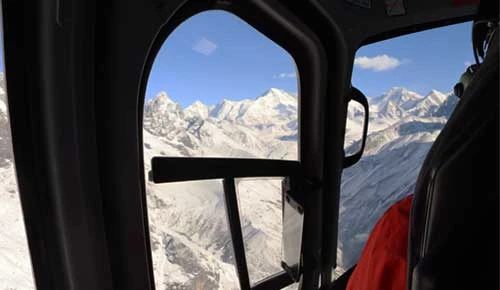
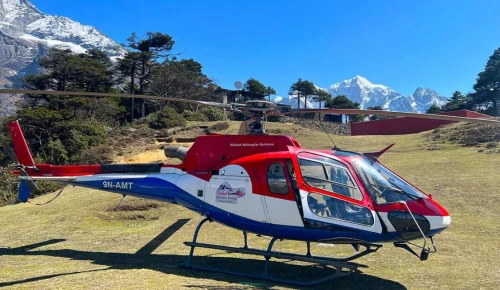
- EBC Trek with Helicopter Return: Perfect when time is limited or a person seeking additional comfort, this package will include an adventure of trekking up and a helicopter return with the view of the beautiful Himalayas being viewed dramatically.
- Luxury Everest Trekking: These packages target trekkers who desire to trek up the Everest with more comfort, with upgraded lodges, better meals and a more customized service without sacrificing the adventure of the journey.
- Everest Base Camp Trek with Overnight Stay at Base Camp: This is one of the most memorable and rarest experiences in the territory, this option allows trekkers to overnight stay at Everest Base Camp itself and standing beneath the world’s highest peaks when all the crowds have faded, and the real silence of the mountains can be experienced.
The transition of the list of the classic routes to the miracle moments makes it obvious that the Everest trekking isn’t one single experience, it's a spectrum. And at the extreme end of such a spectrum is something very unique, an opportunity to see Everest in such a way that few have ever had.
Everest Base Camp: A Place Most Trekkers Only Touch and Leave
To the majority of trekkers, Everest Base Camp is the destination they've dreamed for years while planning, training and dreaming. However, when they finally arrive, the moment often passes quicker than anticipated. A few photographs, a quick look around, maybe a quiet breath of disbelief, and then it's time to turn back toward Gorak Shep.
Standard itineraries of Everest Base Camp consider as a transitional location rather than a destination in itself. The altitude, cold and the disappearing light of the day ensure that trekkers rarely linger. In high trekking seasons, the area can feel crowded, with small groups of people arriving one after another, each eager to capture the iconic moment beneath the Khumbu Icefall before moving on. The vitality is great, but short lived.

Due to this fact, the experience may seem quite rushed. After days of slow ascent and careful acclimatization, reaching Base Camp should feel like a pause—a moment to absorb where you are and what you’ve accomplished. Instead, the pressure to return before dark often cuts the experience short. To most people, Everest Base Camp becomes a box checked rather than a place truly felt.
But what if the journey didn’t end there? What if instead of leaving as soon as you arrive, you stayed long enough to watch the light fade over the ice, to feel the stillness after the crowds disappear, and to experience Everest Base Camp, not as a checkpoint, but as a destination.
What Does “Spending the Night at Everest Base Camp” Really Mean?
Spending the overnight at Everest Base Camp is not an extension of a regular trekking, it's a totally different experience. Whereas the average trekker only stays in Base Camp and returns to Gorak Shep, an overnight stay means remaining in this high altitude environment long after the tourists have gone, allowing you will enjoy the mountain in its purest and silent state.
In an regular trekking itinerary to EBC has been considered as a day destination. Trekkers arrive on foot, take photographs beneath the Khumbu Icefall, and start to return back within an hour or two. There is no accommodation infrastructure at Base Camp for standard trekkers, and staying overnight is not part of the usual Everest Base Camp trekking packages.
Special overnight camping setup, however makes everything different. This is an experience that involves setting up high altitude expedition style tents directly at or near everest base camp. Warm sleeping systems, insulated dining tents, and trained support staff are essential to ensure safety and comfort in extreme conditions. The experience is very reflective of the way mountaineering expeditions operate, with the opportunity to have a unique glimpse into life at Base Camp beyond the normal trekking hours.
Because to the complexity involved, overnights at the Everest Base Camp are arranged only by specialized trekking and expedition providers, with the required permits, logistical support, and the knowledge of high altitude climbing. The opportunity is generally limited to specific windows during the trekking seasons typically in spring and autumn when the weather is relatively predictable and accessibility possible.
This rarity is precisely what makes the experience so special. There are strict regulations, high elevations, clod temperatures and logistical difficulties mean that only a small number of trekkers ever spend over night at the Everest Base Camp. It requires careful planned, experienced guides, well acclimatized, and strong physical preparation factors that place this experience squarely into the extraordinary rather than the routine.
Sunset at Base Camp: When Everest Finally Feels Personal
As the last day trekkers begin their journey return to GorakShep, Everest Base Camp slowly empties. Footsteps fade, voices disappear and the constant movement gives way to an unexpected stillness. What was once busy and energetic becomes quiet, almost sacred. For the first time since arriving, Base Camp feels less like a destination and more like a place meant to be experienced.
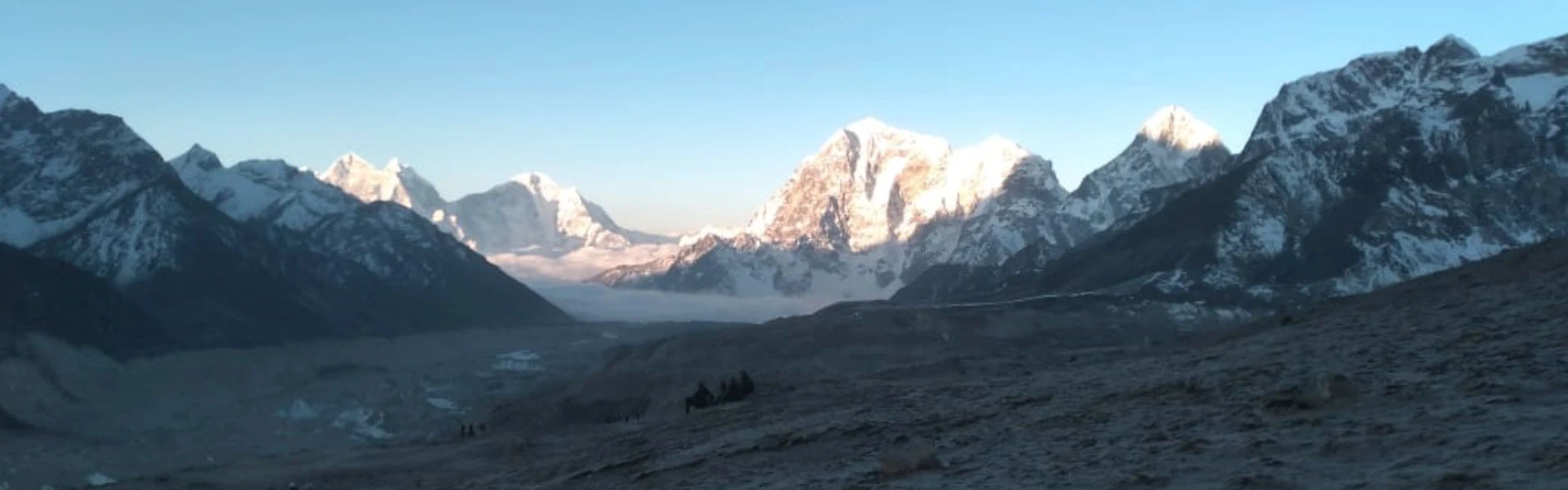
There is a subtle change in the light at the beginning. The cruel white of afternoon melts away, and the Khumbu Icefall starts shining, when the sun sets behind the surrounding peaks. The colors of ice towers are changing with every passing minute, they are black, gold, pink, and deep blue. The air is colder, but the silence is warm, like an invitation to simply stand still and observe.
In that moment, the realization settles in. You are not just standing near Everest you are here, surrounded by the ice and rock that define the highest mountain in the world. There is no longer a rush now, no need of photographs or evidence. The magnitude where you becomes deeply personal, no longer filtered through expectations or tales, but perceived by the silent weight of the present.
Here is where the emotional change happens. The feeling of accomplishment that carried you to Base Camp briefly fades way to reflection. You think about the journey, how difficult it was to arrive here, and how many other people have been in this very spot each for their own reasons. When the sun disappears and the shadows stretch across the glacier, Everest stops feeling like a goal you reached and begins feeling like a moment you’ll carry with you long after you leave.
Night at 5,364m: The Psychological Shift No One Talks About
The overnight experience at the Everest Base Camp (5,364m) is much more than the physical experience of trekking. Spending the night alters your perception towards altitude, what felt manageable during the day becomes a profound, almost tangible presence at night. The silence allows you to hear the glacier shitf and move in the night, a subtle reminder of the raw strength of the Khumbu Icefall.
In these quiet hours, vulnerability is heightened, you feel more in touch with the earth. With every breath, every beat of your heart, connects you more intimately to the mountain. Here the mental change starts between being a trekker and a witness: now you are no longer simply passing through; you are experiencing Everest in its truest, most personal way. This rare psychological change that makes an overnight stay at EBC to be memorable.
Sharing Space with Climbers: Feeling Part of Everest’s Living Story
At Everest Base Camp, you will be sharing the space with the climbers and their expedition tents, especially during the climbing season. Their summit preparation gives you a unique insight into Everest as a working mountain rather than a prestigious mountain. You can see how much planning, teamwork and effort required for each climb thus making the mountain feel alive and active.
It is an experience being a part of this environment changes your respect for Everest. It's no longer just a place where you can view and look, it becomes a living narrative that you temporarily experience. Still, being a trekker, you are connected to the mountain and its continuous tradition of adventure and human courage.
How Overnight at EBC Changes the Rest of the Trek
Overnight stay at Everest Base Camp (EBC) does more than make the experience memorable—it shapes the way you feel and think about the entire Everest trekking journey. Staying overnight creates lasting effects that follow you on the descent and beyond. Here’s how it changes the rest of your trek:
- Stronger emotional closure: Sleeping at 5,364m gives a sense of accomplishment that goes beyond reaching EBC during the day. You leave with a feeling of completeness, having truly experienced the heart of the mountain.
- Reduced feeling of “unfinished business”: Many trekkers finish a day visit wishing they had more time. The overnight stay removes that sense of rushing and regret, letting you savor the moment fully.
- Deeper connection to the journey back: Trekking back from EBC after an overnight stay feels different. Every trail, ridge, and valley carries more meaning because your mind has absorbed the mountain’s presence and history.
- Greater appreciation for every step taken: Even simple sections of the trek feel significant. From Gorakshep to Lukla, each step becomes a reminder of the effort, the scenery, and the emotional journey you’ve completed.
- Trek feels complete, not rushed: Rather than seeing EBC as a checkpoint, your trek becomes a full-circle experience. The adventure feels immersive, reflective, and emotionally satisfying, leaving you with memories that last long after you descend.
By spending the night at EBC, the trek transforms from a physical challenge into a holistic journey that combines emotional growth, personal reflection, and deep respect for Everest. The rest of your trek is experienced with greater awareness, appreciation, and fulfillment.
Who Should Choose an Overnight Everest Base Camp Experience?
An overnight stay at Everest Base Camp (EBC) is not for everyone. It’s best suited for trekkers who want a deeper, more immersive experience beyond a standard day visit. Ideal candidates include:
- Experienced trekkers: Those who have prior high-altitude trekking experience and understand the challenges of Everest region trekking.
- Adventure-focused travelers: People seeking unique, rare experiences rather than conventional itineraries.
- Story-seekers, not checklist travelers: Trekkers who value personal connection, reflection, and emotional depth over simply reaching EBC for a photo.
- Those wanting something beyond standard trekking packages: Anyone looking for a more meaningful and memorable journey, with the chance to witness Everest at night in quiet, untouched surroundings.
This experience is perfect for travelers who want to truly immerse themselves in the Everest story, rather than just pass through.
Is It Worth It Compared to a Standard Everest Base Camp Trek?
An average Everest Base Camp (EBC) trek expedition is a priceless adventure, and the satisfaction of reaching one of the most renowned places on earth. Trekkers experience the breathtaking Khumbu valley, Gorakshep, and classic sceneries of Everest and surrounding mountains, usually returning back in the same day after a short trek of EBC. It is a fulfilling journey, but often feels like a checkpoint rather than a immersive experience.
Spending the overnight at EBC, however, adds emotional and mental depth that a day visit can’t match. Watching the sunset and sunrise over Everest, listening to the glacier move at night, and sharing the space with climbers brings a profound sense of connection to the mountain. The difference isn’t about distance traveled—it’s about the depth of the experience. Overnight stays turn the trek from a physical challenge into a reflective, unforgettable adventure that stays with you long after you leave.
Everest Base Camp Trek with Overnight Stay: A Rare Upgrade to a Classic Journey
Choosing an Everest Base Camp trek with an overnight stay is more than extending your itinerary—it’s a true experience upgrade. Unlike the standard trek, this option allows trekkers to witness Everest in quiet, untouched moments, enjoy the sunset and sunrise over the mountains, and share the space with climbers in a unique, immersive setting. The overnight stay adds emotional depth and a sense of exclusivity that makes the journey feel extraordinary.
This rare upgrade turns a remarkable trek into a once-in-a-lifetime adventure, creating memories that go far beyond photos or checklists. For those seeking a deeper connection to the mountain, the overnight stay at EBC transforms the classic journey into a fully complete, reflective, and unforgettable experience.
Final Reflection: Some Places Are Meant to Be Felt, Not Just Visited
Everest Base Camp (EBC) Trek is more than a place to check off a bucket list or take a photo. It is a space that invites reflection, awe, and connection to the mountains and the people who call the region home. For those who spend the night, the experience transforms from simple achievement into lasting meaning, allowing the majesty of Everest to settle deeply in the heart.
The overnight stay turns fleeting moments into memories that linger long after the trek ends. Silence, starlit skies, and the subtle sounds of glaciers moving create a profound awareness of the mountain’s presence. Some places are not meant to be hurried—they are meant to be felt, experienced, and remembered, leaving an emotional imprint that stays with every trekker for a lifetime.
Anjila Bhujel
Drop us a message