What Changes and What Stays on an Everest Base Camp Short Trek
The Everest Base Camp trek has long been a dream journey for adventure seekers, offering a rare chance to walk beneath the world’s highest peaks and experience the legendary Khumbu region. Traditionally, this trek takes around 14 days, allowing trekkers ample time to acclimatize, explore Sherpa villages, and gradually adapt to the thin mountain air.
However, not everyone can afford such a long schedule. This is where the Everest Short trek comes in, a condensed yet thrilling alternative designed for travelers with limited time but unlimited passion for the Himalayas. With carefully planned routes and a helicopter return option, our company made it possible to reach Everest Base Camp in just seven days without compromising safety or experience.

While the duration may be shorter, the emotional and visual impact of the trek remains just as powerful. The towering peaks, fluttering prayer flags, icy glaciers, and the sense of standing at the foot of Mount Everest still create a life-changing memory. However, a compressed itinerary does bring noticeable differences. From faster altitude gains to fewer rest days and limited cultural immersion, some aspects of the traditional trek are altered.
This blog explores what changes and what stays the same on a short EBC trek, helping you decide whether this fast-paced adventure suits your travel style. Whether you are a busy professional, a short-term traveler, or someone seeking an intense Himalayan experience, understanding these contrasts will help you prepare better and make the most of every step toward Everest.
Table of Contents
![Helicopter Landing at Kala Patthar Viewpoint during Everest base camp helicopter tour]() Best Seller
Best Seller![Everest base camp trek 14 days itinerary]() Traveler's Choice
Traveler's Choice![Everest Base Camp Short Trek]() Shortest Everest Base Camp Trek
Shortest Everest Base Camp Trek


Brief Overview of the 7-Day Everest Base Camp Short Trek
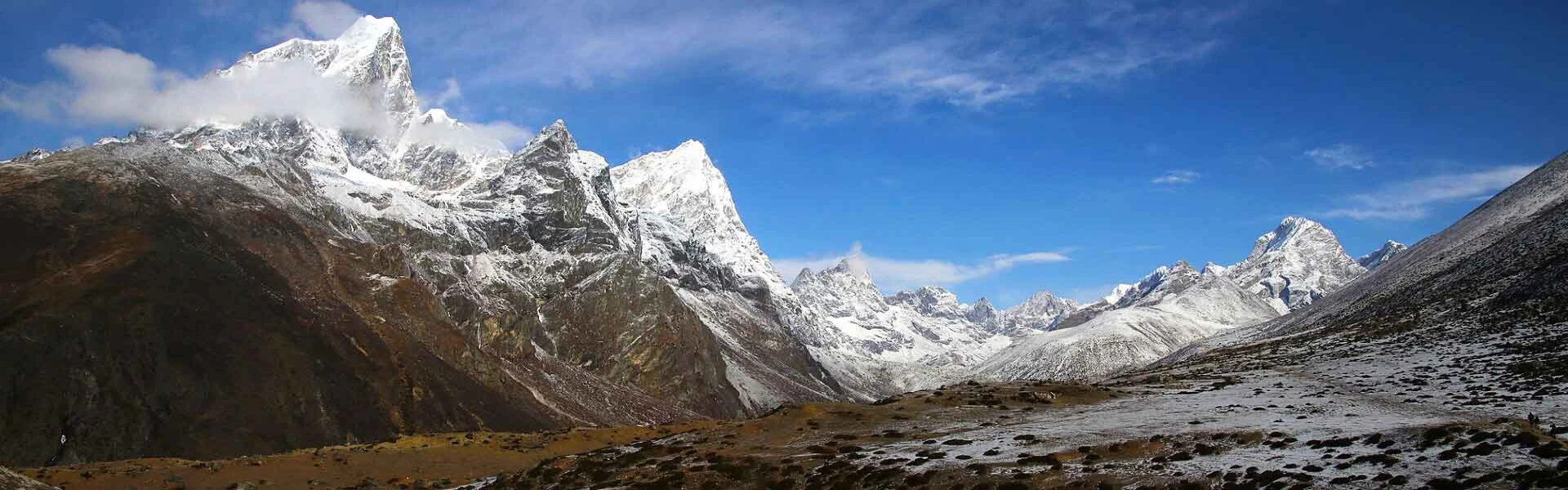
The 7-day short Everest Base Camp trek is designed for travelers who want to experience the legendary Khumbu region but have limited time. Unlike the traditional 14 day Everest itinerary, this short itinerary focuses on covering the essential highlights without compromising the core adventure. The journey usually begins with a thrilling flight to Lukla, followed by a rapid ascent through iconic Sherpa villages such as Phakding, Namche Bazaar, Tengboche, Dingboche, and Lobuche before reaching Gorakshep and finally Everest Base Camp. Even with its faster pace, trekkers are still rewarded with dramatic views of Himalayan giants like Ama Dablam, Lhotse, and Nuptse, making the Everest Base Camp short trek just as visually powerful as the longer version.

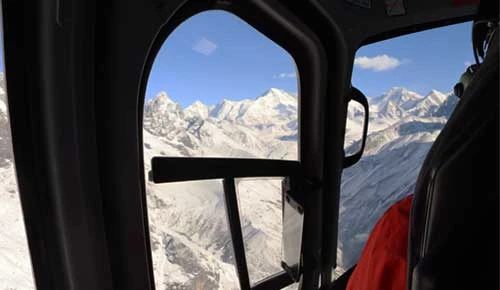
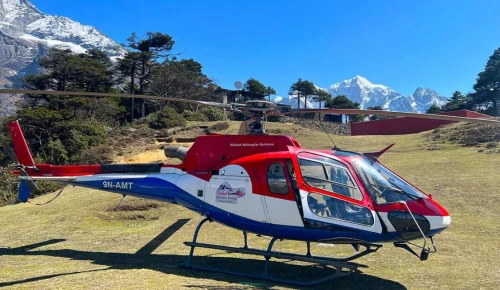
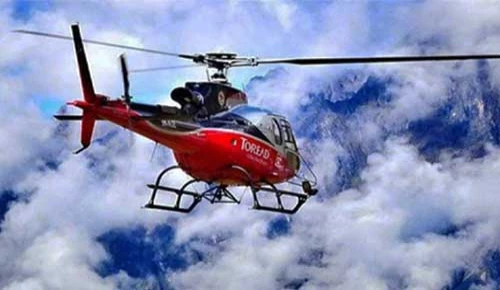
A major highlight of the short EBC trek with helicopter return is the use of air travel to save time and reduce physical strain. After reaching Everest Base Camp and often hiking to Kala Patthar for sunrise views of Mount Everest, trekkers return by helicopter instead of retracing the long descent on foot. This aerial journey offers a spectacular bird’s-eye view of glaciers, icefalls, and deep Himalayan valleys, turning the return into an unforgettable sightseeing experience. For travelers choosing reliable operators like NTA, the helicopter logistics, safety coordination, and timing are carefully managed, ensuring a smooth and comfortable transition from rugged trails to city life.
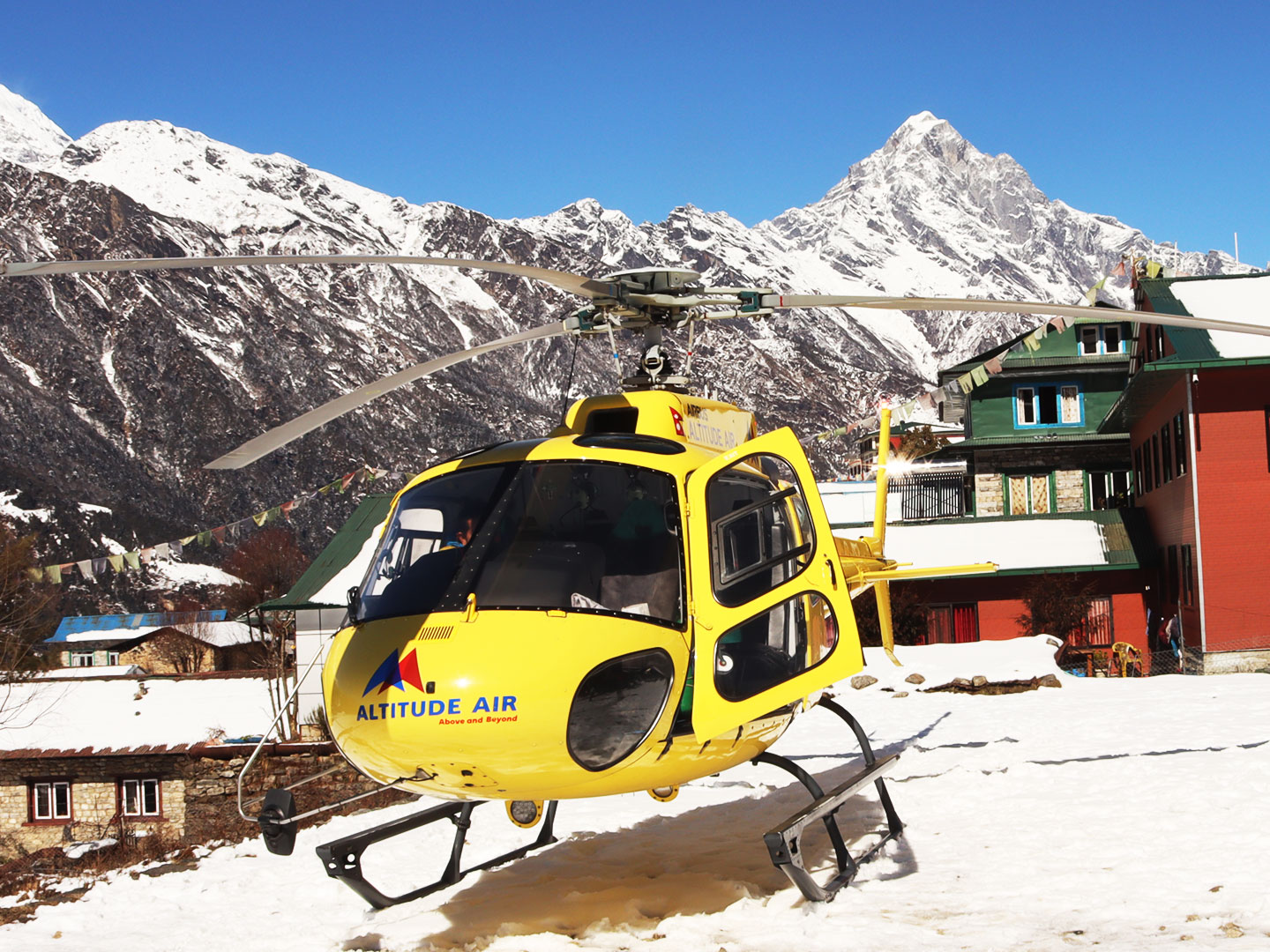
Because of its short schedule, this Everest Base Camp short trek does not include traditional acclimatization rest days. Instead, altitude adaptation is handled through controlled pacing, hydration, and constant health monitoring by experienced mountain guides. The focus is on efficiency rather than exploration, which means fewer side hikes and shorter village stays. However, the heart of the Everest region and its dramatic landscapes, prayer-flag-lined trails, and resilient Sherpa culture remains fully present. For trekkers seeking a time-efficient yet authentic Himalayan experience, this short EBC itinerary delivers the essence of Everest in just one powerful week.
What Changes in an Everest Base Camp Short Trek
A short Everest Base Camp trek is built around speed and efficiency, which naturally brings several changes compared to the classic itinerary. While the destination and terrain remain the same, the experience is more intense due to the compressed schedule. Trekkers must adapt quickly to altitude, manage energy carefully, and rely heavily on professional guidance. These changes make the itinerary ideal for fit, well-prepared travelers who prioritize time over slow-paced exploration.
Key changes in a short EBC trek include:
- Fewer acclimatization days, requiring careful pacing and strong physical readiness
- Longer daily trekking hours to cover more distance in less time
- Faster altitude gain, increasing the need for strict hydration and awareness
- Limited village exploration, with shorter stops in places like Namche and Dingboche
- Reduced cultural immersion, as side trips and rest-day activities are minimized
- Helicopter return from Gorakshep or nearby areas, replacing the multi-day descent
- Higher physical and mental demand, especially above 4,000 meters
- Greater dependence on experienced guides, particularly for health monitoring and logistics

What Stays the Same on a Short EBC Trek
Even though the timeline is shortned, the heart of the Everest journey remains unchanged. A short Everest Base Camp trek still delivers the same legendary landscapes, emotional milestones, and sense of achievement as the classic route. While trekkers move faster and skip extra rest days, the core elements that make the EBC trek iconic, its scenery, culture, and challenge are fully preserved. This is why many travelers choose a short EBC itinerary: it saves time without sacrificing the true Everest experience.
What remains the same in a short EBC trek:
- Reaching the actual Everest Base Camp, standing at the foot of the world’s highest mountain
- Breathtaking Himalayan scenery, including views of Everest, Lhotse, Nuptse, and Ama Dablam
- The Kala Patthar sunrise hike, offering the best close-up views of Mount Everest
- The classic Khumbu trail, passing through famous villages like Namche Bazaar and Tengboche
- Authentic Sherpa culture, prayer flags, mani stones, monasteries, and mountain hospitality
- Challenging high-altitude terrain, testing both physical strength and mental endurance
- The sense of accomplishment, which remains just as powerful as on a longer trek
The adventure spirit, from suspension bridges to glacial valleys and alpine landscapes
Tips for a Safe and Enjoyable Everest Base Camp Short Trek
A short EBC trek moves rapidly, so preparation and planning is even more important than with a more standard itinerary. It will make you stay safe, comfortable, and enjoy the adventure to the greatest extent by keeping these tips in mind:
- Train your body in advance with cardio, stair climbing, and long walks to prepare for longer trekking days.
- Stay well-hydrated by drinking water frequently, even if you don’t feel thirsty.
- Walk at a slow, steady pace to help your body adapt to rapid altitude gain.
- Avoid alcohol and smoking during the trek, as they increase the risk of altitude sickness.
- Eat light but energy-rich meals, such as dal bhat, soups, noodles, and porridge.
- Pack light but smart, focusing on warm layers, a good down jacket, and proper trekking shoes.
- Listen to your body and never ignore symptoms like headache, dizziness, nausea, or extreme fatigue.
- Sleep well and rest whenever possible, even if the schedule is tight.
- Trust experienced guides and trekking staff, especially for altitude monitoring and route decisions.
- Use trekking poles to reduce pressure on your knees during steep ascents.
- Keep emergency funds and travel insurance that covers helicopter evacuation.
- Mentally prepare for changing weather, flight delays, and trail conditions.
By preparing properly, pacing yourself, and trusting your guides, a short trek to Everest can be both safe and incredibly rewarding.
Why Book Your Everest Base Camp Short Trek with NTA
In the case of a short trek to Everest Base Camp, each decision matters. The itinerary is compressed, the days are long and altitude may present even the most equipped trekkers with a challenge. Choosing the right operator isn’t just about convenience, it can make the difference between a pleasant and comfortable journey and a stressful experience. NTA stands out as a trusted partner for these reasons:
Experienced local guides with in-depth knowledge
The guides of NTA are not just familiar with the trails; they understand how altitude affects the body and how to pace a short trek safely. They offer advice on how and when to take a rest, the pace to keep, and how to observe any signs of altitude sickness, ensuring you stay healthy throughout the journey.
Reliable helicopter logistics and seamless coordination
The helicopter return from Gorakshep is one of the biggest advantages of a short EBC trek. In the high Himalayas, it requires experience and timing to coordinate a helicopter. NTA handles all logistics, including weather checks to flight schedules, so you don’t have to worry about delays and complications.
Personalized pacing and safety focus
Every day matters on a short-distance trek. NTA makes the trek as challenging as the group’s abilities, helping you manage energy levels while still reaching all the essential highlights. Their focus on safety and comfort guarantees that you can have the adventure without pushing beyond your limits.
Trusted local support and reputation
NTA has years of experience operating in the Khumbu region. The result means reliable teahouse arrangements, local knowledge and on-ground support at each stage of the trek. Their reputation among locals and trekkers alike gives you a calm mind.
As NTA takes care of permits, flights, guides, and the helicopter return, trekkers can focus entirely on the experience, walking the trails, savouring the views and feeling the sense of accomplishment of reaching Everest Base Camp. The support, planning, and experience of NTA allow a short trek to feel just as rewarding and unforgettable as the longer, traditional route.
Conclusion: Is a Short Everest Base Camp Trek Worth It?
It is all about smart trade-offs on a short Everest Base Camp trek. While you won’t have additional rest days or long stays in the villages along the journey, you still get to experience everything that makes Everest unforgettable: the mountains that are a high-altitude challenge and the sense of achievement that comes with reaching the world’s highest peak.
This expedition is a great adventure that offers Everest in its most pristine form: intense, efficient and deeply rewarding to the travellers who are limited on time but eager for adventure-seeking. The journey becomes not only shorter but also smarter with the professional guidance of NTA and the comfort of a helicopter return. Every step, every sightseeing, and every experience is fully exploited, and you can make the most of your time in the Khumbu region.
Discover the 7-Day Everest Base Camp Short Trek with NTA and experience the magic of Everest without needing weeks to do it.
Anjila Bhujel
Drop us a message