Helambu Travel Guide
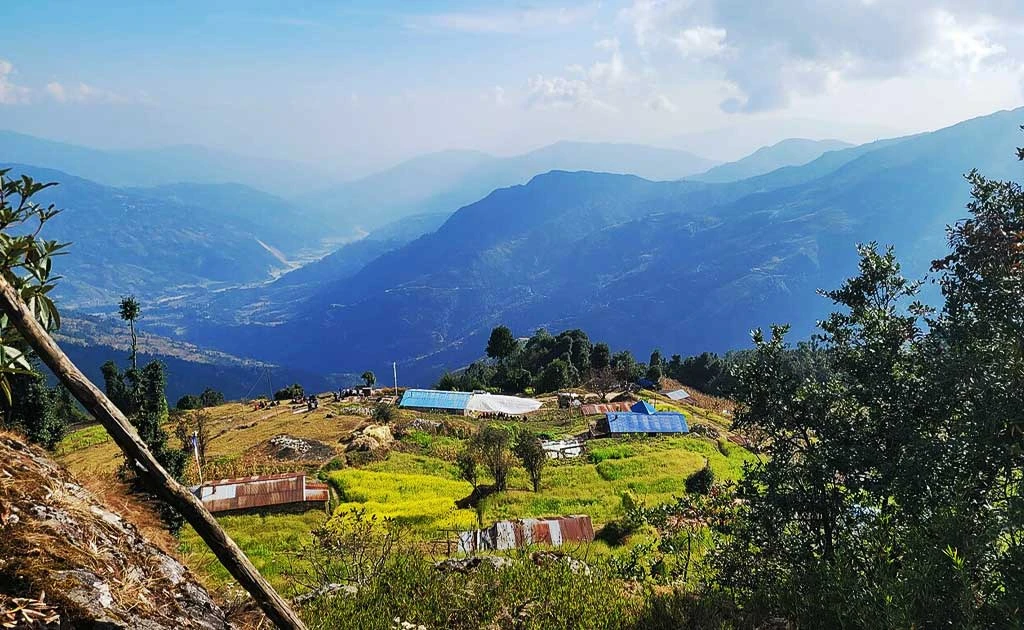
Helambu is one of the closest trekking regions in Nepal to Kathmandu. It’s silent and peaceful here, despite a significant 30km distance from the capital, with intersecting paths through lush slopes, dense forests and charming villages. Helambu Compared to the busier trekking routes, Helambu attracts a fraction of the trekkers; this is ideal for anyone who wants a less crowded trip to the Himalayas.
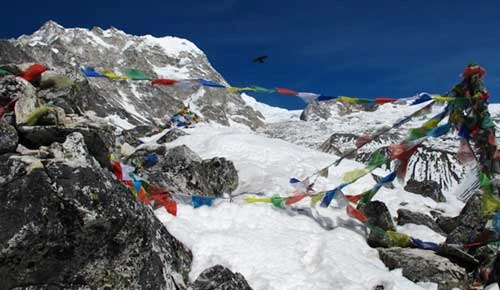
The valley is culturally prosperous too, as the natives of this place are 'Yolmo,' and their culture has the influence of Tibetan Buddhism. During the hike, one can come across ancient monasteries and a set of prayer flags fluttering in the wind, and as the locals are, they are incredibly welcoming, and you’ll be in for a warm and lovely welcome. More than just the scenery and the mountains, this cultural immersion really adds a novel level of depth to your trekking.
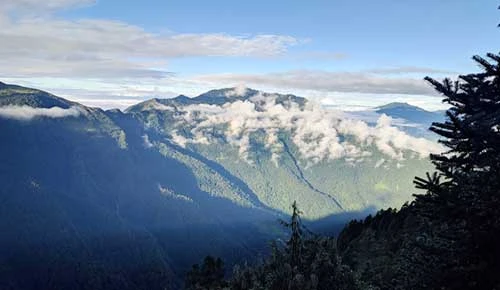
The splendors of nature will satiate nature lovers, and we do not need to ascend to ridiculous heights! The vibrant border views and the stunning view of the snow-capped Langtang Lirung, Dorje Lakpa, and Ganesh Himal, all capped with blooming rhododendron forests and terraced fields, are part of the trek’s boon. With its easy accessibility, cultural variety, and attractive natural surroundings, nowhere else can the trekkers really explore the region in peace and comfort. The beautiful Helumbu Valley is still the best trekking area for those who are extremely inexperienced trekkers because of the hiking routes, splendid landscapes, and serene north-facing slopes of Lauribina Pass. The spectacular Helambu Valley continues to be one of the best trekking areas for novices and experts alike.
Best season for Healambu Valley
Spring (March to May)
The Helambu region is usually considered excellent for treks in spring. When winter ends, the area has many colors, as rhododendrons color the forests red, pink, and white. Temperatures are comfortable, with daytime highs from 10°C to 20°C. Nights are cool. The trails are generally dry and easy to use, which offers good footing for trekkers. Clear skies are common, which provide views of the Langtang and also the Dorje Lakpa ranges. This season is excellent for photographers and for nature lovers, in addition to for those who want to see the forests begin to grow after winter.
Summer and Monsoon (June to August)
The summer months usher in the monsoon season, bringing heavy rainfall, humidity, and dramatic changes to the trail and scenery. Daytime temperatures rise to between 18°C and 25°C, and the nights are warm and damp. The rain transforms the Helambu landscape into a lush jungle. This breathtaking wetness appeals to trekkers who love botany or those who enjoy being close to nature, especially since the number of visitors decreases significantly.
Autumn (September to November)
Autumn is the most popular and perhaps the best season to trek Helambu. After the monsoon rains, the air clears completely, revealing sharp, breathtaking views of the Himalayas. Temperatures during the day are comfortably cool, ranging from 10°C to 18°C, while nights grow colder as the season progresses. This year's season brings dry and stable weather conditions and firm, dry trails, making it perfect for trekking. Forests shimmer golden while snow-tipped mountain peaks show.
Winter (December to February)
Winter in Helambu is for those who seek peaceful solitude and stunning clear mountain vistas, coupled with a chill in the air. Daytime temperatures range from 5°C to 10°C in the lower areas, but nights can dip well below freezing, especially near high passes like Tharepati. Snowfall is common at higher elevations, blanketing the ridges and villages with snow. Cold weather has its own charm, bringing calm trails with only a few trekkers and villages wrapped in silence.
How to reach Helambu Valley
Starting Point – Sundarijal:
The most popular entry to Helambu Valley is just about an hour’s drive northeast of Kathmandu. The trail here begins inside Shivapuri National Park and passes through forests, waterfalls, and traditional villages.
Alternative Starting Points:
Treks can also begin from Melamchi Pul Bazaar (4–5 hours by road), Chisapani, or Panchkhal, depending on your chosen route and trek duration.
Transport Options:
Local buses are the cheapest way to reach these starting points but can be crowded and slow. Hiring a private jeep offers a faster, more comfortable option.
Permits Required:
Since Helambu lies within Langtang National Park, trekkers need a Langtang National Park Permit and a TIMS card (Trekkers’ Information Management System), both of which can be arranged in Kathmandu.
Food and Accommodation in Helambu
For several years the treks to Helambu Valley have been successful due to an excellent network of teahouses and lodges which offer food and hospitality. In most cases, the residential places are just basic and are made up of simple wooden rooms, twin beds, and communal bathrooms. Despite the fact that they are not as comfortable as those in the Annapurna or Everest regions in terms of comfort, they are still decent enough to meet the needs of the trekkers who prefer a more genuine village stay. Practically all eating places are intimate, where campers gather around the lighted stoves, creating a friendly and communal atmosphere.
The place to eat while trekking Helambu is decided by the type of food you want to eat, but you can find almost all the delicacies served in Nepal (fried rice, noodles, Tibetan bread, momos, soups, and mostly traditional Nepali food, including dal bhat (rice, lentil soup, and vegetables)) available along the trek. A few teahouses also offer western food such as pasta, omelets, or pancakes. The food is cooked freshly, but the variety can go down in the more remote villages. Even though the food may look simple, it is energetic and ideal for replenishing your energy during the trek.
Villages have access to drinking water, and trekkers can either buy bottled water or fill up their bottles with boiled water or filtered water at teahouses. One should take purification tablets as a precaution. The food and stay in Helambu Valley are not the kind that can be labeled as luxurious but rather good and dependable, offering trekkers the real flavor of the rural Nepal side of hospitality.
Major Attractions in Helambu Valley
Tarkeghyang Village
The Tarkeghyang Village is a tiny, yet mesmerizing place, to say the least. The stone paths and the carved wooden windows really make you feel as if you have stepped into the past. As you walk along, you can see that the prayer flags are fluttering overhead and you can feel the cadence of everyday life—people doing their work, elders sitting outside, and kids having fun. It is tranquil but not devoid of life; there is life going on but at a slower pace. You also get the impression that the customs here have been quite stable over a long period of time, and the village is still true to itself; it doesn't look like it has been impacted by the large number of tourists.
Sermathang Village
Sermathang has a more spacious feel to it. The houses are spread out on the green hills, and the views of the valleys around make it a place people typically rest on the hike. The sun gradually lighting up the village and the faraway peaks makes the mornings very nice. Tiny noises—monastery bells ringing, footsteps on the trails, or kids laughing—merge with the wind and form a peaceful yet vibrant atmosphere. One would have the same experience of the area and the people, and both would still be remembered, the place being such.
Melamchi Bazaar
Melamchi Bazaar is the busiest town, which is the starting point for many treks. It’s busier, louder, and full of locals trading goods, children running around, and shops that sell everything from rice to mobile phones. For trekkers, it might not feel as “charming” as the villages higher up, but I like that it shows another side of life here. It’s real, it’s working, and after spending days in quiet trails, there’s almost comfort in that noise.
Hyolmo Monasteries
The Hyolmo monasteries scattered across the valley are where the mood shifts again. You walk inside the gates, and there’s this sudden hush, even if you were just talking moments ago. Incense drifts through the air, prayer wheels spin, and sometimes you catch a low hum of chanting. It makes you slow down without even trying.
Shivapuri National Park
Shivapuri National Park is really not far from Kathmandu, though it seems that you have to go for hours. When you enter its paths, the city noise is gone. Birds sing from the trees, the sound of your feet crushing dry leaves is heard, and for some time, you may even forget how close you are to the city. It is very green and thick, at times almost too silent, and if you are not attentive, you will end up stopping more than moving forward.
Rhododendron and pine forests
The rhododendron and pine forests… well, they’re different depending on the season. In spring, the slopes become flaming with red flowers—it’s as if the mountains were painted with the vibrant color of nature by someone during the night. During the rest of the year, the pine takes over, high and quiet, the smell more pronounced after a shower. It is amusing how one odor can make you more aware of the present time than the most enormous vista.
Panoramic views of Langtang Lirung
Speaking of views, Langtang Lirung steals the show. But then Dorje Lakpa catches the light differently, sharp and jagged, and further out Ganesh Himal glitters faintly. It’s overwhelming at times because your eyes want to take in everything at once. You stop for photos, but half the time the pictures never quite capture it. Seeing these beauties, you forget to walk and keep staring till someone reminds you to walk.
Dorje Lakpa and Ganesh Himal Peaks
Then come the views. Langtang Lirung standing tall in the distance, Dorje Lakpa’s sharp ridges, and if the sky is clear, Ganesh Himal shimmering further off. Sometimes you don’t even know where to look, each direction seems to compete for your attention.
Things to Do in Helambu
Trek through Scenic Trails
The paths of helambu are both easy to reach & nice to see. The tough ground is full of big green hills, lined farms, & thick woods of rhododendron, pine, & oak. They give those who walk a mix of sights as they move through this land that keeps on changing. The flat ground is good for new ones. Yet, the high spots & lookouts gift walkers with wide looks at the Langtang, Ganesh Himal, & Dorje Lakpa lines.
Visit Hyolmo Monasteries
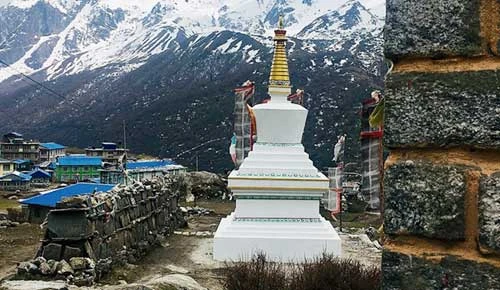
The valley can be characterized by its ancient monasteries that are the reflections of the deeply rooted Buddhist heritage of the Hyolmo people. They show the old roots of the Hyolmo faith. As folks walk by, they can see monks at prayer. They can view great wall art & shapes. They can learn from the calm life of monks. Most homes sit up on tall hills. They give not just heart lifts but also great views of the near lands.
Explore Unique Cultural
One of the highlights of Helambu is its colorful culture. Trekkers can easily experience the cultural openness of the Hyolmo families. They can even witness how these folk carry out their traditional farming practices, and surely, if they are lucky enough with their timing, they can join in the local festivals too. Such exploits as nature treks and village walks are also considered cultural experiences, which can provide information about the people's daily life, their beliefs, and their traditions.
Photography Opportunities
Helambu is a dream place for a photo fan. Each day, it shows lovely mornings, fog on fields, & bright flags that wave in the wind. Each turn gives a new view. The sunrise & sunset over the big hills are just amazing. Simultaneously, quick snapshots of people, monks, and children create a strong connection. This tie links your trip tales with all the beautiful connections.
Visit Waterfalls and Streams
There are lots of waterfalls, cool springs, and quick streams in the deep cut. They give rest spots on the long walk. The land by them is wonderful to rest, think, or have a lunch out. Some other falls form streams & drop over rocks full of moss. They provide beautiful pictures and a gentle sound of nature.
Bird Watching and Nature Walk
Helambu forests are various life forms. Birdwatchers are able to witness the beautiful Himalayan monals, cuckoos, and pheasants they have never seen before. Also, doctors of plants or nature lovers can find wildflowers, medicinal herbs, and some special tree species that they were not aware of. Walking through the forests, guided or undisputed, the trekkers get the opportunity to spot the animals, listen to the silence of the other mountains, and enjoy the peace completely.
5 Days Helambu Trek Package provided by NTA
The 5-day Helamby Trek Package by NTA is perfect for trekkers looking for a short yet fulfilling Himalayan experience. The trek begins with a drive from Kathmandu to Sundarijal, followed by scenic walks through Shivapuri National Park. You will pass through lush forests, traditional Hyolmo villages like Tarkeghyang and Sermathang, and terraced farmlands. The route offers panoramic views of snow-capped peaks such as Langtang Lirung, Dorje Lakpa, and Ganesh Himal.
Final Words
The best-kept secret of Nepal, the Helambu Valley is a spot that has a great mix of close vibes, rich ways, & mild walks. It lets you trek through red-tree woods, step fields, big prey homes & small towns, & join in with town fun. Each step is a new thrill. The valley is a dream spot to break free & take some time to rest & look around due to green things, clean towns, warm folks, & a big view of the big hills. It is the right pick when folks who love thrills can't wait or need a slow start to climb in the big hills.
Plan Your Trek with Us
Nepal Trek Adventures believes in journeys that are found beyond the map. Our expert local guides, well-run logistics, and dedication to responsible travel guarantee your Helambu experience is not just hassle-free but may also be deeply rewarding.