Trekking with Local Guides vs Solo Trekking: Which Option is Best for You?
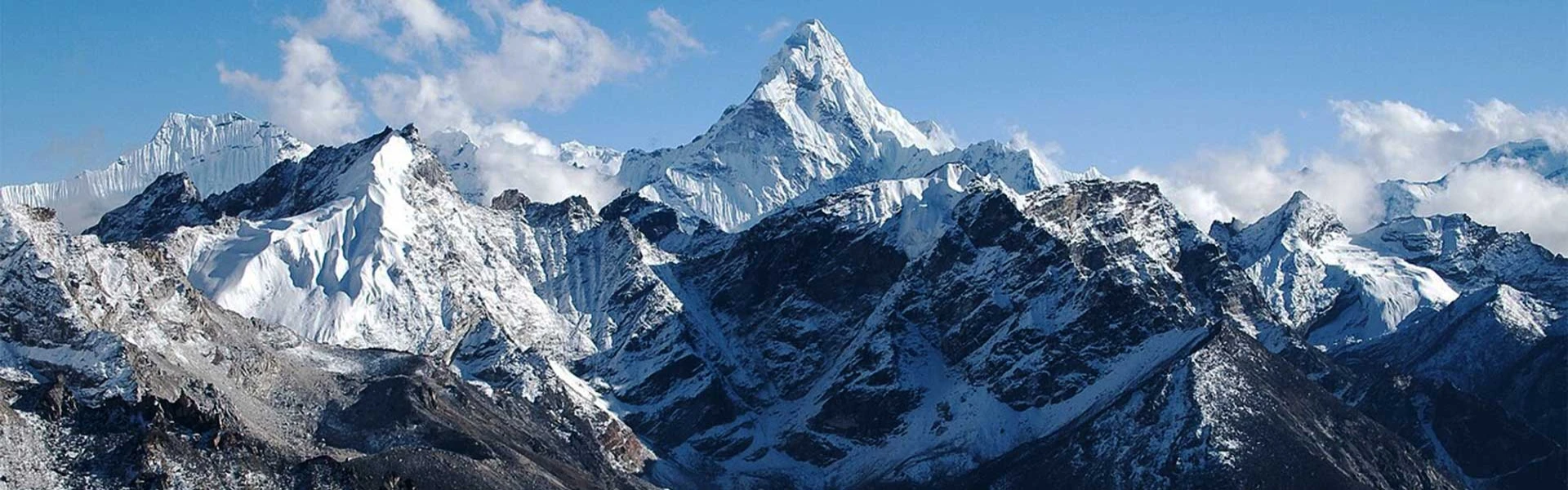
Nepal is a dream destination for trekkers from around the world. From the towering peaks of the Himalayas to the lush green hills of the mid-hills, the country offers trekking experiences for every level of adventurer. Popular regions like the Everest region, Annapurna Circuit, Langtang Valley, and Mustang attract thousands of trekkers each year. Lesser-known trails in Helambu, Manaslu, and Ghorepani-Poon Hill also provide unique opportunities to explore traditional villages, stunning landscapes, and breathtaking mountain views. Whether you are seeking a challenging high-altitude trek or a peaceful hike through scenic valleys, trekking in Nepal promises unforgettable experiences and cultural encounters.

Trekking in Nepal can be approached in different ways, depending on your experience, comfort level, and adventure goals. Some travelers prefer trekking with local guides, who provide expert knowledge about trails, culture, and safety, while others enjoy the freedom and challenge of solo trekking in Nepal, exploring at their own pace and creating personal adventures. Choosing between guided and solo trekking is an important decision, as it affects not only your safety and convenience but also the depth of your cultural experience and interaction with local communities. In this guide, we will compare trekking with local guides vs solo trekking, helping you understand the benefits, challenges, and suitability of each option so you can plan your ideal Nepal trekking adventure.
Table of Contents
![Annapurna Circuit Trek - 16 Days Annapurna Circuit Trekking]() Trending Trek
Trending Trek![Langtang Valley Trek | Langtang Trek]() Best Seller
Best Seller![Everest base camp trek 14 days itinerary]() Traveler's Choice
Traveler's Choice


Understanding Trekking with Local Guides
Trekking with local guides in Nepal is an experience that goes beyond just walking the trails. Local guides are experts who know the mountains, villages, and hidden paths like the back of their hand, making your trek smoother and safer. They help with navigation, manage permits, and handle unexpected challenges such as sudden weather changes or altitude sickness. Trekking with local guides also gives you the unique opportunity to learn about the local culture, traditions, and lifestyle from someone who has lived in these regions all their life. Whether you are on a popular route like Everest Base Camp or exploring less-traveled trails, having a guide ensures a stress-free and enjoyable trekking experience.
Besides safety and navigation, trekking with local guides in Nepal adds a personal touch to your adventure. Guides share fascinating stories about local myths, monasteries, and festivals, giving you a deeper understanding of the places you visit. They can also assist with accommodations, meals, and interactions with locals, which can be challenging for first-time trekkers. This makes trekking with local guides an excellent choice for anyone seeking a balanced adventure that combines stunning Himalayan landscapes with cultural immersion. For those who value convenience, safety, and meaningful experiences, trekking with local guides in Nepal is truly the best way to explore the mountains.

Understanding Solo Trekking
Understanding Solo Trekking means setting out on a trek in Nepal completely on your own, without the support of a guide or group. Solo trekking in Nepal gives you the freedom to plan your route, choose your pace, and spend as much time as you want at scenic spots or villages along the way. Many travelers enjoy solo trekking because it allows for a more personal connection with nature, uninterrupted reflection, and the chance to truly immerse themselves in the Himalayan landscapes. Whether you’re hiking the Everest region, Annapurna Circuit, or lesser-known trails, independent trekking in Nepal provides a unique sense of adventure that guided treks may not offer.
However, solo trekking also comes with challenges. Navigating trails, managing accommodations, and ensuring safety in high-altitude or remote areas are entirely your responsibility. Independent trekking in Nepal requires good planning, basic map-reading skills, and awareness of potential risks like sudden weather changes or altitude sickness. Despite these challenges, many trekkers find solo trekking rewarding because it builds confidence, self-reliance, and a deep appreciation for Nepal’s natural beauty. With proper preparation, solo trekking in Nepal can be an unforgettable adventure full of freedom, exploration, and personal growth.
Key Differences Between Trekking with Local Guides and Solo Trekking
When planning a trekking adventure in Nepal, one of the first decisions you need to make is whether to trek with a local guide or go solo. Each approach has unique benefits and challenges. Trekking with local guides offers safety, expert knowledge of trails, and rich cultural insights, while solo trekking provides freedom, flexibility, and a chance for personal growth. Understanding the key differences can help you choose the best style for your experience, skill level, and adventure goals.
Feature / Factor | Trekking with Local Guides | Solo Trekking |
Navigation & Trail Knowledge | Guides have extensive knowledge of trails, shortcuts, and weather patterns. | Trekkers rely on maps, GPS, and personal research; higher chance of getting lost. |
Safety & Emergency Support | Guides handle emergencies, altitude sickness, and unforeseen situations. | Trekkers are fully responsible for their own safety and emergencies. |
Cultural Insights | Provides in-depth understanding of local traditions, culture, and language. | Limited cultural learning unless independently researched; may miss local nuances. |
Social Interaction | Opportunity to meet guides, porters, and other trekkers. | Solitude and self-reflection; limited social interaction. |
Cost | Higher cost due to guide fees, sometimes including porter support. | Lower cost, but expenses for extra preparation and emergency equipment may be higher. |
Flexibility & Pace | Structured itinerary; pace depends on group or guide plan. | Full freedom to choose routes, rest days, and pace. |
Logistics & Planning | Guides handle permits, accommodation, and meals efficiently. | Trekkers must plan permits, lodging, and food independently. |
Physical & Mental Challenge | Less physically and mentally demanding due to guide support. | Greater personal challenge and self-reliance; more rewarding for confident trekkers. |
Environmental Impact | Guides help reduce environmental harm by following local rules and responsible trekking practices. | Trekkers may unintentionally harm trails or local ecosystems without proper knowledge. |
First-Time Trekker Friendliness | Highly recommended for beginners and high-altitude treks. | Suitable for experienced trekkers who are confident in remote areas. |
Language & Communication | Guides assist in overcoming language barriers with locals. | Trekkers may face challenges communicating with locals in remote regions. |
Adaptability to Unforeseen Events | Guides can quickly adjust plans for weather, roadblocks, or closures. | Trekkers must adapt themselves; may face delays or require emergency evacuation. |
Who Should Choose Trekking with Local Guides?
Trekking with local guides in Nepal offers expertise, safety, and cultural insights that can transform your adventure. While it may cost more than solo trekking, it’s ideal for certain types of trekkers who value support, guidance, and a richer experience.
Ideal for:
- First-time trekkers – Those new to trekking in Nepal can benefit from guidance on trails, altitude, and safety.
- High-altitude trekking enthusiasts – Treks like Everest Base Camp or Annapurna Circuit require acclimatization knowledge and support.
- Cultural explorers – Guides provide insights into local traditions, monasteries, and villages.
- Safety-conscious travelers – Immediate assistance in emergencies, medical situations, or unexpected weather changes.
- Group travelers or families – Easier coordination and organization during the trek.
- Those with limited trekking knowledge – Navigating trails, permits, and local rules can be challenging alone.
- Photographers or nature enthusiasts – Guides know the best scenic spots and wildlife viewing areas.
- Time-sensitive trekkers – Structured itineraries help complete the trek efficiently without missing highlights.
Who Should Consider Solo Trekking?
Solo trekking in Nepal is perfect for travelers seeking independence, self-discovery, and a personalized pace. While it comes with more responsibility, it allows for flexibility, adventure, and unique experiences away from crowds.
Ideal for:
- Experienced trekkers – Those familiar with trails, navigation, and trekking safety can enjoy solo adventures.
- Adventure seekers – Individuals who enjoy off-the-beaten-path routes and spontaneous exploration.
- Solitude lovers – People who prefer quiet, introspection, and minimal group interaction.
- Flexible travelers – Those who want to control their itinerary, pace, and rest stops.
- Budget-conscious trekkers – Solo trekking can be cheaper without guide fees.
- Nature enthusiasts and photographers – Freedom to spend more time in scenic spots or wildlife areas.
- Fitness-focused travelers – Trek at your own pace, challenge yourself physically, and set personal goals.
- Self-reliant individuals – Those comfortable managing permits, maps, accommodation, and emergencies independently.
Tips for Making the Right Choice
Choosing between trekking with local guides and solo trekking depends on your experience, goals, and comfort level. Evaluating key factors like safety, budget, and cultural interest can help you select the best trekking style for your Nepal adventure.
Tips:
- Assess your trekking experience and fitness level before deciding.
- Consider the difficulty and altitude of the trek.
- Evaluate your comfort with navigating trails and handling logistics alone.
- Decide how much you value cultural insights and local knowledge.
- Factor in safety concerns, especially in remote or high-altitude areas.
- Compare costs of guided trekking vs solo trekking, including permits and accommodations.
- Determine your preferred pace and flexibility for the trek.
- Consider traveling with friends, family, or solo.
- Research the availability of guides and local support on your chosen route.
- Think about your personal goals: adventure, photography, self-discovery, or cultural immersion.
Conclusion
Both trekking with local guides and solo trekking offer unique experiences in Nepal. Guided treks provide safety, local knowledge, and cultural insights, making them perfect for first-time trekkers, families, or those seeking a structured adventure. On the other hand, solo trekking gives freedom, flexibility, and personal challenge, ideal for experienced travelers and those craving solitude.
Whatever your choice, Nepal’s breathtaking landscapes, Himalayan trails, and rich culture promise an unforgettable adventure.
Ready to start your Nepal trekking journey? Explore our expert-guided trekking packages or plan your solo adventure with all the support and information you need. Book your trek today and experience the Himalayas like never before!

Manju Mahato
Drop us a message