Drakmar Village Travel Guide
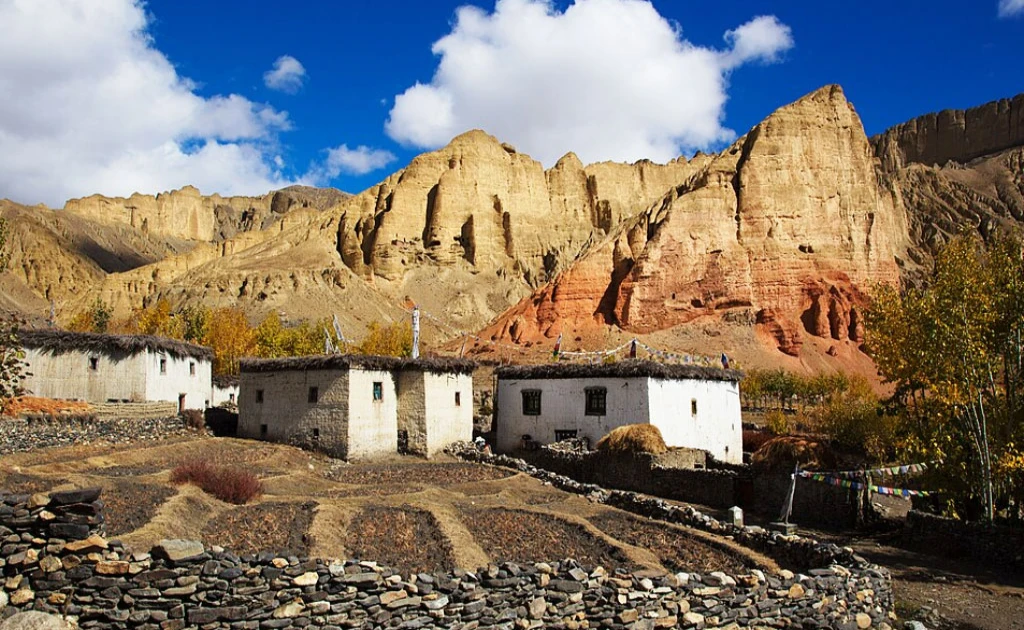
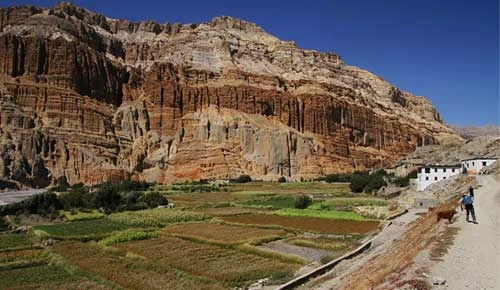
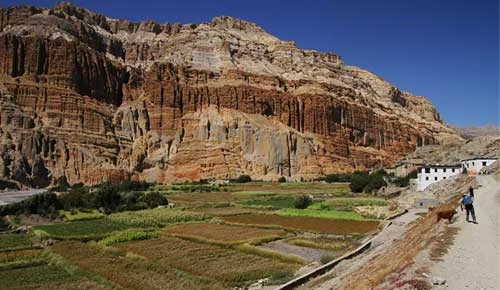
Drakmar is a small and quiet village in Upper Mustang. It is famous for its red cliffs and strong Tibetan culture. The name Drakmar means “Red Cliffs,” which describes the colourful rocks around the village. The cliffs give the place a unique and almost magical look. Drakmar is located between Charang and Ghiling on the Upper Mustang trekking route. The village feels remote and unchanged by modern life. Stone houses, prayer flags, chortens, and mani walls show its deep Buddhist traditions. Life here is slow, shaped by farming, animal herding, and the harsh climate.
For travellers, Drakmar offers a peaceful and real experience of the old Kingdom of Lo. The dry land, wide skies, and red cliffs make amazing views, especially at sunrise and sunset. Visitors stay in simple teahouses or homestays, where they can enjoy warm meals and friendly hospitality after long days of trekking.
Upper Mustang is a restricted area, so visitors need special permits and a licensed guide. This helps protect the culture and nature of the region. Even though Drakmar is small, its beauty, calm atmosphere, and traditional way of life make it a special stop on any Upper Mustang trip.
Why Visit Drakmar?
Drakmar is perfect for travelers who want peace and quiet, away from crowds. Surrounded by red cliffs and wide open skies, the village feels timeless. The soft sounds of wind and fluttering prayer flags make it a calm place to relax and enjoy nature. Walking through Drakmar, you see simple stone houses, old trails, and views that feel untouched by modern life.
What makes Drakmar special is its real, traditional way of life. People here follow Tibetan Buddhist customs and the rhythm of the seasons. Staying in the village gives visitors a rare chance to see life in one of Nepal’s most remote areas. Even though it is small, Drakmar is full of beauty, calm, and traditional Mustang culture, making it a memorable stop on any Upper Mustang trek.
Location & Accessibility
Drakmar can only be reached by trekking, which makes the village feel remote and adventurous. It is located on a less-travelled part of the Upper Mustang route, connected by old footpaths used by locals and traders for hundreds of years. Walking to Drakmar lets travellers slowly see the changing landscape of dry riverbeds, cliffs shaped by the wind, and wide valleys that show the raw beauty of Mustang’s high desert. The journey is peaceful and immersive, far from roads and modern transport.
Drakmar is in Nepal’s restricted Upper Mustang area, so access is carefully controlled. Travellers need special permits and must be with a licensed guide from a registered trekking agency. These rules help protect the environment and preserve the village’s culture. While it takes extra planning, it also makes the trip safer, more responsible, and meaningful, letting visitors enjoy Drakmar respectfully and fully.
Landscape & Natural Beauty
Drakmar’s landscape is defined by its striking red, brown, and orange cliffs, which give the village its name and unforgettable character. These dramatic rock formations have been shaped by wind and erosion over thousands of years, creating layered textures and bold natural patterns. The terrain is dry and rugged, clearly reflecting the high-altitude desert environment of Upper Mustang. With very little vegetation and wide-open skies, the area feels raw, vast, and deeply peaceful, offering a strong sense of isolation and connection to nature.
The beauty of Drakmar becomes especially vivid during sunrise and sunset. As the sun rises, the cliffs glow in deep reds and warm golden tones, while evenings slowly transform the landscape into softer shades as the light fades. Distant mountain views add depth and contrast to the arid surroundings, making every direction visually impressive. This constantly changing play of light and color makes Drakmar one of the most photogenic and visually captivating places in Upper Mustang, perfect for nature lovers and photographers alike.
Culture & Lifestyle
Life in Drakmar is deeply tied to traditions that have been passed down for generations. Most villagers follow Tibetan Buddhism, which shapes their daily routines, festivals, and way of life. Stone-and-mud houses are built close together to shelter against strong winds and cold weather. Colorful prayer flags flutter from rooftops, bridges, and hillsides, while chortens and mani walls with sacred carvings line the village paths, giving the place a quiet, spiritual feel.
Life in Drakmar is simple, calm, and closely connected to nature. Farming and animal herding are the main sources of income, with villagers growing barley and raising yaks, sheep, and goats. The day starts early and moves with the rhythm of the seasons rather than the clock. Visitors often notice the slow pace, the warm hospitality of the locals, and the strong sense of community, which all reflect the timeless culture of Upper Mustang.
Best Time to Visit
Spring, from March to May, is a very good time to visit Drakmar. The weather is nice, and the sky is usually clear. Temperatures are comfortable for walking and trekking, and the sunlight makes the landscape look bright and fresh. Spring is a good time to walk through villages, enjoy mountain views, and see local life without dealing with strong cold.
Autumn, from September to November, is another good season and the most popular time for trekking in Upper Mustang. The weather is steady, the air feels fresh, and the views of cliffs and distant mountains are clear. Days are warm enough for hiking, while nights are cool but not too cold. This season is also great for photography, as the dry land and colorful rocks look sharp and clear.
Summer and winter are less common times to visit, but it is still possible with proper preparation. Summer brings very little rain because Mustang is in a rain-shadow area, but strong winds and heat can make trekking tiring. Winter, from December to February, is very cold, with snow and strong winds, and many teahouses remain closed. For most travelers, spring and autumn are the easiest and most comfortable seasons to visit Drakmar.
Things to Do in Drakmar
- Take a slow walk through the village to see traditional Mustang houses and everyday village life.
- Follow narrow paths lined with mani walls, prayer flags, and stone homes.
- Photograph the well-known red cliffs and colourful rock formations around the village.
- Watch sunrise and sunset as the cliffs slowly change colour with the light.
- Visit nearby chortens and small Buddhist religious sites along village trails.
- Spend time in local monasteries to understand Tibetan Buddhist beliefs and daily rituals.
- Talk with villagers and learn about their simple life in the mountains.
- Enjoy quiet evenings in the calm village surroundings.
- Look at the clear night sky full of stars, made brighter by the lack of electric lights.
- Rest and relax after long days of trekking in the remote Himalayan area.
- Eat traditional local food and enjoy the kindness of families running small teahouses.
- Take a moment to slow down and enjoy the peaceful, spiritual feeling away from modern life.
How to Reach Drakmar Village?
By Flight
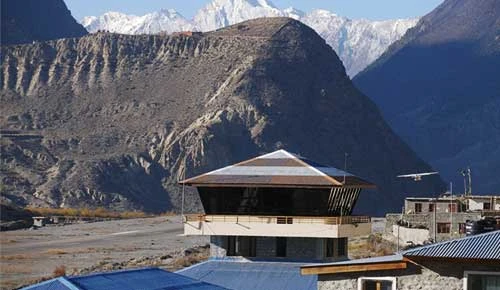
The fastest way to reach the Mustang region is by flight. Travelers first fly or drive from Kathmandu to Pokhara. From Pokhara, an early-morning mountain flight takes you to Jomsom, the main air gateway to Mustang. Flights are short but depend heavily on weather conditions. From Jomsom, the journey to Drakmar continues on foot or by vehicle on nearby sections of the route.
By Private Jeep
A private jeep can be used from Pokhara or Jomsom to travel deeper into the Mustang region along rough mountain roads. Jeeps usually pass through Kagbeni, Chele, Syangbochen, and Ghiling. While roads do not reach Drakmar directly, a jeep reduces walking time and brings you close to the village. From the nearest road point, a short hike is required to reach Drakmar.
By Trekking
Trekking is the most common and rewarding way to reach Drakmar. The trek usually starts from Jomsom and follows the classic Upper Mustang route through Kagbeni, Chele, Syangbochen, Ghiling, and Charang. Drakmar is reached while walking between Charang and Ghiling. Trekking allows travellers to fully experience the landscapes, culture, and gradual change of scenery that make Upper Mustang unique.
Food & Accommodation
Food and accommodation to stay in Drakmar are simple and traditional, made for trekkers. Most visitors stay in family-run teahouses or local homestays, where the atmosphere feels warm and friendly. The rooms are basic but clean, with simple beds, blankets, and very little furniture. Bathrooms are usually shared, and facilities are limited, which is normal for a village this remote.
Even though the accommodation is simple, the hospitality is kind and genuine. Hosts do their best to give guests a quiet and comfortable place to rest after long days of walking across the rough Mustang landscape. Nights can be very cold, especially at higher elevations, so extra blankets are often provided. Staying in a homestay also allows travelers to see daily village life and spend time with local Mustang families.
Meals in Drakmar are freshly cooked and nourishing. Common dishes include dal bhat, noodles, vegetable soup, Tibetan bread, tsampa, potatoes, and hot tea. The food is warm, filling, and prepared to help trekkers regain energy in the cold and dry climate. While the menu is limited, the meals are wholesome and satisfying, adding to the real and simple trekking experience.
Travel Tips for Drakmar
- Take enough cash with you because there are no banks or ATMs in Drakmar or nearby villages.
- Bring warm clothes, especially a good jacket, as nights can become very cold even during warmer months.
- Dress modestly and behave respectfully when visiting monasteries, chortens, prayer flags, and mani walls.
- Drink plenty of water during the day to stay hydrated in the dry, high-altitude weather.
- Walk at a slow, steady pace and give your body time to adjust to the altitude to avoid feeling unwell.
- Pay attention to your guide, as the weather and trail conditions in Mustang can change quickly.
- Carry basic personal items such as toiletries, medicines, and a flashlight since supplies are limited.
- Be ready for simple facilities and stay flexible Drakmar is about the experience, not comfort or luxury.
Conclusion
Drakmar is a quiet but special place in the Upper Mustang region, known for its strong mix of natural beauty and old traditions. Life here is simple, and the peaceful surroundings make it easy to slow down and enjoy the place. The kindness of local people and the calm atmosphere give travelers a real feeling of the Himalayas.
For people who walk away from crowded trails, Drakmar feels quiet and calm. There is no luxury here, just real village life, nature, and old traditions living side by side. Visiting Drakmar feels personal, and the memory stays with you even after the trek is over.