Chhusang Village Travel Guide
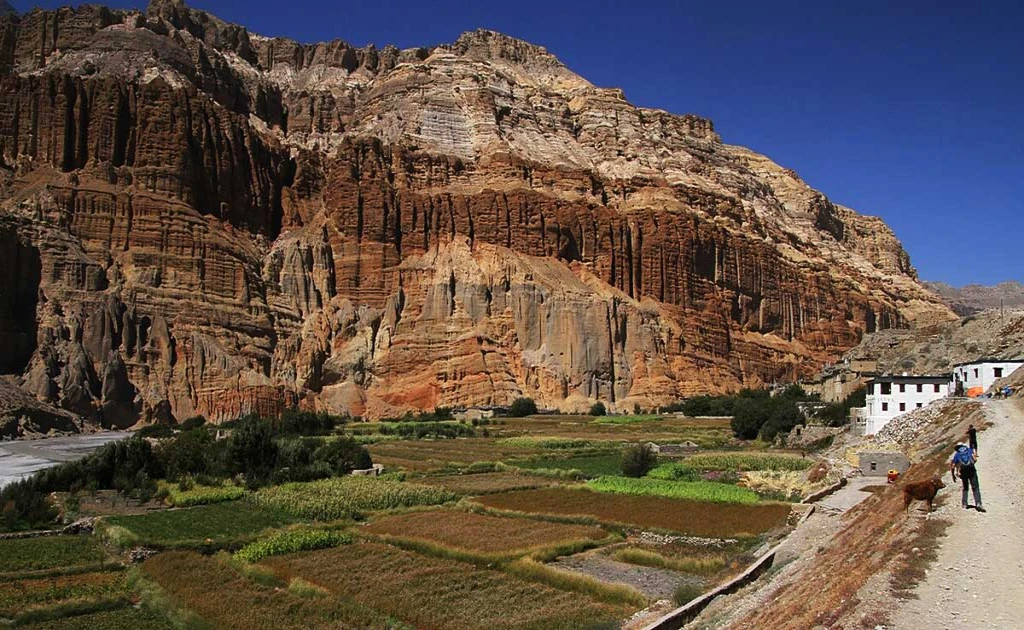
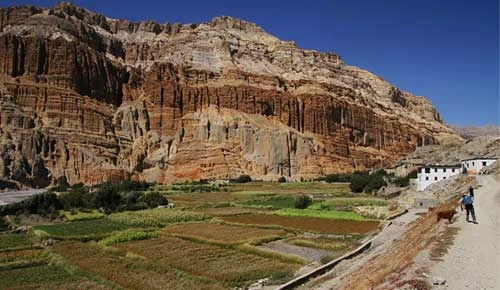
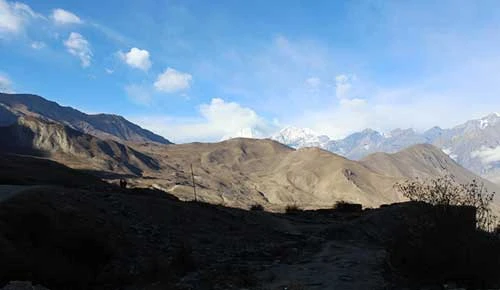
Chhusang is a quiet, little village in Lower Mustang, Nepal. It sits along the path to Upper Mustang, close to the Kali Gandaki River. Around Chhusang, the hills are dry and rough. The cliffs look red under the sun, and the wide valleys go on as far as you can see. The village feels quiet and untouched, very different from the busy tourist spots in Nepal.
Life here moves slowly. People live in old mud and stone houses and take care of their farms and animals. Barley fields move with the wind, colorful prayer flags wave from the rooftops, and old caves in the hills show how people survived long ago in this hard, windy land.
Chhusang is a common stop for trekkers and travelers heading toward Kagbeni or Upper Mustang, a small, peaceful place to pause and take in the real Himalayan life. It is also a peaceful place to rest and get used to the altitude. Small teahouses offer simple meals and basic lodging, giving visitors a chance to experience local hospitality.
For anyone who enjoys quiet villages, wide mountain landscapes, and local culture, Chhusang offers an authentic glimpse of Himalayan life. Its calm, rustic charm makes it a memorable and peaceful place to visit.
Where is Chhusang Located?
Chhusang is a tiny village tucked in Lower Mustang, about 16 kilometers north of Jomsom. If you’re heading toward Kagbeni or Upper Mustang, you’ll likely pass through it. The village sits close to the Kali Gandaki River, surrounded by dry hills and rocky land that stretches in every direction.
Life here is simple and slow. People live in old mud and stone houses, tending their farms and animals day by day. The village sits at around 2,980 meters, which makes it a handy place to rest, breathe in the fresh mountain air, and get used to the altitude before moving deeper into Mustang.
Why Visit Chhusang Village Mustang?
At first glance, Chhusang village may look simple, but it slowly grows on you. The village is surrounded by dry mountains and deep valleys, and wherever you look, there is a raw and beautiful landscape. Old mud-brick houses, narrow walking paths, and ancient caves carved into the hills show how people have lived and adapted to this tough land for generations. Since very few tourists stop here, the village feels quiet and untouched, making it a peaceful place to pause before continuing toward Upper Mustang.
Chhusang is not just about views; it is also about everyday village life. The local culture is strongly influenced by Tibetan traditions, and much of it remains the same as it was long ago. Visitors can watch daily routines, enjoy the silence, and feel the slow rhythm of life. For travelers who love nature, culture, and places away from crowds, Chhusang is a meaningful place to stop, explore, and enjoy the calm beauty of the Himalayas.
Things to See and Do in Chhusang
Explore the Ancient Caves
One thing that stands out in Chhusang village in Mustang is the old caves carved into the hills. Local people have used them for a long time to store food, keep animals safe, and sometimes even stay in for short periods. Walking around the area, you can easily see how people learned to live and survive in Mustang’s dry, windy, and rough climate. A few caves are still used today, while others quietly remind visitors of village life long ago. Exploring these caves gives a real sense of history and shows how people lived and survived in Chhusang.
Walk Along the Kali Gandaki River
The Kali Gandaki River flows right near Chhusang village and adds a calm feeling to the rocky hills around. Walking along its banks gives you great views of cliffs, hills, and the valley stretching out. Mornings and evenings are especially peaceful, with soft light on the water and prayer flags fluttering in the breeze. You can feel close to nature here, listening to the river and wind. It’s a perfect spot to rest, take pictures, or just sit quietly. Simple moments like these make visiting Chhusang really memorable.
Visit Local Homes and Fields
In Chhusang, you can go to people’s houses and walk in their fields. They grow barley, buckwheat, and apples. Animals walk around. You can watch them work and hear little stories. People are friendly and like to talk. Even small chats show how close they are. You can help a little or just walk around. Life here is simple, but people are strong and manage well in the mountains. You can see how people live, work, and survive in Mustang’s high, dry mountains. It feels real and quiet.
Photography
Chhusang village is a great place for taking photos. The red cliffs, old stone houses, narrow paths, and colorful prayer flags make nice pictures. The wide sky and big mountains are perfect for sunrise and sunset shots. Even simple photos of people walking in the fields or working give real, memorable moments. Photography here is not just about the views. It’s about showing life, culture, and the quiet feel of a village that feels old and calm. Every part of Chhusang has a story you can catch in a photo.
Culture and Lifestyle
In Chhusang, people follow Tibetan Buddhism. It is part of their daily life. You can see prayer flags on the hills, little chortens, and mani walls everywhere. Life here is very simple. People help each other. They live close to nature. They are friendly and like to talk, even if they don’t know English. You can watch them work. You can see them celebrate festivals or do chores every day. Life in the mountains is not easy. But people are strong and humble. Walking around the village, talking a little, and seeing how they live makes you feel their life and culture for real.
Food and Accommodation
Chhusang village in Mustang has basic but comfortable places to stay for travelers exploring Lower Mustang. Most are small teahouses or lodges run by local families. You shouldn’t expect luxury, but the rooms are usually clean, warm, and cozy. They give a good place to rest after a long day of walking or trekking. Staying in these teahouses also lets you see village life up close and meet the locals, which makes your visit feel more personal and real.
Meals in Chhusang are simple, homemade, and filling just right for hungry travelers. Common dishes include dal bhat (rice with lentils and vegetables), Tibetan bread, and thukpa, a hearty noodle soup. Tea and local snacks are served too, giving you energy for trekking or exploring the village.
Eating here is more than just food. Eating in a small teahouse lets you see how people cook, eat, and spend time together. There aren’t many choices, but the food is real, warm, and filling. It shows you a bit of life in Mustang and how simple and strong the people in the Chhusang are.
Best Time to Visit Chhusang Village Mustang
The best time to visit Chhusang village Mustang is during spring, from March to May. During these months, the weather is mild and the skies are usually clear, offering perfect conditions for trekking and exploring the village. The surrounding hills and valleys are more vibrant after the winter months, and the air feels fresh and crisp. Spring is also ideal for photography, as sunlight highlights the red cliffs, fields, and traditional mud-brick houses, making the village and its surroundings even more picturesque.
Another great time to visit is autumn, from September to November. During this period, the weather is stable, and the skies remain mostly clear, providing some of the best views of Mustang’s mountains and valleys. Trekkers often prefer this season because the trails are dry, the wind is manageable, and the temperatures are comfortable during the day. Autumn also brings calm evenings and golden sunlight, enhancing the village’s serene atmosphere and offering excellent opportunities to enjoy the quiet charm of Chhusang village Mustang.
Winter and monsoon seasons are less favorable for visiting. Winter can be extremely cold, especially at night, making trekking and outdoor activities challenging. The monsoon season brings strong winds, even though rainfall is relatively low compared to other regions of Nepal. Travelers during these periods need proper gear and preparation. For anyone seeking a comfortable and scenic experience, spring and autumn remain the ideal seasons to fully enjoy the landscapes, culture, and tranquility of Chhusang village Mustang.
How to Reach Chhusang
By Flight
The easiest way to reach Chhusang village Mustang is to fly to Jomsom from Pokhara or Kathmandu. Flights offer stunning aerial views of the Himalayas, valleys, and the Kali Gandaki River. From Jomsom Airport, travelers can take a short jeep ride or start trekking north toward Kagbeni. Flying saves time and is ideal for those with limited days in Mustang. Once at Jomsom, reaching Chhusang takes just a few hours by road or foot, making it a convenient first stop for exploring Lower Mustang.
By Private Jeep
If you like traveling by road, hiring a private jeep from Jomsom is a comfortable choice. The drive goes north along the Kali Gandaki River and is very pretty. You pass dry hills, small villages, and prayer flags waving in the wind. Chhusang village is between Jomsom and Kagbeni, so it takes only a few hours by jeep. Traveling this way gives you freedom to stop for photos, explore small villages, and enjoy the amazing landscapes of Lower Mustang without having to walk or trek.
By Trekking
Trekking to Chhusang village in Mustang is a popular choice for people who like adventure. Most treks start from Jomsom and go north toward Kagbeni and Upper Mustang. The path is not too hard and very pretty. You walk past rocky cliffs, red hills, and small villages. Walking here lets you see how people live, the nature around, and the local culture up close. Chhusang is often a place to stay overnight or take a break before going further to Upper Mustang. Trekking isn’t just a way to get there it’s a way to really feel and experience the region.
Travel Tips
- Carry enough cash: There are no ATMs in Chhusang. Bring Nepali rupees or Indian rupees for food, staying, and small things.
- Respect local culture: Follow traditions, dress modestly, and take off your shoes before going into homes or religious places.
- Respect religious spots: Don’t touch prayer flags, mani walls, or chortens. Walk clockwise around sacred areas.
- Drink lots of water: The air is dry and thin.
- Be ready for strong winds. Afternoons can be very windy. Wear a windproof jacket or layer your clothes.
- Walk slowly on uneven paths: Roads and trails can be rocky and steep.
- Carry snacks: Teahouses are limited, so bring energy bars or dry food.
- Protect yourself from the sun: The high altitude means strong sun. Wear sunscreen, a hat, and sunglasses.
- Plan for weak connectivity: Mobile networks and the internet can be bad or gone in many places.
- Respect villagers’ privacy: Always ask before taking photos of people or homes.
- Support local businesses: Eat at teahouses, buy small crafts, and tip when you can.
Available Packages
- Upper Mustang Trekking: This trek takes you deep into the remote areas of Upper Mustang. You walk through dry landscapes, old villages, and ancient monasteries. It’s a slow journey that lets you see local life, culture, and nature up close.
- Upper Mustang Tiji Festival Jeep Tour: This trip is for travelers who want to experience Upper Mustang without trekking. You travel by jeep and visit Lo Manthang during the Tiji Festival, where you can see colorful dances, rituals, and local celebrations.
Final Thoughts
Chhusang village in Mustang is not about fancy hotels or tourist spots. The charm is in the peace, the hills, and the simple life of the village. Walking through the narrow lanes, looking at old caves, and watching people work shows you how life is here and a bit of Mustang’s history. The red cliffs, dry hills, and wide valleys around are quiet and dramatic. Even a short stay lets you feel the calm and beauty that makes Chhusang different from busy places.
Spending a night here gives you time to slow down, breathe the fresh mountain air, and feel the rhythm of village life. The quiet streets, simple homes, and friendly locals leave a real impression. For anyone who wants nature, culture, and peace, Chhusang village in Mustang is an unforgettable place that shows the true heart of the Himalayas.