Mustang Travel Guide
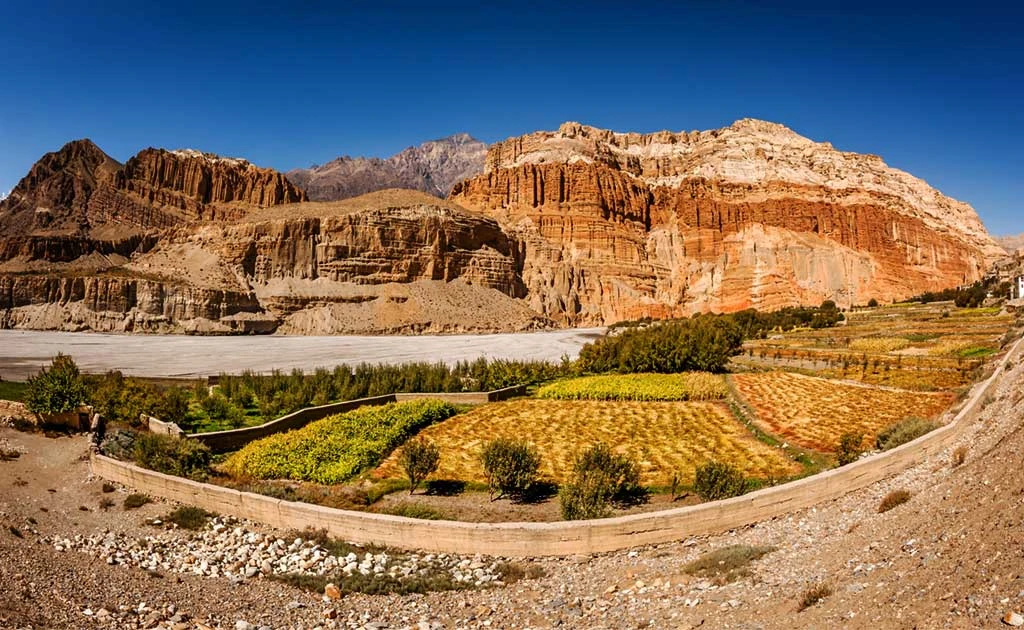
Mustang feels like a secret the Himalayas kept to themselves. Tucked in the dry rain shadow north of the main ranges, it's a high, windswept world of pale desert plateaus, blood-red rock faces, and trails that disappear into nowhere. People call it the Hidden Kingdom for good reason once you cross into Upper Mustang, everything slows down and the modern world drops away.
The region guards centuries of Tibetan-Buddhist heritage: whitewashed monasteries perched on cliffs, prayer flags snapping in the thin air, and Lo Manthang, the old walled capital that still looks much as it did hundreds of years ago. Markets hum with locals trading salt, wool, and stories; stone houses stand sturdy against the altitude and the weather.
This guide is here to help you move through Mustang on your own terms finding the quiet corners of Kagbeni, the raw beauty of the Kali Gandaki Gorge, the high paths to forgotten gompas while keeping things safe, respectful, and real. Trek, photograph, sit with a cup of butter tea and listen, or simply breathe it all in. Whatever draws you here, Mustang has a way of leaving its quiet mark on you long after you've left.
Best Time to Visit Mustang
The best time to visit Mustang really depends on what kind of experience you want. Spring (March to May) is great for trekking. The skies are clear, the weather is mild, and the flowers bloom, adding bright colors to the dry, desert-like valleys. Autumn (September to November) is another excellent season, with perfect weather and stunning views of the Himalayas. This is the most popular time for travelers and photographers.
Winter (December to February) is colder, but there are fewer tourists, so it’s perfect if you want peace and quiet just be ready for the chill. The monsoon season (June to August) brings some rain, but lower Mustang usually stays dry. Still, some trails can get slippery, so extra care is needed. Choosing the right season for your visit helps you enjoy Mustang safely and makes your trip more memorable.
How to Reach Mustang
By Air
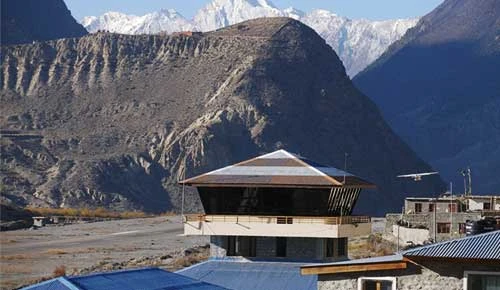
The fastest way to reach Mustang is by plane. Daily flights run from Pokhara to Jomsom, taking about 25–30 minutes. From the air, travelers can enjoy stunning views of the Himalayas and the deep Kali Gandaki Gorge. Flying is perfect for those who want to save time and avoid the long, rough road journey. It allows you to start your Mustang adventure quickly and comfortably. For travelers with limited time or anyone wanting a smoother start to their trip, taking a flight is the most convenient and scenic way to reach this remote Himalayan region.
By Private Jeep
For a more exciting and scenic trip, you can travel to Mustang by private jeep from Pokhara or Kathmandu. The drive takes about 10–12 hours and goes through rough mountain roads, small villages, and beautiful landscapes. The journey can be bumpy, but it gives travelers a chance to see the changing scenery and enjoy the adventure along the way. Traveling by jeep is ideal for those who like road trips and want to experience the mountains and local life up close while heading to Mustang.
Trekking Access
Mustang is also accessible via trekking routes, which are popular among adventure seekers. Most treks start from Kagbeni and follow the Kali Gandaki Gorge straight up to Lo Manthang. Trekking this way pulls you right into the heart of Mustang you walk through its strange desert scenery, pass quiet Thakali villages, and come across ancient monasteries tucked against the cliffs. It’s the best choice if you want to mix real cultural immersion with a proper physical challenge.
Mustang Attractions & Villages
Lo Manthang
Lo Manthang stands as the ancient walled capital of Upper Mustang, one of Nepal’s most iconic spots. It used to be the heart of the old Mustang kingdom and still feels frozen in time with its classic Tibetan-style buildings. Narrow lanes wind between sturdy traditional houses, fluttering prayer flags, and historic monasteries, including the Royal Palace right in the center. The big draw each year is the Tiji Festival a colorful explosion of Tibetan Buddhist rituals, masked dances, and community energy that lights up the whole place. Just walking these streets pulls you straight back centuries, letting you soak in genuine local life amid the stark, mysterious beauty of the Hidden Kingdom.
Kagbeni
Kagbeni is a small village at the start of Upper Mustang. It sits by the Kali Gandaki River and has traditional mud-brick houses, busy markets, and friendly people. The village is also where treks to Lo Manthang begin. Visitors can see old monasteries, meet locals, and learn about Tibetan culture. Kagbeni’s location, where the desert meets the river valley, gives amazing views. It is a favorite place for photographers, hikers, and anyone who wants to see real Mustang life.
Chhusang Village
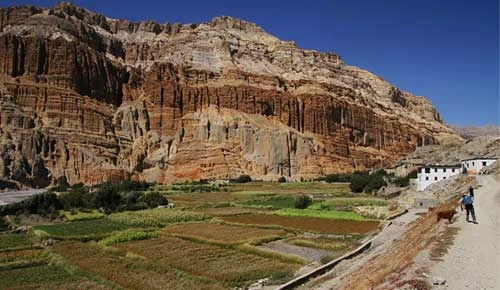
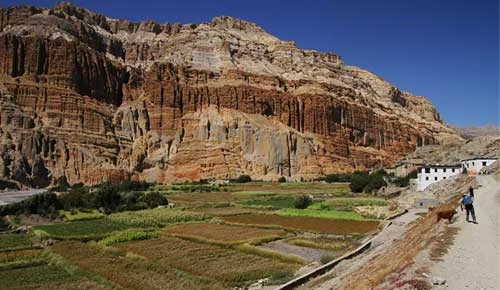
Chhusang Village has red cliffs, old caves, and dry, desert-like land. Long ago, people carved the caves to store crops, keep animals, or stay for short times. Walking there shows how clever the villagers were and is great for photos. The village has old Thakali houses and small monasteries. Life in Chhusang is quiet and slow. Its cliffs and local culture make it a special place to visit in Upper Mustang.
Jharkot Village & Monastery
Jharkot is a quiet village with amazing mountain views. It has a small monastery where visitors can see Buddhist rituals. The village is calm and less crowded than Lo Manthang or Kagbeni, perfect for peace and reflection. Jharkot has old stone houses, terraced fields, and quiet streets that show real village life. The trek to Jharkot passes cliffs and the Kali Gandaki Gorge, giving travelers a mix of culture and beautiful nature.
Dhakmar
Dhakmar is a small village on a cliff with amazing views of Mustang. It has old monasteries and traditional stone houses. Fewer tourists visit here, so it is quiet and peaceful. Trekking to Dhakmar is an adventure, with paths through cliffs, desert valleys, and high mountains. Visitors can see how the locals live and watch their religious rituals, giving a close look at the history and culture of Upper Mustang.
Kali Gandaki Gorge
The Kali Gandaki Gorge is one of the world’s deepest gorges and a striking feature of Mustang. It runs along the Kali Gandaki River, surrounded by tall Himalayan mountains. The area is great for trekking, photography, and adventure. The gorge is also important culturally, passing villages and sacred Tibetan Buddhist sites. Walking here lets visitors see traditional Thakali villages, old monasteries, and desert-like landscapes found in Upper Mustang. Whether on a short hike or a longer trek, the Kali Gandaki Gorge offers amazing nature, adventure, and a chance to experience local culture up close.
Tange Village
Tange Village is a historic settlement in Upper Mustang known for its ancient cliffside caves. These caves were historically used to store grains, shelter livestock, and house temporary residents during harsh weather. The village is surrounded by rugged hills and desert-like landscapes, providing stunning backdrops for photography and trekking. Visitors can explore traditional mud-brick houses, local temples, and experience the simple lifestyle of Mustang’s residents. Tange is less crowded than other Mustang villages, allowing travelers to immerse themselves in the region’s culture and natural beauty. Its unique combination of history, architecture, and scenery makes it a hidden gem for adventurers.
Besides the famous spots, Mustang hides some real gems that make it special. Quiet villages like Chele, Ghyami, Tangye, Tsarang, Lo Gekar, and Charang give you a true feel for traditional life here, think ancient monasteries, cliff caves, and old chortens scattered around. Trekking through these areas, you get stunning desert valleys, huge views, and peaceful spiritual spots most travelers skip. Whether you're after adventure, great photos, or just soaking in the culture, every corner of this Hidden Kingdom has something worth discovering.
Things to do in Mustang
- Trekking in Upper Mustang, exploring trails from Kagbeni to Lo Manthang and passing remote villages, monasteries, and dramatic landscapes.
- Go trekking in Upper Mustang, walking from Kagbeni to Lo Manthang and passing quiet villages, old monasteries, and wide open landscapes.
- Hike to cliffside villages like Dhakmar and Chhusang to enjoy views, explore caves, and learn about local life.
- Try mountain biking through dry valleys and rough trails for a different kind of adventure.
- Take photos of cliffs, caves, monasteries, and the open desert scenery that makes Mustang so special.
- Join cultural tours to visit monasteries, traditional homes, and local markets to experience Thakali and Tibetan culture.
- Experience local festivals such as the Tiji Festival, with colorful dances, rituals, and celebrations.
- Explore ancient caves in places like Chhusang and Tange, once used for storage and shelter.
- Walk along the Kali Gandaki Gorge, the deepest gorge in the world, surrounded by huge mountain peaks.
- Watch local wildlife during treks or village walks, including yaks, Himalayan birds, and hardy desert plants.
Food & Accommodation
Mustang’s cuisine blends Thakali and Tibetan influences, offering hearty, warming dishes ideal for the high-altitude environment. Expect momos, buckwheat pancakes, yak stew, and fresh local cheese simple, nourishing meals that feel right after a day on the trail. Small tea houses and family-run village kitchens serve home-cooked food that tastes genuine and unpretentious. While trekking or browsing local markets, you can also enjoy butter tea, basic snacks, and whatever produce is in season.
Accommodation varies from welcoming homestays in remote villages to modest guesthouses and small hotels in places like Jomsom and Lo Manthang. Homestays let you stay with local families, share their daily routines, and experience real hospitality up close. Guesthouses and lodges provide basic but clean rooms with the essentials trekkers need nothing luxurious, just comfortable enough to rest well. Staying in these spots draws you into the rhythm of Mustang life and lets you wake each morning to incredible mountain views, turning every overnight stay into something memorable.
Mustang Travel Tips
- Carry enough cash, as ATMs are rare in Upper Mustang and most villages only take cash.
- Be respectful at monasteries and religious places, and follow local customs.
- Take time to adjust to the altitude, especially when going higher toward places like Lo Manthang.
- Hire a local guide for trekking or village visits for safety and better local insight.
- Carry water, snacks, and a basic first aid kit during treks, as amenities are scarce on the trails.
- Wear comfortable trekking shoes and appropriate clothing for varying temperatures.
- Travel light but prepared, keeping essential items handy for long treks and village stays.
- Inform someone of your trekking route and schedule, as mobile signals are limited in remote areas.
- Respect the environment by avoiding litter and following marked trails to preserve Mustang’s natural beauty.
Festivals & Events in Mustang
Mustang has a deep cultural background, and festivals help visitors understand it better. The Tiji Festival is the most popular and is celebrated every year in Lo Manthang. During the festival, local people perform traditional dances and religious rituals that show the fight between good and evil. The event is colorful, lively, and holds great meaning for the people of Mustang. Travelers get a rare chance to watch these old traditions, meet local residents, and take beautiful photos, making it one of the highlights of visiting Mustang.
Apart from festivals, village market days also show everyday life in Mustang. The markets are busy, with local people selling fresh food, handmade things, clothes, and traditional items. Walking through them, travelers can see everyday life and chat with locals. Festivals and markets together show the real culture of Mustang and stay in people’s memories.
Safety & Health Tips
Traveling in Mustang demands extra care because of the high altitude and remote, rugged terrain. Proper acclimatization is the most important step to avoid altitude sickness, especially on treks to places like Lo Manthang or Dhakmar. Ascend slowly, don’t push yourself too hard, and watch for early signs headaches, nausea, dizziness, or unusual fatigue. If symptoms appear, rest, descend if needed, and don’t ignore them.
Stay well hydrated by drinking plenty of clean, boiled, or bottled water. Dehydration hits fast at altitude and can make everything worse, so keep sipping throughout the day. Stick to safe trekking practices on these isolated trails. Never take risky shortcuts or unmarked paths without a knowledgeable local guide, and always let someone know your planned route and expected return time.
Pack a basic first-aid kit plus any personal medications, including pills for altitude sickness if your doctor recommends them. These simple preparations cover most common issues minor cuts, blisters, or mild symptoms. With these precautions in place, you can focus on the incredible landscapes, ancient sites, and thrilling trails without unnecessary worry, keeping your Mustang trip safe and truly enjoyable.
Available Mustang Travel Packages
- Upper Mustang Trek: Ideal for adventure lovers, this package covers Kagbeni, Chhusang, Tsarang, Dhakmar, and Lo Manthang with guided trekking, permits, accommodation, and meals.
- Upper Mustang Jeep Tour 7 Days: Perfect for travelers who prefer comfort over trekking, this package includes a private jeep journey through major Mustang villages, cultural sites, and monasteries.
- Upper Mustang Tiji Festival Jeep Tour: A comfortable jeep tour to Lo Manthang focused on experiencing the colorful Tiji Festival and Mustang’s cultural highlights.
- Jomsom Trek: A short and easy trek through scenic villages like Marpha and Kagbeni, ideal for beginners and first-time trekkers.
Final Thoughts
Mustang hits different. The views are insane, the culture runs deep, and the whole place feels like stepping back in time. Walking around Lo Manthang’s old walls or poking around the caves and cliffs near Chhusang, you can practically feel the history and quiet spirituality in the air. Daily life here still moves at its own slow, traditional pace.
This guide is just meant to help you get around Upper Mustang without screwing up stay safe, respect the place, really take it in so the treks, the villages, the random conversations stick with you. It’s not sightseeing. It’s getting pulled into Nepal’s Hidden Kingdom for real. The mountains, the people, the old ways they get under your skin and stay there.