Ghyami Village Travel Guide
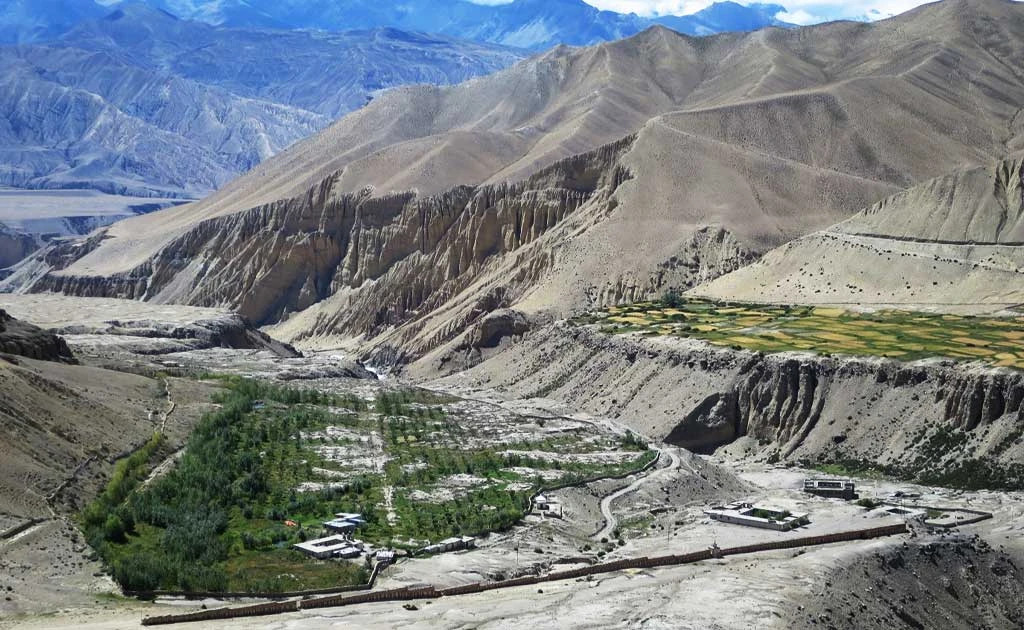
Ghyami is a peaceful village in Upper Mustang, Nepal, tucked into the dramatic Trans-Himalayan landscape. Known for its rugged beauty and Tibetan-influenced culture, the village offers travelers a glimpse of traditional Himalayan life. With its whitewashed mud-brick houses, prayer flags, and narrow stone pathways, Ghyami feels untouched by time and provides a calm, authentic experience away from the more touristy spots like Lo Manthang or Kagbeni.
Visitors to Ghyami can enjoy stunning mountain views, explore small monasteries, and interact with local communities who maintain their simple, spiritual way of life. The village is also a wonderful stop on Upper Mustang treks, giving travelers a chance to immerse themselves in the region’s unique culture while enjoying serene landscapes, panoramic viewpoints, and a slower pace that makes it a hidden gem in Nepal’s Himalayan adventure circuit.
Best Time to Visit
The best time to visit Ghyami is during spring (March to May), when the weather is pleasantly mild and the skies are mostly clear. The surrounding hills and valleys come alive with blooming flowers, adding vibrant colors to the already stunning landscape. Spring is also ideal for trekking, as the trails are accessible, the temperatures are comfortable, and the mountain views are spectacular. It’s a wonderful season for travelers who enjoy exploring villages, interacting with locals, and capturing the natural beauty of Upper Mustang.
Autumn (September to November) is another excellent time to experience Ghyami. The air during these months is crisp and fresh, offering clear visibility of the snow-capped Himalayan peaks. The landscapes are rich with golden and earthy tones, making it the perfect season for photography enthusiasts. Trekkers often prefer autumn because the weather is stable, rainfall is minimal, and the scenery is at its most vibrant. It’s also a wonderful season for cultural experiences, as locals often celebrate festivals and maintain their traditional lifestyle.
Winter and the monsoon season are less suitable for visiting Ghyami. Winter brings cold temperatures, occasional snowfall, and icy trails, which can make trekking difficult and slow. The monsoon season (June to August) can be challenging due to heavy rainfall, slippery paths, and potential landslides, that limit access to remote villages. Travelers planning to visit during these times need to be well-prepared for harsh conditions, limited services, and restricted mobility, or they should consider rescheduling their trip to enjoy the region more safely and comfortably.
How to Reach Ghyami
By Flight
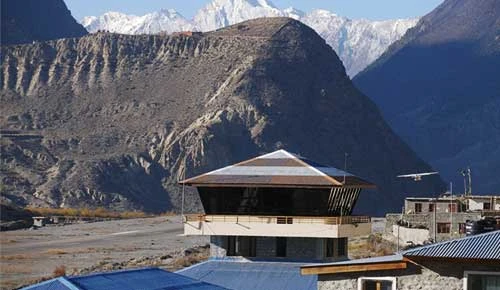
One of the easiest ways to reach Ghyami is by flying into Jomsom Airport, which connects with Pokhara and Kathmandu. The short flight offers stunning aerial views of the Annapurna and the Dhaulagiri ranges, deep river gorges, and Mustang’s unique landscapes. From the air, travelers can spot terraced fields, isolated villages, and winding trails they’ll explore on foot. Once you land at Jomsom, you can reach Ghyami via jeep, road transport, or trekking, transforming the airport into a convenient and scenic entry point to Upper Mustang.
By Road
From Jomsom, travelers can hire a jeep or local transport to reach nearby villages, including areas close to Ghyami. While roads are rugged and sometimes challenging, the journey offers beautiful glimpses of the Kali Gandaki River valley, Mustang’s arid landscapes, and terraced fields. For those who prefer flexibility, jeeps can be arranged through local operators, making the trip relatively comfortable despite the rough terrain.
Trekking Route
Ghyami is commonly included as part of Upper Mustang trekking routes, situated after Kagbeni and before villages like Charang or Chhuksang. The trails pass through dramatic cliffs, traditional villages, and ancient monasteries, providing an immersive experience of Mustang’s culture and landscapes. Trekking allows travelers to explore Ghyami at a slower pace, enjoy panoramic views, and interact with locals along the way, making it one of the most rewarding ways to reach this hidden gem.
Things to Do in Ghyami
- Explore Traditional Villages: Wander through narrow stone paths, admire whitewashed mud-brick houses, and observe the daily life of local residents. The village’s timeless charm offers an authentic glimpse into Himalayan culture.
- Visit Ancient Monasteries: Discover small monasteries adorned with colorful murals, prayer flags, and traditional Buddhist artifacts. These spiritual sites reflect the deep religious roots of the Mustang region.
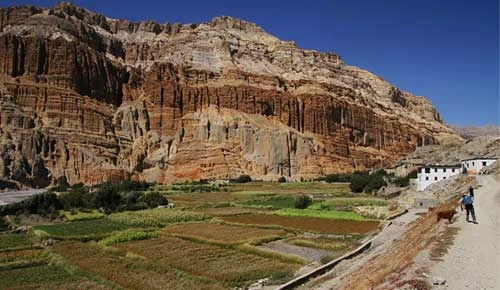
- Photography: Capture the dramatic cliffs, terraced fields, and panoramic mountain views, including the Annapurna and Dhaulagiri ranges. Ghyami’s unique landscapes make it a paradise for photographers and nature lovers.
- Interact with Locals: Engage with farmers, herders, and artisans to learn about their customs, crafts, and everyday routines. Friendly villagers often share stories about the region’s history and culture.
- Trek to Nearby Viewpoints: Short hikes around the village lead to stunning viewpoints overlooking Mustang’s valleys, cliffs, and surrounding mountains perfect for sunrise or sunset photography.
- Experience Local Festivals: If visiting during festival seasons, you can witness traditional celebrations, dances, and rituals, offering a deeper understanding of Ghyami’s cultural life.
- Taste Local Cuisine: Try traditional Mustang foods such as thukpa (noodle soup), momo (dumplings), and yak cheese, along with butter tea, for a unique culinary experience in the Himalayas.
- Observe Wildlife and Nature: The area around Ghyami is home to Himalayan flora and fauna, including wildflowers, birds, and small mammals, making it an ideal spot for nature enthusiasts and trekkers.
Food in Ghyami
Ghyami, like most Upper Mustang villages, offers simple, hearty, and authentic Tibetan-Nepali cuisine. Because it is a remote village, food options are limited but satisfying, perfect for refueling after long treks. Common dishes include thukpa, a warm noodle soup with vegetables or meat; tingmo, soft steamed bread often served with curry or soup; dal bhat, the traditional Nepali meal of rice, lentils, and vegetables; and momo, steamed or fried dumplings filled with vegetables, cheese, or meat. Travelers can also try butter tea (po cha), a salty, buttery drink that is a unique Himalayan experience. Basic drinks like tea, instant coffee, and boiled or treated water are available in most teahouses.
Meals in Ghyami are freshly prepared but remain simple, so don’t expect Western-style restaurants. Vegetarian options are usually available, while meat dishes may include yak or chicken. It’s a good idea to carry snacks like nuts, energy bars, or chocolates for trekking days. To truly experience local flavors, try specialties such as butter tea, yak cheese, and local honey. In Ghyami, every meal is a chance to savor Upper Mustang's culture and traditions.
Accommodation
Ghyami offers a range of simple but comfortable lodging options for travelers. Most visitors stay in teahouses or guesthouses, which provide basic amenities, warm meals, and a cozy place to rest after trekking through the rugged Mustang terrain. For those seeking a more immersive experience, local homestays are a wonderful choice, allowing travelers to live with local families, enjoy home-cooked meals, and learn about the village’s traditions and lifestyle firsthand.
Facilities in Ghyami are minimal, so visitors should come prepared with essentials such as warm clothing, toiletries, and personal items. You may encounter limited electricity and internet access, and you may not always be guaranteed modern comforts like hot showers or Wi-Fi. Despite the simplicity, staying in Ghyami is part of the charm of Upper Mustang, offering travelers an authentic Himalayan experience and a chance to connect with the local culture in a serene, off-the-beaten-path setting.
Attractions of Ghyami
- Walk through narrow stone paths, see whitewashed mud-brick houses, and experience authentic village life.
- Explore small monasteries decorated with colorful murals, prayer flags, and Buddhist artifacts.
- Take short hikes around Ghyami for panoramic views of Mustang’s valleys, cliffs, and surrounding mountains.
- Capture dramatic cliffs, terraced fields, and snow-capped peaks like Annapurna and Dhaulagiri.
- Observe the villagers' traditional crafts, farming, and herding practices.
- Visit nearby villages and landmarks such as Kagbeni, an ancient trading village and gateway to Upper Mustang.
- Discover Charang, a historic village with a centuries-old monastery.
- Explore Lo Manthang, the walled city and capital of Upper Mustang, rich in history and culture.
Ghyami Cultural & Trekking Experience Package
Nepal Trek Adventures (NTA) offers this package to travelers who seek to discover the serene beauty and genuine culture of Upper Mustang. The journey includes scenic travel through Kagbeni and surrounding villages, with time to explore Ghyami’s traditional stone houses, ancient monasteries, and dramatic landscapes. Travelers will enjoy guided village walks, short hikes to nearby viewpoints, and meaningful interactions with local communities to experience their simple Himalayan lifestyle. The package includes basic but comfortable accommodation in teahouses or homestays, traditional local meals, experienced guides, and all necessary permits. This package, perfect for trekkers and culture enthusiasts, provides a peaceful and unexplored experience, fostering a deeper connection to the spiritual and natural charm of Mustang.
Conclusion
Travelers seeking a unique experience in Nepal will find Ghyami to be an ideal destination. Its peaceful surroundings, traditional Tibetan-influenced culture, and breathtaking landscapes provide a unique escape from more crowded tourist spots. The village’s simplicity and authenticity allow visitors to truly connect with the local way of life, offering a rare glimpse into the everyday routines, customs, and traditions of Upper Mustang.
Whether you are trekking through dramatic cliffs and valleys or exploring the village’s monasteries and stone paths, Ghyami promises an enriching and memorable experience. From panoramic mountain views to warm interactions with the locals, every moment in Ghyami captures the essence of the Himalayas, making it a must-visit stop for adventurers and cultural enthusiasts alike.