Kagbeni Village Travel Guide
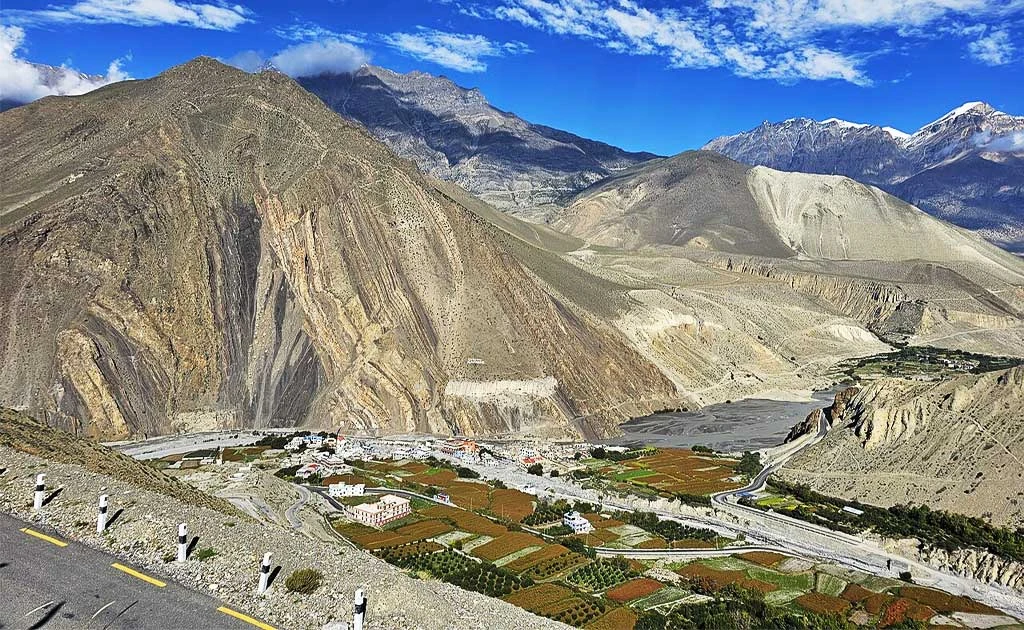
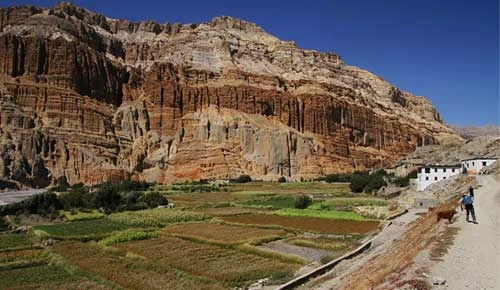
Kagbeni is a small mountain village in Nepal where the Kali Gandaki and Jhong rivers come together. For hundreds of years, it was an important stop for traders moving between Nepal and Tibet. Today, it’s known as the gateway to the Mustang Region of Nepal. The village has narrow stone paths, old mud houses, and prayer flags hanging everywhere. From above, the Kag Chode Monastery watches over the village and adds to the calm, spiritual feeling of the place.
Kagbeni isn’t just somewhere you pass through. Many trekkers stop here while heading to Muktinath or walking the Annapurna Circuit. The village is surrounded by open valleys, strong winds, apple trees, and mountain views. You can take easy walks, sit by the river, or simply slow down and enjoy the quiet. With basic teahouses, homemade local food, and a relaxed way of life, Kagbeni gives you a genuine taste of Mustang without trying too hard to impress.
Why Visit Kagbeni?
Kagbeni feels quiet and real, like a place that hasn’t tried to change for tourists. It’s a small village in Mustang with old stone houses, narrow paths, and prayer flags hanging everywhere. People go about their daily lives calmly, and the whole place has a peaceful, almost timeless feeling. As you walk around, you’ll see clear Tibetan influence in the homes, monasteries, and local traditions. It’s the kind of place where you slow down without even trying.
What makes Kagbeni appealing is that it’s simple and uncrowded. You don’t need special permits like Upper Mustang, and it doesn’t feel rushed or commercial. Even so, the views are beautiful, with dry mountains and wide-open landscapes. Since it’s on the way to Muktinath and the Annapurna Circuit, Kagbeni is an easy stop for travelers who want culture, scenery, and a genuine village experience without the tourist crowds.
Best Time to Visit
The best time to visit Kagbeni is during spring, from March to May. During these months, the weather is comfortable, with clear skies and mild temperatures during the day. It’s a wonderful time for walking around the village, short hikes, and enjoying the surrounding views without feeling too cold or too hot. The landscape slowly starts to change colors, and the mountains look sharp and clean, making it ideal for photography and relaxed exploration.
Autumn, from September to November, is another excellent season and is often the most popular time to visit. After the monsoon ends, the air feels fresh and visibility is at its best. Days are pleasant, and nights are cool, which makes traveling and sightseeing easy. This season also brings local festivals, giving visitors a chance to see traditional ceremonies, monastery activities, and daily village life in action.
Kagbeni is located in a rain-shadow area, so it receives very little rainfall compared to other parts of Nepal. Because of this, it can also be visited during the summer monsoon months. While the weather may be windy at times, the village is quieter, and the dramatic mountain scenery feels even more raw and peaceful, perfect for travelers who prefer fewer crowds.
Attractions on Kagbeni
- Wander through Kagbeni’s narrow medieval stone alleys and observe traditional mud-brick houses that reflect authentic Mustang architecture.
- Visit the historic Kag Chode Thupten Samphel Ling Monastery, a 15th-century spiritual site overlooking the village.
- Walk along the banks of the Kali Gandaki River, famous for its sacred Shaligram stones and peaceful surroundings.
- Enjoy cultural walks to experience Tibetan-influenced traditions, prayer walls, chortens, and daily village life.
- Capture stunning photographs of dramatic landscapes, ancient structures, and colorful prayer flags.
- Use Kagbeni as an ideal acclimatization stop before trekking to Muktinath or Upper Mustang.
- Explore nearby apple orchards and taste local apple products during the harvest season.
- Take short hikes around Kagbeni for panoramic views of the Kali Gandaki Valley and surrounding hills.
- Savor traditional local food such as dal bhat, buckwheat roti, Tibetan bread, and homemade apple pie.
- Interact with local villagers to learn about ancient trade routes and Mustang’s unique culture.
- Watch beautiful sunrise and sunset views as golden light transforms the Himalayan landscape.
How to Reach Kagbeni
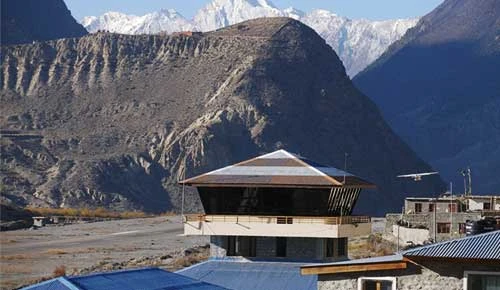
Getting to Kagbeni is easier than going to many other remote Himalayan places. Most people take a short, scenic flight from Pokhara to Jomsom, which gives amazing views of the Annapurna and Dhaulagiri mountains. From Jomsom, it takes about 3–4 hours to walk to Kagbeni along the Kali Gandaki Valley. The walk is easy and the views are really nice. If you want a more comfortable ride, you can hire a jeep or local vehicle from Jomsom. Depending on the road, it will get you to Kagbeni faster.
You can also get to Kagbeni by trekking from Tatopani or Muktinath on the usual trekking routes. If you’re doing the Annapurna Circuit or visiting the holy Muktinath Temple, you’ll naturally pass through Kagbeni. Walking these trails lets you see different landscapes, visit local villages, and experience the culture before reaching this historic village in Mustang.
Permits Required
To visit Kagbeni, you need an Annapurna Conservation Area Permit (ACAP) because it is inside the Annapurna region. This permit helps take care of the area and support local communities. If you are trekking, you also need a TIMS card for safety and to keep track of trekkers on popular routes like the Annapurna Circuit and the way to Muktinath.
Kagbeni is called the gateway to Upper Mustang, but you don’t need the Upper Mustang Restricted Area Permit if you are only staying in the village. That permit is only required if you travel beyond Kagbeni toward Upper Mustang. Because of this, Kagbeni is easy to visit and a good option for travelers who want to experience Mustang’s landscape and culture without the extra cost or paperwork.
Accommodation & Food
Staying in Kagbeni is very simple, but that’s part of its charm. Most places are small family-run lodges and teahouses. The rooms aren’t fancy, just clean and practical, with two beds, thick blankets, and usually a shared bathroom. After a long day of walking, it feels good enough to rest. Nights are quiet in the village, so you can sleep well and enjoy the peaceful feeling around you.
In the evening, everyone gathers in the dining room since it’s the warmest place. This is where you eat, sit, and chat with other travelers or the hosts. Some lodges offer hot showers heated by the sun and a place to charge your phone, though power can be limited and not always reliable. During busy trekking months, especially in autumn, places can fill up fast, so it helps to arrive early or have a plan.
Food in Kagbeni is simple and filling. Most teahouses cook dal bhat, noodles, soups, Tibetan bread, and local flatbreads. Apples grow nearby, so apple pie and apple dishes are common. The food is homemade, warm, and enough to keep you full for the day.
Travel Tips for Kagbeni
- When you visit Kagbeni, dress modestly, especially at monasteries or any religious place. People there follow their traditions closely, so it’s good to be respectful.
- Bring enough cash because there are no ATMs in the village, and most places don’t take cards or digital payments.
- If you plan to walk or hike, start early in the day. The Kali Gandaki Valley can get really windy in the afternoon.
- Even in warmer months, mornings and evenings can be chilly, so pack some warm clothes.
- Wear strong, comfortable shoes because village paths are dusty and made of stones.
- Drink plenty of water and take it slow while walking; it helps your body adjust to the high altitude.
- Always ask before taking photos of people or inside monasteries. Be polite during any religious events.
- Bring some medicine and a small first-aid kit, because there isn’t much medical help in the village.
- Use a refillable water bottle and try not to use plastic so the village stays clean.
- Keep your voice down around monasteries and prayer places.
- If you’re flying to Jomsom, check the weather and flight times first, because flights can get delayed or canceled.
Available Packages
- Jomsom Trek: The Jomsom Trek is a popular and accessible trekking package in the Mustang region, perfect for those looking for a shorter Himalayan adventure. The trek starts from Pokhara with a scenic flight to Jomsom, then continues through Kagbeni, Marpha, and other charming villages along the Kali Gandaki Valley. Trekkers enjoy spectacular views of the Annapurna and Dhaulagiri ranges while experiencing the unique culture and traditions of Mustang.
- Upper Mustang Trek: The trek to Upper Mustang starts from Jomsom and goes through villages like Kagbeni, Chele, Syangboche, Ghami, Tsarang, and ends in Lo Manthang. You’ll see quiet mountains, old villages, and a lot of Tibetan culture along the way.
- Muktinath Temple Tour: This 4-day tour to Muktinath is about visiting the holy Muktinath Temple. You’ll also stop in Kagbeni and nearby villages, so you can enjoy the mountains and see how people live while experiencing the local spiritual traditions.
- Upper Mustang Tiji Festival Jeep Tour: This tour to Upper Mustang for the Tiji Festival is timed with the Tiji Festival in Lo Manthang. You travel by jeep through Kagbeni, Ghami, Tsarang, and Lo Manthang to enjoy Mustang’s culture in a more comfortable way.
Conclusion
Kagbeni is more than just a stop on the way to Muktinath or Upper Mustang. Kagbeni is a small village with lots of history and culture. The streets are made of stone, the houses are built from mud, and there are old monasteries everywhere. You can really see how people have lived here for many years. The mountains, wide valleys, and quiet village life make it a nice place to slow down and just enjoy being there.
Whether you are walking the Annapurna Circuit, checking out local traditions, or taking photos of the mountains, Kagbeni has something nice for everyone. It’s easy to reach, full of history, and very calm. Adventure seekers and travelers who just want to relax will both enjoy it. Visiting Kagbeni gives you a real taste of Mustang life and a quiet, timeless Himalayan feeling that stays with you long after you leave.