Laurebina Pass Travel Guide
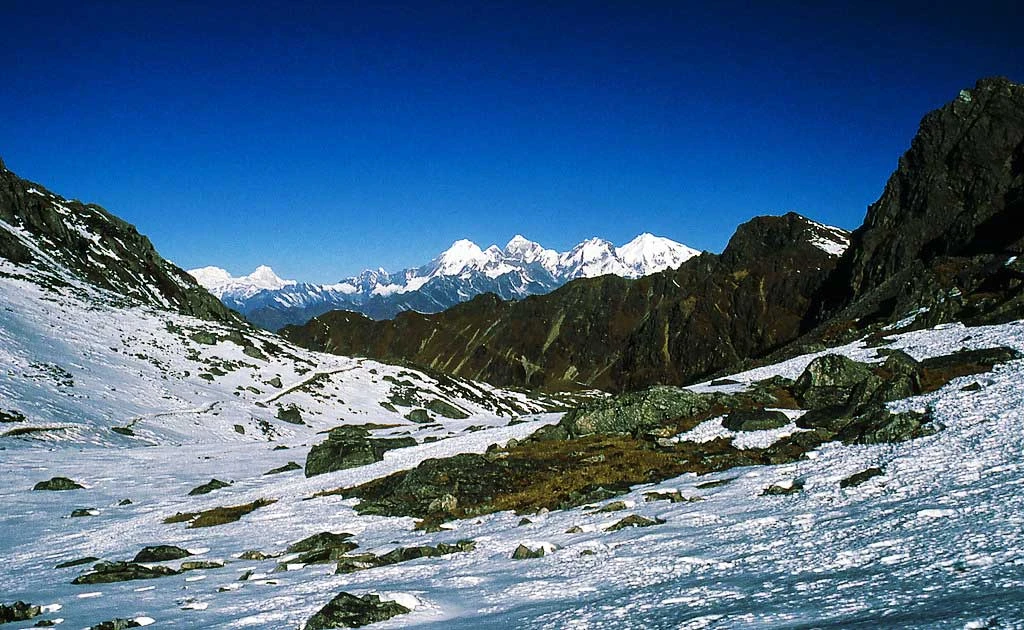
The Lauribina Pass is regarded as one of the most spectacular high-altitude trekking routes in Nepal, between the Langtang Valley and the much more prominent Gosaikunda territory. The mountain rises to about 4,610 meters, and the dramatic effect of its snowbound scenery, high-altitude meadows, and glaciers is striking. Although the trail is not straightforward, the beauty it entangles makes every step well worth the challenge.
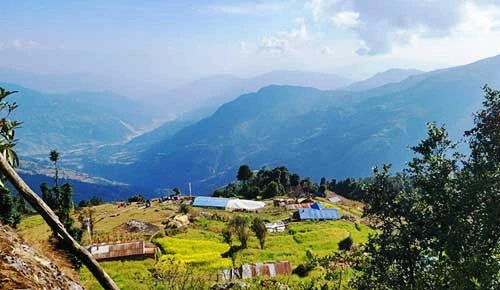
The path travels past some traditional Tamang and Sherpa villages; thus, it allows hikers to experience local life, get acquainted with homemade food and observe the daily lives of high-altitude people. Such cultural experiences liven up the experience, turning it into a walk that goes beyond the mountains. The journey over Lauribina Pass is also a spiritual journey and allows one to touch the nature and spiritual meaning of the place. Passing by glacier-carved lakes and the expansive mountain peaks, all of these would create memories that anyone willing to complete this journey would not forget easily.
Best Season to Visit Lauribina Pass
Spring (March-May)
This is a favorable season to trek. The weather is warm and pleasant, the paths are mostly free of snow, and both alpine plants and rhododendron bushes are in bloom. It enjoys clear skies that give a clear view of the mountains, making it a photography paradise.
Autumn (September-November)
The other season is when trekking reaches its peak. The rain has blown away, just leaving the fresh air and excellent visibility. The skies are mostly clear, and there is a view of the snow-covered mountaintops. Along the trail, there are villages that are vibrant with trekkers, providing easy access to food and accommodation facilities.
Summer/Monsoon (June-August)
Trekking is challenging but possible. Rainy seasons may render the trails very slippery and increase the risk of crossing a stream. It can be difficult to see much because of the cloud cover but the valleys are green and thriving and there can be a great deal of water tumbling down waterfalls. This period of time is good to trek and face solitude and wet conditions.
Winter (December-February)
The place is cold and quiet, and it is very different than usual. The trails may be covered in snow and Gosaikunda, lakes and the surrounding lakes may be frozen. This is the least used season by trekkers, so there is a notion of isolation and tranquility, but it needs warm garments, snow gear and trekking experience at high altitude.
How to Reach Laurabina Pass?
Lauribina pass can be done through multiple routes;
Start in Kathmandu: Kathmandu is the capital of Nepal, where you can organize a trek, guides and permits.
Drive to Dhunche: A six- to seven-hour uphill drive by bus or jeep is available from Kathmandu to Dhunche. Dhunche is the point of entry for the Langtang Valley route.
Trek over Langtang Valley: The Langtang Valley Trek visits nature spots, including the villages of Bamboo and Lama Hotel, as well as Langtang Village. It contains green forests, rivers, and a gradually rising mountain landscape along the trail.
Way through Gosaikunda: you can observe the way to Lauribina pass passing through Gosaikunda Lake. The route will showcase cultural areas that incorporate natural elements and include a crossing over high altitudes.
Alternative Helambu Trail: An alternative route begins at Sundarijal near Kathmandu via villages of Helambu like Chisapani, Kutumsang, and thadepati.This road is longer and offers more cultural exposure and diverse views.
Food and Accommodation Near Laurebina Pass
Along the Lauribina Pass trail, the leave mostly depends on lodges and small guest houses for food and accommodation. These homestays are very simple with wooden beds, thin mattresses, and warm blankets and are run by families. At lower altitudes, lodges offer slightly more amenities, such as attached bathrooms and hot water; however, further up in the villages and at the pass itself, lodging facilities become much more basic, with shared toilets being the norm.
Meals are wholesome and are meant to keep one going. The cheapest and most popular is Dal Bhat (rice, lentils, and vegetables), which is, by the way, inexpensive and healthy. Tea houses also provide noodle soup, pancakes, eggs, and occasionally fried rice or pasta. Hot beverages, such as tea, coffee, and soup, form part of the trek, which is ideal to keep the body warm in the cold air of the mountain. At higher altitudes, prices are somewhat elevated because transporting supplies to other villages located at these altitudes incurs additional costs.
It is always recommended to bring extra snacks, a water bottle, and water purification tablets, as the choices become scarce farther away. A sturdy sleeping bag is something you simply cannot do without on a night at higher elevation or near the Lauribina pass, where temperatures do drop very low. The fact that the trail is simple, the small tea houses, and the warm food make the experience comfortable and part and parcel of the imagination of trekking in the Langtang and Gosaikunda regions.
Major Attractions
- Acclimatize properly to avoid altitude sickness.
- Carry a warm sleeping bag for high-altitude nights.
- Wear layered clothing suitable for cold and windy conditions.
- Bring trekking poles for stability on steep and rocky sections.
- Carry enough water and use purification tablets or filters.
- Pack high-energy snacks for long trekking days.
- Wear sturdy, waterproof trekking boots.
- Check weather forecasts before starting the trek.
- Respect local culture and traditions in villages.
- Keep your trash and follow Leave No Trace principles.
- Be prepared for limited facilities at higher altitudes.
- Hire a guide or porter if you are unfamiliar with high-altitude trekking.
Things to Near in Laurebina Pass
Cross Lauribina Pass
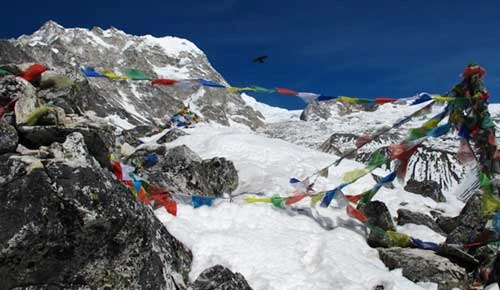
The best part of trekking is the crossing of Lauribina Pass at an altitude of about 4,610 meters. At the peak, the view is outstanding as one receives a bird's-eye view of the mountains with snowcaps as you view valleys and the Himalayas in the distance. The feeling of accomplishment after such a steep climb makes it one of the journey's most memorable moments.
Visit Gosaikunda Lake
This is the spiritual center of the land and the sacred turquoise lake. Trekkers have the opportunity to observe its typically clear waters, which reflect the surrounding mountains, and they can also experience its cultural and religious significance. The special spiritual air is enhanced by thousands of pilgrims taking ritual baths during Janai Purnima.
Explore Bhairab Kund and Saraswati Kund
Smaller lakes around there are the settings that offer visions of serenity, tranquility, and relaxation, perfect in all the senses of the term. Their tranquil setting is the opposite of the Gosaikunda main area, where trekkers have the opportunity to experience the serenity and favorable pristine natural landscape.
Walk through Alpine Meadows
The high-altitude meadows along the trail are filled with grasses, wildflowers, and small streams. They offer wide open spaces for resting, picnicking, and observing the surrounding peaks. The fresh mountain air and panoramic views make these meadows one of the most scenic parts of the trek.
Trek through Rhododendron and Pine Forests
In spring, rhododendrons bloom in bright reds, pinks, and whites, creating a colorful tunnel along the trail. Pine forests provide shade, cooler temperatures, and a pleasant scent, making trekking during warmer parts of the day more comfortable. The mix of colors and textures adds beauty to the journey.
Experience Tamang and Sherpa villages
The trail passes through traditional villages where trekkers can see stone and wooden houses, interact with friendly locals, and try homemade meals. Learning about local customs, festivals, and daily life provides cultural depth and makes the trek more immersive.
Spot Himalayan wildlife
Langtang National Park is rich in animals and birds. Trekkers may encounter langurs swinging through trees, musk deer hiding in the bushes, or colorful Himalayan birds. Observing wildlife adds excitement and a sense of connection to the natural environment.
Photography Opportunities
From panoramic mountain ranges to serene lakes, alpine meadows, and village life, the trek offers endless photography opportunities. Sunrise and sunset, changing seasons, and weather variations create unique scenes for capturing unforgettable images.
Available Packages
Planning a trek to Lauribina Pass is easier and more enjoyable with the help of Nepal Trek Adventures (NTA). With years of experience organizing treks across Nepal, NTA ensures safety, comfortable accommodations, and professional guidance throughout your journey. Their packages include permits, logistics, and local support, allowing trekkers to focus fully on the adventure and the breathtaking landscapes. Here are some packages:
Langtang and Gosaikunda Pass Trek: This trek is a perfect blend of high-altitude adventure and cultural exploration. It takes you through lush forests, traditional Tamang villages, and alpine landscapes, culminating in the stunning Gosaikunda Lake.
Gosaikunda Lake Trek: A classic trek in the Langtang region, this journey leads to the sacred Gosaikunda Lake, nestled at 4,380 meters. It’s ideal for those seeking spiritual and scenic experiences.
Final Words
Lauribina Pass offers the brilliant blend of adventure, nature, and culture. The walk through rhododendron forest and high alpine meadows, coupled with crossing high Ridges and sacred lakes like that of Gosaikunda, are some of the factors that make every part of the venture more than breathtaking. The breathtaking sceneries along the trails next to the mountain landscapes and traditional villages leading to the pass make the climb utterly spectacular. Having the right planning and preparation ensures that the experience throughout the trek is successful and awesome, which you will remember fondly forever.