Marpha Monastery Travel Guide
Marpha Monastery is a peaceful and meaningful place located just above Marpha village in Lower Mustang. While many travelers come to Marpha to see its apple orchards, whitewashed houses, and clean stone-paved streets, the monastery offers something deeper than sightseeing. It has long been a spiritual center for the local community and plays an important role in daily village life. People come here to pray, seek blessings, and take part in religious festivals. The monastery reflects the strong influence of Tibetan Buddhism that has shaped Mustang’s culture for generations.
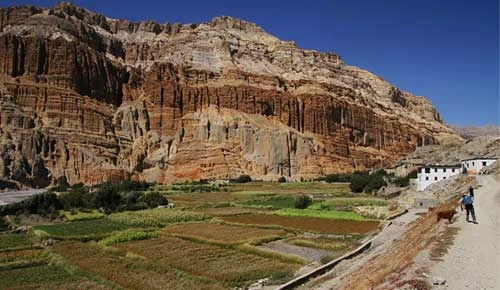
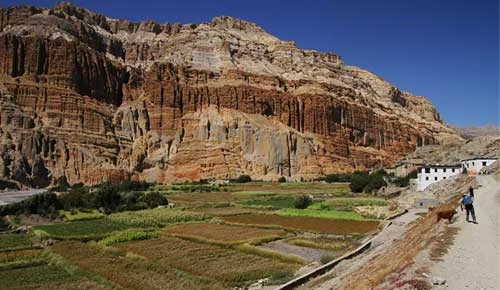
The setting of Marpha Monastery adds to its quiet charm. Surrounded by rugged mountains, fluttering prayer flags, and open skies, the atmosphere feels slow and calm. There is no rush here, only the sound of wind, distant bells, and monks chanting during prayer times. Visitors often find this place ideal for quiet reflection or simply sitting in silence. Even for those who are not religious, the peaceful surroundings and simple beauty create a sense of balance and calm. A visit to Marpha Monastery is not just about seeing a religious site; it is about experiencing the gentle rhythm of life in Mustang and understanding its spiritual heart.
History and Religious Importance
Marpha Monastery belongs to the Nyingma school of Tibetan Buddhism, which is the oldest Buddhist tradition in the Himalayan region. For many generations, the monastery has been at the heart of spiritual life in Marpha village. Local people visit regularly to offer prayers, light butter lamps, and ask for blessings for their families and daily lives. The monastery is not only a place of worship but also a guide for the village’s spiritual values and traditions.
The religious practices at Marpha Monastery follow ancient teachings that have been passed down over centuries. Many rituals, chants, and ceremonies are still performed in the same way as they were long ago. During festivals and special religious days, the monastery becomes a gathering place for the community. Because of its long history and continued role in village life, Marpha Monastery stands as an important cultural and religious landmark in Mustang.
Architecture and Inside the Monastery
Marpha Monastery is built in a traditional Himalayan style that blends naturally with its mountain surroundings. The structure uses stone walls, wooden windows, and flat roofs, designed to handle the harsh climate of Mustang. Its simple design reflects the Buddhist value of simplicity and balance. From the monastery area, visitors are rewarded with open views of the Nilgiri and Dhaulagiri mountain ranges, which look especially beautiful during sunrise and sunset.
What You’ll See Inside the Monastery:
- Built in traditional Himalayan style using stone, wood, and mud plaster
- Strong stone walls designed to withstand cold winds and harsh weather
- Wooden windows and doors with simple carved details
- Flat roofs commonly seen in Mustang monasteries and village homes
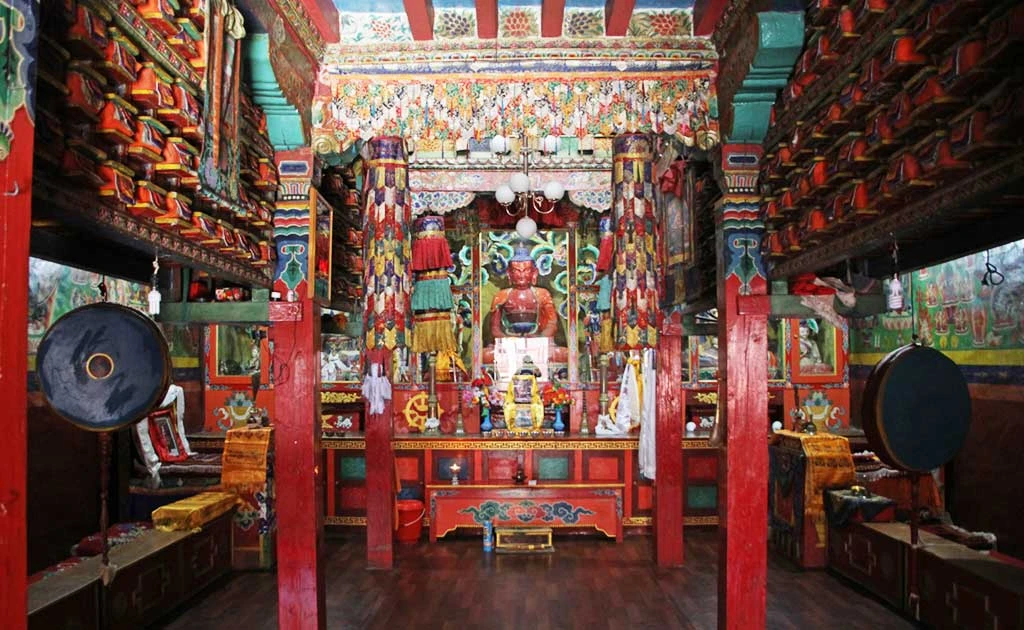
- Statues of Guru Rinpoche and Lord Buddha placed inside the main prayer hall
- Old thangka paintings showing Buddhist stories and symbols
- Prayer wheels and sacred scriptures used in daily rituals
- Open monastery area offering wide views of Nilgiri and Dhaulagiri mountains, especially beautiful at sunrise and sunset
Spiritual Experience for Travelers
Marpha Monastery is a quiet and peaceful place, far from crowded tourist spots. The calm atmosphere makes it ideal for visitors who want to slow down and experience a sense of tranquility. During prayer times, travelers can sit quietly, listen to monks chanting, and feel the rhythm of daily life at the monastery. The gentle sounds of bells, drums, and chanting create a serene environment that encourages reflection and mindfulness.
Even for those who are not religious, the monastery offers a unique spiritual experience. Walking slowly around the monastery grounds, observing the rituals, and simply taking in the surroundings allows visitors to connect with the peaceful energy of the place. Many travelers find that the calmness here provides a refreshing pause from trekking or exploring Mustang, making a visit to Marpha Monastery a memorable and grounding experience.
How to Reach Marpha Monastery
By Air
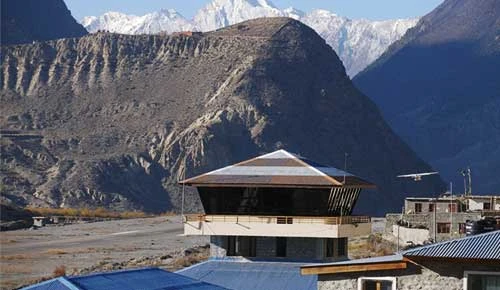
Flying from Pokhara to Jomsom is the fastest and most scenic way to reach Marpha. The short flight, lasting about 25–30 minutes, offers stunning aerial views of the Annapurna, Dhaulagiri, and Nilgiri mountain ranges. Upon arrival in Jomsom, travelers can hire a jeep or take a short walk to Marpha village. The monastery itself sits on a small hill just above the village and can be reached within 15–20 minutes on foot. Flying saves time for those with limited days in Mustang and gives a breathtaking first glimpse of the region’s dramatic Himalayan landscapes.
By Road
Traveling by road from Pokhara to Jomsom is a popular option for adventurers who enjoy long scenic drives. The journey takes approximately 10–12 hours by jeep or local bus, winding through the Kali Gandaki valley and offering incredible views of mountains, rivers, and traditional villages. After reaching Marpha village, the monastery is a short uphill walk from the village center, making it easy to access. Traveling by road allows visitors to experience Mustang’s culture, architecture, and orchards up close. The slow journey also provides a chance to acclimatize to the altitude while enjoying the serene Himalayan scenery.
By Trekking
Marpha Monastery is a key stop along the Jomsom-Muktinath trekking route, which attracts trekkers from around the world. Walking along stone paths and dirt trails, you pass through small villages, apple orchards, and scenic landscapes before reaching Marpha. The monastery is located on a hill overlooking the village, accessible via a short uphill climb. Trekking here gives travelers a chance to experience Mustang’s natural beauty, local culture, and peaceful rhythm of life. Many trekkers find this approach especially rewarding because it combines physical activity with spiritual immersion, allowing for reflection and appreciation of the Himalayan environment before entering the monastery grounds.
Things to Do at Marpha Monastery
Observe Morning or Evening Prayers
One of the most meaningful things to do at Marpha Monastery is to quietly sit in during prayer time. The sound of monks chanting, prayer bells, and drums creates a calm and spiritual atmosphere. Even if you don’t understand the rituals, the experience feels peaceful and grounding.
Walk Around the Monastery in Silence
Take a slow walk around the monastery and its courtyard. Spinning prayer wheels and walking mindfully helps you connect with the calm energy of the place. Many visitors say this quiet walk becomes one of their favorite moments in Marpha.
Enjoy Mountain Views from the Monastery
The monastery sits slightly above Marpha village, offering beautiful views of the Nilgiri and Dhaulagiri ranges. On clear days, the mountain scenery combined with prayer flags and stone walls makes this a perfect spot for peaceful photography.
Learn About Tibetan Buddhist Culture
Inside the monastery, you can see statues, thangka paintings, and religious symbols that reflect the Nyingma Buddhist tradition. Observing these details gives a deeper understanding of Mustang’s spiritual life and long-standing cultural practices.
Meditate or Sit Quietly
You don’t need to be a monk to feel calm here. Many travelers simply sit quietly for a few minutes, breathing slowly and enjoying the silence. It’s a great place to rest your mind after trekking or long jeep rides.
Talk Respectfully with Local Monks
If the timing feels right and the monks are free, a short and respectful conversation can be very meaningful. They may share simple insights about daily life, faith, or the monastery’s role in the village.
Combine the Visit with a Walk Through Marpha Village
After visiting Marpha Monastery, take time to explore Marpha village. Walk through stone-paved streets, visit apple orchards, and try local apple products. The monastery visit adds depth to your village experience.
Visit During Local Festivals (If Lucky)
During special religious days, the monastery becomes more active with ceremonies and gatherings. Seeing locals dressed in traditional clothing and participating in rituals offers a rare cultural experience.
Capture Peaceful Moments (Respectfully)
Photography is allowed in outdoor areas. Capture prayer flags, mountain views, and monastery architecture—but always ask before taking photos inside or of people.
Simply Slow Down
Perhaps the best thing to do at Marpha Monastery is to do nothing at all. Sit, breathe, and enjoy the quiet. In a fast-moving journey, this calm pause often becomes the most memorable part.
Best Time to Visit Marpha Monastery
Spring(March–May) is one of the most pleasant times to visit Marpha Monastery. The weather is mild and comfortable, and the apple orchards around the village are in full bloom, creating a colorful and lively atmosphere. The clear skies make it perfect for walking around the monastery, exploring the village, and enjoying the serene surroundings.
Autumn(September–November) is another excellent season for travelers. After the monsoon, the skies are usually clear, providing stunning views of the Nilgiri and Dhaulagiri mountain ranges. The temperatures are cool but pleasant, making it ideal for sightseeing, photography, and fully experiencing the natural beauty and spiritual charm of Mustang.
Winter in Marpha can be very cold, with icy winds and occasional snow making outdoor activities challenging. The monsoonseason(June–August) may bring heavy rain, affecting road travel and trekking. For most visitors, spring and autumn are the safest, most comfortable, and visually rewarding times to visit Marpha Monastery.
Travel Tips for Visitors
- Dress modestly and respectfully when visiting the monastery.
- Always remove your shoes before entering prayer halls.
- Do not disturb monks or interrupt prayer sessions.
- Ask for permission before taking photos inside the monastery.
- Visit in the early morning or late evening for a calm and peaceful experience.
- Walk slowly and quietly around the monastery grounds to respect the spiritual atmosphere.
- Avoid loud conversations or phone calls inside or near the monastery.
- Carry some cash for small donations or offerings if you wish.
- Wear comfortable shoes for the short uphill walk to the monastery.
- Take time to observe and reflect, rather than rushing through the visit.
Why Marpha Monastery Is Worth Visiting
Marpha Monastery is not about luxury, crowds, or flashy attractions. Its true charm lies in its calmness, simplicity, and spiritual energy. Unlike other tourist spots, this monastery offers a chance to slow down, observe daily life, and connect with the peaceful rhythm of Mustang village culture. Visitors can watch monks perform ancient rituals, spin prayer wheels, and chant during prayer times, giving a glimpse into centuries-old traditions that are still alive today.
Beyond its religious significance, the monastery provides breathtaking views of the surrounding Nilgiri and Dhaulagiri mountains, offering moments of reflection and quiet appreciation. Even for those who are not religious, the atmosphere here is deeply calming. Walking around the monastery grounds, observing the art and architecture, and sitting quietly to soak in the serene environment makes a visit truly memorable. Marpha Monastery allows travelers to experience the spiritual heart of Mustang in a way few other places can.
Final Thoughts
If you are exploring Lower Mustang, Marpha Monastery is a must-visit. It is not a place of grand attractions but a haven of peace and reflection. Even a short visit allows travelers to experience calmness, observe ancient rituals, and understand the deep spiritual and cultural roots of the region. Surrounded by mountains, prayer flags, and quiet village life, the monastery offers a moment to slow down and connect with Mustang beyond trekking and sightseeing. Its serene atmosphere and simple beauty leave a lasting impression, making Marpha Monastery a place that stays with you long after you have left.