Muktinath Temple Travel Guide
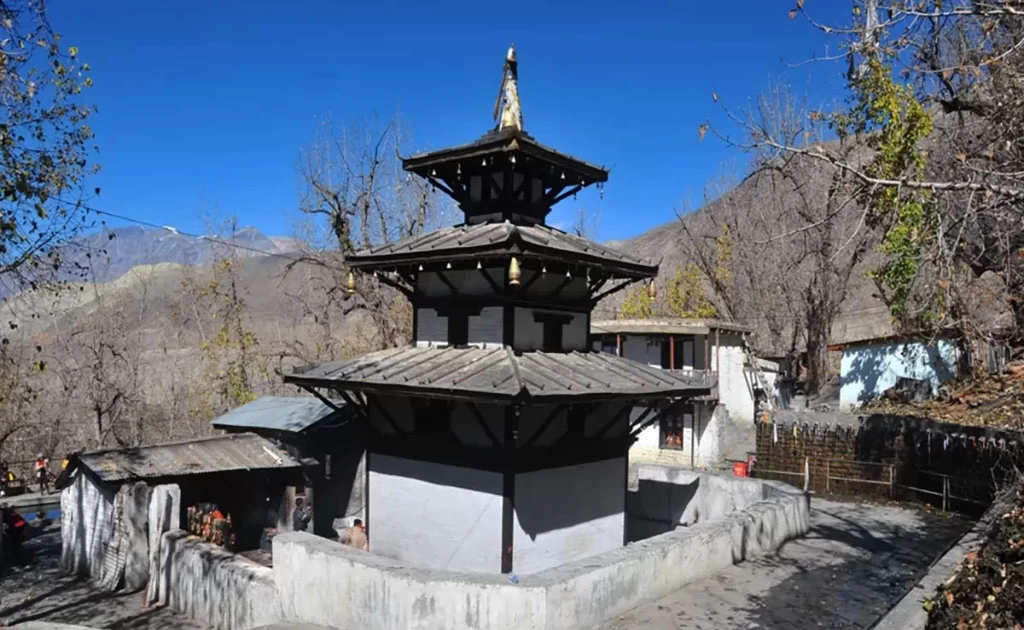
Muktinath Temple is a famous and sacred place in the Mustang District of Nepal, located at an altitude of about 3,762 m (12,340 ft). It is a special destination for both Hindus and Buddhists. Hindus believe it is one of the 108 Divya Desams dedicated to Lord Vishnu, while Buddhists visit it for spiritual peace and blessings. The temple is surrounded by the beautiful Himalayan mountains and peaceful landscapes, making it a calm and inspiring place for pilgrims and travelers alike.
One of the most unique things about Muktinath Temple is the 108 holy water spouts, where pilgrims take ritual baths to purify themselves. Another special feature is the eternal flame called Jwala Mai, which burns from a natural gas source. This flame never goes out, even in the cold mountain air, and is considered very holy by visitors. These features make the temple a remarkable combination of nature and spirituality.
Visiting Muktinath is not just about seeing a temple; it is also about experiencing the culture and natural beauty of the region. Travelers can enjoy panoramic views of the Annapurna and Dhaulagiri mountains, explore nearby Tibetan-style villages, and visit Buddhist monasteries around the area. Whether you come for pilgrimage, trekking, or sightseeing, Muktinath offers a peaceful and unforgettable experience high in the Himalayas.
Best Time to Visit Muktinath Temple
The best time to visit Muktinath Temple is during spring, from March to May. During this season, the weather is mild and comfortable, making it easier to trek and explore the high-altitude area. The landscapes around the temple come alive with blooming flowers and greenery, creating beautiful scenery for pilgrims and travelers. Spring is also ideal for enjoying the local villages and mountain views without worrying about extreme cold or snow.
Another great season to visit is autumn, from September to November. This time of year offers clear skies and stable weather, giving travelers the best views of the surrounding Himalayan peaks like Annapurna and Dhaulagiri. The air is fresh and crisp, and the trails are safe and accessible. Autumn is a popular time for both trekking and pilgrimage, as the pleasant weather makes long hikes comfortable and enjoyable.
Visiting in winter or monsoon is less common. From December to February, the region becomes very cold, and snow may block some paths. Fewer tourists visit during this time, so it can be peaceful, but trekking can be challenging. The monsoon season (June to August) brings heavy rain, slippery trails, and the risk of landslides, making travel difficult and less safe. For a smooth and enjoyable trip, spring and autumn are the most recommended seasons to experience Muktinath Temple.
How to Reach Muktinath
By Road
You can reach Muktinath Temple by road from either Pokhara or Jomsom, and this is a popular option for travelers who enjoy seeing the local landscapes. If you start from Pokhara, the journey takes you through Beni, Tatopani, Ghasa, Marpha, and Kagbeni, all scenic towns and villages along the way. The route follows the Kali Gandaki River and passes through mountain valleys, forests, and traditional villages, giving you a glimpse of the local culture and lifestyle. You can travel by private jeep, car, or local bus, but the roads are often rough, especially in remote areas, so a jeep is recommended for comfort and safety. Once you reach Ranipauwa, the village near Muktinath Temple, it is a short trek of about 10–15 minutes to reach the temple itself.
By Flight
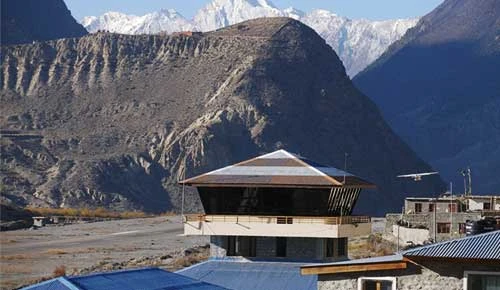
The fastest way to reach Muktinath is by flying from Pokhara to Jomsom. The flight takes approximately 20–25 minutes, offering travelers spectacular aerial views of the Kali Gandaki Valleyand the surrounding Himalayan peaks, including Annapurna and Dhaulagiri. After landing at Jomsom Airport, you can hire a jeep or take a short drive to Muktinath, which usually takes around one hour by road. This option is ideal for those who want to save time, avoid long road journeys, or experience the mountains from above. The flight is comfortable and safe, and it gives a beautiful perspective of the landscape below, including rivers, cliffs, and the traditional Tibetan-style villages along the route.
By Helicopter
A helicopter ride is the quickest and most convenient way to reach Muktinath, and it is perfect for travelers who want to avoid long roads or difficult terrain. This helicopters tour are available from Kathmandu and Pokhara, taking about 3:30 hours from Kathmandu and 2:30 hours from Pokhara, depending on the weather. The flight is not only fast but also offers stunning aerial views of the Himalayas, river valleys, and snow-capped peaks along the way. Helicopters usually land near the temple area, allowing easy access without trekking. This option is ideal for pilgrims, travelers with limited time, or anyone who wants a comfortable journey with breathtaking scenery.
Top Attractions of Muktinath Temple
- Muktinath Temple is the main spiritual site visited by both Hindus and Buddhists.
- The 108 Mukti Dhara, or holy water spouts, are used by pilgrims for ritual bathing to purify sins.
- The eternal flame, Jwala Mai, burns continuously even in the cold Himalayan air.
- Narsingh Monastery nearby shows traditional Tibetan Buddhist culture and architecture.
- The Gandaki River is famous for Shaligram fossils, which are considered sacred by pilgrims.
- The temple area offers panoramic views of the Annapurna, Nilgiri, and Dhaulagiri mountains.
- Villages like Kagbeni and Ranipauwa have Tibetan-style houses and local culture.
- Visitors can experience traditional customs, festivals, and religious practices of the region.
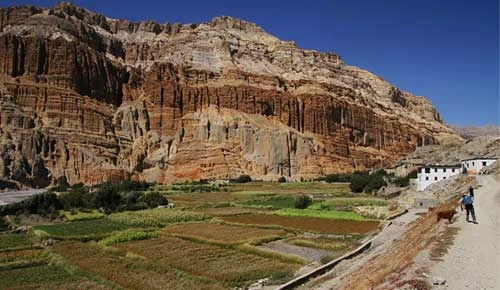
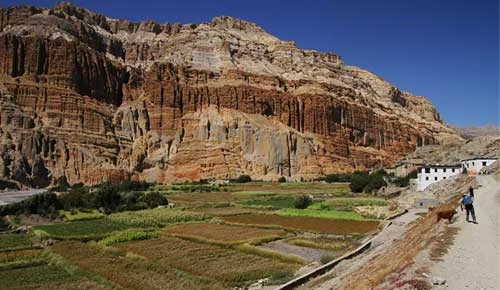
- The surrounding landscape has high-altitude valleys, cliffs, and desert-like terrain.
- The area provides excellent photography spots, especially for sunrise and sunset.
- Muktinath has a peaceful and serene atmosphere, ideal for meditation and reflection.
- Pilgrims and travelers can observe both Hindu and Buddhist ceremonies and rituals.
- The region offers a unique blend of spirituality, nature, and local traditions.
- Nearby trekking trails connect Muktinath to the Annapurna Circuit and Mustang villages.
Accommodation & Food
When visiting Muktinath Temple, travelers can find comfortable lodges, guesthouses, and small hotels near the temple area. The rooms are simple yet cozy, often equipped with warm blankets, clean beds, and basic facilities to make your stay pleasant. Staying close to the temple allows easy access for early morning rituals and sightseeing while also giving a chance to experience the local Himalayan culture and lifestyle.
During peak seasons like spring and autumn, accommodations can fill up quickly, so it is best to book in advance. Many guesthouses provide hot water for showers, small dining areas, and friendly local service. After a day of visiting the temple, exploring nearby villages, or trekking in the surrounding areas, you can relax and recharge comfortably before heading out for your next adventure.
Food in the Muktinath area highlights local and traditional dishes. Visitors can enjoy Thakali cuisine, dal bhat (rice with lentil soup), momos, thukpa, and Tibetan bread, all of which are hearty and satisfying for travelers. Hot drinks such as tea, coffee, and soups are widely available to keep you warm in the high-altitude cold. Sampling local food adds a flavorful touch to your journey, making your stay at Muktinath both memorable and enjoyable.
Things To do in Muktinath Temple
Visit Gandaki River
Visiting the Gandaki River near Muktinath is a unique experience for both pilgrims and travelers. The river is famous for its Shaligram fossils, which are ancient ammonite stones considered sacred in Hinduism. Many pilgrims visit the riverbanks to see and collect these fossils as a form of blessing and spiritual merit. The river flows through the dramatic Kali Gandaki Valley, surrounded by high mountains, cliffs, and open landscapes, creating a picturesque setting for photography and nature walks. Visitors can also enjoy the calm and peaceful atmosphere, watch local people tending to livestock or farming nearby, and experience the harmony between nature and culture. The Gandaki River adds a special spiritual and scenic dimension to a trip to Muktinath.
108 Mukti Dhara
The 108 Mukti Dhara are holy water spouts located within the Muktinath Temple complex. Pilgrims come from far and wide to take ritual baths under these spouts, as it is believed that bathing here cleanses sins and purifies the soul. The water flows continuously from natural springs, and each spout is said to have spiritual significance. Visitors often take turns performing the ritual while others observe respectfully. Even tourists can experience the area and appreciate its religious and cultural importance. The atmosphere around the 108 Mukti Dhara is calm and spiritual, and it provides a unique insight into the faith, traditions, and devotion of Himalayan pilgrims.
Eternal Flame (Jwala Mai)
One of the most fascinating sights at Muktinath is the eternal flame, Jwala Mai, which burns from a natural gas source. This flame is considered sacred by both Hindus and Buddhists and has been burning continuously for centuries, even in the freezing Himalayan air. Pilgrims light butter lamps and offer prayers at the flame as a symbol of spiritual enlightenment and devotion. Visitors can witness this remarkable natural phenomenon while learning about its religious significance. The flame, set against the backdrop of snow-capped mountains, is not only a spiritual attraction but also a photogenic and memorable part of the Muktinath experience.
Visit Buddhist Monasteries
Around Muktinath, there are several Buddhist monasteries that showcase Tibetan-style architecture and religious culture. Visiting these monasteries allows travelers to observe monks performing rituals, chanting, and practicing meditation, providing a deeper understanding of Buddhist traditions. The monasteries are often located in peaceful surroundings with beautiful mountain views, creating a tranquil atmosphere for visitors. You can explore the prayer halls, observe sacred statues, and even interact with locals to learn about their daily life and spiritual practices. This experience helps travelers appreciate the blend of Hindu and Buddhist culture that makes Muktinath unique.
Nature and Photography
Muktinath is surrounded by breathtaking Himalayan landscapes, making it a paradise for nature lovers and photographers. From the temple area, visitors can see the Annapurna, Dhaulagiri, and Nilgiri mountain ranges, high-altitude valleys, and rivers. The mix of desert-like terrain and green patches creates a dramatic natural contrast. Travelers can take short hikes to capture panoramic views, sunrise and sunset shots, and cultural scenes of locals performing rituals. Nature enthusiasts can also observe local flora and fauna in the high-altitude environment. Overall, Muktinath provides endless opportunities for photography and exploration, combining spirituality with stunning natural beauty.
Observe Local Agriculture
The areas around Muktinath are home to small farming communities, where locals grow crops such as barley, potatoes, and vegetables suitable for high-altitude conditions. Observing their traditional farming methods offers insight into how Himalayan communities survive in harsh climates. Terraced fields and irrigation channels show centuries-old techniques still in use today. Visitors can see how locals prepare the soil, sow seeds, and maintain the fields while balancing livestock care. Learning about local agriculture also highlights the strong connection between people, land, and culture, adding depth to a visit that goes beyond temples and mountains.
Enjoy Local Cuisine
Muktinath and its surrounding areas offer delicious traditional food that reflects the Himalayan and Tibetan culture. Travelers can enjoy dishes like Thakali dal bhat (rice with lentil soup), momos (steamed dumplings), thukpa (noodle soup), and Tibetan bread. These meals are filling and provide energy for trekking or temple visits. Tea, coffee, and hot soups are commonly served to combat the cold high-altitude weather. Sampling local cuisine also gives visitors a chance to experience the culture and hospitality of the region, making every meal a memorable part of the Muktinath journey. Local restaurants and lodges often prepare food with fresh ingredients, giving you an authentic taste of Mustang flavors.
Available Trekking Packages
- Upper Mustang Trekking: Explore the remote Upper Mustang region, famous for its Tibetan-influenced villages, ancient monasteries, and high-altitude desert landscapes. This trek offers a unique blend of culture, adventure, and panoramic mountain views, allowing travelers to experience the peaceful lifestyle of the Mustang people.
- Upper Mustang Tiji Festival Jeep Tour: Enjoy the famous Tiji Festival in Lo Manthang with a comfortable jeep tour. Travel through scenic villages, witness traditional dances and rituals, and explore ancient monasteries, making it a perfect cultural adventure without long trekking.
- Upper Mustang Jeep Tour – 7 Days: A 7-day jeep tour covering major villages, monasteries, and stunning desert-like valleys of Upper Mustang. This tour is ideal for travelers who want to explore the region’s culture and landscapes comfortably and conveniently.
- Jomsom Trek: A classic trek through the Kali Gandaki Valley, passing Marpha, Lete, and Kagbeni before reaching Jomsom. Enjoy apple orchards, stone houses, small monasteries, and beautiful views of the Annapurna and Dhaulagiri ranges on this accessible and scenic route.