A Typical Day on the Trek
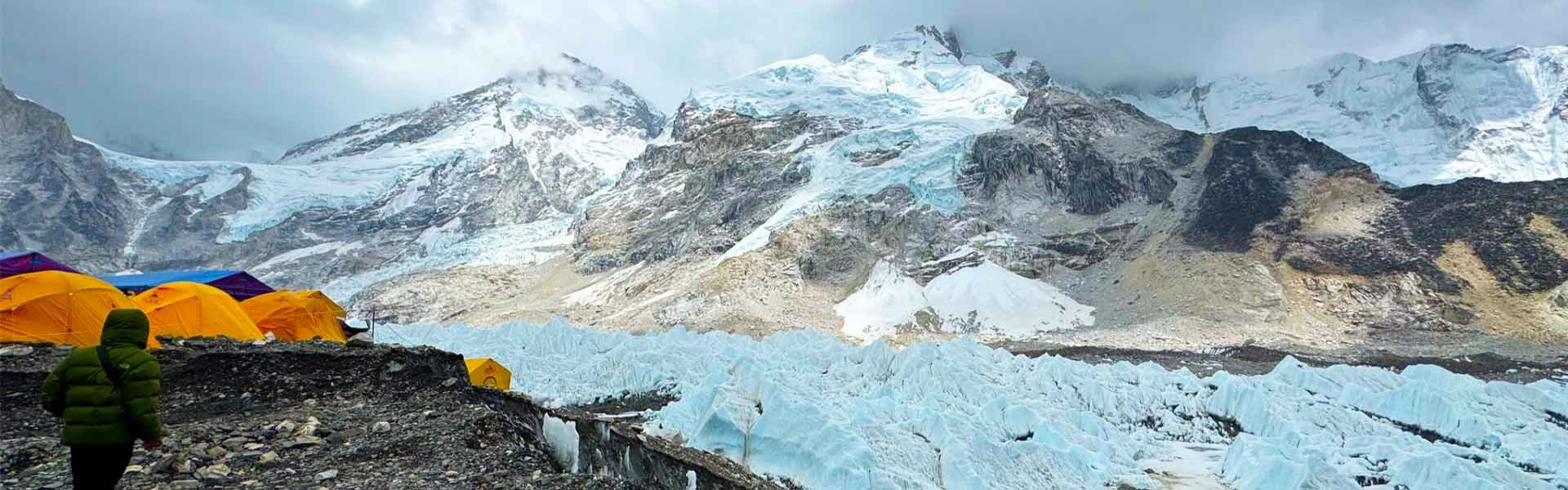
Trekking in Nepal is an unforgettable experience where every day feels magical. In Nepal, a normal trekking day would start when the first sunlight touches the snow-capped mountains and turns them to pink and gold. The air is fresh and cold, carrying the scent of pine, earth, and wildflowers, while the soft sounds of birds, gurgling streams, and the fluttering prayer flags create a peaceful and serene atmosphere. Trekking through forests, meadows, and small mountain villages, you are surrounded by stunning landscapes at every step. Every single moment is an opportunity to pause, take a deep breath and enjoy the beauty of nature and the calmness of the Himalayas in full.

The daily trekking routine in Nepal follows a simple and rewarding format that balances adventure, rest and experiences locally. Mornings are golden and serene, afternoons are filled with scenic treks and explorations and evenings in cozy teahouses allow trekkers to relax, have hearty food and share stories with other travelers. Understanding this daily routine on the trek helps you to remain energetic and in touch with nature as well as spend the best moments on the trail. Nepal is one of the most wonderful places to see every day and to plunge into the world of mountains and the specific rhythm of Himalayan life.
Table of Contents
![Manaslu Circuit Trek]() Best of Manaslu Region
Best of Manaslu Region![Everest base camp trek 14 days itinerary]() Traveler's Choice
Traveler's Choice![Annapurna Base Camp Trek from Kathmandu]()


Morning on a Typical Trekking Day in Nepal
Instead of a programmed alarm, the day starts with the beautiful light of the sun beaming on the tops of the mountains. There is a smell of pine and dirt in the air, which is clean and fresh. The teahouse's windows let you see the valley come to life. Streams in the distant sparkle, birds fly across the sky, and the mountains gleam in pink and gold. The pulse of these early hours is calm. Trekkers stop to stretch, breathe deeply, and enjoy the moment. You can only hear the peaceful sounds of nature, which encourage you to take one step at a time today.

Even when it's quiet, you can feel life in the air and eagerness for the day. As the first footfalls and quiet voices fill the teahouses, you feel like you're part of a bigger group of travelers who are all sharing this great yet common experience. Every morning in the Himalayas is a gentle reminder to slow down, pay attention, and let the mountains mold your day in a calm and lasting way.
Breakfast and Preparing for the Day on the Trail
The day begins with beautiful morning light and a big breakfast. In the teahouse, you could smell fresh bread, cereal, or eggs. Before they begin the trail, trekkers sit around little tables and share small smiles and laughs while enjoying the simple pleasure of a nice meal. The day's briefing also happens during breakfast. Your guide will go over the route with you, point out any possible hazards, and offer you advice on the weather and the ground. When you drink a hot cup of tea or coffee, it's good to know what's coming up.
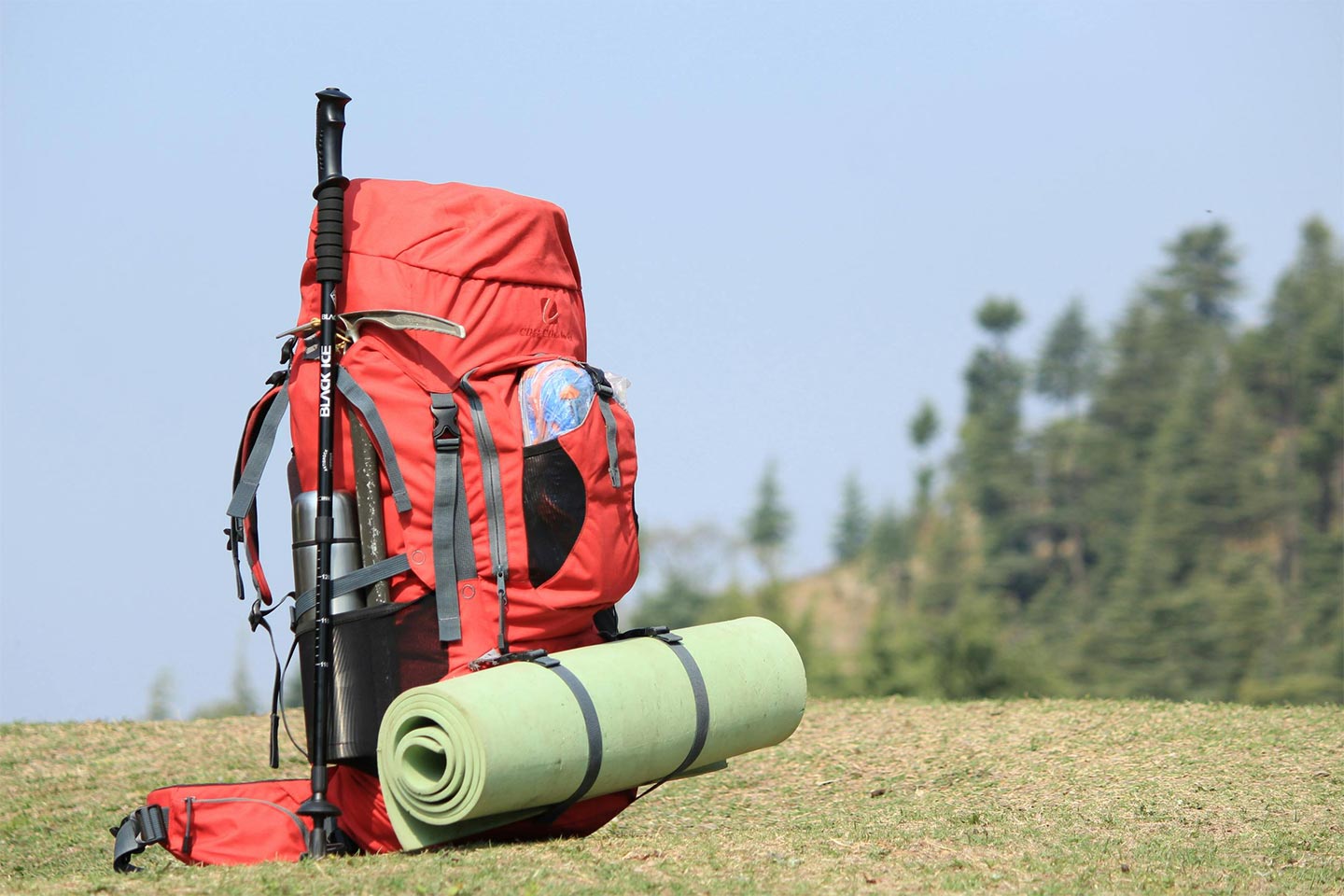
Get your trekking poles, drink, clothes, and snacks ready for now. You should also inspect your backpack and make sure your laces are tight. This little habit keeps you grounded. Every food and beverage, every word from the guide, and every boost of confidence are inviting you to the route. You're set to have another wonderful day in the Himalayas.
Starting Your Daily Trek: First Steps on the Trail
Now that breakfast is finished and the bags are packed, it's time to hit the road. It's still a bit cold in the morning, and every breath seems fresh and new. The path runs through tiny towns, meadows, or woods, depending on where you're going. The birds singing overhead, the streams nearby gurgling, and the scent of wood smoke coming from surrounding homes every now and again all convey that life goes more slowly here. Your guide controls the pace and teaches you about the region, shows you interesting places to see, and makes sure everyone is safe and comfortable.

The first few hours of the day are often the easiest since you're full of energy and everything seems new. You get used to the rhythm of trekking, the pounding of your feet, and letting your mind wander or soaking in the beautiful scenery. Every step is a small adventure, a new perspective of the mountains, and a reminder that you are on this vacation to have fun.
Midday Rest and Lunch: Refreshing During the Trek
The sun is shining, you've been trekking for four or five hours, and your heart rate has finally stabilized following the morning's climb. The trail ends at peaceful river locations and small mountain meadows, which serve as perfect spots to rest and enjoy the natural beauty around you. The breaks serve as more than breathing breaks because they allow you to connect with nature while enjoying the peaceful mountain environment.
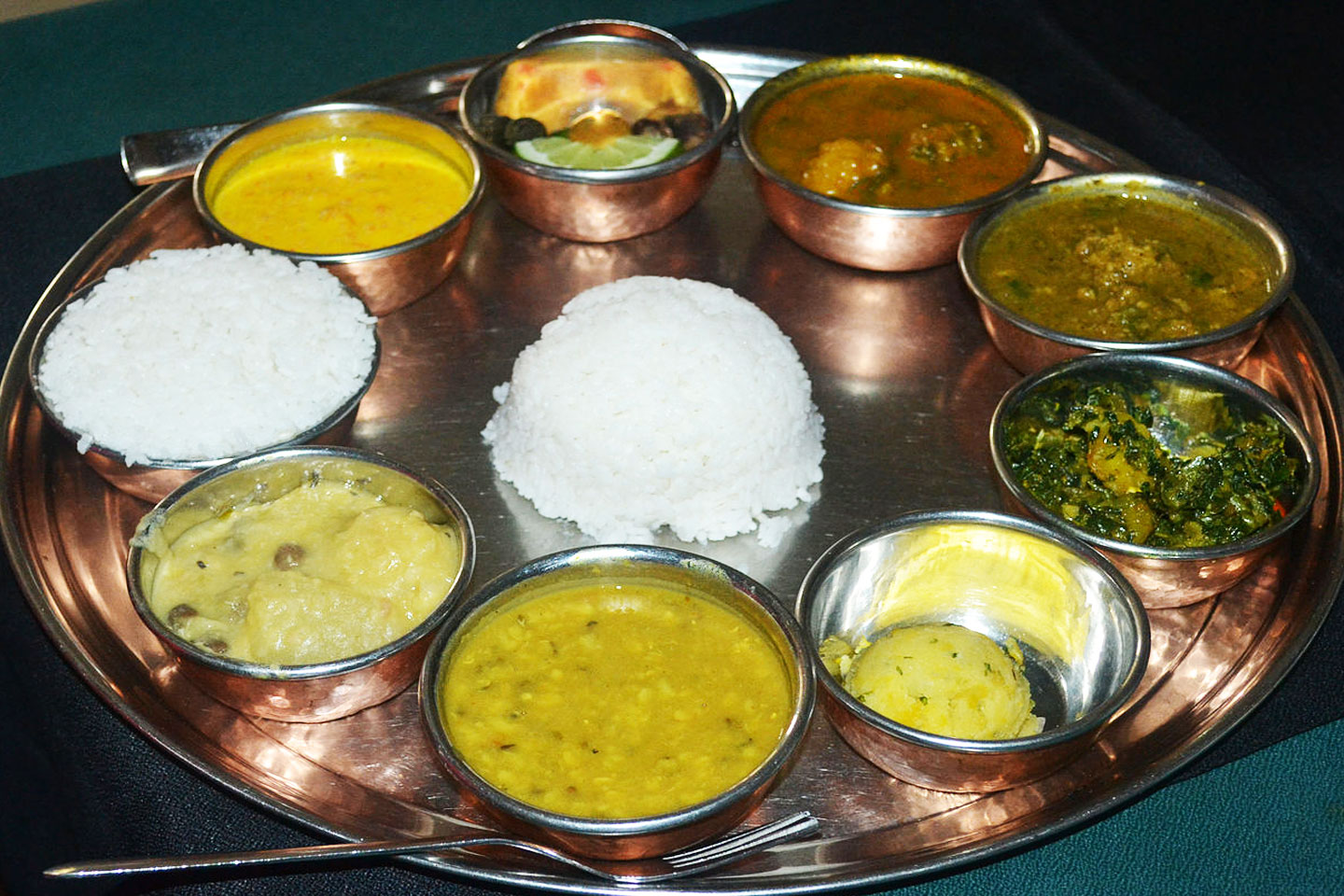
Lunch is easy, filling, and substantial. You can frequently find plates of dal bhat, noodles, or rice with vegetables in the teahouses or lodges along the route. These foods will replenish your energy and keep you warm from the inside out. Eating meals with other trekkers fosters a sense of camaraderie, and the topic of conversation frequently veers from the surrounding landscape to anecdotes from earlier trail days. The pace slows down during these times, giving you time to think back on the morning's journey. To get your body and mind ready for the next part of the day, you stretch, drink water, and occasionally even take a quick nap. Lunch isn’t just about food; it’s a pause, a reset, and a chance to fully appreciate the world around you before continuing your Himalayan adventure.
Afternoon Trek and Arrival at Your Teahouse
After lunch and a short rest, it's time to go back on the route. The light in the afternoon gently shines on the mountains, and the path changes often. Sometimes it's a harder climb, sometimes it's a stretch through the forests, and sometimes it's a crest that gives you wide, lovely vistas. With each step, the environment changes and fresh surprises appear around every corner. It's a mix of labor and fun.
Your guide keeps a steady pace, making sure that everyone is safe and hydrated while narrating stories or pointing out interesting locations along the way. As you trek, minor things catch your eye, like the sound of waterfalls in the distance, prayer flags flying, or youngsters waving from little towns. These times make the trip feel genuine and personal, connecting you to the place and the people that live there.

By late afternoon, you should be able to see the teahouse, which will be your temporary home for the night. You feel better and like you've done something right immediately. You set down your load, stretch your legs, and take a few minutes to breathe and look about. The teahouse has hot tea, food, and nice people to talk to. It's not only a place to unwind; it's also a place to get your energy back, share experiences from the day, and be ready for whatever tomorrow brings.
Evening Routine and Relaxation After Trekking
As the sun sets behind the peaks, the teahouse takes on a lovely golden color. The valley is quiet now, and the path is quiet too. Evenings are simple but enjoyable. You may take hot showers (if you can obtain them), drink warm drinks, and listen to other trekkers share stories about their day. Dinner is healthful and satisfying, and it usually contains local delicacies like vegetable curry or dal bhat. This offers your body the energy it needs to repair and be ready for the following day. Some people who trek write about their day after supper, while others just relax and watch the mountains change color as night sets.
Before you go to bed, your guide will often go over the next day's route and check that your things are in order. The day is drawing to a close slowly. The mountains are quiet, and the only sounds you can hear are the wind or a creek in the distance. You can sleep well here, and it feels good. After all the trekking you did today, you're tired, joyful, and eager for another adventure tomorrow.
Essential Gear and Daypack for a Trek in Nepal
A well-packed daypack provides essential support, which becomes evident during trekking activities. The right equipment selection helps you maintain comfort and safety while preparing for unexpected weather shifts and trail challenges. The key to a successful trek lies in carrying essential items, which prevent you from stressing about forgotten items. "You should check our complete packing guide, Nepal Packing Checklist," to learn more about trekking essentials. The following list shows which items every trekker needs to carry in their daypack:
- Carry a reliable daypack with comfortable straps and proper back support.
- Keep a hydration system or water bottle accessible for easy drinking on the trail.
- Use layering gear so you can adjust quickly to temperature changes.
- Pack a compact rain jacket to stay protected during sudden weather shifts.
- Bring light, high-energy snacks to maintain steady stamina.
- Keep trekking poles handy to reduce knee strain on steep ascents and descents.
- Store sun protection items like sunscreen, sunglasses, and a hat in an outer pocket.
- Add a small first-aid kit for quick treatment of blisters or minor injuries.
- Use a headlamp for situations where you start early or reach the teahouse late.
- Carry basic hygiene items to stay fresh and comfortable throughout the day.
Tips for a Safe and Enjoyable Trekking Day
Spending a full day on the trails might prove to be one of the greatest experiences in your life; however, it also offers a few difficult challenges. The changing weather conditions, as well as the physical demands placed by trekking long distances, require you to have some essential skills. Learning a few simple strategies can help relieve some of those challenges and allow you to have more enjoyable, safer, and less stressful trail experiences. To make your journey smoother, For detailed tips and advice, read our complete guide: Preparation for Trekking in Nepal. Here are the essential tips to help you stay energized, comfortable, and fully present so you can focus on what really matters: the mountains, the trails, and the rhythm of your own footsteps.
- Start early and walk at a steady pace to conserve energy and enjoy the scenery
- Drink plenty of water throughout the day to stay hydrated and prevent fatigue
- Dress in layers so you can easily adapt to changing mountain weather
- Pack light, but don’t forget essentials like snacks, water, rain jacket, trekking poles, and a first-aid kit
- Eat a nutritious breakfast and carry small snacks to keep your energy steady
- Listen to your body and take breaks whenever you feel tired
- Follow your guide’s instructions for safety and best route guidance
- Protect yourself from the sun with sunglasses, sunscreen, and a hat
- Keep a positive mindset to enjoy the journey, even when the treks get challenging.
Enjoying the Daily Experience on the Trail in Nepal
A day on the trail in Nepal offers more than trekking between destinations; it follows a natural flow that tells stories and creates bonds between you and the mountains and nature and your inner self. The journey becomes unforgettable through peaceful golden mornings shared meal moments, breathtaking nature stops, and tranquil nights at the teahouse. The Himalayas offer beauty, calm and adventure, which every trekker can fully enjoy with proper preparation and by following basic guidelines.
Go beyond the map. Your Himalayan journey awaits; Contact us today to start planning your trek!
Samikshya Khatiwada
Drop us a message