What Changes Emotionally After Day 7 of the Short Everest Base Camp Trek ?
A short Everest Base Camp trek promises the awe-inspiring reward of being beneath the world’s highest mountains but in far less time than a regular EBC trek. Although the physical distance and altitude remain the same, the emotional experience is entirely unique. The days are condensed, acclimatization is minimal, and the increased speed causes the body to adapt quickly, while the mind can sometimes struggle to keep up with the rapid changes occurring around it.
Skipping acclimatization days means faster results in gaining the altitude, sharper physical experiences and emotional responses. The excitement of flying into Lukla, the thrill of trekking through Sherpa villages, the quiet awe of towering peaks, and the fatigue from constant elevation gain all arrive simultaneously. The emotions of pride, fear, exhilaration, and doubt appear immediately, leaving little room for reflection or mental processing.

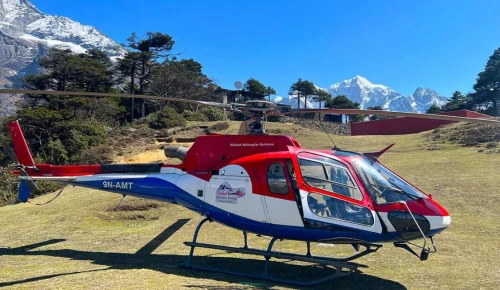
By Day 7, the expedition reaches an emotional climax, with the helicopter flight down potentially marking the physical end of the expedition, yet the mind and heart are still catching up. The short Everest Base Camp trek compresses time, leaving an unforgettable impression on your spirit and changing how you view yourself and the world.
Table of Contents
![Helicopter Landing at Kala Patthar Viewpoint during Everest base camp helicopter tour]() Best Seller
Best Seller![Everest base camp trek 14 days itinerary]() Traveler's Choice
Traveler's Choice![Everest Base Camp Short Trek]() Shortest Everest Base Camp Trek
Shortest Everest Base Camp Trek


Emotional Compression: Feeling Everything at Once
On a short Everest Base Camp trek, emotions don’t unfold gradually—they arrive all at once. Without acclimatization days, the mind has little time to adjust to the constant elevation gain, changing landscapes, and physical fatigue. Trekkers often describe this phase as an emotional compression, where excitement, anxiety, determination, and self-doubt exist simultaneously.
One moment you’re overwhelmed by the beauty of the Khumbu Valley; the next, you’re mentally calculating your breathing and pace. This emotional intensity is especially common in fast-paced Everest Base Camp trek packages with helicopter return, where each day pushes both altitude and emotions higher.
As the trek progresses toward Namche Bazaar, Tengboche, and Dingboche, emotional responses become sharper. Small challenges feel bigger, and achievements feel deeply personal. The lack of rest days means there’s no pause to emotionally “reset,” causing trekkers to internalize their experiences rather than express them. Many begin walking in silence—not out of exhaustion, but reflection.

This mental shift is a defining feature of short EBC trek itineraries, distinguishing them from classic Everest Base Camp trekking packages. The Himalayas don’t just surround you—they confront you, forcing emotional honesty and heightened self-awareness.
By the time trekkers approach Lobuche and Gorakshep, emotional compression reaches its peak. Relief, fear, pride, and vulnerability overlap, creating a powerful psychological experience. This is why the itinerary includes helicopter packages, making the journey back to Kathmandu easy and comfortable. The compressed emotional journey makes the experience unforgettable, leaving trekkers mentally transformed even before reaching Everest Base Camp itself.
Day 1–3: Excitement Mixed With Subtle Anxiety
(Lukla – Phakding – Namche – Tengboche)
The journey begins the moment your plane lands in Lukla, which is one of the most dramatic airstrips in the world. The thrill of landing at 2,860 meters is immediate. The air is fresh and alive, and there are prayer flags fluttering in the wind on both sides of the plane. Excitation is often accompanied by a certain level of nervousness. You are very far away, in the mountains, and the adventure has just begun.
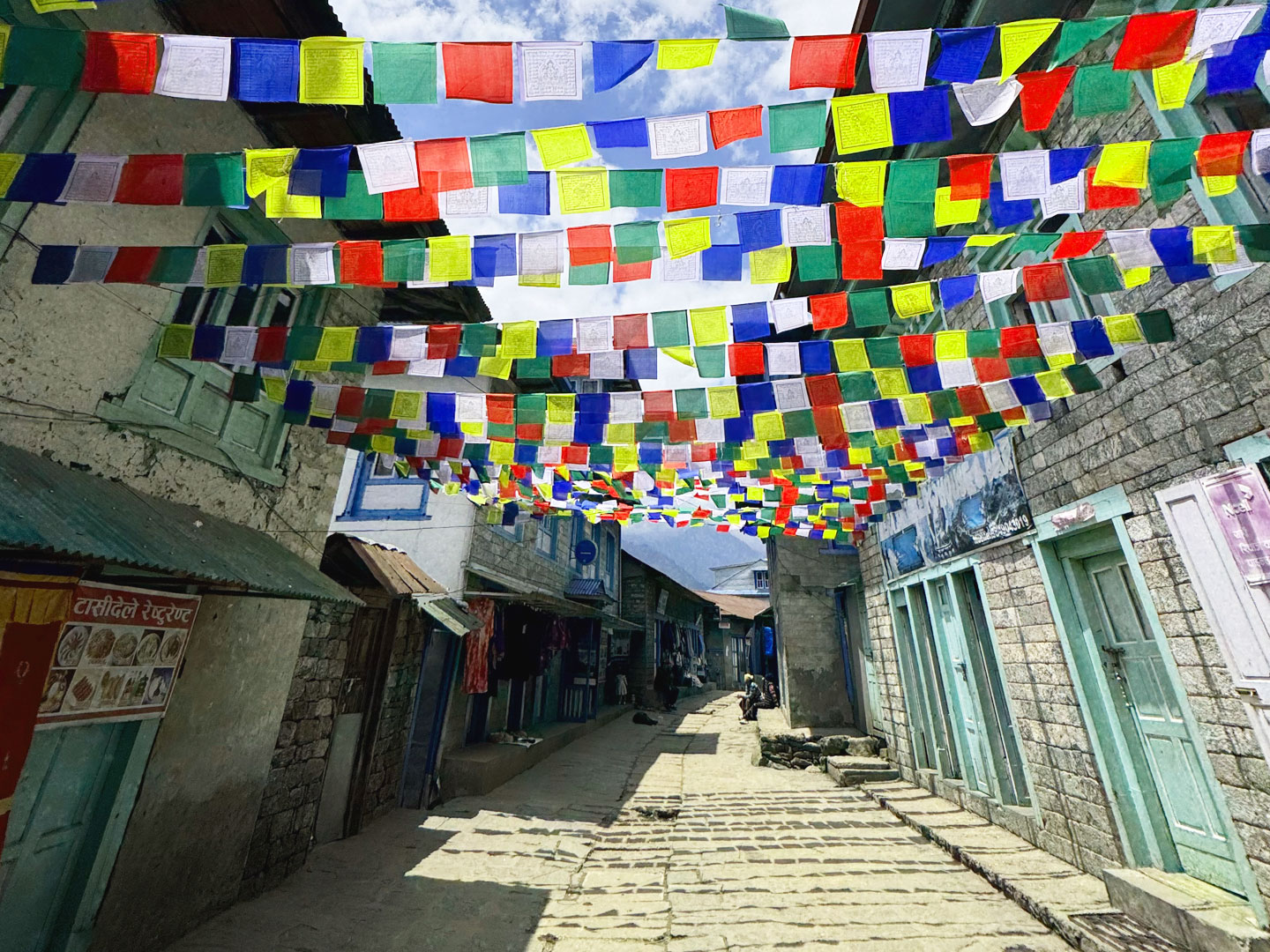
The trek from Lukla to Phakding is not difficult and beautiful; it is located along the Dudh Koshi River, passing Sherpa villages, lush forests, and bridges painted in colorful flags. It is a perfect beginning to the rhythm of trekking life: modest teahouses, friendly people, and a view of the Himalayan mountains. The expedition proceeds to the Namche Bazaar, which is more difficult. It is faster since fewer days of acclimatization and pressure from advancing heights are involved. The bustling energy of Namche, along with its markets, cafes, and trekkers of every nationality, provides a mix of excitement, curiosity, and subtlety.
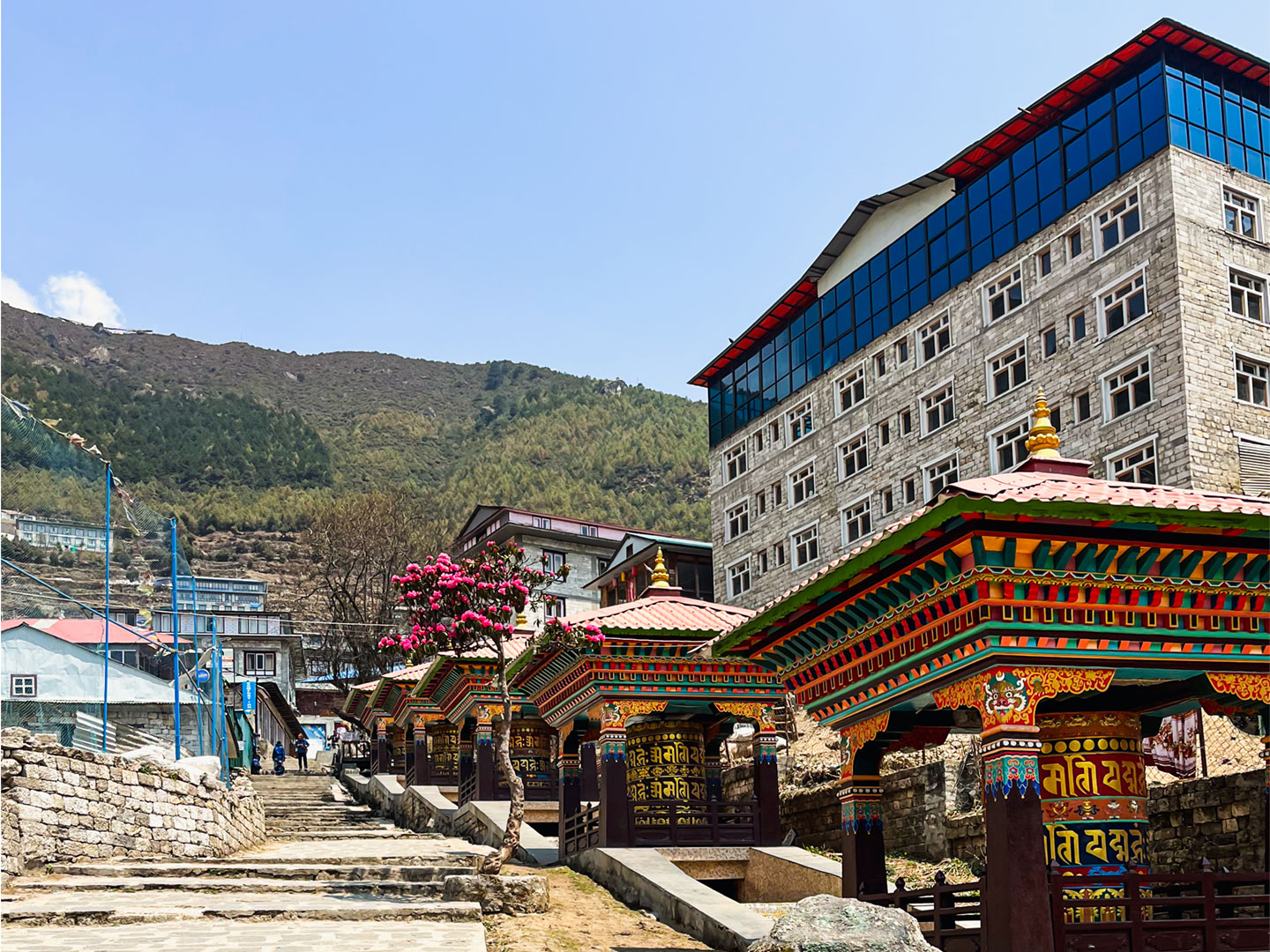
On Day 3, the journey continues to Tengboche. The trail descends gently to the Dudh Koshi River and then climbs through the rhododendron, pine, and juniper forests. Trekkers get a glimpse of Ama Dablam, Lhotse, and Everest when crossing small suspension bridges and stopping at Phungi Thenga. Reaching Tengboche Monastery provides an effective emotional contrast: the calm serenity of the monastery, the fluttering flags in the prayer, and the mountains around it bring relaxation and peace. It’s a fleeting calm, however, because the trek ahead will test both endurance and emotional resilience. These first three days are a blend of joy, nervous anticipation, and quiet introspection, setting the tone for the mountaintop struggles that will come.

Day 4–5: Mental Fatigue Appears Before Physical Fatigue
(Dingboche – Lobuche)
During Days 4 and 5, many trekkers observe that mental fatigue sets in before physical exhaustion. The trail climbs steadily toward Dingboche and Lobuche, and the growing altitude requires focus, patience, and inner strength. Each step feels heavier due to the slope, but because your mind begins to weigh the challenge ahead.

Even the slightest symptoms of altitude sickness may create silent anxiety. Thoughts like, "Will my body manage tomorrow?" or “Am I pushing too hard?” linger constantly. Conversations with other trekkers become shorter, silence grows more common, and internal reflection deepens. These days are as much a physical as a mental test, forcing trekkers to examine their motivation, pace, and resilience. The elevation of stress and the pressure of emotions create a subtle tension, an invisible weight that prepares you for the demanding days that follow.
Day 6: Everest Base Camp: Joy Without Celebration
(Gorakshep – EBC)
On the sixth day, trekkers take on one of the most unforgettable sections of the expedition: the trek between Lobuche and Gorak shep and then reaching Everest Base Camp. Covering approximately 11km over 7-8 hours, the day begins with a trek through rough-edged paths, rocky terrain and high mountain passages that provide breathtaking scenery of Mount Pumori, Khumbu Glacier and the dramatic scenery of the Khumbu region. The morning climb to Gorak Shep, the last high-altitude village before the base camp, allows trekkers a brief rest and an opportunity to refuel with lunch before undertaking the last stretch.
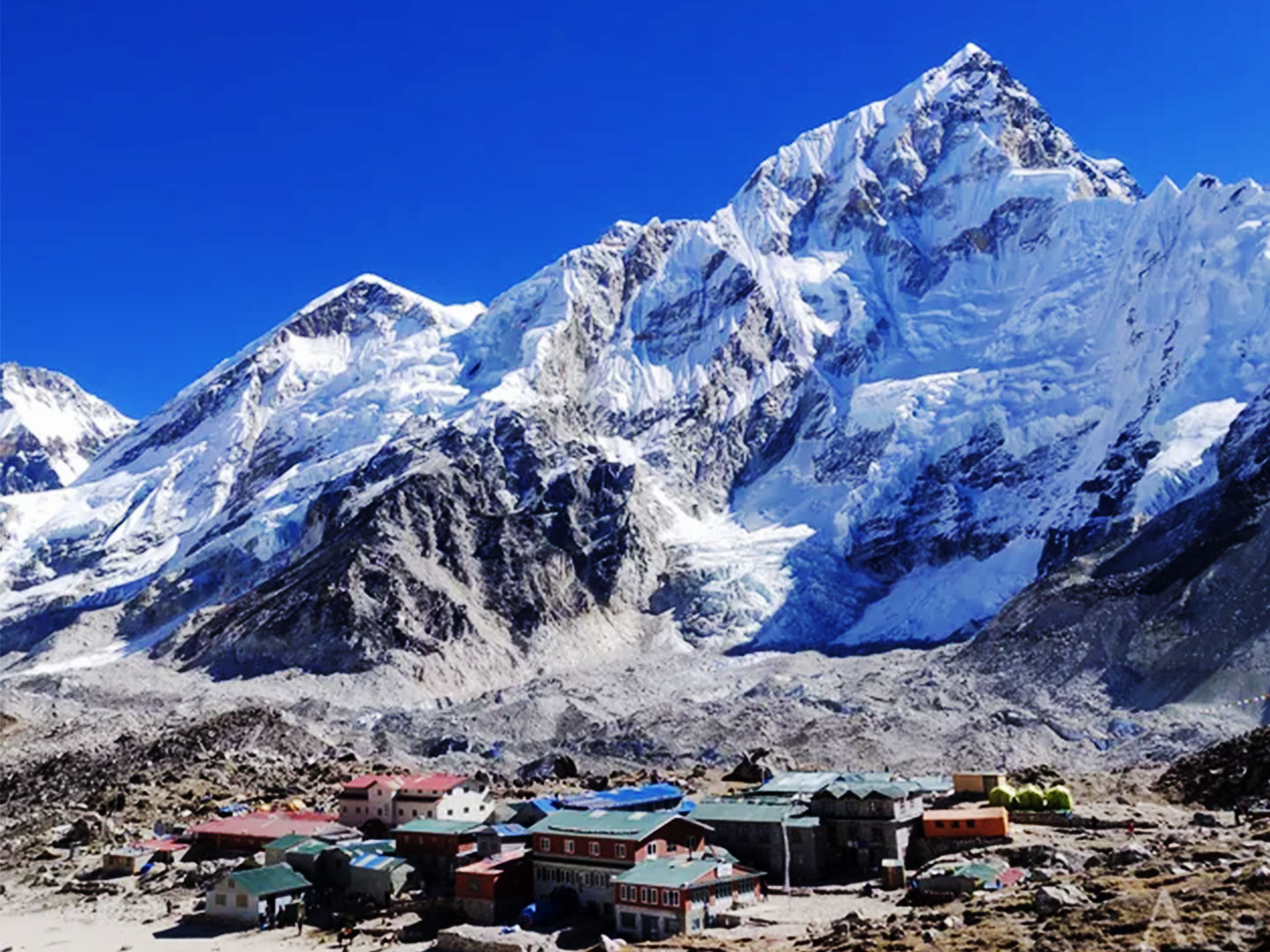
From Gorak Shep, it’s a 1-2 hour trek through uneven and rocky trails that leads to Everest Base Camp, where the Khumbu Icefall and colorful prayer flags are located, the legendary camp used by climbers preparing for Everest expeditions. During a short EBC trek, trekkers usually experience happiness accompanied by silence and reflection rather than loud celebration. Exhaustion is combined with relief, pride, and awe, creating a humbling feeling of accomplishment. Once they are saturated with the sights and have captured photographs, trekkers return to Gorak Shep to spend the night, staying in a cozy teahouse (twin sharing), with food included, preparing for the emotional nature of the final day's sunrise trek.
Night at Gorakshep: Emotional Vulnerability Peaks
The most emotionally intense of the short Everest Base Camps is usually the night at Gorakshep. The air is thin at almost 5,000 meters and sleep is restless and the fatigue of the body makes the mind unusually rough. All the sounds, all the movements, and even the silence of the mountains are magnified.
Homesickness may arise unexpectedly, and the memories of comfort and routine are remote and almost unreal. The process of spiralizing is easier to understand, but trekkers often overthink every decision they made, analyzing each step and emotion of the day. Standing in this silent, elevated village, within this stark Himalayan scenery, it becomes clear how far they are, not only from sea level but also from familiar surroundings, habits, and daily life. This night is one of extreme vulnerability, a deeply personal experience in which the physical struggle and emotional intensity converge, leaving many feeling both fragile and deeply alive.
Day 7 Morning Hike to Kala Patthar: A Quiet Emotional Release
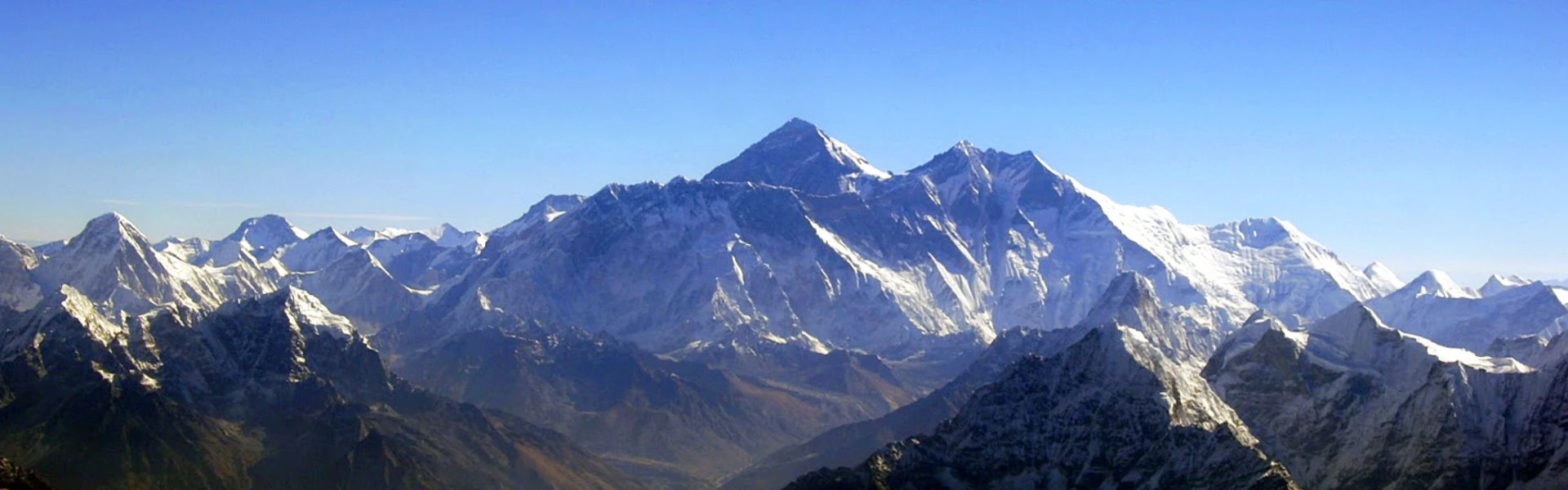
The final day of the expedition begins very early in the morning with a very high climb from Gorakshep to Kala Patthar, which is a very high viewpoint of about 5,545 meters. The route is short, not more than 2.5 km, but the climb is difficult, which can be finished in 1-2 hours depending upon the speed of trekking and acclimatization. The summits of Mount Everest, Lhotse, Nuptse, and Changtze are bathed in golden light as the sun rises and they make one of the most breathtaking panoramas in this world.

Reaching the top of Kala Patthar is more than a physical achievement but it's an emotional accomplishment. The experience is overwhelmingly filled with feelings of wonder, humility, and a sense of insignificance that trekkers achieve. The intense struggle of the previous week, the elevation, and the magnificent view converge, creating a silence, and acceptance ensues. The views and wonderful photo memories further shorten the journey back to Gorak Shep, and the trekkers are ready for the picturesque helicopter flight back to Kathmandu. A 169 km flight that takes approximately 1.5 to 2 hours offers an exclusive aerial view of the Himalayas wherein one can finally consider the journey before returning to the comforts of Kathmandu and celebrating the trek with a final meal.
Helicopter Return: Sudden Emotional Detachment
(Gorakshep to Kathmandu)
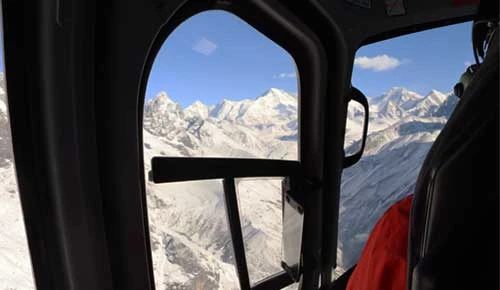
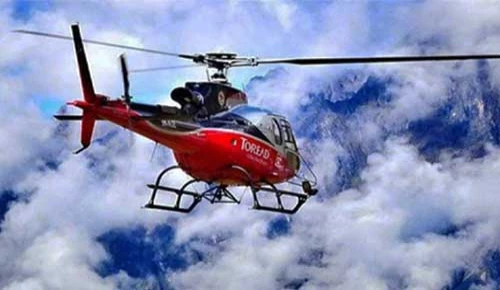
The helicopter return from Gorakshep to Kathmandu is the physically thrilling one, with an exclusive aerial view of the Khumbu Valley. You will trek around the snow-topped mountains, glaciers, and deep valleys, which include Mount Everest, Lhotse, and Nuptse. The Himalayas in their entire majesty are revealed in the speedy flight in a way that no personal trekking journey could do.
Although the view is spectacular, the speed of the descent can be emotionally off-putting. Within two hours of leaving the high-altitude world that shaped the trek, the scenery disappears abruptly. This leaves trekkers feeling both relieved and also sensing that the journey was too short. The intensity of emotions from the previous week, including work, exhaustion, and awe, does not fade as quickly as the mountains below, resulting in a strange feeling of emotional disconnection.
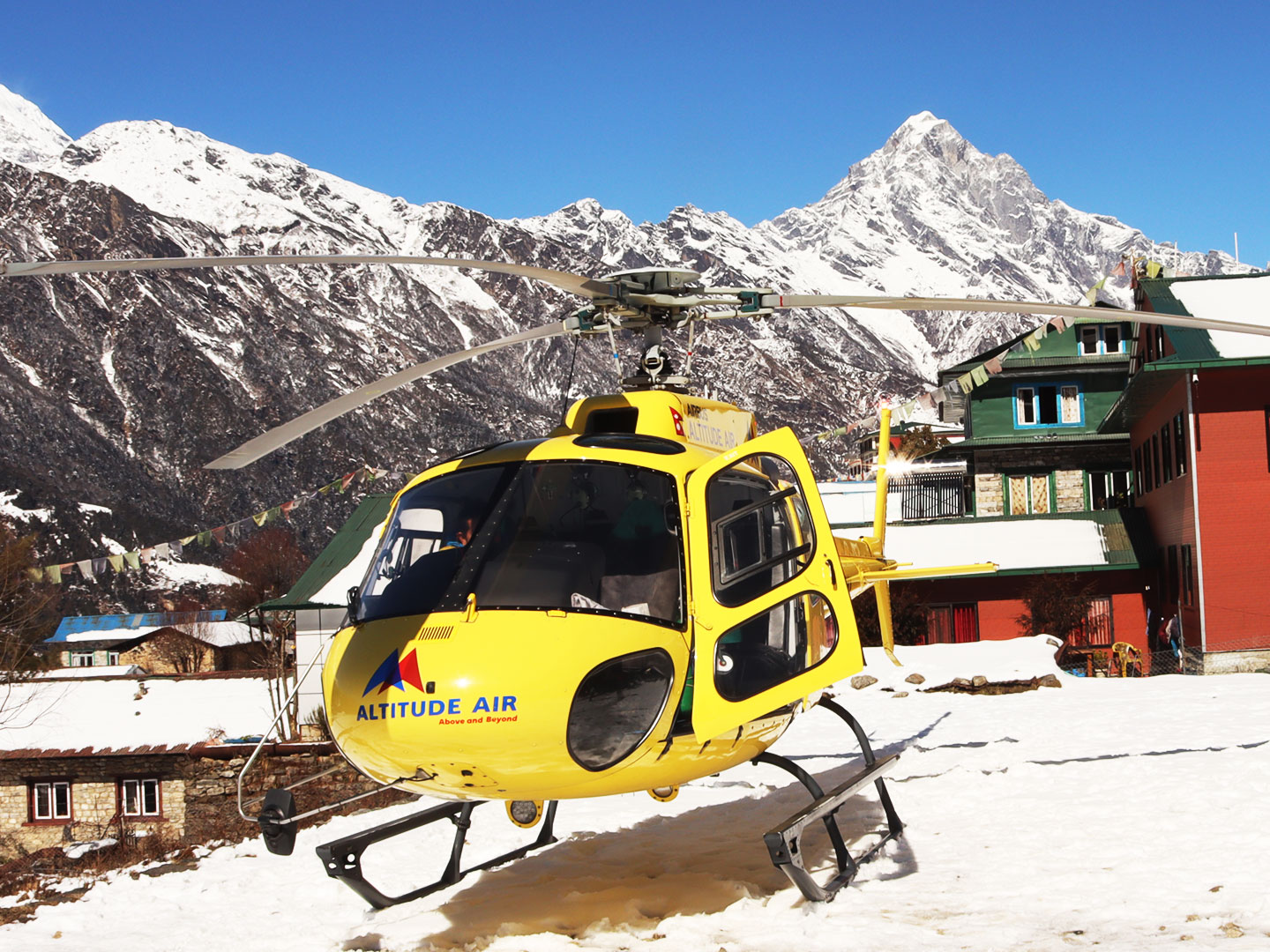
This helicopter to Kathmandu is not only a means of transportation. It is a transition from the calm, quiet, serene wilderness of the Himalayas to the world below, which is busy and familiar. Most trekkers feel reflective, detached, and even slightly disoriented as their minds and hearts catch up to the journey and realize that it is physically over while the emotional experience continues to unfold.
Post-Flight Emotional Whiplash
Returning to Kathmandu after the helicopter descent may seem like a dream. The quietness, stillness, and vastness of the Himalayas contrast with the traffic and noise of the city and modern conveniences. The mountains, trails, and high-altitude challenges are now remote, distant, and dreamlike.
The experience that many trekkers would have is difficult to describe. Photos, explanations, and stories can always seem insufficient to describe the magnitude of an adventure and the emotions it stirred. While the body begins to recuperate from exhaustion, the mind and heart often relive the moments of victory, amazement, and reflection.
This lingering mental and emotional adjustment, which persists over time, is what many call emotional whiplash. Even though the short trek to Everest Base Camp concludes with a helicopter ride, the emotional impact lingers for days or even weeks. Days later, when trekkers return to a normal way of life, they tend to feel nostalgic, awe-filled, and have greater personal resilience.
Unique Emotional Traits of a Short EBC Trek
A short Everest Base Camp trek creates a very different emotional effect compared to a traditional and longer trek. The journey moves quickly, leaving little time to pause and reflect on each moment encountered. Instead of the slow-building nostalgia that comes with a longer trek, trekkers' typical intense emotions spike: feeling awe, pride, exhaustion, and humility simultaneously.
The feelings are intense and real. The experience involves less longing for the trail or gradual adjustment to high-altitude conditions, and it is more direct, focused in intensity. Each achievement, such as flying into Lukla, reaching Namche and Tengboche, and reaching the summit of Everest Base Camp, lands with sharper impact.
The sense of accomplishment is undeniable, and it is often accompanied by some questions and reflections. Thoughts, realizations, and emotions can resurface long after the landing of the helicopter, leaving trekkers with a deeper, more personal perspective of their strength, boundaries, and the emotive strength of the mountains.
Why Understanding These Emotional Changes Matters
Understanding what to expect emotionally after Day 7 can make trekkers prepare for the severity of a short Everest Base Camp trek. The body is not the only one that feels the pressure when acclimatization days are missed; emotions can hit fast and strong.
Being aware will assist in maintaining expectations and staying on the ground. Even the most basic exercises, such as journaling, meditating, or being truthful with yourself, can make a big difference, helping you process emotions both during the trek and after returning home. Understanding these changes allows trekkers to be able to enjoy the entire experience without feeling overwhelmed by the sudden emotional highs and lows .

Everest Changes You: Even When You Move Fast
A short Everest Base Camp trek is more than just the final day; it is an emotional turning point. The expedition reveals that Everest challenges the mind to the same extent as the body. Every moment, sight, and step on high ground builds physical and emotional muscle.
The helicopter flight may bring you down quickly, but it's unlikely that you'll feel the same way. Even after leaving the mountains, you still feel relief, awe, pride, and consideration. It is during this delayed processing that the true meaning of Everest becomes apparent, allowing trekkers to experience a profound and lasting sense of accomplishment and belonging to the Himalayas, even after the journey concludes.

Anjila Bhujel
Drop us a message