Top 10 Historic Monasteries in Upper Mustang of Nepal
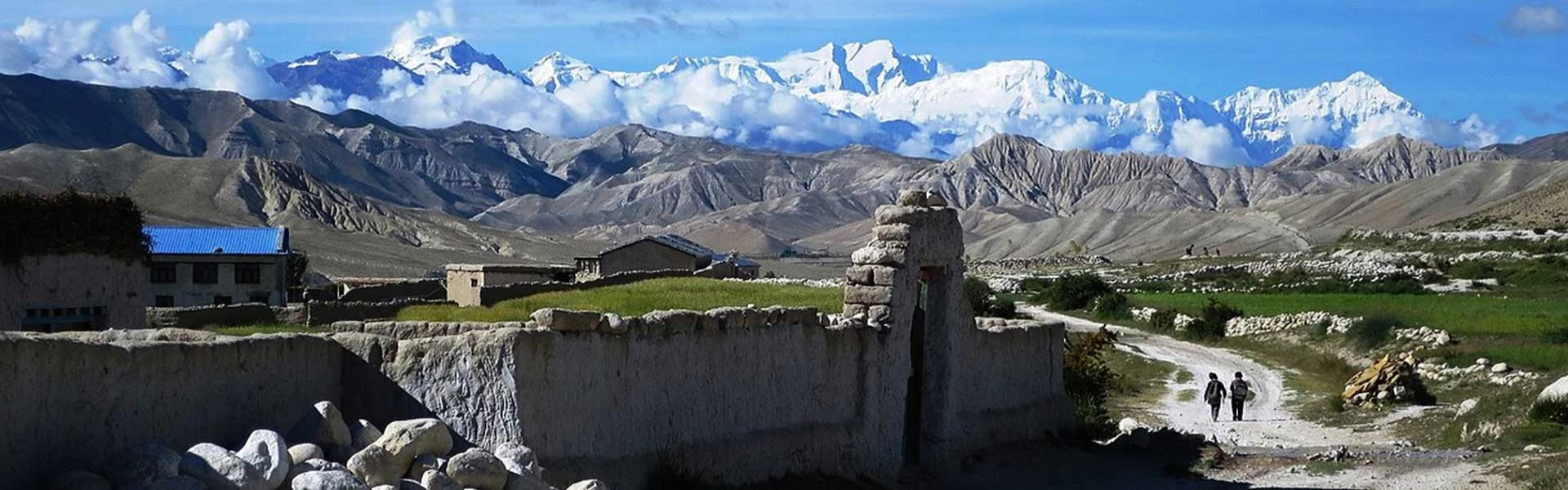
Hidden beyond the dramatic cliffs and windswept valleys of northern Nepal lies Upper Mustang, a place where history, faith, and everyday life still move at a slower, more meaningful pace. Often called the Kingdom of Lo, this remote Himalayan region feels untouched by time. Its dry landscapes, ancient villages, and cave-filled mountains tell stories that go back hundreds of years, long before modern Nepal took shape.
At the heart of Upper Mustang and Lo Manthang are its historic monasteries. These monasteries are not just places of worship,bthey are living museums of Tibetan Buddhism, guardians of ancient murals, manuscripts, rituals, and traditions that have survived isolation and harsh terrain. For local communities, monasteries remain central to daily life, guiding spiritual practices, festivals, and social harmony.
Walking through monasteries like Ghar Gompa, Thubchen Gompa, or Jampa Lhakhang, visitors can sense a deep connection between religion and landscape. Built with mud, stone, and timber, these structures blend naturally into their surroundings, standing strong against powerful winds and time itself. Many monasteries also sit near meditation caves, mani walls, and sacred cliffs, adding to the spiritual depth of the region.
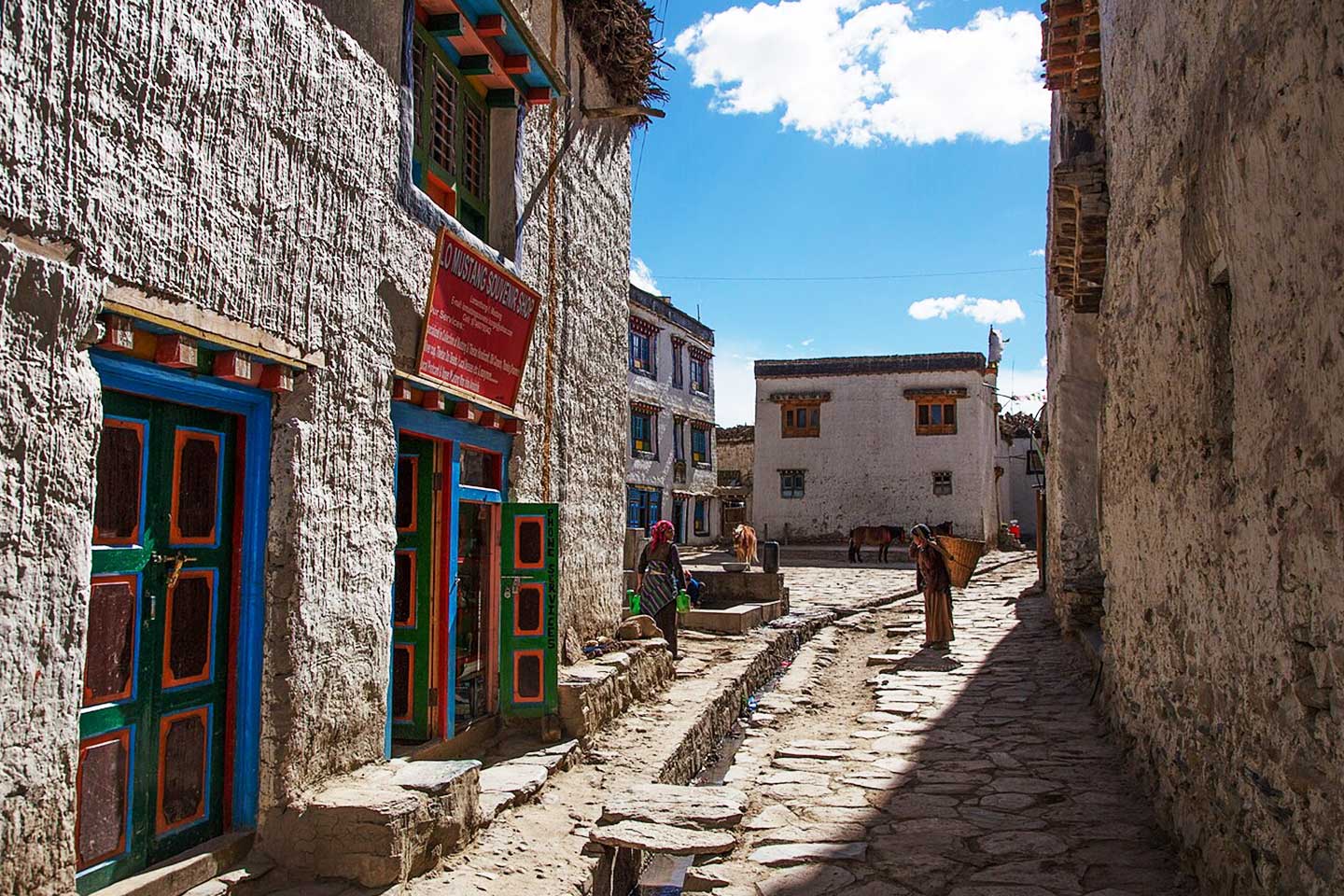
Today, travelers explore these sacred sites through thoughtfully designed Mustang treks and tours, whether on foot, by jeep, or even by helicopter. From long cultural walks to comfortable road journeys, visiting Upper Mustang’s monasteries is not just about sightseeing—it is about understanding a way of life that has remained deeply rooted in faith and tradition.
This guide takes you through the top 10 historic monasteries in Upper Mustang and Lo Manthang, offering insight into their history, spiritual importance, and how they fit into the broader journey through one of Nepal’s most culturally rich regions.
Understanding Monastic Life in Upper Mustang
Monastic life in Upper Mustang is deeply intertwined with the region’s culture, traditions, and daily rhythm of the villages. The monasteries, often perched on hilltops or tucked into cliff sides, are not just places of worship—they are the heart of the community. Monks and nuns dedicate their lives to meditation, prayer, and studying Buddhist scriptures, preserving centuries-old teachings and rituals. Each monastery has its unique architecture, from simple mud-brick structures to elaborate temples adorned with colorful murals and prayer wheels.
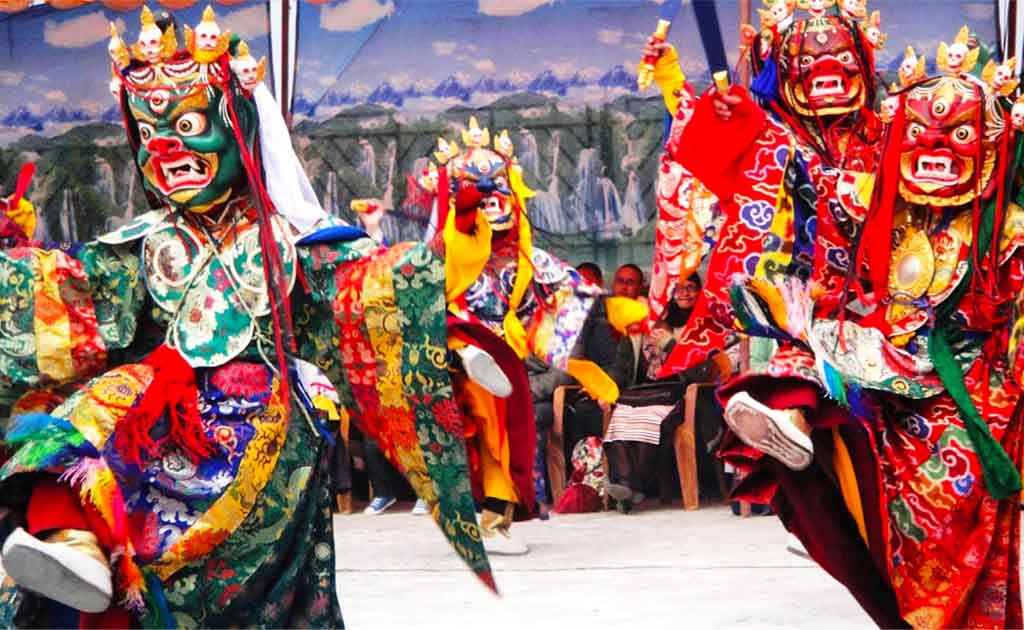
Various Mustang festivals along with chants, and ceremonies fill the air with spiritual energy, offering travelers a glimpse into a way of life that has remained largely unchanged for generations. Visiting these monasteries is not only a chance to admire their beauty but also an opportunity to observe how faith shapes daily life, from the early morning prayers to the quiet routines of study, craft, and service. Many treks and tours, like the Upper Mustang Trekking or the Upper Mustang Jeep Tour, provide travelers with firsthand experiences of this spiritual lifestyle while also connecting them with the breathtaking landscapes that surround each monastery.
Map-Based Journey Through Upper Mustang’s Monasteries
Exploring Upper Mustang’s monasteries is like following a living map of Himalayan history and Tibetan Buddhist culture. The region’s monasteries are scattered across valleys, cliffs, and high plateaus, each offering a glimpse into the spiritual life of this remote kingdom. Most journeys begin at Kagbeni, a charming village that marks the gateway to Upper Mustang. From here, travelers often follow winding trails that pass through Mani walls, prayer flags fluttering in the wind, and small villages where monastic life quietly continues.
As you move deeper into Upper Mustang, the monasteries become increasingly remote, rewarding those who venture farther with stunning landscapes and peaceful surroundings. Lo Manthang, the former capital of the Lo Kingdom, is the central hub for many of these sacred sites. Here, you can visit Thubchen Gompa, Jampa Lhakhang, and Chodey Gompa, each known for its ancient murals, royal connections, and vibrant rituals. While trekking routes allow for a slow, immersive experience, jeep tours like the Upper Mustang Jeep Tour – 7 Days and the Upper Mustang Tiji Festival Jeep Tour offer comfortable access for travelers who want to witness the monasteries’ beauty without extensive hiking.
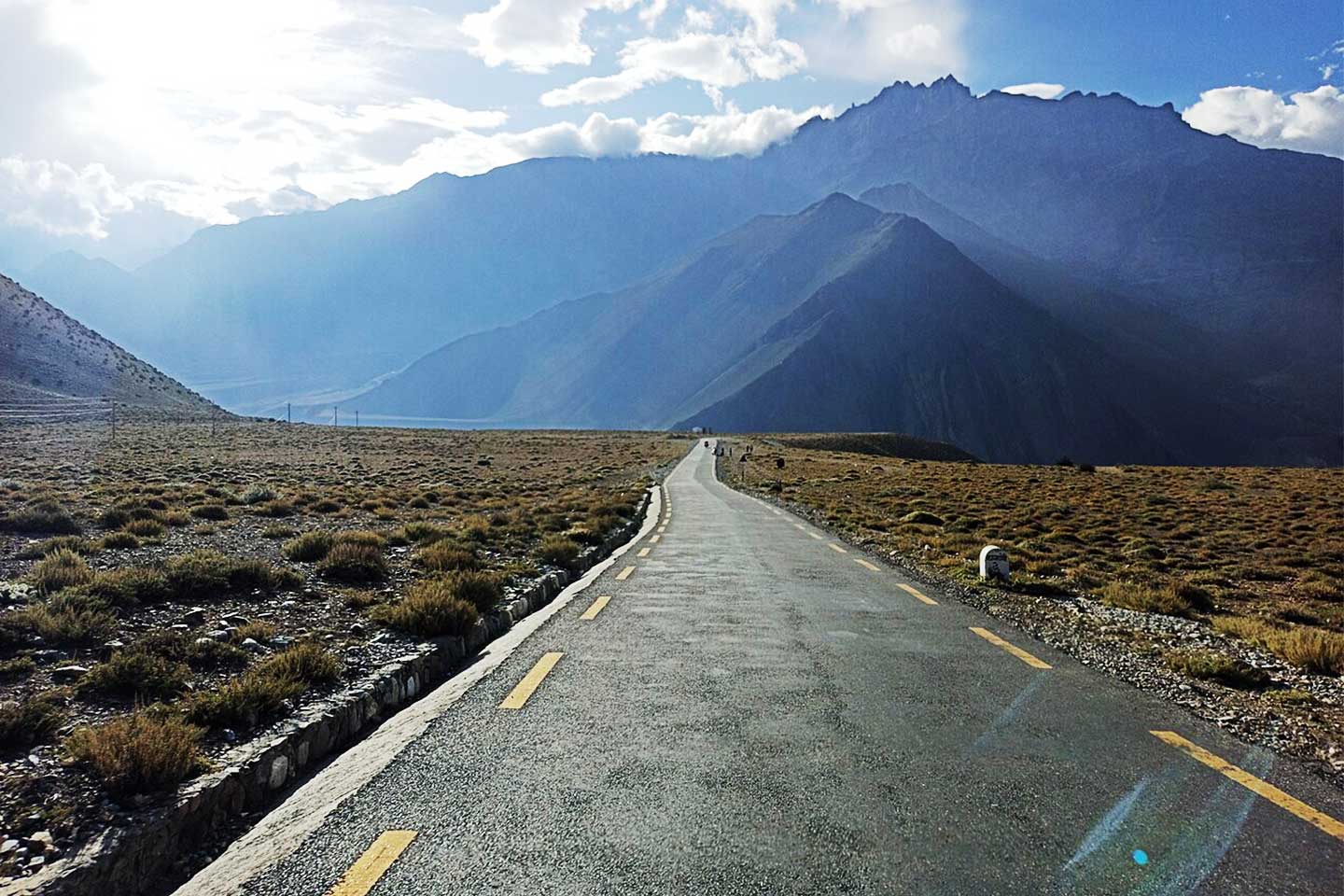
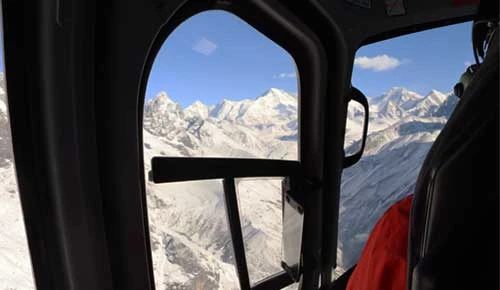
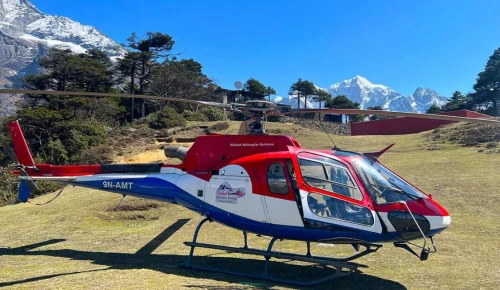
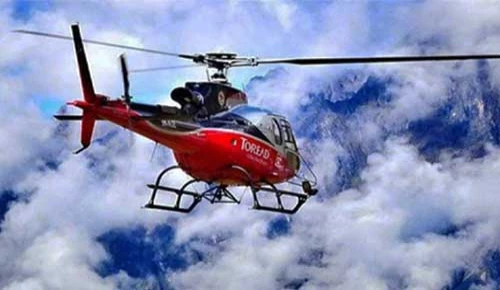
For those with limited time or who prefer a unique perspective, the Upper Mustang Helicopter Tour provides an aerial view of monasteries perched on cliffs and within valleys, highlighting the region’s dramatic desert-like landscapes and the rugged Himalayan backdrop. Along the way, small monasteries and meditation caves, such as the Chhoser Cave Monastery, offer intimate encounters with monks and the chance to witness centuries-old Buddhist practices still alive today.
A journey through Upper Mustang’s monasteries is not just about seeing structures; it is about following the rhythm of the region itself. The trails often wind alongside the Kali Gandaki River, through terraced fields, and past villages that have existed in harmony with their monasteries for generations. Each step connects travelers to a spiritual and cultural story, whether experienced on a trekking path, a jeep tour, or from the air. By the time you reach Lo Manthang, the collection of monasteries feels like a living map of Mustang’s sacred heritage, each monastery a landmark of faith, history, and Himalayan beauty.
Table of Contents


Top 10 Historic Monasteries in Upper Mustang and Lo Manthang
Upper Mustang, known as the Kingdom of Lo, is a remote Himalayan region rich in Tibetan Buddhist culture. Its historic monasteries, found along trekking routes and in villages like Lo Manthang, serve as spiritual hubs, centers of learning, and cultural preservation. Adorned with murals, Buddha statues, and sacred manuscripts, these monasteries offer travelers a unique glimpse into centuries-old traditions, with monks performing daily rituals and prayer ceremonies that make the region a truly immersive cultural experience.
Here’s a closer look at the top 10 historic monasteries in Upper Mustang and Lo Manthang:
Ghar Gompa (Lo Gekar Monastery)
Ghar Gompa, also known as Lo Gekar Monastery, is one of the oldest and most significant monasteries in the Mustang region. Nestled on a gentle hillside near Lo Manthang, this monastery has been a center of spiritual practice for centuries. The monastery’s walls are adorned with faded yet captivating murals that depict stories from Tibetan Buddhism, while its prayer halls house ancient statues and religious artifacts that reflect the deep devotion of local monks. Ghar Gompa is not just a place of worship—it has served as a center for meditation and learning, preserving the rich traditions of the Lo Kingdom.
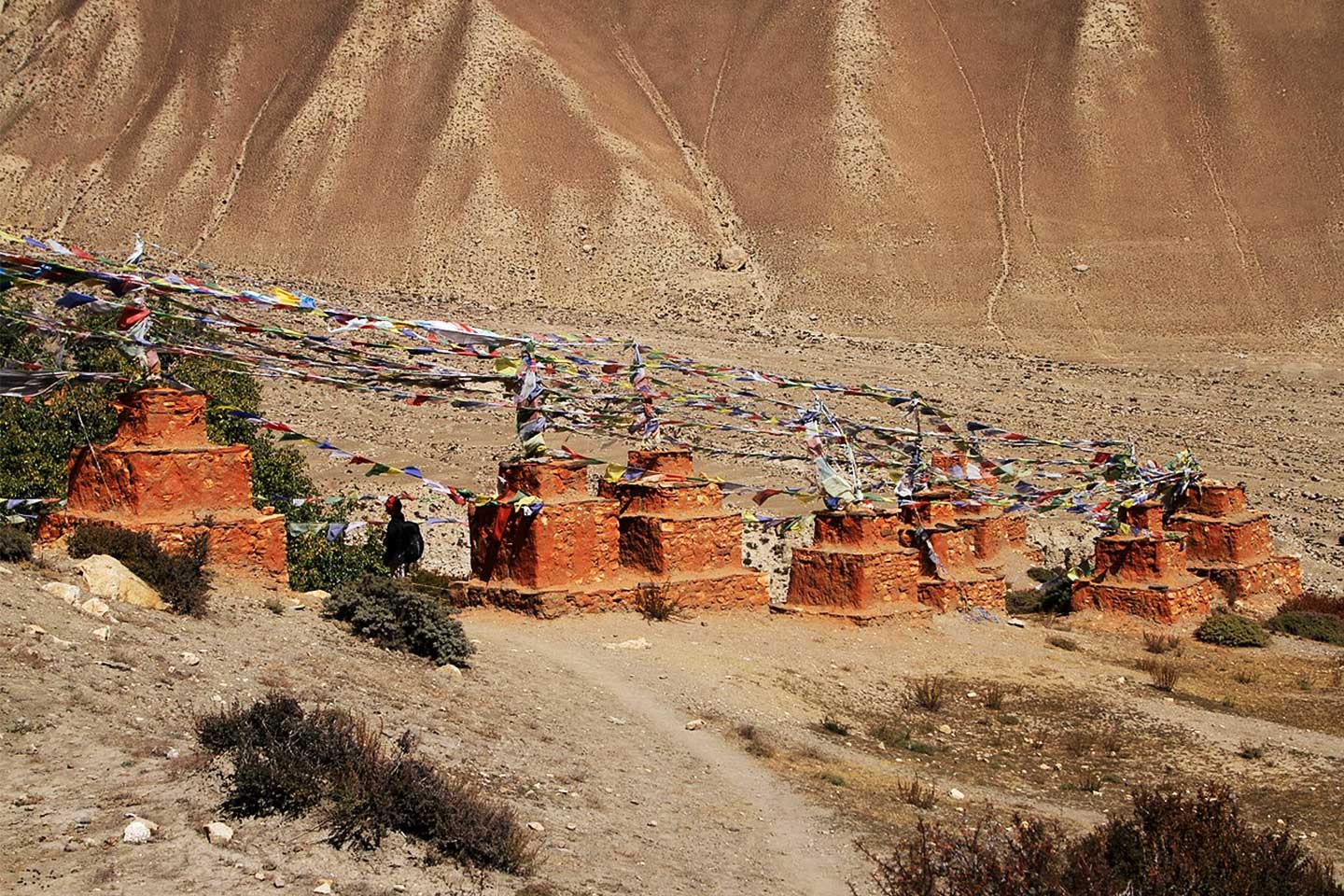
Visiting this monastery gives travelers a glimpse into the serene and contemplative lifestyle of Mustang’s monastic communities, while also offering panoramic views of the surrounding Himalayan landscape. For those trekking through Upper Mustang, Ghar Gompa is often a peaceful and spiritually enriching stop that connects history, culture, and natural beauty in a unique way.
Highlights of Ghar Gompa (Lo Gekar Monastery):
- One of the oldest monasteries in Upper Mustang
- Houses ancient murals and religious artifacts
- Center for meditation and monastic education
- Offers panoramic views of the Mustang landscape
- Reflects Tibetan Buddhist traditions and culture
- Serves as a spiritual hub for local communities
Jampa Lhakhang (Maitreya Temple), Lo Manthang
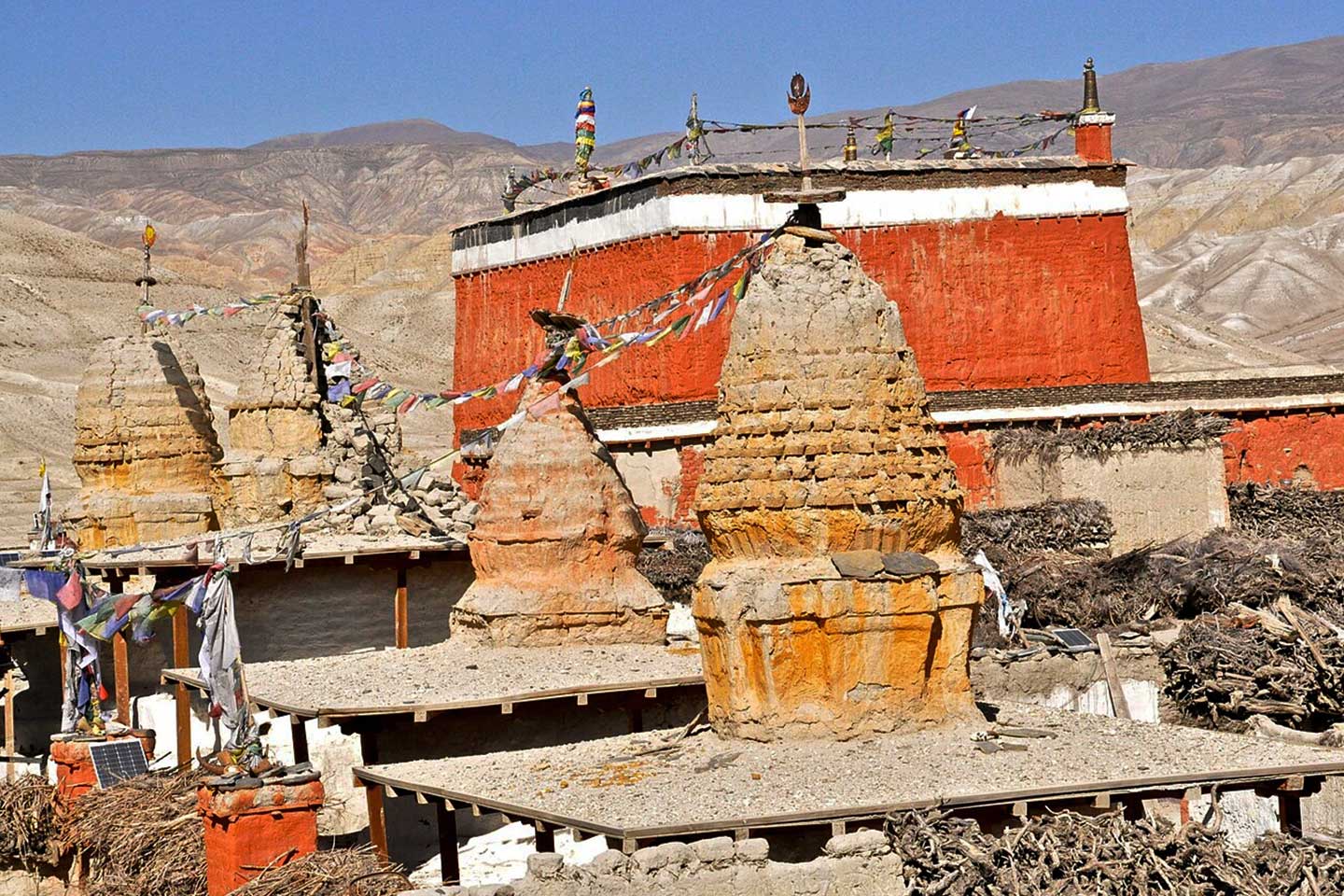
Jampa Lhakhang, often called the “God House,” is one of the most sacred monasteries in Lo Manthang and was constructed in the early 14th century. It is a principal center of the Sakya sect of Tibetan Buddhism and houses a large seated Maitreya Buddha statue, which is an object of great reverence for devotees. The monastery plays a key role during festivals, particularly the Tiji Festival, where monks perform traditional dances and rituals that attract both locals and travelers. Visiting Jampa Lhakhang allows you to experience the deep connection between the Lo Kingdom’s history and its ongoing Buddhist practices, while also appreciating the architectural beauty and serene atmosphere of this sacred site.
Highlights of Jampa Lhakhang:
- Central monastery of Lo Manthang
- Houses a massive clay Buddha statue
- Decorated with intricate murals
- Important during Tiji Festival celebrations
- Represents Tibetan Buddhist culture and heritage
- Peaceful and spiritually enriching atmosphere
Thubchen Gompa, Lo Manthang
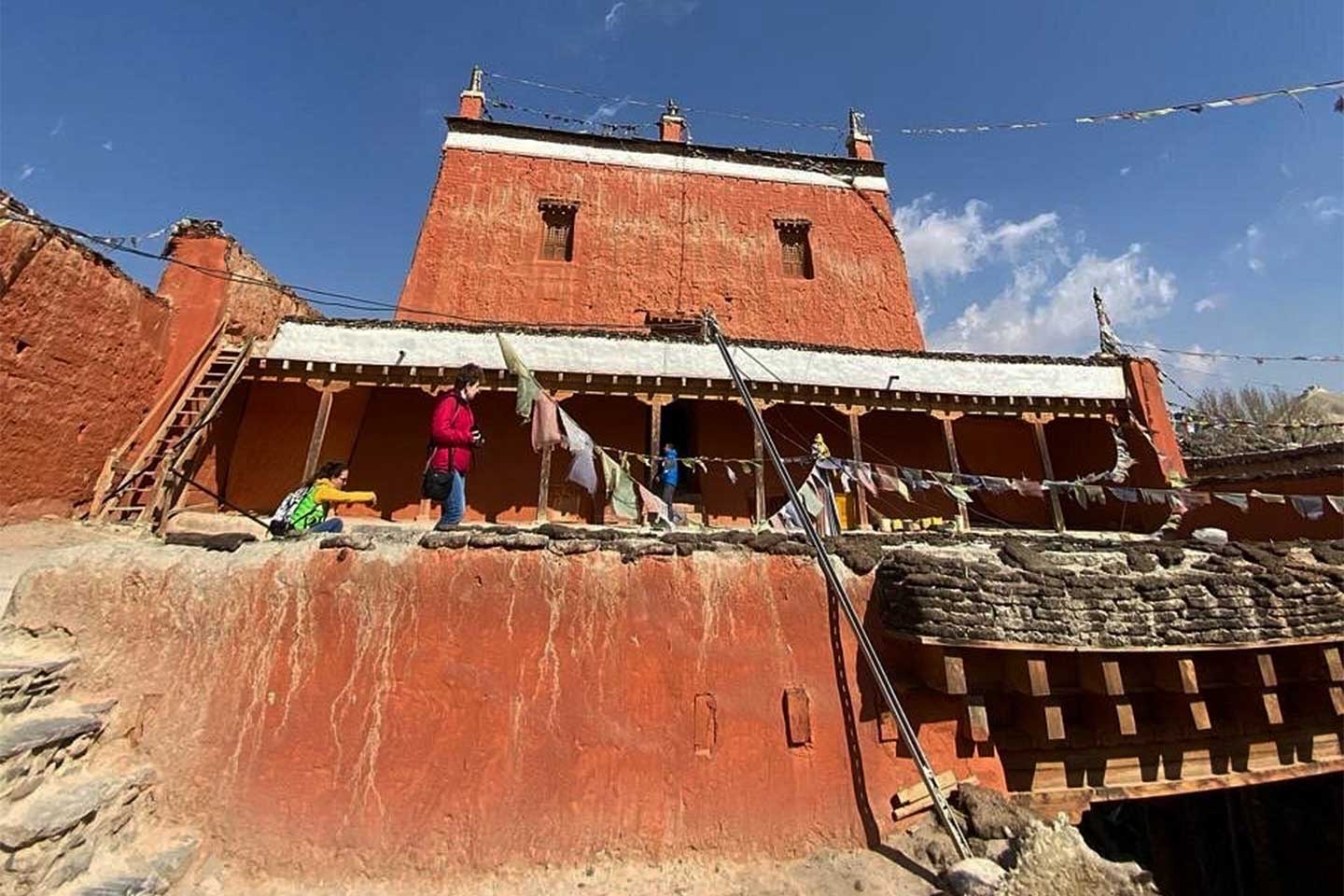
Thubchen Monastery is a remarkable 15th‑century Buddhist monastery located in the heart of Lo Manthang, the ancient walled capital of the former Kingdom of Lo. Well known for its massive assembly hall and classic Himalayan architecture, the monastery contains ancient murals and decorative wooden carvings that tell stories of spiritual symbolism and history. Thubchen is more than a religious center—it is an architectural treasure that reflects the artistic and cultural sophistication of medieval Mustang. Its presence enriches the cultural landscape of Lo Manthang and draws visitors who appreciate history and sacred heritage.
Highlights of Thubchen Gompa:
- Fortress-style monastery in Lo Manthang
- Ancient murals and mandalas
- Hosts monks during traditional rituals and festivals
- Architectural significance with mud-brick walls
- Deep historical and cultural importance
- Central to Mustang’s spiritual life
Kag Chode Thupten Samphel Ling Monastery
Kag Chode Thupten Samphel Ling Monastery, often known simply as Kag Chode Monastery, is a historic Tibetan Buddhist monastery located in Kagbeni village, the traditional gateway to Upper Mustang. Founded in 1429 by the Tibetan scholar Tenpai Gyaltsen, the monastery’s name means a place to pause and deepen concentration on the teachings of Buddha, reflecting its role as a center of spiritual practice and learning.
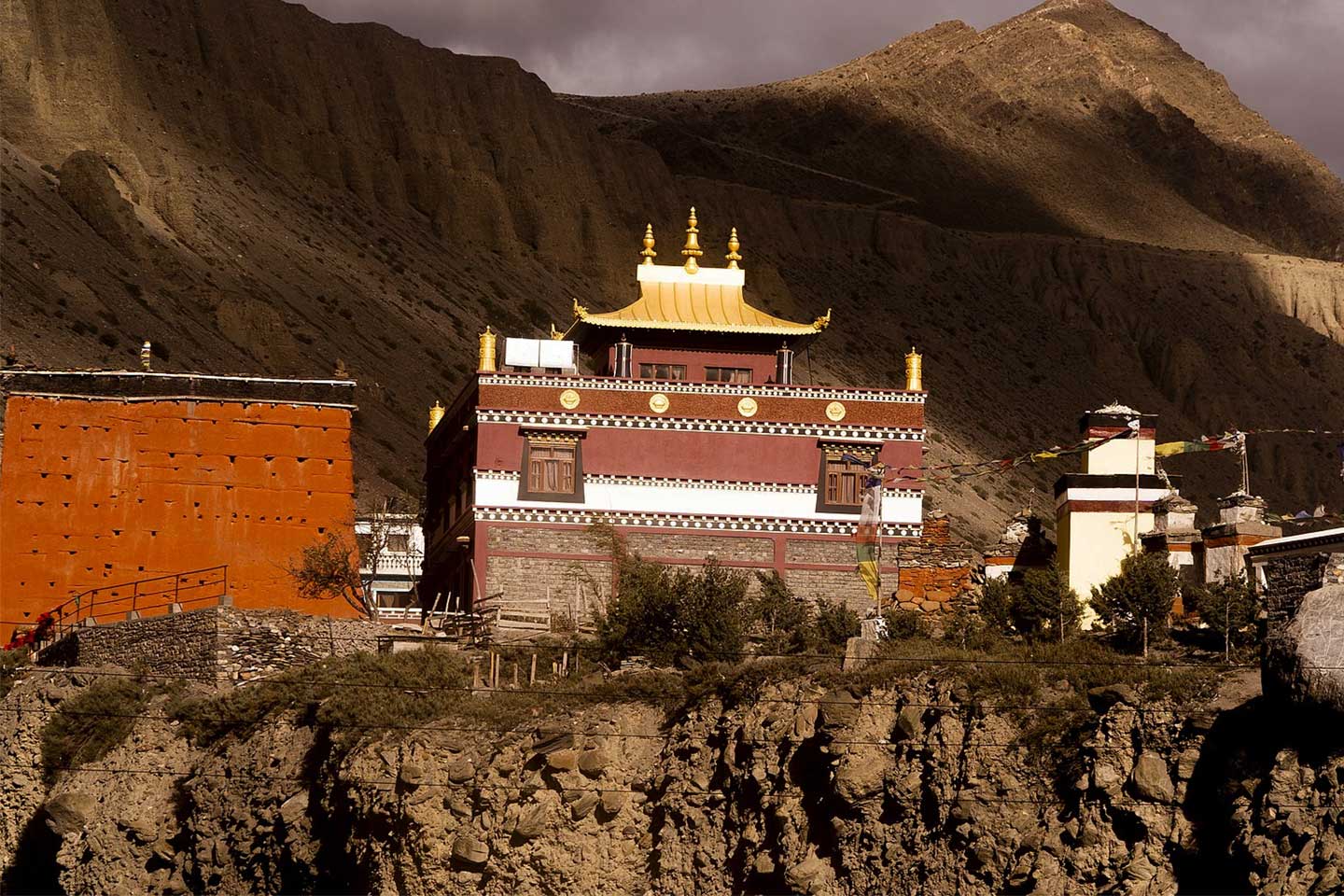
Built in the Shakya‑pa Buddhist tradition, the monastery’s ochre‑red walls stand out against the stark desert landscape where the Kali Gandaki and Jhong rivers meet. Once a bustling center that welcomed many monks from surrounding villages, Kag Chode today remains active with daily rituals, chanting, and prayer ceremonies, offering visitors an authentic experience of living Buddhist culture. Inside, ancient statues, murals, and sacred scriptures reflect centuries‑old traditions, while the surrounding village life adds a unique cultural dimension to the visit.
Highlights of Kag Chode Thupten Samphel Ling Monastery:
- Founded in 1429 by Tibetan scholar Tenpai Gyaltsen
- Located in traditional Kagbeni village, gateway to Upper Mustang
- Important site of Shakya‑pa Tibetan Buddhism
- Ochre‑red monastery reflecting classic Himalayan architecture
- Active center of daily rituals, chanting, and spiritual practice
- Contains old statues, murals, and religious scriptures
Luri Gompa (Cave Monastery)
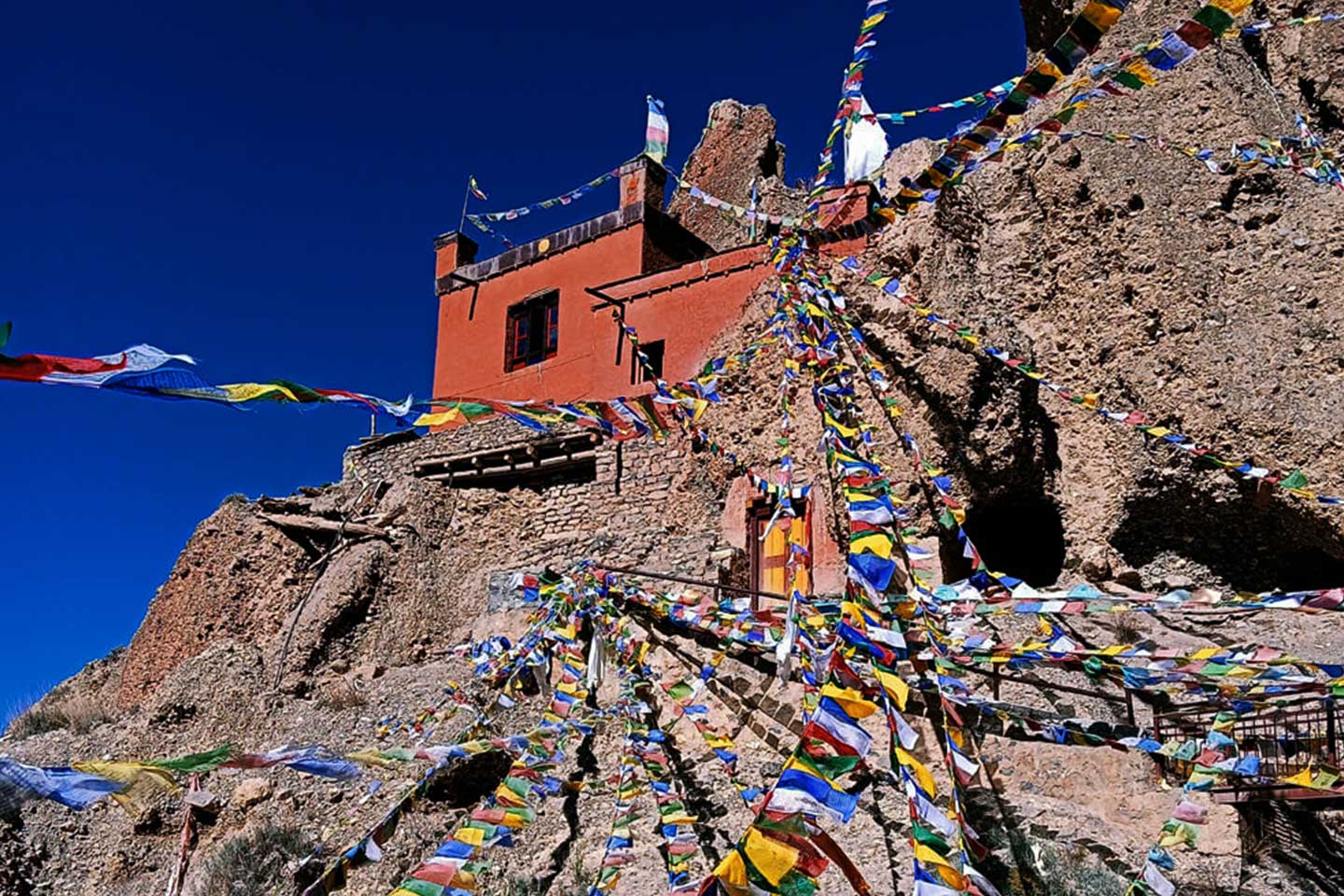
Luri Gompa is a unique cave monastery tucked into the cliffs east of Lo Manthang. Thought to date from the 13th–14th century, this monastery was built directly into the rock face and is accessed by a scenic trek from Lo Manthang. The climb to Luri Gompa is rewarded by the mysterious sanctity of its chambers and the dramatic landscape around it. Pilgrims and adventurers alike walk the path here to experience both spiritual connection and the raw beauty of the Trans‑Himalayan terrain. The solitude and simplicity of the site make it a powerful place of reflection.
Highlights of Luri Gompa (Cave Monastery):
- Cave monastery built into cliff faces
- Dates back to the 13th–14th century
- Reached via scenic trek from Lo Manthang
- Offers dramatic mountain and valley views
- Peaceful and remote spiritual site
- Blend of nature and ancient worship
Tsarang Monastery (Red Gompa)
Perched on a ridge overlooking Tsarang village, Tsarang Monastery—often called Red Gompa—is a 13th‑century Buddhist center known for its striking presence and cultural treasures. The monastery stands above the village, giving visitors sweeping views of the surrounding valley. Inside, a rare and extensive library of Buddhist texts is preserved, making Tsarang an important place for those interested in religious learning and history. The red hues of the monastery walls against the landscape create a vivid contrast that reflects the spiritual vibrance of this historic site.
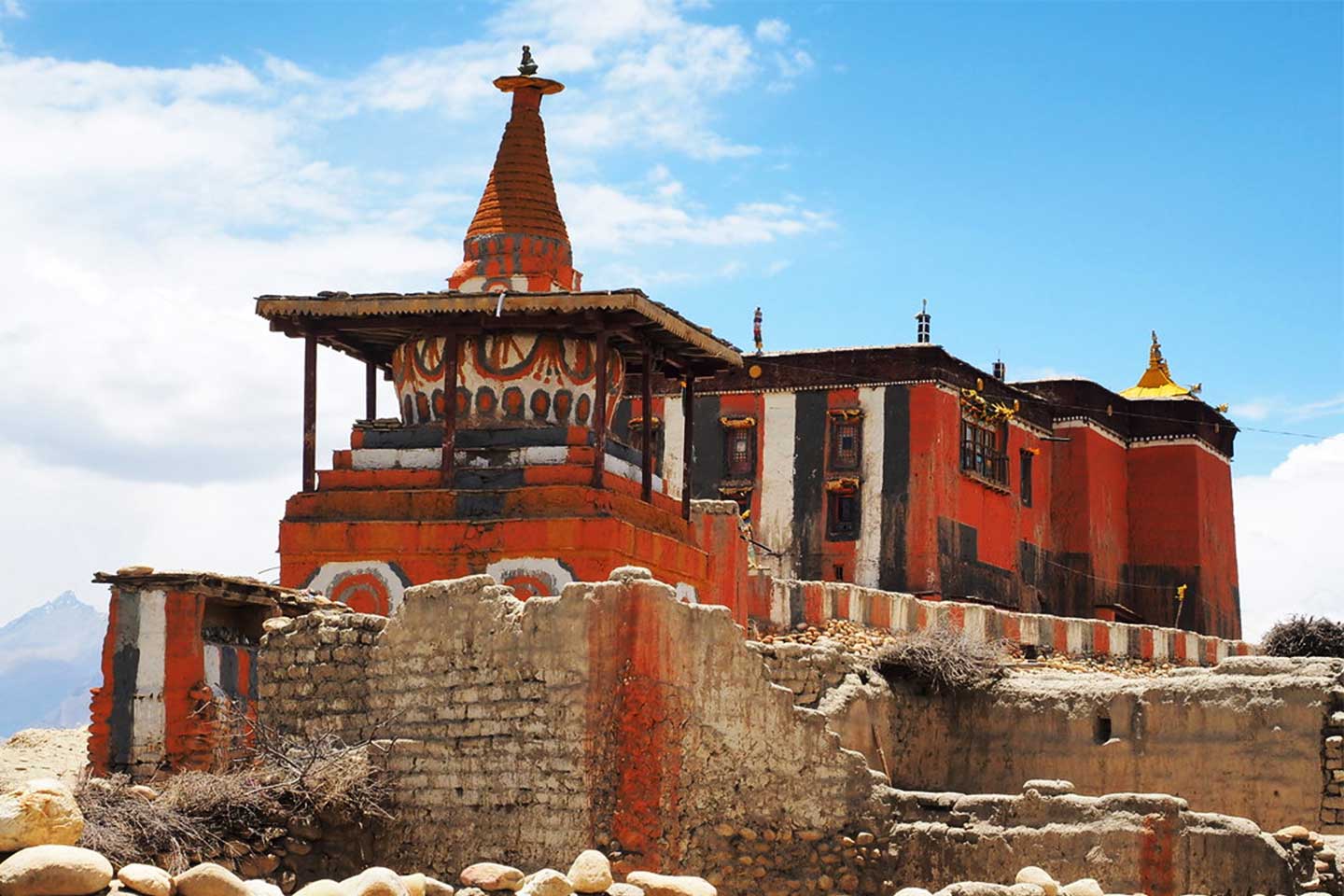
Highlights of Tsarang Monastery (Red Gompa):
- Dates back to the 13th century
- Located above Tsarang village
- Known as Red Gompa
- Large collection of Buddhist texts
- Offers panoramic valley views
- Important site for study and meditation
Chode Monastery (Monchoe Dragkar Thegchen Ling)
Chode Monastery, formally called Monchoe Dragkar Thegchen Ling, is a central religious institution in Lo Manthang and an influential part of the town’s spiritual life. It plays a crucial role in local ceremonies, festivals, and community gatherings, serving not just as a place of worship but as a cultural anchor for village traditions. The monastery’s architecture is typical of the region’s sacred designs, and its prayer halls are active with daily rituals. Visitors often feel welcomed into the rhythm of local religious life when they step within its walls.
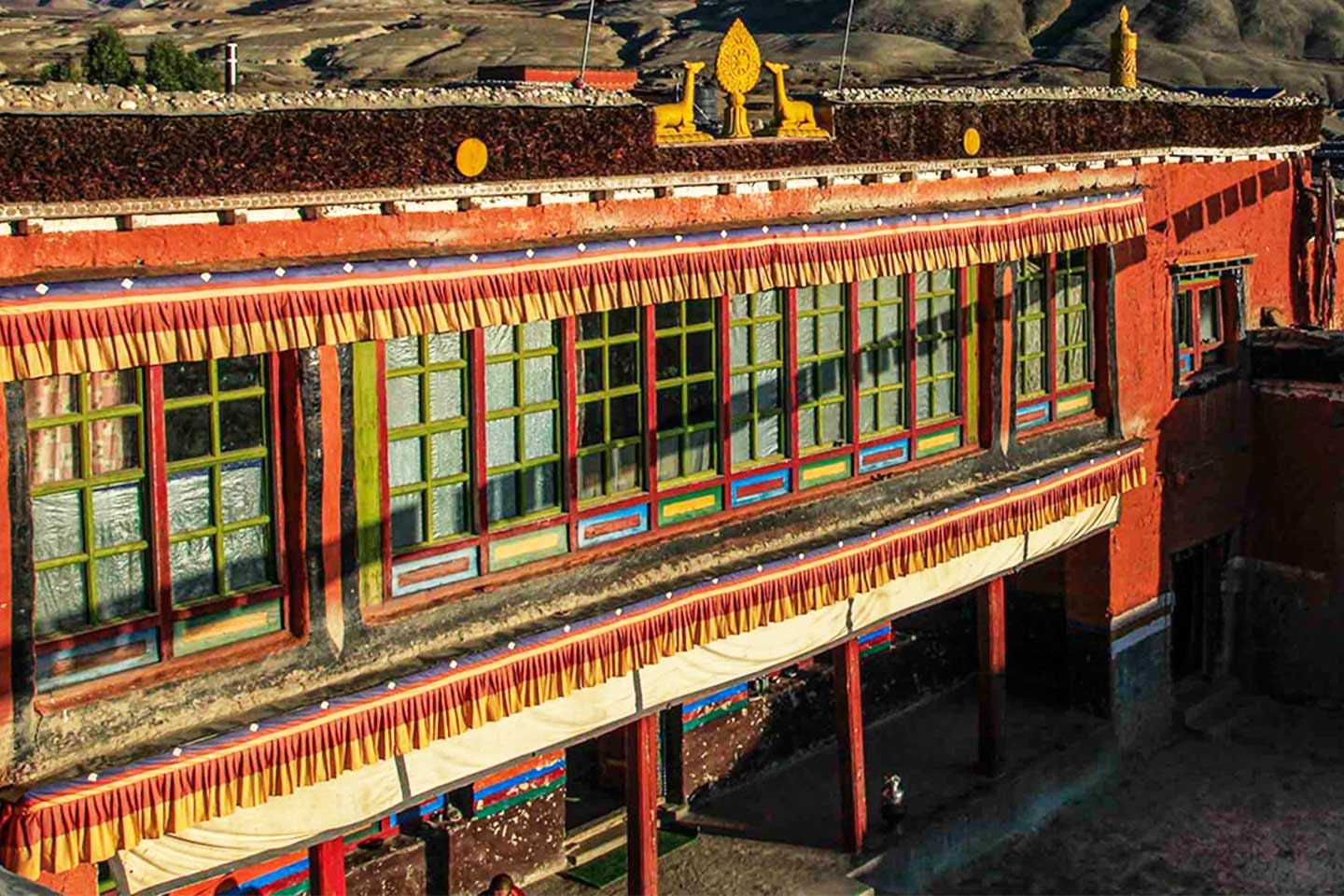
Highlights of Chode Monastery:
- Known formally as Monchoe Dragkar Thegchen Ling
- Central to religious life in Lo Manthang
- Hosts ceremonies and festivals
- Acts as a community spiritual center
- Classic Himalayan monastery architecture
- Active prayer halls and rituals
Namgyal Monastery
Namgyal Monastery is an ancient 10th‑century religious site located on a hilltop near Lo Manthang. Its elevated position makes it both a landmark and a place of worship, symbolizing spiritual protection over the valley below. The monastery’s quiet atmosphere and panoramic views attract pilgrims and travelers who appreciate contemplation in natural surroundings. Namgyal has endured through centuries as a revered place of prayer, connecting visitors with the deep Buddhist traditions of the Mustang region.
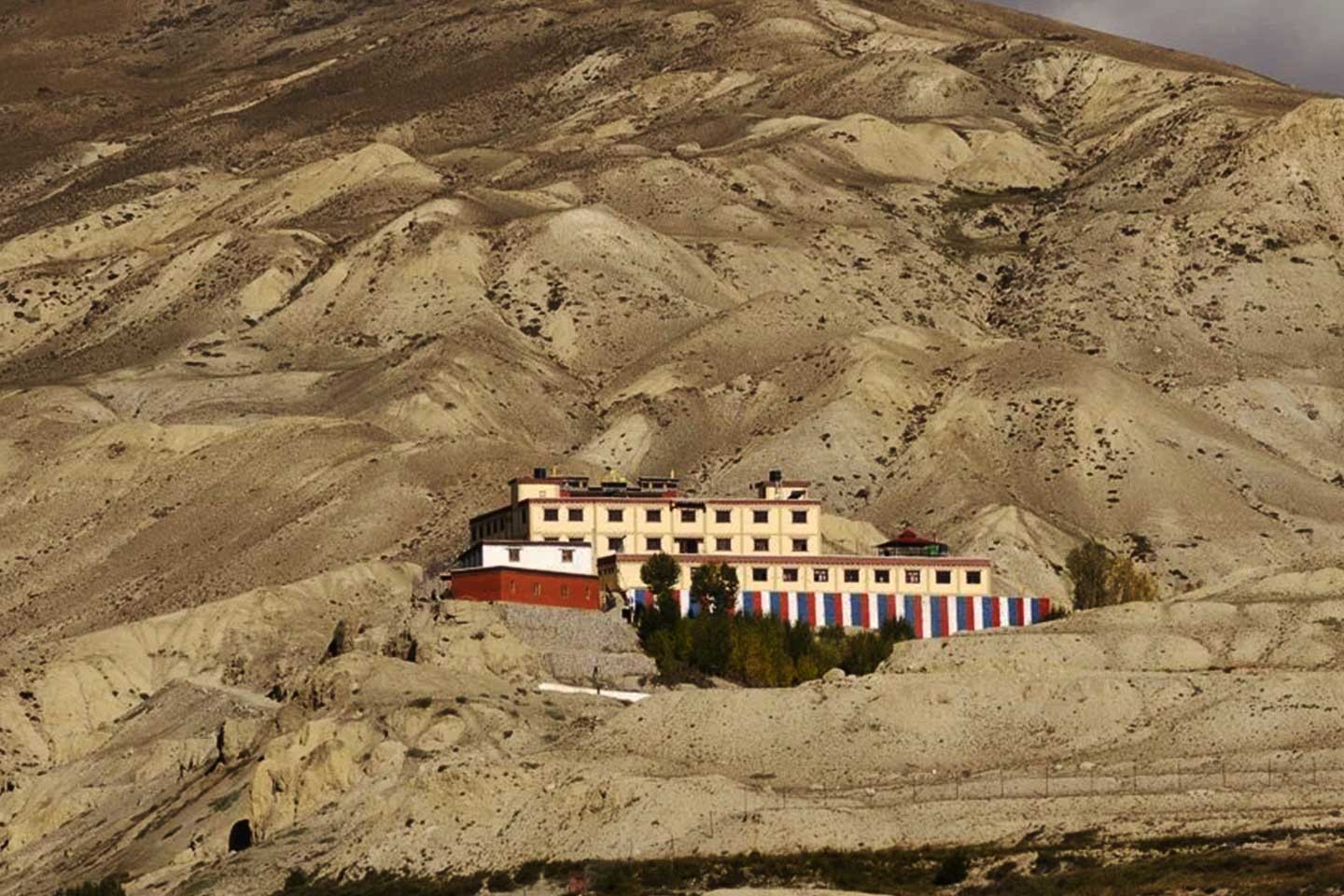
Highlights of Namgyal Monastery:
- Dates back to the 10th century
- Located on a hilltop near Lo Manthang
- Acts as a regional spiritual landmark
- Quiet atmosphere for meditation
- Offers wide panoramic views
- Reflects ancient Buddhist traditions
Nyiphuk Cave Monastery (Niphu Gompa)
Nyiphuk Cave Monastery, locally known as Niphu Gompa, is an ancient cave temple located near Chhoser village. Built into a cliff face, this monastery is remarkable for the large Buddha image carved or placed within its sacred chamber, making it a striking sight for those who make the trek to reach it. The setting of the monastery within the rock lends a sense of timeless reverence, as if the spiritual figures here have looked out over the valleys for centuries. Visitors often speak of its quiet power and the unforgettable experience of discovering a sanctuary shaped by nature.
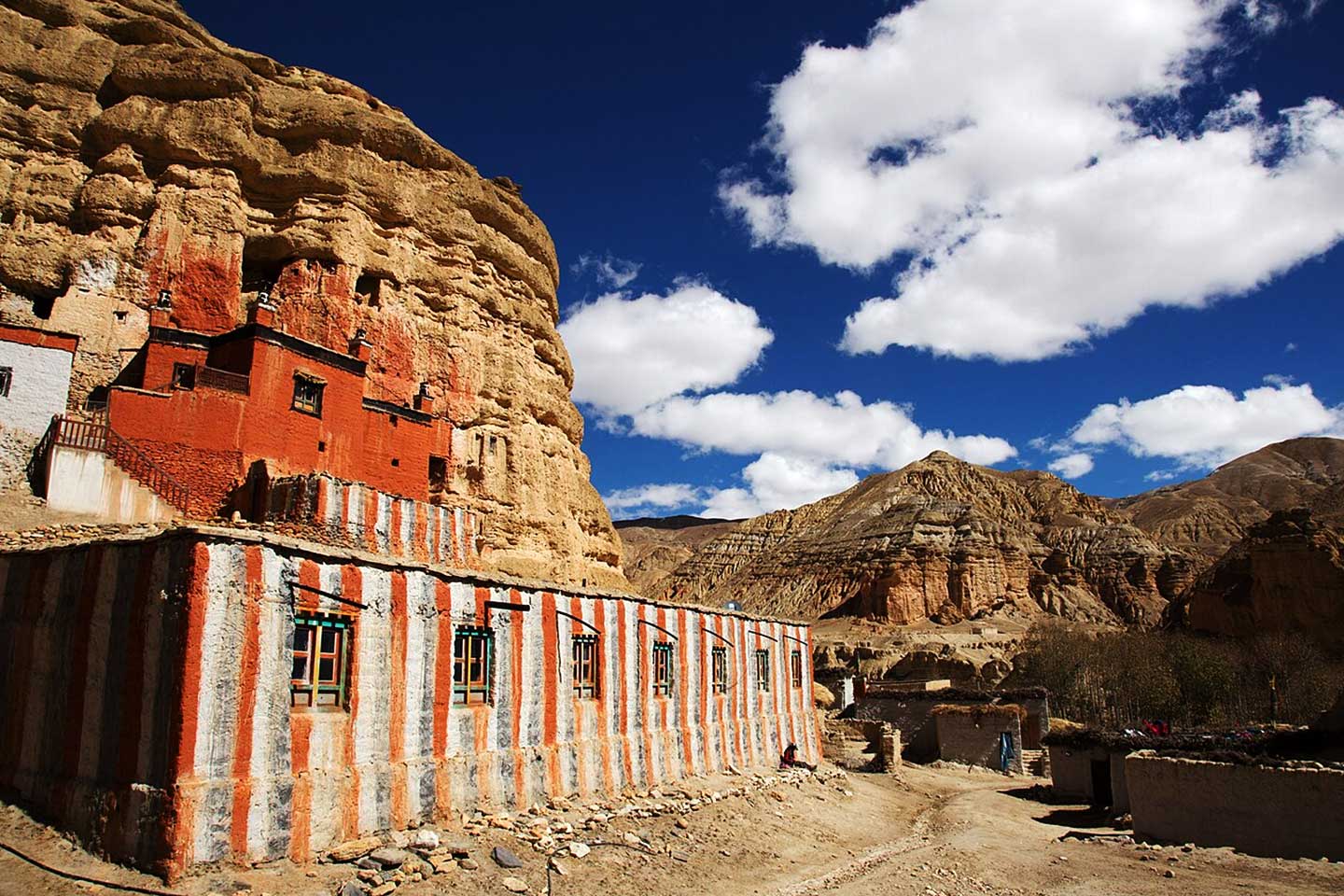
Highlights of Nyiphuk Cave Monastery (Niphu Gompa):
- Ancient cave monastery near Chhoser village
- Built into a cliff face
- Contains a large Buddha image
- Harmonizes natural setting and spiritual space
- Offers a unique pilgrimage experience
- Quiet, contemplative atmosphere
Chungsi Cave Monastery (Ranchung Cave)
Chungsi Cave Monastery, known as Ranchung Cave, is a sacred site where Guru Rinpoche (Padmasambhava) is believed to have meditated in the 8th century. Hidden deep in a towering cliff, this cave‑temple radiates spiritual mystery and is approached by a short uphill trail that adds to its sense of discovery. Inside the cave, pilgrims find simple spaces for worship and contemplation, reflecting centuries of devotion. The place remains a powerful symbol of mystical Buddhist practice, and visiting it offers both an adventure and a connection to ancient Himalayan spiritual tradition.
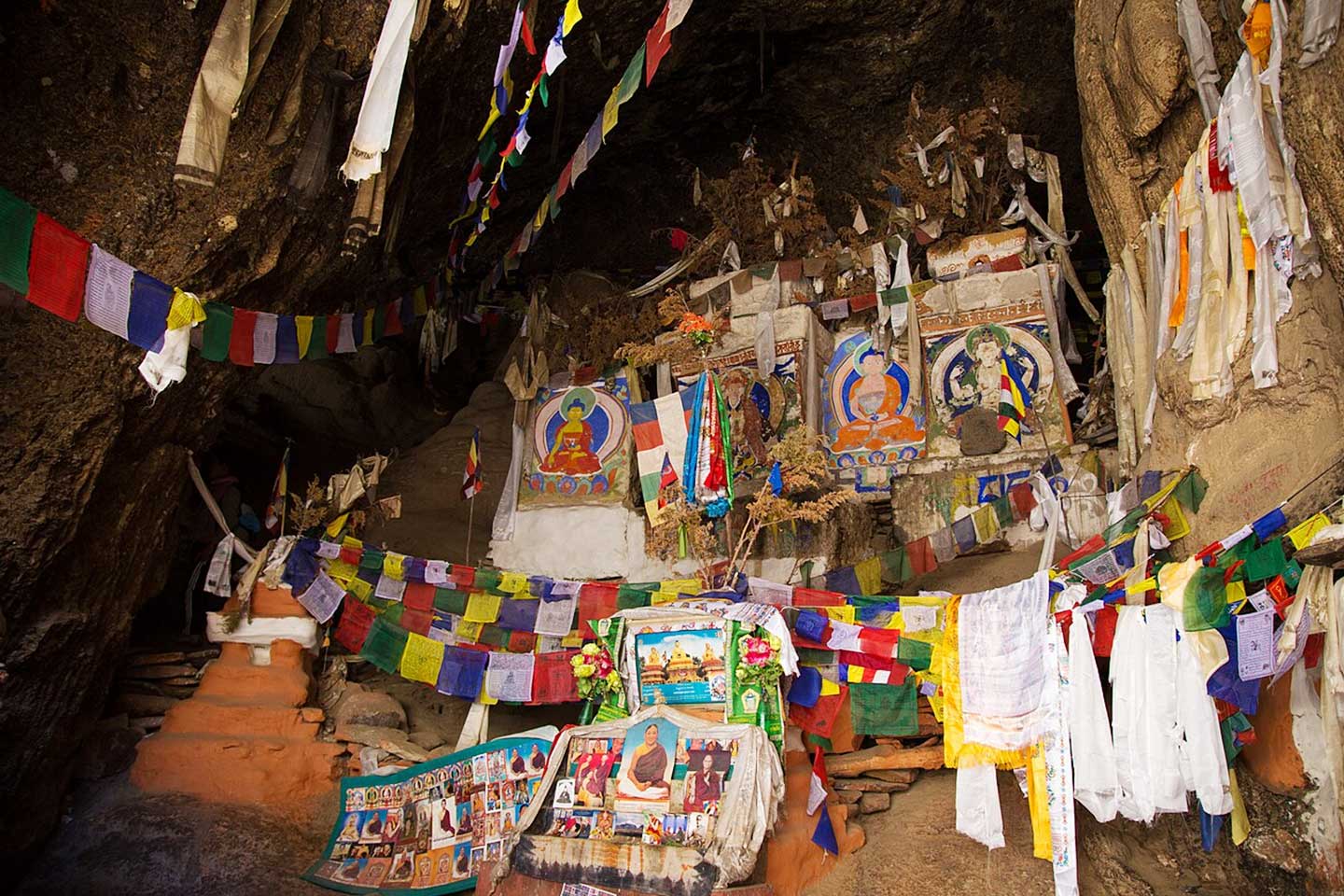
Highlights of Chungsi Cave Monastery (Ranchung Cave):
- Believed meditation site of Guru Rinpoche
- Sacred site from the 8th century
- Located within a dramatic cliff cave
- Quiet and contemplative worship space
- A blend of nature and spirituality
- Symbolic pilgrimage destination
How to Explore These Monasteries of Mustang Region
Exploring the monasteries of Upper Mustang and Lo Manthang is not just about sightseeing—it’s about choosing the right way to travel based on your time, comfort level, and interest in culture. Some travelers prefer slow walks through ancient villages, while others want comfortable road access or even aerial views. The good news is that Upper Mustang offers all these options.
Trekking-Based Experiences (For Deep Cultural Immersion)
If you enjoy walking through remote landscapes and connecting closely with local life, trekking is the most rewarding way to explore Mustang’s monasteries. Routes like Upper Mustang Trekking and the Jomsom Trek take you through villages such as Kagbeni, Ghami, Tsarang, and Lo Manthang, where historic monasteries sit quietly above the settlements.
Trekking allows you to visit monasteries early in the morning or during prayer hours, interact with monks, and truly feel the spiritual atmosphere. This option is ideal for travelers who have enough time and want an authentic Himalayan experience.
Jeep Tours (Comfortable & Time-Efficient)
For travelers who want to explore Upper Mustang without long walking days, jeep tours are a practical and popular choice. Packages like the Jeep Tour to Upper Mustang follow the same cultural route as the trek but with road access, making it easier to reach monasteries such as Ghar Gompa, Ghami Monastery, Tsarang Gompa, and the sacred temples of Lo Manthang.
Jeep tours are especially suitable for families, senior travelers, photographers, and those with limited time who still want to experience Mustang’s unique heritage.
Festival-Focused Cultural Tours
If culture and festivals interest you the most, the Mustang Tiji Festival Jeep Tour is a special way to explore monasteries. During the Tiji Festival, monasteries like Thubchen and Jampa Lhakhang become the heart of spiritual ceremonies, mask dances, and ancient rituals.
This type of tour combines monastery visits with rare cultural celebrations, making it perfect for travelers who want to witness living Tibetan Buddhist traditions rather than just historic sites.
Helicopter Tours (Luxury & Limited Time)
For those short on time or looking for a once-in-a-lifetime experience, the helicopter tour to Upper Mustang provides a distinctive viewpoint. While it doesn’t allow deep exploration like trekking, it provides breathtaking aerial views of monasteries, sky caves, and the dramatic desert landscape of Mustang.
This option suits luxury travelers, photographers, or visitors who want to experience Upper Mustang in a single day with maximum comfort.
Spiritual & Pilgrimage Journeys
Many travelers combine monastery visits with pilgrimage, especially through the Muktinath Temple Tour. This journey blends Hindu and Buddhist spirituality and includes monastery-rich areas of Lower Mustang, making it ideal for pilgrims and spiritual seekers.
Whether you choose to walk ancient trails, travel by jeep, fly over the Himalayas, or focus on festivals and pilgrimage, each way of exploring Upper Mustang offers a different connection to its monasteries. The key is choosing the experience that matches your travel style, time frame, and interest in culture.
Best Time to Visit Upper Mustang Monasteries
The best time to visit Upper Mustang monasteries is during spring (March to May) and autumn (September to November), when the weather is stable, skies are clear, and travel routes are easily accessible. Spring brings mild temperatures, blooming wildflowers, and vibrant cultural life, making it an ideal season to explore monasteries such as Thubchen Gompa, Jampa Lhakhang, and Ghar Gompa without extreme cold.
This is also when the famous Tiji Festival usually takes place in Lo Manthang, allowing visitors to witness colorful rituals, mask dances, and centuries-old Buddhist ceremonies inside and around the monasteries. Autumn, on the other hand, offers crisp mountain air, excellent visibility, and comfortable daytime temperatures, perfect for both trekking and jeep tours to remote monastery sites.
One unique advantage of Upper Mustang is that it lies in a rain-shadow area, which means it can also be visited during the monsoon months (June to August) when much of Nepal is wet; however, spring and autumn remain the most recommended seasons for a balanced experience This journey offers a rich blend of culture, scenery, and spiritual atmosphere while visiting the historic monasteries of Upper Mustang.
Conclusion
Exploring the historic monasteries of Upper Mustang and Lo Manthang is more than a journey; it’s a step into centuries of Tibetan Buddhist heritage, stunning Himalayan landscapes, and living cultural traditions. Whether you choose trekking through remote villages, a comfortable jeep tour, or a breathtaking helicopter experience, each option offers a unique way to connect with Mustang’s spiritual heart. To make your adventure seamless, safe, and unforgettable, book your Mustang trek or tour with NTA today, and let their expert guides handle all the details while you immerse yourself in the magic of Mustang.
Manju Mahato
Drop us a message