Bhutan Travel Tips for First-Time Visitors: What You Must Know
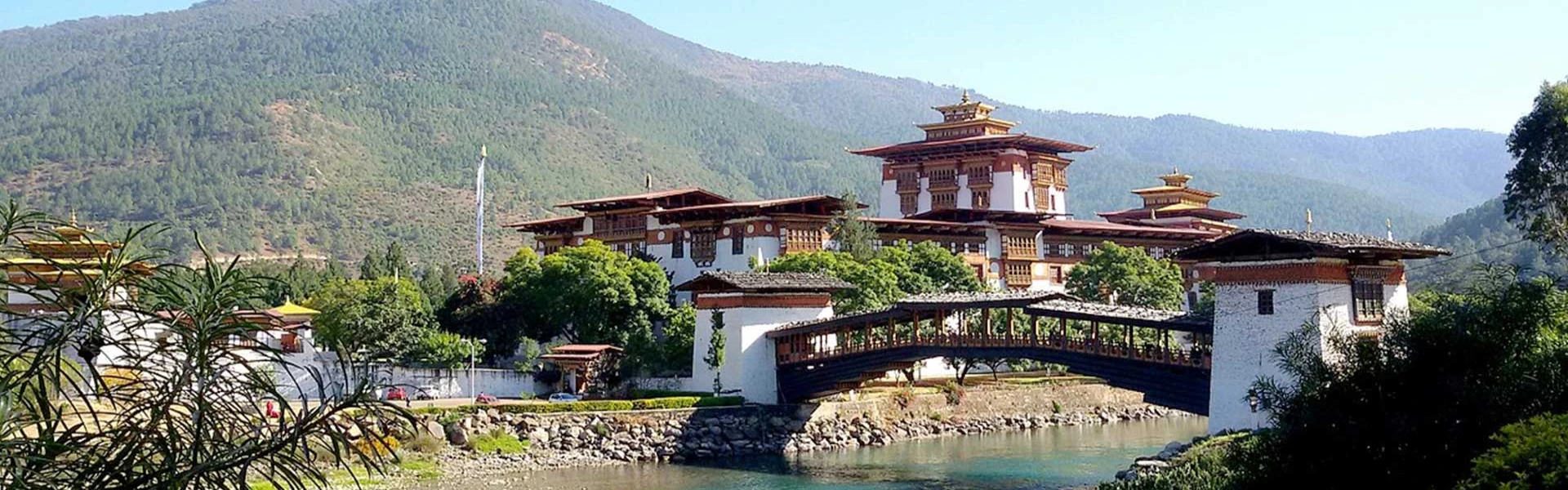
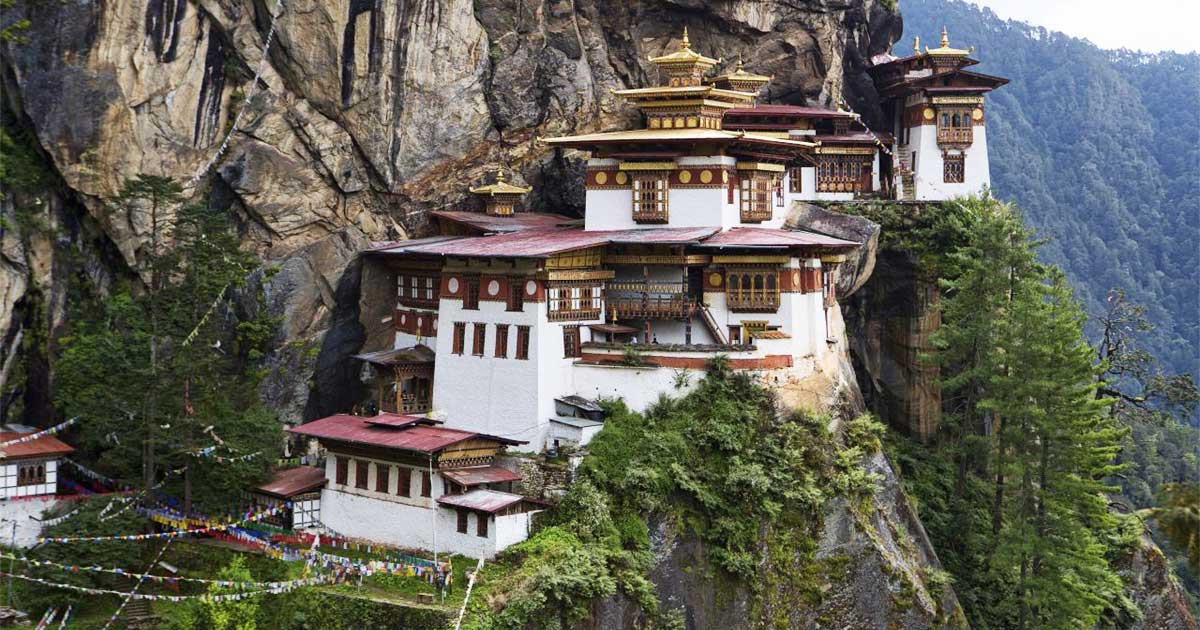
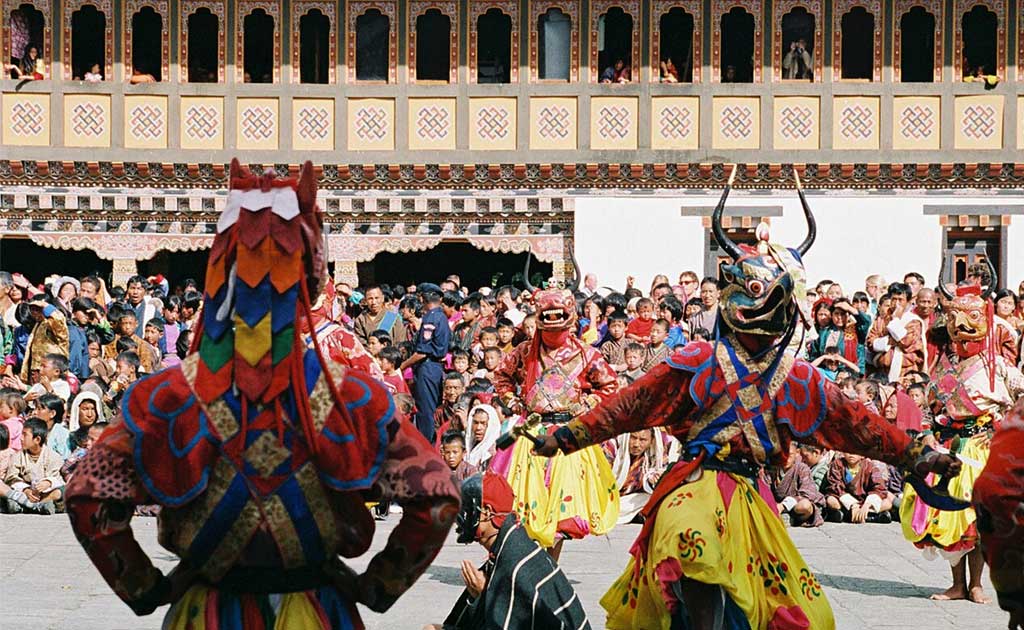
Bhutan, a unique destination in the Himalayas, is renowned for its breathtaking mountains, peaceful valleys, and ancient monasteries. The country has carefully preserved its culture, giving visitors a chance to experience something authentic and calm. From colourful festivals of Bhutan and traditional buildings to quiet villages and fluttering prayer flags, every corner of Bhutan has its own story. The people are friendly and welcoming, making it easy to connect with the local way of life.
For first-time travelers, knowing what to expect can make your journey much smoother. This guide is designed to give you practical advice, from planning your trip to navigating local customs, to helping you make the most of your visit. You’ll learn important tips about transport, accommodation, and cultural etiquette, so you can enjoy Bhutan without stress. With these Bhutan travel tips, you’ll be well-prepared to explore the country’s hidden gems, experience its traditions up close, and create memories that last a lifetime.
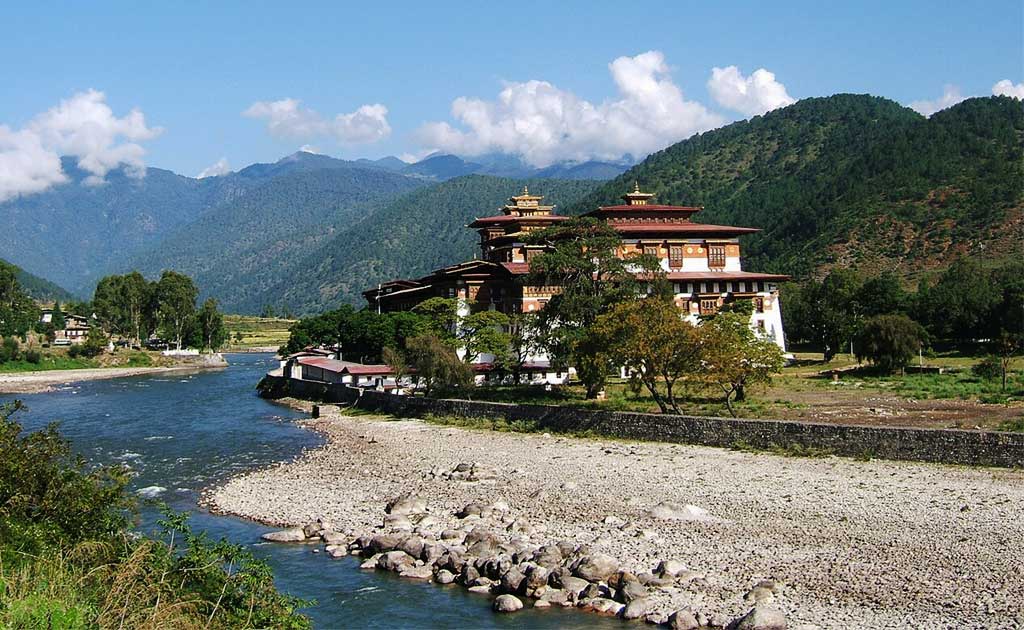
Table of Contents


Bhutan Visa and Entry Requirements
Travelers to the Kingdom of Bhutan in 2026 must follow specific entry rules to support sustainable tourism. All international visitors except nationals of India, Bangladesh, and the Maldives require a tourist visa (e-visa) arranged in advance through a licensed Bhutanese tour operator or their international partners. A passport valid for at least six months, application form, and photo are needed; the visa is stamped on arrival at Paro Airport or land borders.
Visitors pay the Sustainable Development Fee (SDF), integrated into tour packages covering accommodation, meals, transport, and a licensed guide. Restricted areas like parts of Bumthang, Lhuntse, and northern borders need special permits, arranged by the operator. Booking through an authorized provider ensures compliance, a hassle-free trip, and responsible travel that protects Bhutan’s culture and environment
Understanding Bhutan’s Sustainable Development Fee (SDF)
The Bhutan Sustainable Development Fee (SDF) is a daily charge paid by international tourists to support education, healthcare, infrastructure, and environmental protection in Bhutan. This system helps maintain Bhutan’s “high value, low impact” tourism policy. First-time visitors often misunderstand the SDF, but it is not a hotel or tour charge it is a separate government fee that supports the country’s long-term development.
The daily Bhutan Sustainable Development Fee directly affects the total Bhutan travel cost, as it is charged per person per night in addition to accommodation, transport, and guide services. While the fee increases the overall cost of traveling to Bhutan, there are discounts and exemptions for children, certain nationalities, and longer stays, which can reduce expenses. Understanding how the SDF works helps travelers plan their Bhutan travel cost more accurately and avoid surprises when booking.
Best Time to Visit Bhutan
The best time to visit Bhutan depends on what kind of trip you want. Spring, from March to May, is one of the prettiest times to be there. Flowers, especially rhododendrons, bloom across the valleys, the weather stays comfortable, and the skies are usually clear. This makes spring a great season for sightseeing, walking around towns, and enjoying nature.
Summer, from June to August, turns Bhutan bright green and fresh. However, this is also the monsoon season, so rain is common. While the scenery looks beautiful, heavy rainfall can sometimes cause road delays and make trekking harder in certain areas.
Autumn, between September and November, is the most popular time to visit. The air is cool and clear, mountain views are sharp, and many famous festivals like Paro Tsechu and Thimphu Tshechu take place. Winter, from December to February, is much colder, especially in the mountains, but it’s also quieter. Fewer tourists, peaceful trails, and calm surroundings make it ideal for travelers who enjoy silence and slow travel. For first-time visitors, spring and autumn are usually the best choices because they offer good weather, beautiful views, and rich cultural experiences.
Getting Around Bhutan
Traveling around Bhutan is straightforward once you're there, but a bit of planning goes a long way toward making your trip smooth and memorable. Most visitors arrive at Paro International Airport, the country's main entry point, with flights linking it to key cities across Asia. From Paro, a good network of paved roads connects the major towns and popular sights though expect narrow, winding mountain passes that demand careful driving.
Taxis, public buses, and private vehicles are easy to find, and they get you between places comfortably and safely. If you're thinking of renting a car for more independence, it's doable, but we strongly recommend hiring a local driver instead. The roads can be challenging steep drops, tight turns, and unpredictable weather and someone who knows the terrain makes all the difference.
Many travelers choose to work with us to handle transportation, a licensed guide, and the full itinerary. That way, everything flows seamlessly, whether you're visiting ancient monasteries, peaceful valleys, or remote villages. With solid planning and reliable local support, exploring Bhutan becomes relaxed, safe, and truly enjoyable.
Choosing the Right Bhutan Tour Package (Avoid These Mistakes)
Most foreign travelers cannot travel freely in Bhutan, which is why booking a Bhutan tour package is required. Your trip must be arranged through a licensed Bhutan tour operator who takes care of hotels, transport, guides, and all necessary permits. Many first-time visitors don’t know this and try to plan the trip on their own, which often causes delays or booking issues. Choosing the right tour package from the beginning helps make your Bhutan trip smooth and hassle-free.
For first-time visitors, Bhutan tour packages usually come as group tours or private tours. Group tours cost less and are good for budget travelers, while private tours give more freedom and a more personal experience. When picking a tour operator, always check that they are officially licensed, clearly explain all costs (including the SDF), and provide a detailed travel plan. Be cautious of unusually cheap offers, unclear communication, or pressure to make quick payments; these are common warning signs when booking Bhutan tour packages.
Currency, Payments & Money Matters in Bhutan
The official currency of Bhutan is the Ngultrum (BTN), which has the same value as the Indian Rupee (INR). Indian Rupees are commonly used in Bhutan, especially smaller notes, and most places accept them without any problem. ATMs are available in big cities like Thimphu and Paro, but they don’t always work and can be hard to find. Because of this, it’s a good idea to carry enough cash with you, especially if you’re visiting small towns or remote areas.
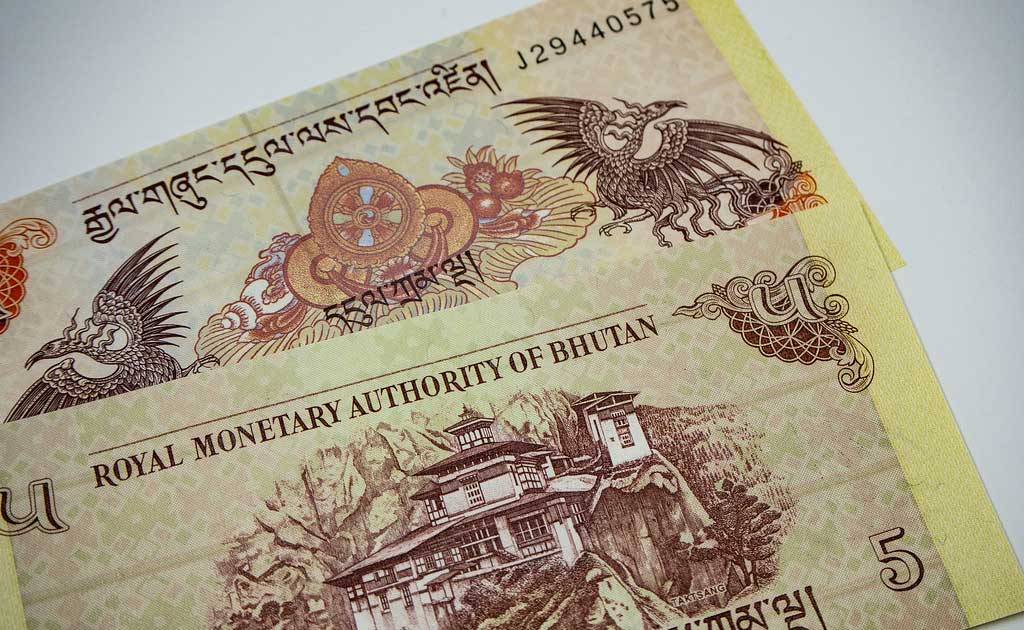
Credit cards and digital payments are accepted in some hotels, restaurants, and shops, mainly in larger towns. However, many local shops still prefer cash. Daily expenses in Bhutan are usually reasonable and cover food, small shopping, and tips, but the cost can change depending on how you travel. To stay comfortable during your trip, it’s best to keep both cash and cards with you and plan your spending wisely.
Cultural Etiquette Every First-Time Visitor Must Know
In Bhutan, people care a lot about religion, traditions, and respect. Life is simple and calm, and people try to live peacefully with nature. Tourists are welcome, but you need to behave properly, especially in temples and public places. Small things like how you dress or act matter here. If you respect their ways, locals are friendly and open, and your visit feels more real. Knowing these basics helps you avoid mistakes and enjoy Bhutan without offending anyone.
Basic Things to Remember:
- Wear simple, covered clothes in temples and monasteries.
- Take off your shoes before entering temples, monasteries, or homes.
- Avoid public displays of affection.
- Never point your feet at religious objects or people.
- Walk clockwise around stupas, prayer wheels, and temples.
- Ask permission before photographing people or religious sites.
- Greet locals with a smile or slight bow.
- Respect monks, elders, and religious ceremonies at all times.
What to Pack for Bhutan
- Layered Clothing: Pack outfits that can be layered for changing weather, including a warm jacket for higher altitudes.
- Trekking Shoes: Comfortable shoes for hiking trails and sturdy casual shoes for walking around towns.
- Rain Gear: A light raincoat or poncho is useful during the monsoon or unexpected showers.
- Travel Essentials: Sunscreen, sunglasses, water bottles, and a small first-aid kit for safety and comfort.
- Documents: Keep your passport, visa approval letter, and travel insurance handy.
- Electronics & Chargers: Camera, phone, power bank, and universal travel adapter.
- Optional Items: Snacks for trekking, reusable bags, and a hat or scarf for sun or cold protection.
This Bhutan packing list for travelers ensures first-time visitors are fully prepared for a safe and comfortable journey.
Accommodation Options
Bhutan has many places to stay, suitable for different budgets and travel styles. In popular places like Thimphu and Paro, hotels are clean, comfortable, and modern, which makes them good for first-time visitors. In smaller towns, guesthouses offer a more local and homely stay. Eco-lodges are a good choice for people who enjoy nature or trekking and want to stay close to the natural surroundings. All accommodations are chosen carefully to make sure guests are comfortable, safe, and have a pleasant stay during the trip.
During the trip with NTA, accommodation will be provided in comfortable hotels and local lodges, with two people sharing a room. Single occupancy can be arranged at an extra cost. The package includes three freshly prepared meals each day: breakfast, lunch, and dinner along with regular servings of tea and coffee throughout your stay in Bhutan. At higher altitudes, it’s wise to eat light and choose foods that suit your body. Advance booking of accommodation is recommended, particularly during peak seasons and festival times, due to limited availability.
Food in Bhutan: What to Expect on Your First Trip
Food in Bhutan is usually spicy, especially if you are not used to chilies. Chilies are eaten like vegetables here, not just as a spice, so many dishes are hot. But there is no need to worry. Most hotels and restaurants will make the food less spicy if you ask. You can also find simple Indian food, Tibetan food, and some basic Western food in tourist places.
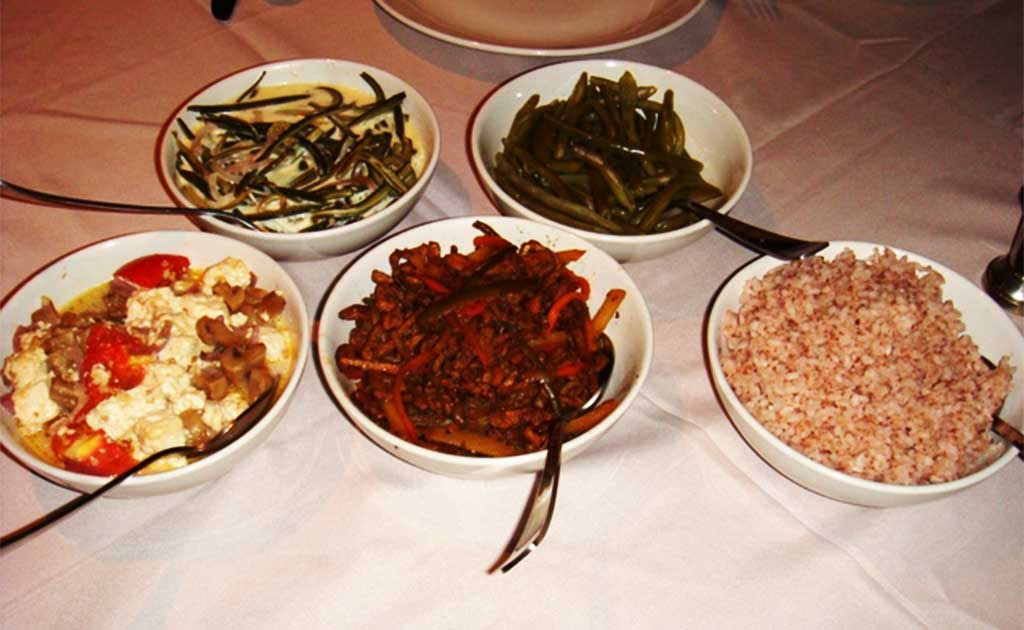
Some common Bhutanese dishes are Ema Datshi made with chilies and cheese, Kewa Datshi made with potatoes and cheese, Phaksha Paa which is pork cooked with chilies, and red rice, which people eat every day in Bhutan. Vegetarian and vegan food is easy to find, especially in hotels and towns, and food can be changed to suit your needs. Food is generally clean in tourist restaurants, but it is better to drink bottled or boiled water and not drink tap water.
Internet, SIM Cards & Staying Connected in Bhutan
Most hotels in Bhutan, especially in places like Thimphu and Paro, provide Wi-Fi for guests. The connection is usually fine for basic use such as messaging, emails, and browsing. However, the internet can be slow at times and may not work well in smaller towns or during bad weather. Internet speeds are moderate, so video calls and streaming may be unreliable.
Tourists can buy a local SIM card from companies like B-Mobile or TashiCell at the airport or in town. You need to show your passport and visa. Local SIM cards usually work better than using international roaming, but the signal can be weak in remote and mountain areas. It’s a good idea to download maps and important information before you go and be ready for limited networks in rural places.
Health, Safety, and Travel Advice
Before going to Bhutan, make sure your regular vaccinations are up to date. This keeps you healthy and safe. It’s also smart to have travel insurance, especially if you plan to trek, hike, or do adventure stuff. It helps if you get sick or something unexpected happens.
When you are traveling in Bhutan, always follow local rules on roads, trails, and paths. While traveling in Bhutan, always follow local rules on roads, trails, and trekking paths. Some mountain routes can be steep and hard to walk. Following these safety tips will help you have a safe and smooth trip while enjoying the beauty, culture, and calm of the Last Himalayan Kingdom.
Common Bhutan Travel Mistakes First-Time Visitors Make
Many first-time visitors to Bhutan misunderstand the country’s travel system and arrive with wrong expectations. From budgeting mistakes to packing issues and altitude ignorance, these small errors can affect the overall experience. Bhutan is a unique destination that focuses on sustainability, culture, and natural beauty rather than mass tourism or luxury. Understanding these common mistakes in advance helps travelers plan better, enjoy the journey comfortably, and truly appreciate the authentic Bhutanese way of life.
Common Mistakes First-Time Visitors Make in Bhutan
- Assuming Bhutan is expensive without understanding the Sustainable Development Fee (SDF)
- Failing to calculate total trip costs beyond the daily SDF
- Packing unsuitable clothing for changing weather and cold mornings
- Forgetting rainwear during the monsoon season
- Ignoring altitude and not allowing time for acclimatization
- Rushing the itinerary instead of traveling at a relaxed pace
- Expecting luxury hotels and nightlife instead of cultural experiences
- Not being mentally prepared for a simple, nature-focused lifestyle
Tips for First-Time Visitors
- Book your trip with licensed tour operators to make everything easy.
- Respect local culture: dress modestly, take off shoes in temples or sacred places, and follow customs.
- Plan your trip to include important sites, treks, and festivals.
- Take your time to enjoy the mountains, valleys, and monasteries Bhutan is best seen slowly.
- Talk and interact with local people politely to learn about their life and traditions.
- Carry useful items like a water bottle, sunscreen, and a small first-aid kit for comfort and safety.
- Follow local rules for trekking and travel safety to avoid accidents and make your trip worry-free.
- Respect nature: don’t make trash and take care of the environment.
These tips are the main things first-time visitors should know. They help you have a safe, respectful, and unforgettable trip to Bhutan.
Conclusion
Bhutan is a place like no other. Here, tall Himalayan mountains meet colorful monasteries, lively festivals, and a strong sense of spirituality. Every part of the country has something special to offer, whether it’s hiking on clean mountain trails, walking through small villages, or seeing old cultural traditions in real life. First-time visitors who follow these Bhutan travel tips can move around the country easily, respect local customs, and have experiences they will always remember.
From breathtaking landscapes to warm hospitality, Bhutan rewards those who take the time to explore thoughtfully. By planning ahead, staying mindful of the culture, and embracing the adventure, you can enjoy a safe, enriching, and truly unforgettable journey. Don’t wait your adventure in the Last Himalayan Kingdom is ready to begin!
Anjila Bhujel
Drop us a message