Top 10 Festivals in Bhutan Every Traveler Should Know About
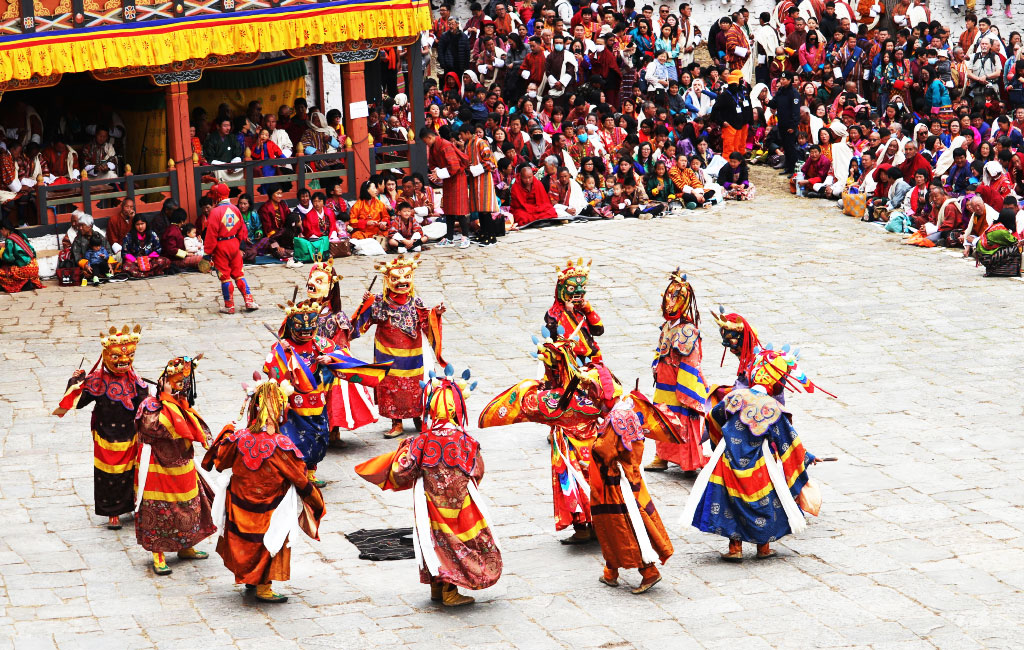
Bhutan is a country where festivals are not just events on a calendar. They are a living part of everyday life. Known locally as Tsechus, Bhutanese festivals are deeply rooted in Buddhism and are celebrated with colorful mask dances, traditional music, and sacred rituals performed by monks and local communities. These festivals bring together people from nearby villages dressed in their finest traditional clothes, turning monastery courtyards and dzongs into lively gathering places filled with devotion, joy, and storytelling. For travelers, attending a festival in Bhutan offers a rare chance to witness the country’s spiritual traditions in their most authentic and meaningful form.
For many visitors, Bhutan festivals become the highlight of the journey. They offer a deeper understanding of Bhutanese culture that goes far beyond sightseeing or trekking. Each festival has its own history, purpose, and unique atmosphere some are grand and lively, while others are quiet and deeply spiritual. Planning your trip around these celebrations allows you to experience Bhutan through the eyes of its people, making your visit more personal and memorable. In this guide, we explore the top festivals in Bhutan that every traveler should know about before planning their trip.
Why Bhutan Festivals Are So Special for Travelers?
Bhutan festivals are more than just colorful events, they are living expressions of faith, history, and community. For travelers, these festivals offer a rare chance to step into authentic Bhutanese life, where culture isn’t performed for tourists but shared with pride and meaning. Here’s why Bhutan festivals feel truly special when you experience them in person:
- Festivals in Bhutan are deeply rooted in Buddhism, giving travelers a meaningful cultural experience rather than simple entertainment
- Most festivals (Tsechus) are held in monasteries and dzongs, allowing visitors to witness traditions in their original sacred settings
- The masked dances tell stories of good versus evil, karma, and enlightenment, helping travelers understand Bhutanese beliefs in a visual and memorable way
- Locals dress in their finest traditional clothes, creating a vibrant and genuine atmosphere that feels welcoming and celebratory
- Festivals bring entire communities together, giving travelers the chance to interact with locals and feel part of everyday Bhutanese life
- Many rituals are believed to cleanse sins and bring good fortune, adding spiritual depth to the travel experience
- Unlike staged cultural shows, Bhutan festivals are authentic events meant for locals first, which makes them feel honest and untouched
- Each region celebrates festivals differently, so travelers get a unique experience depending on where they go in Bhutan
- Festivals are slow-paced and peaceful, reflecting Bhutan’s relaxed lifestyle and allowing travelers to enjoy moments without rush
- Photography during festivals is incredibly rewarding, with colorful costumes, dramatic masks, and historic backdrops
- Attending a festival helps travelers time their visit during the best seasons, usually spring and autumn, when weather is ideal
- Bhutan festivals create emotional memories, not just photos, making the journey feel personal and deeply enriching
Table of Contents


Top 10 Festivals in Bhutan Every Traveler Should Know About
Bhutan is a land where culture is alive and deeply woven into everyday life, and its festivals are the best way for travelers to experience this richness. Celebrated across valleys and ancient monasteries, Bhutanese festivals also known as Tsechus, are filled with sacred mask dances, spiritual rituals, traditional music, and vibrant local gatherings. For visitors, these festivals offer a rare opportunity to witness authentic Bhutanese traditions, connect with local communities, and understand the country’s Buddhist heritage in a meaningful way. Here are the top 10 festivals in Bhutan that every traveler should know about before planning their journey.
Paro Tsechu
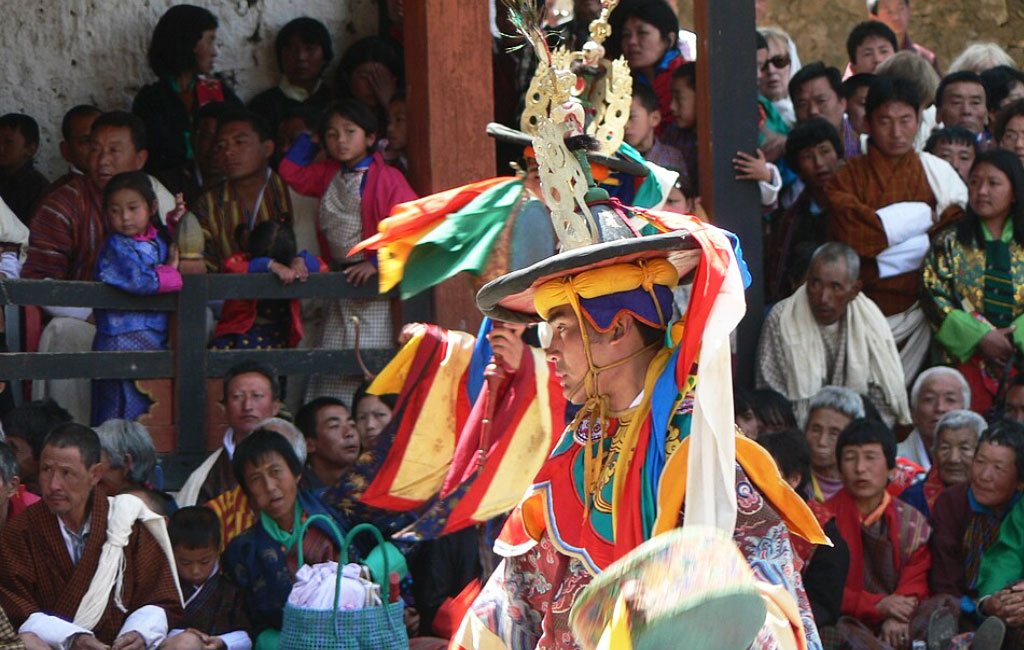
Paro Tsechu is one of the most famous and widely attended festivals in Bhutan, held every year in the beautiful Paro Valley. It usually takes place in spring, around March or April, in the courtyard of the historic Paro Dzong. During the festival, monks and trained laymen perform colorful masked dances known as Cham, which tell stories of Buddhist teachings, good versus evil, and the life of Guru Rinpoche.
Locals from nearby villages dress in their finest traditional clothes and gather with family and friends, turning the festival into both a spiritual and social event. For travelers, Paro Tsechu is a wonderful introduction to Bhutanese culture, as it combines religion, history, music, and community spirit in one lively celebration.
The most special moment of Paro Tsechu happens on the final morning, when a giant sacred scroll called the Thongdrel is unfurled before sunrise. This massive painting of Guru Rinpoche and other deities is believed to bless everyone who sees it and wash away sins
People wake up very early to witness this rare event, as the Thongdrel is shown only once a year and rolled back before the sun touches it. The atmosphere is peaceful yet powerful, filled with prayer, incense, and quiet devotion. For many visitors, watching the Thongdrel at Paro Tsechu becomes one of the most memorable and meaningful experiences of their journey in Bhutan.
Thimphu Tsechu
Thimphu Tsechu is one of the biggest and most important festivals in Bhutan, held every year in the capital city, Thimphu. It usually takes place in autumn (September or October) at the grand Tashichho Dzong. During the festival, monks and lay performers dressed in colorful silk costumes and dramatic masks perform sacred cham dances
These dances are not just for entertainment—they tell stories of Buddhist teachings, good overcoming evil, and the life of Guru Rinpoche. For locals, attending Thimphu Tsechu is a way to receive blessings, earn merit, and come together as a community. For travelers, it’s a rare chance to see Bhutanese culture come alive in its most authentic form.
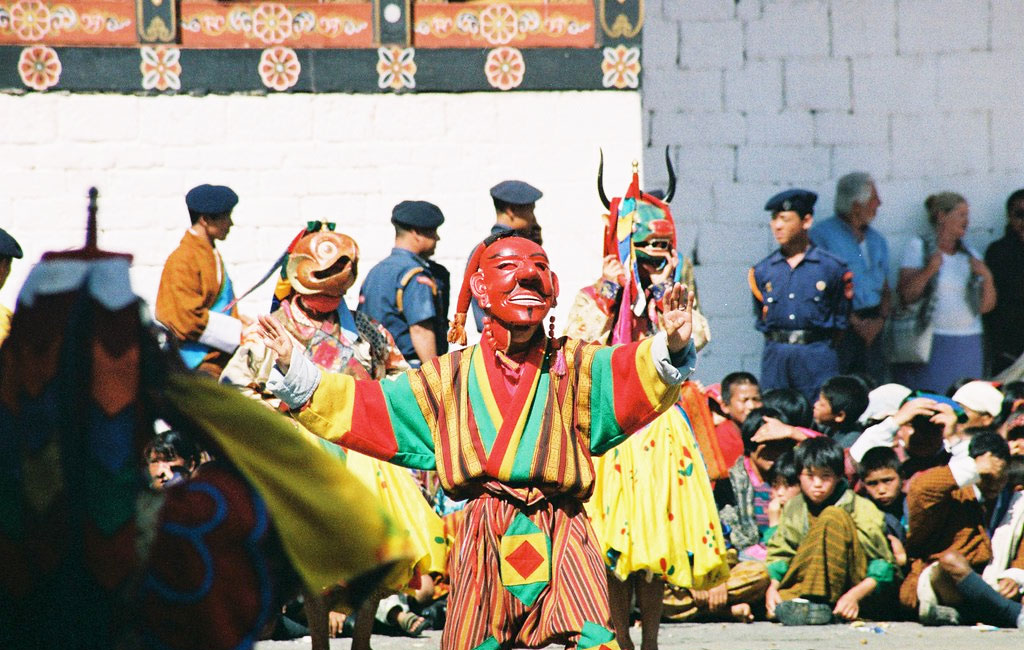
What makes Thimphu Tsechu especially appealing to travelers is how accessible and vibrant it feels. Because it’s held in the capital, it’s easier to attend compared to remote festivals, yet it still feels deeply traditional. Families arrive early in their finest kira and gho, bringing food, chatting, and enjoying the festive atmosphere.
The open courtyard fills with music, laughter, and the rhythmic movements of masked dancers. Visitors are warmly welcomed, and it’s common to see locals happily explaining the meaning of dances or posing for photos. Experiencing Thimphu Tsechu leaves travelers with a deeper understanding of Bhutan’s spiritual life and a lasting memory of its living culture.
Punakha Drubchen & Punakha Tsechu
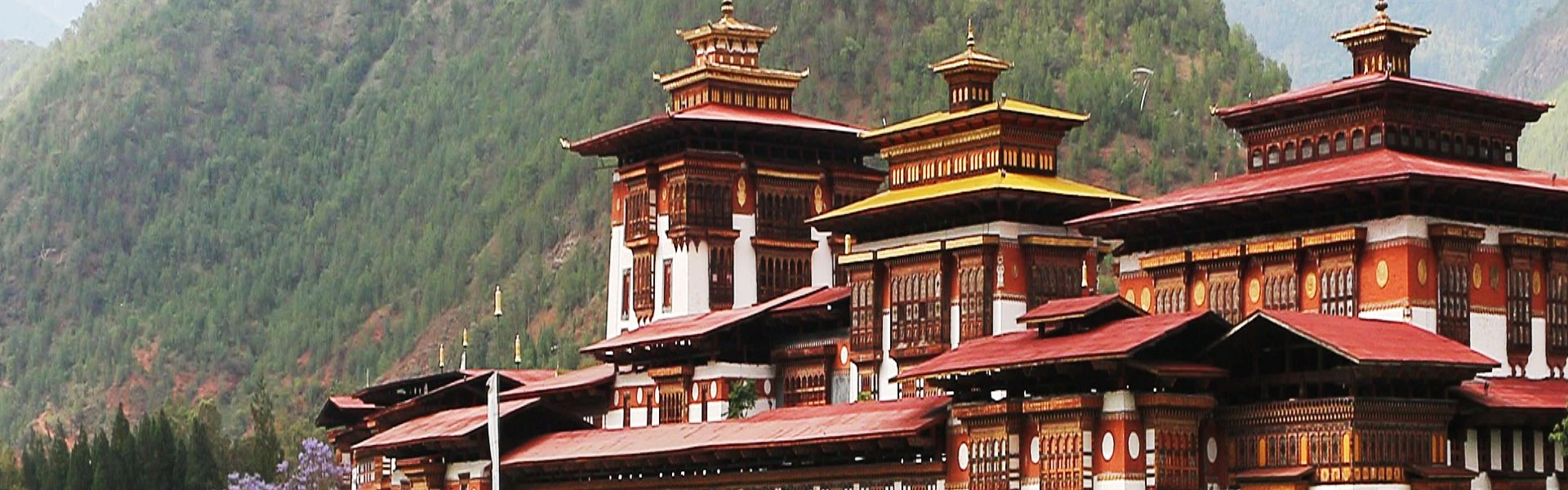
Punakha Drubchen & Punakha Tsechu are among the most meaningful and visually powerful festivals in Bhutan, especially for travelers who want to understand the country’s history and spiritual roots. Punakha Drubchen is unique because it includes a dramatic re-enactment of the 17th-century battle where Bhutanese warriors defended the country from Tibetan invaders.
Local men dress as soldiers and recreate the scenes in the courtyard of the stunning Punakha Dzong, which sits at the meeting point of the Pho Chhu and Mo Chhu rivers. Watching this feels less like a performance and more like stepping into living history, as the entire community takes part with pride and deep respect.
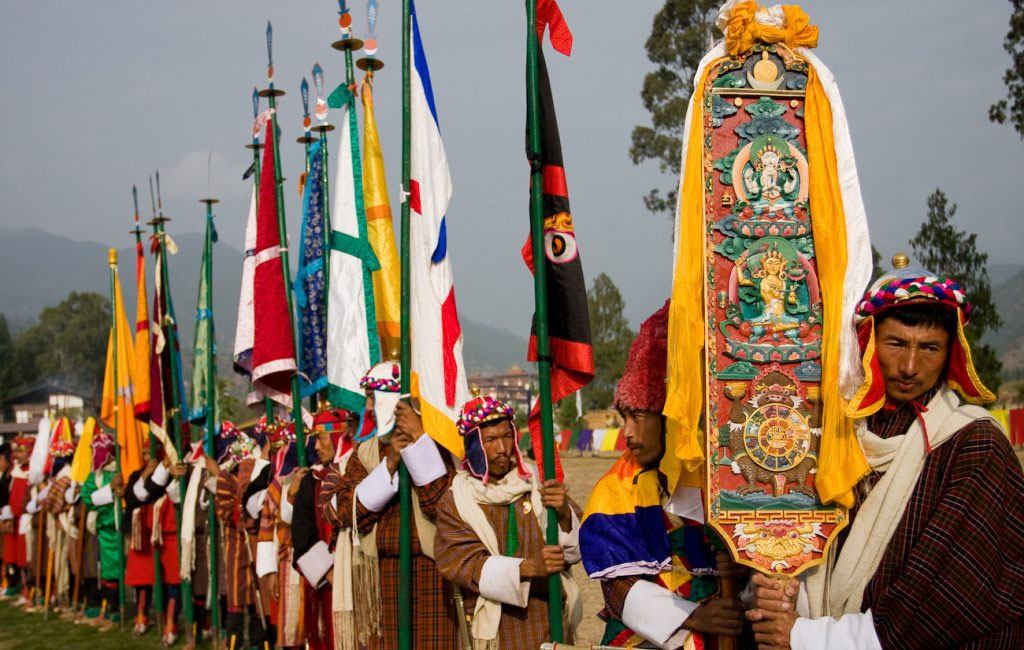
Following the Drubchen, Punakha Tsechu focuses more on religious celebration and spiritual blessings. Monks and lay performers present colorful mask dances that represent Buddhist teachings, the victory of good over evil, and protection from negative forces. Locals come dressed in their finest traditional clothes, creating a joyful and welcoming atmosphere for visitors.
For travelers, this festival offers a perfect balance of history, culture, and spirituality, all set against one of Bhutan’s most beautiful dzongs. Experiencing Punakha Drubchen & Tsechu is a memorable way to see how Bhutan preserves its traditions while warmly sharing them with the world.
Jambay Lhakhang Drup
Jambay Lhakhang Drup is one of the oldest and most fascinating festivals in Bhutan, held every year at Jambay Lhakhang monastery in the Bumthang Valley. This sacred temple was built in the 7th century by Tibetan King Songtsen Gampo, making the festival deeply rooted in Bhutanese history and Buddhism. The festival usually takes place in autumn and features colorful mask dances performed by monks and local villagers.
These dances are not just for entertainment—they tell stories of Buddhist teachings, protect people from negative energies, and bring blessings to the community. Travelers often find this festival special because it feels authentic and less commercial compared to larger festivals in Paro or Thimphu.
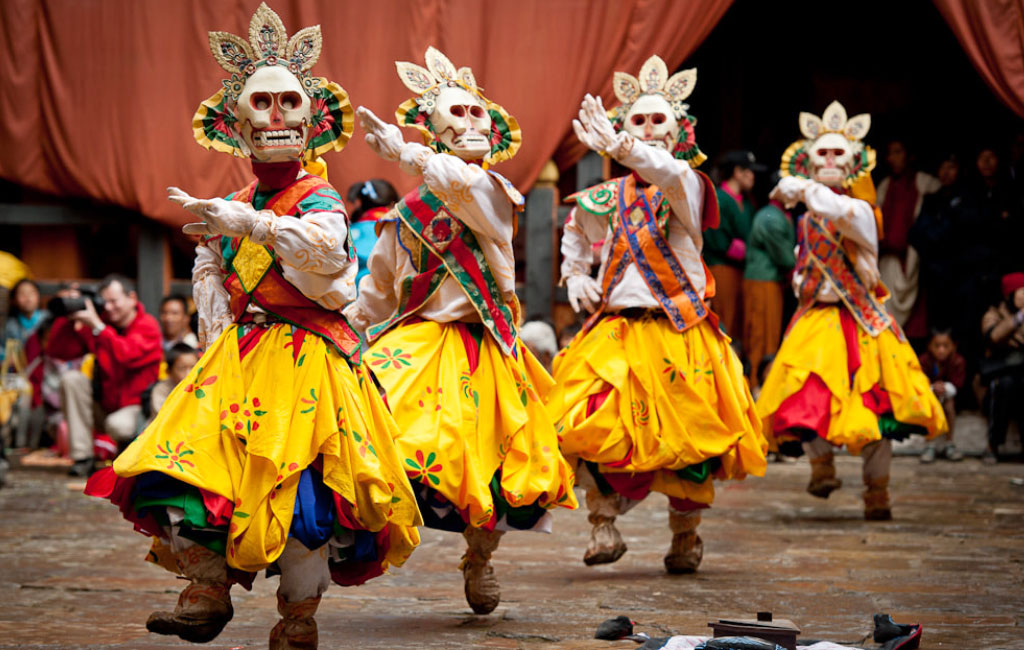
What truly sets Jambay Lhakhang Drup apart is the famous fire ritual (Mewang) and the Tercham, also known as the naked dance. Performed late at night, the fire ritual involves people passing under a flaming arch to cleanse sins and receive good luck. The Tercham dance, performed by masked dancers wearing minimal clothing, symbolizes the removal of ego and the triumph of spiritual truth over fear.
While it may surprise first-time visitors, locals see it as a powerful and sacred tradition. For travelers seeking a deeper cultural and spiritual experience in Bhutan, attending Jambay Lhakhang Drup is truly unforgettable.
Wangdue Tsechu
Wangdue Tsechu is a lively and colorful festival held in the Wangdue Phodrang region of central Bhutan. It usually takes place in autumn and brings together local communities from nearby villages. Monks and lay performers present traditional mask dances that represent Buddhist teachings, moral stories, and the victory of good over evil. Compared to the bigger festivals in Paro or Thimphu, Wangdue Tsechu feels more relaxed and personal, which many travelers appreciate.
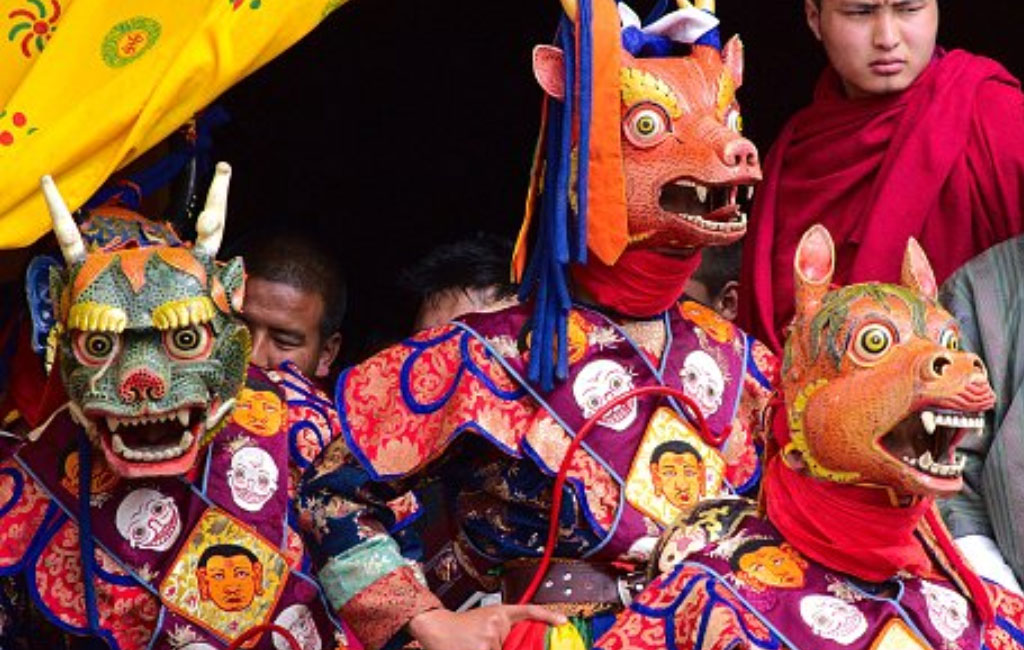
The festival is a wonderful chance to see how local Bhutanese people celebrate their culture in a natural way. Villagers wear their finest traditional clothes, share food, and socialize while enjoying the performances. For travelers who want to experience a genuine Bhutanese festival without large crowds, Wangdue Tsechu offers a warm and authentic cultural experience.
Trongsa Tsechu
Trongsa Tsechu is celebrated at the impressive Trongsa Dzong, one of the most historically important fortresses in Bhutan. Trongsa holds special importance because it is closely connected to Bhutan’s royal family. The festival features sacred mask dances performed by monks, accompanied by traditional music and rituals that bless the land and the people. The dramatic setting of the dzong adds to the beauty of the festival.
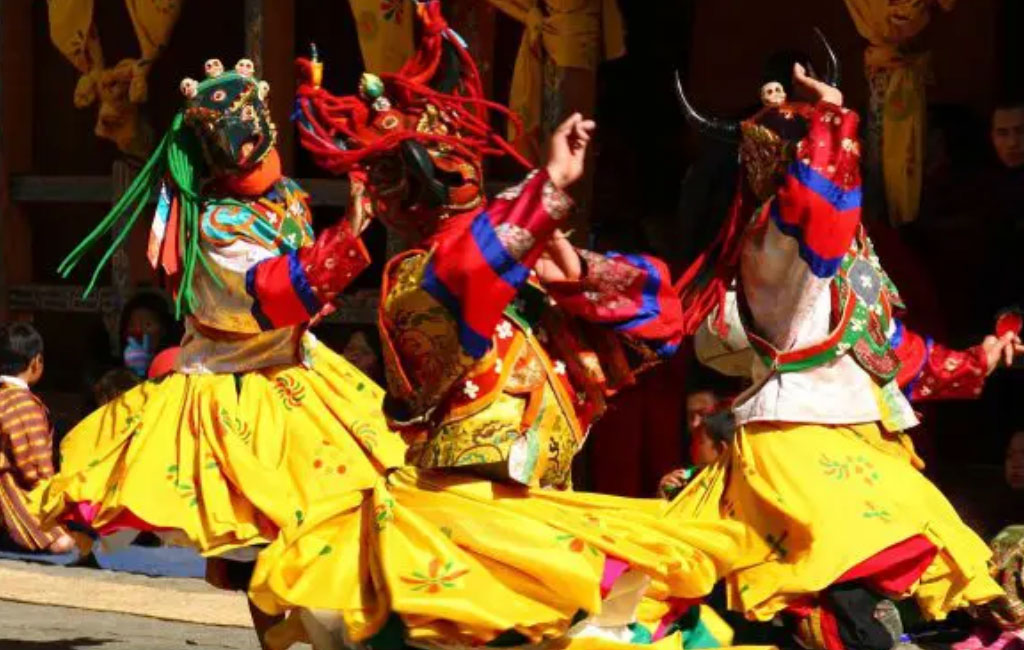
For visitors, Trongsa Tsechu offers a deep look into Bhutan’s spiritual life and royal heritage. The festival is less crowded than those in western Bhutan, making it easier to observe rituals closely and interact with locals. It is ideal for travelers interested in history, architecture, and meaningful cultural experiences.
Bumthang Jakar Tsechu
Bumthang Jakar Tsechu takes place in the spiritual heartland of Bhutan, the Bumthang Valley. This festival is known for its peaceful atmosphere and strong religious significance. Mask dances and rituals are performed at Jakar Dzong, with a focus on spreading blessings and protecting the community from negative forces. The calm surroundings make the festival feel deeply spiritual.
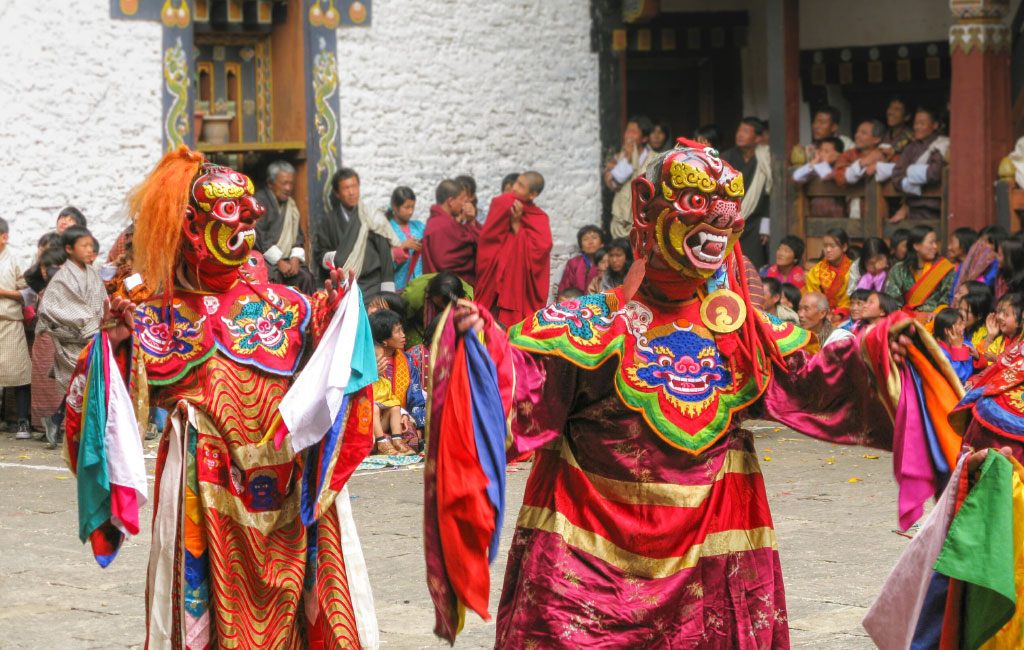
Travelers often find Bumthang Jakar Tsechu soothing and reflective. Unlike louder festivals, this one emphasizes devotion and tradition over spectacle. It is perfect for those who want to experience Bhutanese culture in a quiet, meaningful setting while enjoying the beauty of central Bhutan.
Haa Summer Festival
The Haa Summer Festival is a unique cultural event held in the remote and beautiful Haa Valley. Unlike traditional Tsechus, this festival focuses on celebrating local lifestyles, especially the traditions of nomadic communities. Visitors can enjoy folk songs, traditional sports, local food, and displays of everyday Bhutanese village life.
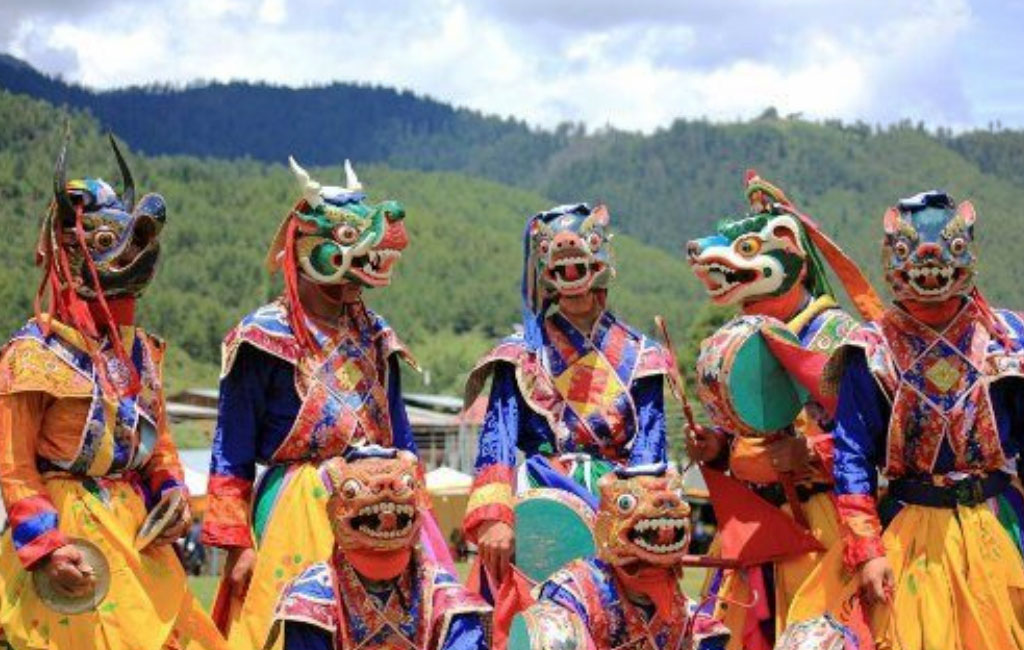
This festival is especially popular with travelers looking for something different and off the beaten path. It offers a rare opportunity to connect with locals, taste homemade dishes, and learn about rural Bhutanese culture. The relaxed and friendly environment makes the Haa Summer Festival feel welcoming and memorable.
Ura Yakchoe
Ura Yakchoe is a sacred and lesser-known festival held in the Ura Valley of Bumthang. It centers around the display of a holy relic believed to have miraculous powers. The festival includes mask dances, prayers, and rituals performed by monks and villagers, all focused on spiritual cleansing and blessings.
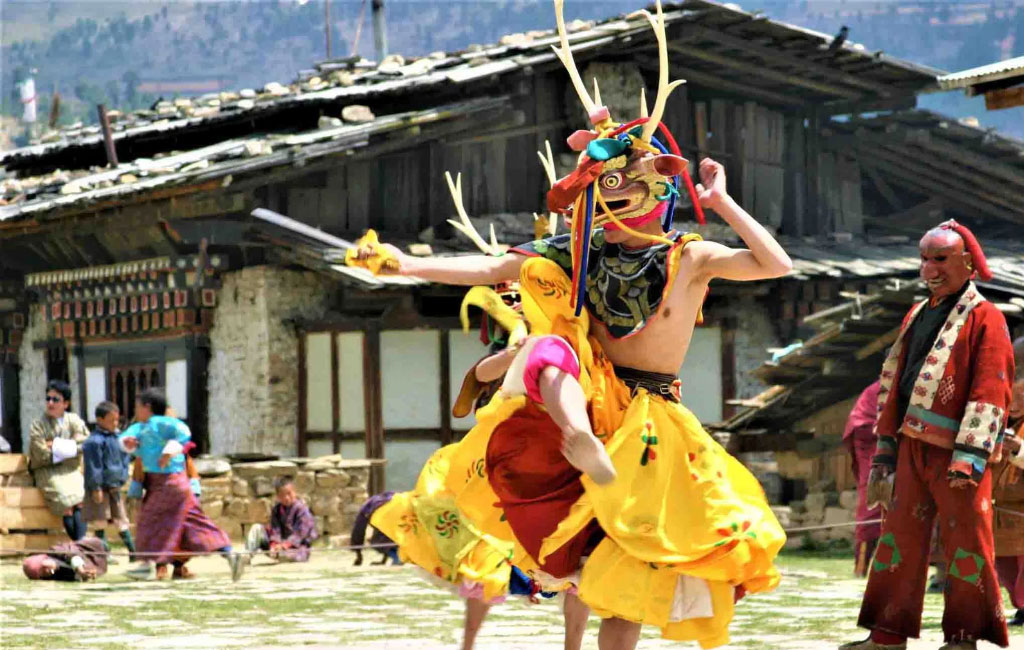
Because it is not widely commercialized, Ura Yakchoe feels very intimate and authentic. Travelers who attend this festival often feel like guests rather than tourists. It is ideal for those seeking a deep spiritual connection and a true glimpse into traditional Bhutanese religious life.
Black-Necked Crane Festival
The Black-Necked Crane Festival is held in the Phobjikha Valley to celebrate the arrival of the endangered black-necked cranes during winter. The festival combines cultural performances, folk dances, and educational activities focused on conservation. Local schoolchildren and villagers actively take part, making the event lively and meaningful.
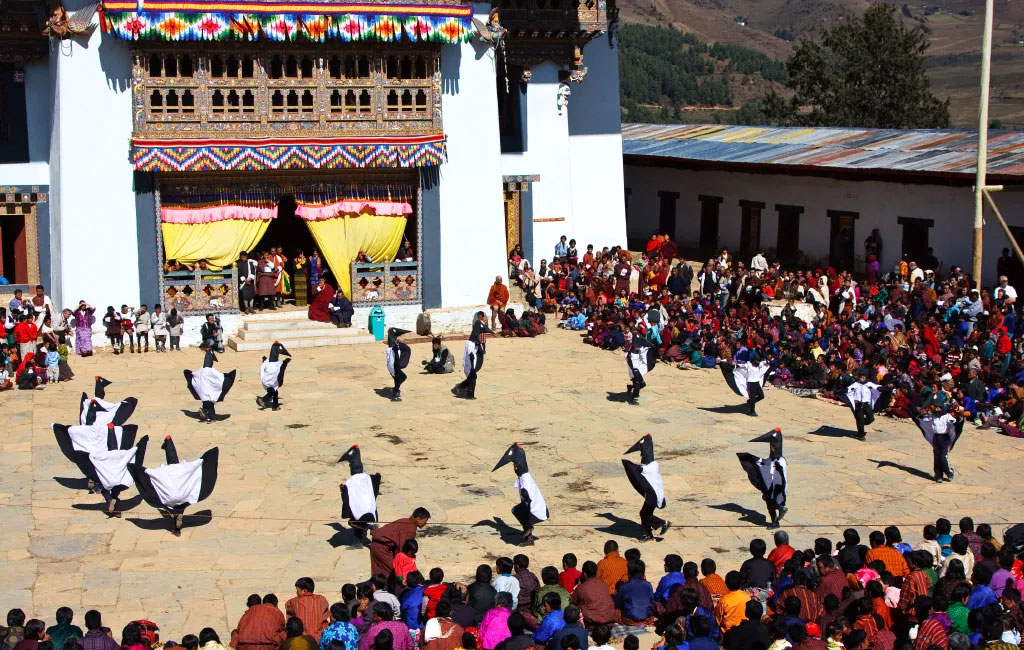
For travelers, this festival offers a beautiful mix of culture and nature. It is especially appealing to eco-travelers and bird lovers. Attending the festival allows visitors to learn about Bhutan’s commitment to environmental protection while enjoying traditional performances in a stunning natural setting.
Final Thoughts on Bhutan Festivals
Bhutan festivals are more than just colorful events on a calendar—they are a living expression of the country’s soul, faith, and community life. Attending a festival in Bhutan allows travelers to witness ancient traditions, sacred mask dances, and local gatherings that have remained unchanged for centuries. Whether it’s the grand Tsechus in Paro and Thimphu or smaller village festivals in Bumthang and Haa, each celebration offers a rare chance to connect deeply with Bhutanese culture.
For many visitors, these festivals become the most memorable part of their journey, turning a simple trip into a meaningful cultural experience. Planning your visit around Bhutan festivals not only enhances your travel experience but also helps you understand why Bhutan is truly known as the Land of Happiness.
Manju Mahato
Drop us a message