Complete Guide for Upper Mustang Trek: Cost, Permit & Itinerary
Upper Mustang Trek is really special and unlike most treks in Nepal. It’s very different from busy places like Everest or Annapurna. Upper Mustang feels quiet and untouched, and you can really see the Tibetan culture everywhere. This area used to be the Kingdom of Lo, and even today, the villages, monasteries, and the way people live have hardly changed. Strolling through the streets, observing the ancient walls, and observing daily life evokes a sense of traveling back in time.
Because Upper Mustang is a restricted area, you can’t just go there like other trekking regions. You need special permits, a licensed guide, and some planning. Many people wonder about the cost, how to get permits, and what the trek looks like, but it’s easy to get confused online because information is often incomplete or unclear.
We’ve taken many trekkers through Upper Mustang. We know what it takes, from getting the permits, arranging transport, and choosing the best route to preparing for the weather and local conditions. In this guide, we explain everything in simple words: the permit process, the costs, suggested itineraries, and practical tips. Our goal is to help you plan your Upper Mustang trek without stress so you can enjoy the scenery, meet the locals, and have an experience you’ll never forget.
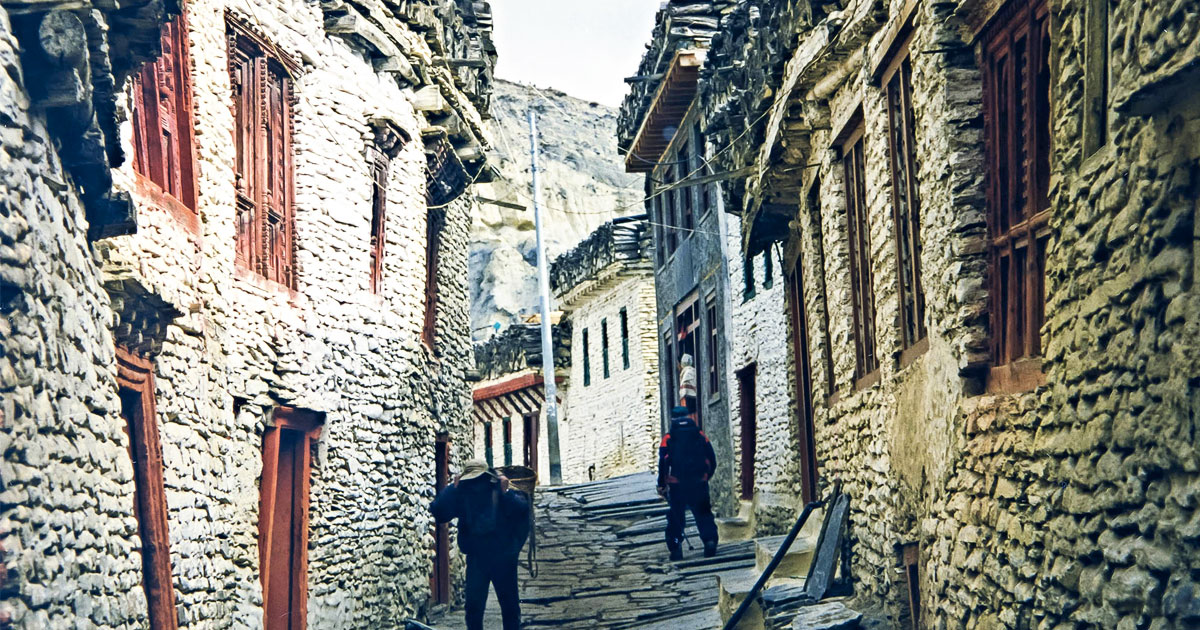
Table of Contents


Understanding Upper Mustang: Where It Is and Why It Is Restricted
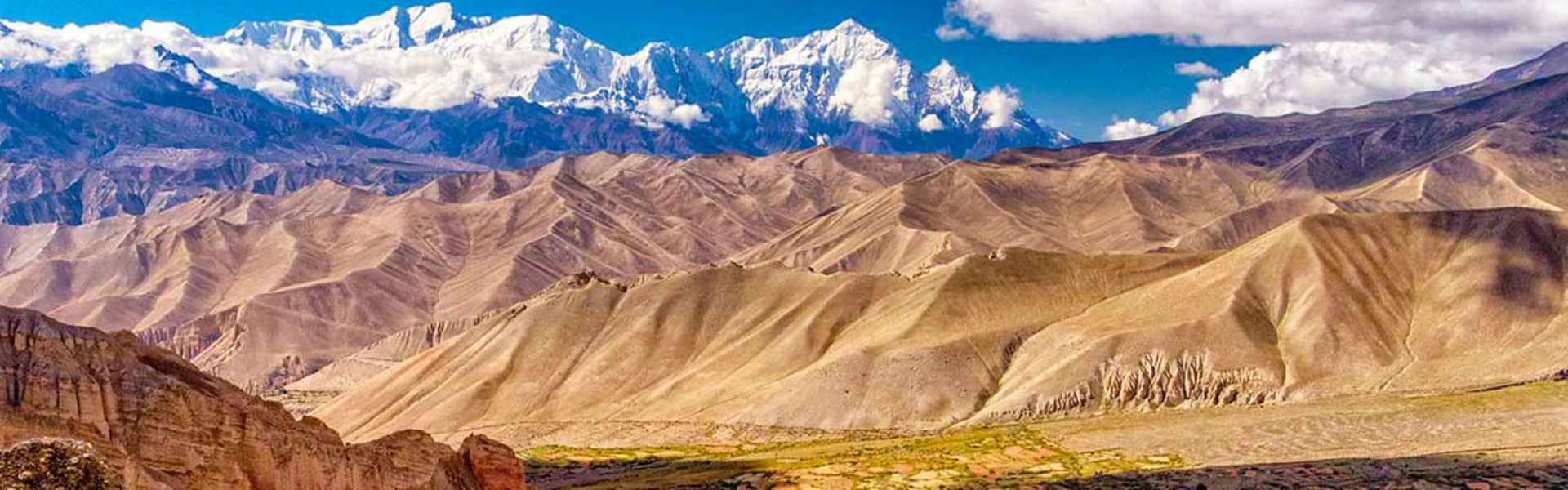
Upper Mustang is in the trans-Himalayan region of Nepal, just north of Kagbeni, close to the Tibetan border. The Annapurna range's rain shadow makes the landscape very different from most of Nepal's green hills. Here, the valleys are dry, the cliffs are colorful, the canyons are deep, and the deserts are wide and open, all surrounded by snow-capped mountains.
For a long time, Upper Mustang was closed to foreigners. The Nepal government opened it in 1992, but with strict rules to protect its culture and environment. The region has strong Tibetan Buddhist traditions, ancient monasteries, cave dwellings, and the walled city of Lo Manthang.
To keep this heritage safe, Upper Mustang is a restricted area. That means:
- You need special permits to go there
- You can’t trek without a guide
- The number of visitors is controlled
Visiting Upper Mustang is a rare experience, and these rules help make sure the area stays as unique and beautiful as it has for centuries.

Upper Mustang Trek Permit Requirements
One of the most important parts of planning the Upper Mustang Trek is understanding the permit system. Without the correct permits, you cannot enter the region.
Restricted Area Permit (RAP)
The Restricted Area Permit is mandatory for Upper Mustang.
- The permit is issued for a minimum of 10 days
- The cost is USD 500 per person for the first 10 days
- After 10 days, there is an additional daily charge
- The permit can only be arranged through a registered trekking agency
This fee may seem high compared to other treks, but it helps protect the region’s culture and limits overcrowding.
TIMS Card (Trekkers’ Information Management System)
Along with the restricted permit, a TIMS card (Trekkers Information Management System) is also required.
- A TIMS card is mandatory for the Upper Mustang Trek.
- It records trekker details for safety, tracking, and emergency support.
- The system helps authorities monitor trekkers in this remote region.
- The TIMS card must be arranged through a registered trekking agency.

Annapurna Conservation Area Permit (ACAP)
In addition to the restricted permit, trekkers must also obtain an Annapurna Conservation Area Permit (ACAP).
- This permit helps support conservation and local communities
- It is required for all trekkers entering the Annapurna region

Is a Guide Mandatory for Upper Mustang?
Yes, a licensed guide for trekking is compulsory for the Upper Mustang Trek, as independent trekking is not permitted in this restricted region. We arrange government-licensed guides who have deep knowledge of Mustang’s culture, traditions, and history. Our guides are experienced, professional, and fluent in English, ensuring clear communication throughout the trek. Having a guide is not only a legal requirement but also an important part of the journey, as it increases safety, adds cultural understanding, and makes the overall experience more meaningful and enjoyable.
Upper Mustang Trek 14 Days Itinerary by NTA
| Day | Route/Activity | Highlights |
| 1 | Drive from Kathmandu to Pokhara | Scenic drive, lakeside city |
| 2 | Fly to Jomsom, trek to Kagbeni | Kali Gandaki River, first village in Mustang |
| 3 | Kagbeni to Chele | Dry cliffs, remote villages |
| 4 | Chele to Syanbochen | Colorful rock formations, traditional villages |
| 5 | Syanbochen to Ghami | Mani walls, Tibetan culture |
| 6 | Ghami to Charang | Ancient monasteries, desert landscapes |
| 7 | Charang to Lo Manthang | Walled city, royal palace |
| 8 | Explore Lo Manthang | Monasteries, local culture, photography |
| 9 | Lo Manthang to Dhakmar | Small villages, panoramic views |
| 10 | Dhakmar to Ghiling | Quiet trails, traditional lifestyle |
| 11 | Ghiling to Chhuksang | Scenic valley trek |
| 12 | Chhuksang to Jomsom | Return journey, village stopovers |
| 13 | Fly back to Pokhara | Scenic flight over Annapurna and Dhaulagiri |
| 14 | Drive from Pokhara to Kathmandu | End of trek, transfer to hotel or airport |
Best Time to Trek Upper Mustang
Upper Mustang is a unique high-altitude desert, and the best time to go depends on what you want: good weather, great views, or fewer crowds. Spring (March to May) is very popular because the weather is mild, the skies are usually clear, and the valleys and villages are full of flowers. It’s also a wonderful time for photography, with dramatic cliffs, wide valleys, and the monasteries of Lo Manthang looking their best.
Autumn (September to November) is another wonderful time. The weather is stable, the air is crisp, and the skies are clear, making trekking comfortable and enjoyable. Even though summer (June to August) is monsoon season in most of Nepal, Upper Mustang is in a rain-shadow area, so it doesn’t get much rain, and trekking is still possible.
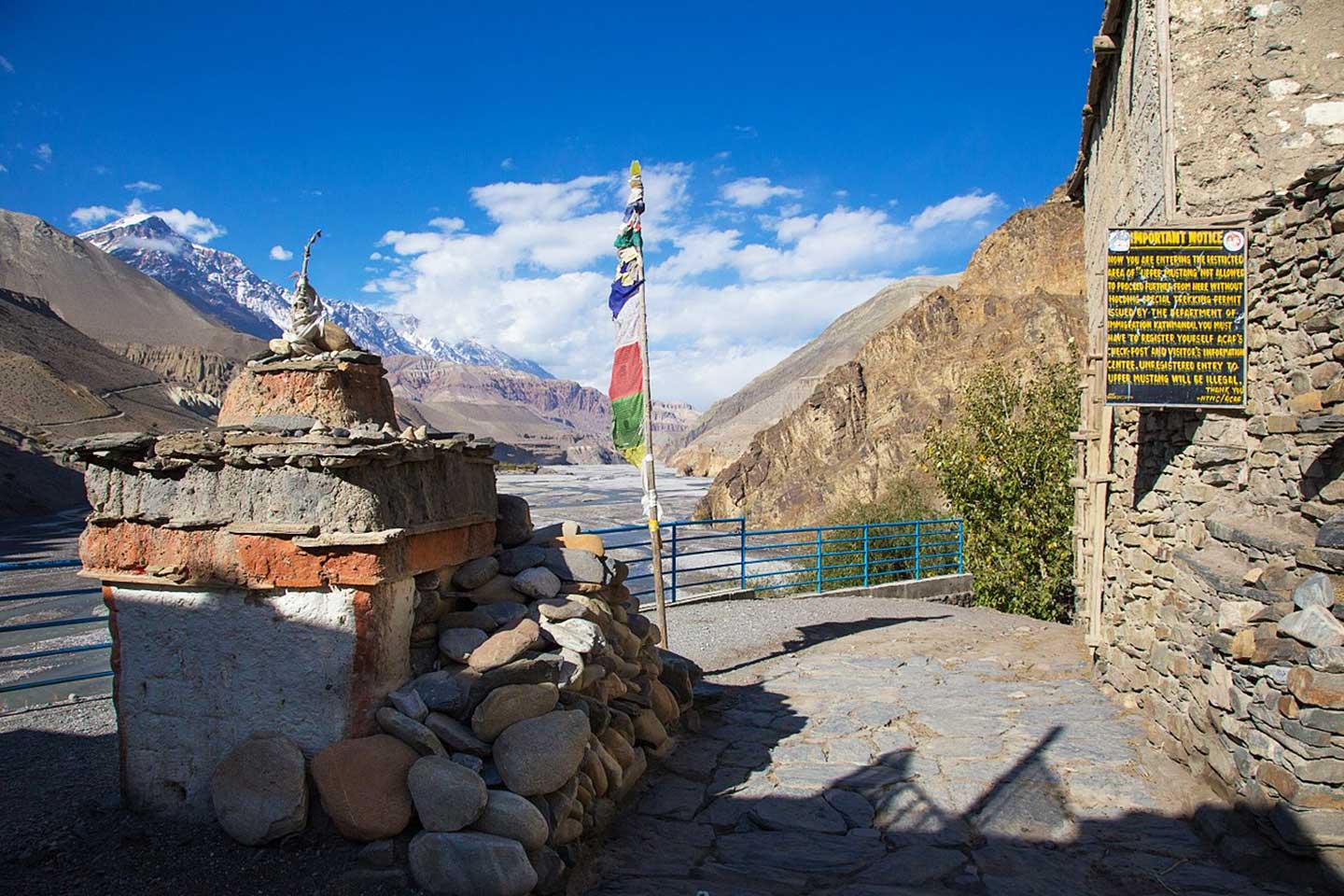
Winter (December to February) is cold, but the trails are quiet and peaceful. Fewer trekkers go this time, so you can enjoy solitude and untouched landscapes, though some high passes may be harder to cross.
Picking the right season makes a big difference. It helps you stay safe, see the best scenery, and have a trekking experience you’ll never forget.
Accommodation, Food & Daily Life on the Trail
In Upper Mustang, most trekkers stay in basic teahouses. These places are simple but comfortable. Rooms usually have two beds and shared bathrooms. They are not luxury hotels, but they are clean and safe. Some teahouses have electricity, hot showers, and Wi-Fi, but these are limited and may cost extra, especially in remote villages. Staying in teahouses also lets you see how local people live and gives you a chance to talk with them.
Food on the trek is simple and filling. Teahouses usually serve dal bhat (rice, lentils, and vegetables), noodles, soup, bread, and some Tibetan-style food. Meals are freshly cooked and made with local ingredients. Trekking in Upper Mustang is not only about walking through beautiful places but also about sharing food, daily life, and moments with people in this quiet mountain region.
Transportation to Upper Mustang
There are two ways to go to Upper Mustang. One way is to fly from Pokhara to Jomsom. This is the fastest option. The flight is short, and you can see big mountains like Annapurna and Dhaulagiri. It saves time, but flights sometimes get delayed. Wind and fog, especially in winter and the rainy season, can stop flights.
The second way is to travel by jeep through Beni. This takes longer, but the journey is captivating. You drive through villages, rivers, and valleys and see local life along the way. Going by road helps you understand the Mustang area better, and the views are breathtaking.
We help travellers decide which option suits them best, based on the season, safety, and personal preference. Our goal is to make sure your trip to Upper Mustang starts smoothly, comfortably, and in a way that feels right for you.
Why Choose Nepal Trek Adventures (NTA)
Our top priority is your safety and comfort throughout the trek. We take care of everything so your Upper Mustang trek is smooth and enjoyable. Our local guides know the region inside out and will help you every step of the way, from getting permits to handling logistics. This way, you can relax and focus on the amazing scenery and unique experiences along the way.
We keep our prices fair and travel responsibly. The money from your trek supports local people and helps protect Mustang’s culture and way of life. For us , trekking is not about rushing to the end point. It’s about walking through the land, learning about the culture, and respecting the people who live there. We aim to make your Upper Mustang trek safe, real, and memorable.
Travel Tips For Upper Mustang Trek
- Plan your budget carefully, as Upper Mustang is costly due to permits, guide fees, and logistics.
- Obtain the Restricted Area Permit (RAP), ACAP, and TIMS card through a registered trekking agency.
- Hire a licensed guide, as independent trekking is not allowed in Upper Mustang.
- Choose the right itinerary length for proper acclimatization and village exploration.
- Trek during the best seasons, especially spring and autumn, for clear weather and stable conditions.
- Carry enough cash, as there are no ATMs in the Upper Mustang region.
- Expect simple but comfortable teahouse accommodation along the route.
- Respect local culture, traditions, and monastery rules throughout the trek.
Is Upper Mustang Trek Worth the Cost?
Yes, Upper Mustang is more expensive than many other treks in Nepal, but it’s really something you won’t forget. The place is different from anywhere else; the landscapes, the culture, and the quiet trails are all unique. If you want adventure, culture, and some peace, this trek is worth it.
Here’s why it stands out:
- The desert-like mountains with colorful cliffs and wide-open valleys
- Tibetan culture that’s still alive in the monasteries, villages, and Lo Manthang
- Trails that are peaceful and not crowded at all
- The old walled city of Lo Manthang, full of history
- Seeing how people live in traditional Tibetan villages
- Amazing views and chances for great photos at sunrise and sunset
- Feeling like you’ve stepped into a place that time hasn’t changed much
Final Thoughts: Plan Your Upper Mustang Trek with Confidence
The Upper Mustang trek is one of Nepal’s most unique experiences. The landscapes are amazing wide valleys, colourful cliffs, and quiet trails that feel untouched. The culture here is special too, with Tibetan traditions still alive in monasteries, villages, and daily life. Walking through Upper Mustang feels like stepping back in time.
With some planning and the right permits, the trek is much easier. Local guides who know the area well can help with permits, travel arrangements, and daily details, so you can focus on enjoying the scenery and meeting people along the way.
We help make the trek safe and smooth. Our goal is for you to experience the mountains, villages, culture, and peaceful trails fully, without worrying about the small details. Upper Mustang is a journey you will remember for a lifetime.
Anjila Bhujel
Drop us a message