Top Must-See Festivals in Nepal During Trekking Seasons
Nepal is a land of towering mountains, lush valleys, and vibrant cultures. While many travelers come here to conquer trails and reach breathtaking peaks, trekking in Nepal is also about experiencing the country’s rich cultural heritage. During the trekking seasons, which fall in spring (March to May) and autumn (September to November), Nepal comes alive with colorful festivals that offer a unique glimpse into the traditions and lifestyles of local communities.
Imagine walking along a serene trail in the Everest or Annapurna region, and suddenly, you stumble upon a village celebrating a centuries-old festival. The air is filled with the scent of traditional foods, the sound of drums, and the laughter of locals dressed in vibrant costumes. Festivals in Nepal during trekking seasons allow travelers to step beyond the usual tourist path and witness cultural celebrations that are deeply rooted in history and spirituality.
From the grandeur of Dashain and Tihar to the mystical rituals of Mani Rimdu and Losar, these festivals make trekking in Nepal an unforgettable experience. Not only do they add cultural richness to your journey, but they also create incredible opportunities for photography, storytelling, and connecting with local people along the trails.
Whether you are trekking through the high mountains of Everest Base Camp, the serene landscapes of Annapurna Circuit, or the hidden valleys of Langtang and Mustang, timing your trip to coincide with local festivals can turn an ordinary trek into a once-in-a-lifetime adventure.
Trekking in Nepal during festival season is a chance to celebrate life, tradition, and the natural beauty of one of the world’s most enchanting countries.
Why Festivals Add Value to Your Trekking Experience
Trekking in Nepal is an adventure for the eyes and the soul. While the snow-capped peaks and scenic trails are breathtaking, experiencing festivals in Nepal during trekking seasons takes your journey to a whole new level. Festivals offer a unique way to connect with the local culture, traditions, and people, making your trek more memorable and meaningful.
Here’s why celebrating festivals during your trek adds value to your adventure:
- Experience authentic Nepalese culture and traditions firsthand
- Witness vibrant dances, colorful costumes, and traditional rituals
- Interact with local communities and learn about their way of life
- Capture unique photo opportunities for memories and storytelling
- Enjoy local foods and festive delicacies that you can’t find elsewhere
- Feel the energy and joy of celebrations in remote mountain villages
- Gain a deeper understanding of Nepal’s spiritual and historical heritage
- Make your trekking journey unforgettable with cultural experiences beyond the trails
Table of Contents
![Langtang Valley Trek | Langtang Trek]() Best Seller
Best Seller![Everest base camp trek 14 days itinerary]() Traveler's Choice
Traveler's Choice![Annapurna Base Camp Trek 10 Days Best Itinerary at best Cost - NTA]() Top 2nd Best Trek
Top 2nd Best Trek


Best Festivals to Witness During Nepal’s Trekking Seasons
Nepal’s trekking seasons are not just perfect for exploring mountains—they’re also the best time to experience the country’s vibrant festivals. From the colorful streets of Kathmandu Valley to the serene villages of the Everest and Annapurna regions, local celebrations bring culture, tradition, and joy to every trail.
Some of the must-see festivals during trekking seasons include Dashain, the largest Hindu festival celebrating victory and family gatherings; Tihar, the festival of lights where homes and animals are beautifully decorated; and Mani Rimdu, a mystical Buddhist festival in the Everest region with masked dances and spiritual rituals. Spring treks also offer a chance to witness Losar, the Tibetan New Year celebrated in Mustang and Langtang, and Holi, the lively festival of colors marking the arrival of spring.
Each festival adds a unique cultural layer to your trekking adventure, offering travelers opportunities to witness centuries-old traditions, enjoy local delicacies, and connect with welcoming communities. Whether you’re trekking in the high mountains or exploring lower valleys, timing your trek with these festivals can turn a scenic hike into an unforgettable cultural journey.
Dashain
Dashain, also known as Bada'dashain or Vijaya Dashami is the biggest and most widely celebrated festival in Nepal, often referred to as the “festival of victory.” It symbolises the triumph of good over evil, commemorating the goddess Durga’s victory over the demon Mahishasura. For trekkers, experiencing Dashain is a unique opportunity to witness Nepali culture in its most vibrant and authentic form.
During Dashain, villages across the country come alive with decorations, swings (known as ping), and family gatherings. People return to their hometowns, offering blessings and performing traditional rituals, which creates a lively and festive atmosphere along trekking routes. The festival typically falls in late September or early October, making it perfectly timed for the autumn trekking season in Nepal.

Trekking during Dashain allows travelers to see communities celebrating with traditional music, dances, and delicious feasts. It’s also a great time to capture incredible photographs of Nepalese culture, from the colorful swings in the villages to locals wearing traditional attire. Trekkers in regions like the Everest Base Camp, Annapurna Circuit, and Langtang Valley may even notice special offerings at small local shrines along the trails, giving a deeper insight into the spiritual side of Nepalese life.
If you plan your trek around Dashain, you not only get to enjoy the majestic mountains and scenic trails but also witness one of the most significant cultural festivals in Nepal. This combination of natural beauty and cultural richness makes trekking during Dashain a truly unforgettable experience.
Tihar
Tihar, also known as the festival of lights, is the second biggest festival in Nepal and is celebrated with great joy across the country. Falling in October or November, Tihar perfectly aligns with the autumn trekking season in Nepal, making it an excellent time for travelers to combine adventure with cultural exploration.
The festival lasts for five days, each dedicated to honoring different animals, gods, and relationships. Homes, streets, and temples are decorated with colorful lights, flower garlands, and candles (diyas), creating a magical atmosphere that enchants both locals and visitors. Dogs, cows, and crows are worshipped on specific days, reflecting the deep connection between Nepalese culture and nature.

For trekkers, Tihar is a chance to witness vibrant cultural celebrations in villages along popular trekking routes such as the Annapurna Circuit, Pokhara, and Langtang Valley. Walking through trails where houses glow with lights and locals perform traditional dances offers a unique, immersive experience that goes beyond the usual trekking adventure. You may also have the opportunity to join in singing, dancing, or tasting festive sweets like sel roti and local delicacies, making your trek both adventurous and culturally rich.
Planning your trek to coincide with Tihar adds a magical layer to your journey, allowing you to experience Nepal’s festivals during trekking seasons while exploring its stunning mountains and valleys. The combination of colorful celebrations and breathtaking landscapes makes autumn treks during Tihar truly unforgettable.
Mani Rimdu
If you are trekking in the Everest region during autumn, witnessing Mani Rimdu is a once-in-a-lifetime cultural experience. Mani Rimdu is a Buddhist festival celebrated by the Sherpa community in monasteries across Solu-Khumbu, with Tengboche Monastery being the most famous location. The festival symbolizes the triumph of good over evil and is marked by sacred rituals, masked dances, and prayers that have been performed for centuries.
Mani Rimdu usually takes place between October and November, aligning perfectly with the autumn trekking season in Nepal. For trekkers, it offers a unique opportunity to see the spiritual traditions of the Sherpa people up close. Monks in colorful robes perform intricate masked dances that tell stories of ancient Buddhist myths, while locals and visitors gather to witness the celebrations. The festival lasts several days, giving trekkers enough time to plan their visit along the trails.
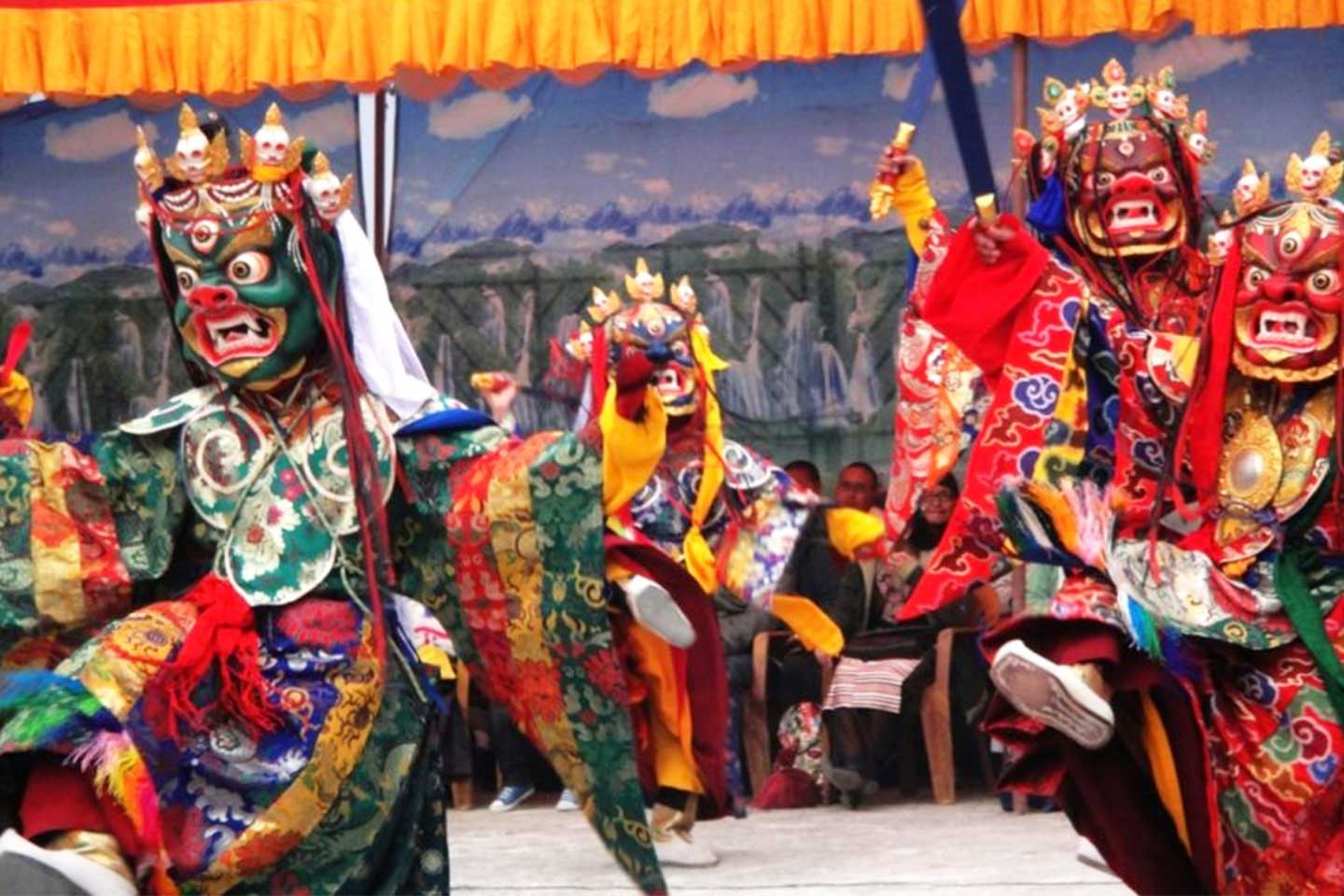
Experiencing Mani Rimdu while trekking is more than just sightseeing—it’s a chance to connect with the cultural heart of the Everest region. Alongside breathtaking views of snow-capped peaks and pristine landscapes, you’ll get to immerse yourself in rituals that have been preserved for generations. Many trekkers describe it as a “moving spiritual journey” that complements the physical adventure of trekking.
If your goal is to combine adventure with culture, planning a trek during Mani Rimdu is highly recommended. Whether you are at Everest Base Camp, on the way to Kala Patthar, or exploring nearby villages, witnessing Mani Rimdu adds a profound cultural dimension to your trekking experience in Nepal.
Holi
Holi, also known as Falgun Poornima, is one of the most joyful and colorful festivals in Nepal. Celebrated on the full moon day of the month of Falgun (February–March), Holi marks the arrival of spring and the victory of good over evil. For trekkers, witnessing Holi adds a splash of color and energy to the journey, making it one of the most vibrant festivals in Nepal during the trekking season.
During Holi, streets and villages are filled with people throwing colored powders, dancing to traditional music, and sharing sweets. While trekking in areas like the Kathmandu Valley, Pokhara, and Annapurna region, trekkers may come across local celebrations along the trail or in villages. Participating in Holi, even in small ways, offers a unique cultural experience and lets travelers connect with the friendly Nepali communities in a festive atmosphere.

The festival is a time for togetherness, forgiveness, and celebrating life. Trekkers who plan their journey around Holi can enjoy the combination of Nepal’s scenic trails and the lively, energetic celebrations that bring villages to life. The festival’s timing during spring trekking season also coincides with blooming rhododendrons, clear mountain views, and pleasant weather, making it an ideal time to explore both nature and culture.
Experiencing Holi (Falgun Poornima) while trekking is a wonderful way to add cultural richness to your adventure, creating memories that are as colorful as the festival itself.
Indra Jatra
Indra Jatra is one of the most colorful and lively festivals in Nepal, celebrated mainly in Kathmandu Valley. It honors Indra, the god of rain and king of heaven, marking the end of the monsoon season and the beginning of the autumn trekking season in Nepal. For trekkers, Indra Jatra offers a fascinating glimpse into Newar culture, traditional rituals, and age-old customs that continue to thrive in the valley’s bustling streets.
During Indra Jatra, the streets of Kathmandu Durbar Square and nearby towns transform into a vibrant spectacle. You’ll see massive chariots carrying sacred images, traditional masked dances, and crowds of locals performing rituals to ensure a good harvest and prosperity. The festival usually falls in September, making it perfect timing for trekkers who plan to start their autumn treks to Langtang, Helambu, or the Annapurna region.

Trekking around the time of Indra Jatra allows travelers to combine cultural experiences with mountain adventures. While heading out from Kathmandu to trailheads, you might catch glimpses of the festival procession, taste festive treats sold by street vendors, or witness locals performing ancient rituals. It’s a chance to connect with Nepalese traditions in a way that’s impossible to experience from a guidebook alone.
For anyone trekking in Nepal during September, witnessing Indra Jatra adds a unique cultural dimension to the adventure. It’s not only just about reaching the mountains; it’s also about celebrating life, tradition, and community alongside the majestic backdrop of Nepal’s trekking trails.
Buddha Jayanti
Buddha Jayanti, also known as Buddha’s Birthday, is one of the most sacred festivals in Nepal, celebrating the birth, enlightenment, and death (Parinirvana) of Lord Buddha. This festival usually falls in April or early May, which coincides with the spring trekking season in Nepal—making it an ideal time for trekkers to combine adventure with spiritual discovery.
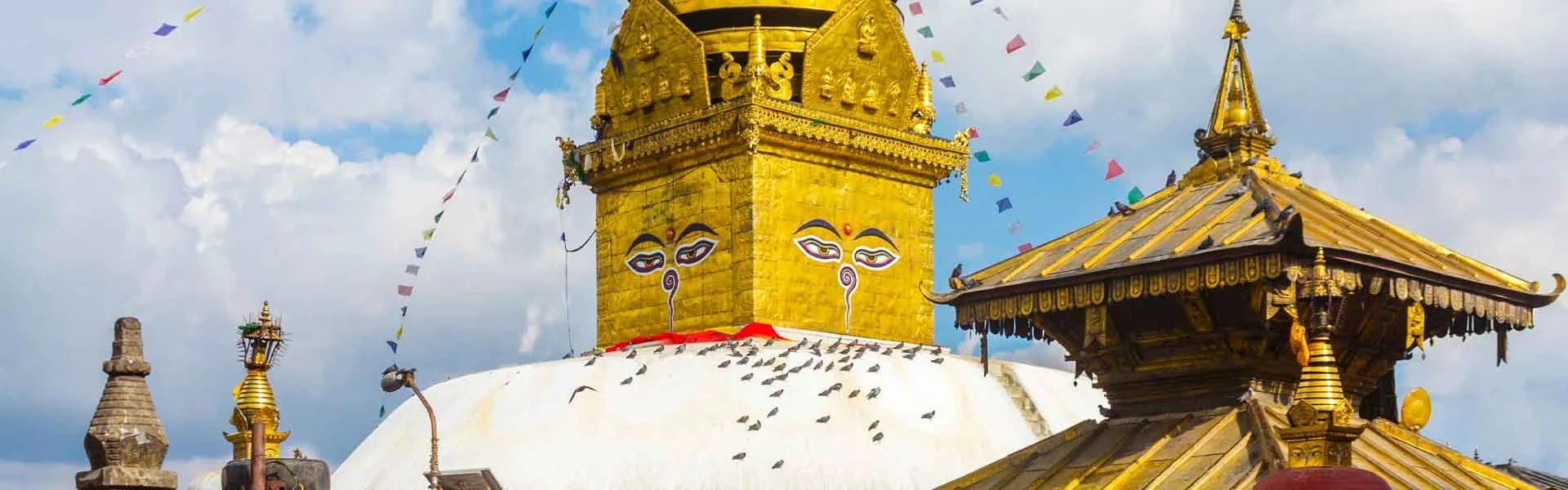
During Buddha Jayanti, monasteries, stupas, and temples across Nepal are beautifully decorated with colorful prayer flags, flowers, and lamps. Pilgrims and locals gather to offer prayers, light butter lamps, and spin prayer wheels, creating a serene and spiritual atmosphere. One of the most popular places to witness the festival is Lumbini, the birthplace of Lord Buddha, but trekkers in regions like Langtang Valley, Annapurna, and Mustang can also experience smaller, local celebrations in mountain monasteries along the trails.
For trekkers, witnessing Buddha Jayanti is not only a cultural experience but also a moment of reflection amidst the tranquility of the Himalayas. Walking through quiet villages and seeing locals engage in rituals provides a deeper understanding of Nepalese traditions and Buddhist heritage. It’s also a fantastic opportunity for photography, with the vibrant decorations and peaceful ceremonies creating unforgettable memories.
Planning a trek during Buddha Jayanti allows travelers to enjoy the natural beauty of Nepal while participating in one of the most meaningful spiritual celebrations in the country. Whether you are on a short trek or a multi-day expedition, the festival adds a unique cultural layer to your Himalayan adventure
When to Visit Nepal for Trekking and Festivals
The best time to plan your trek in Nepal is during the spring (March to May) and autumn (September to November) trekking seasons, as the weather is clear, the skies are bright, and the trails are most accessible. Spring is a magical time when the mountains are framed by blooming rhododendrons and wildflowers, and festivals like Holi and Losar bring the trails to life with colors, music, and local celebrations. Autumn, on the other hand, offers crisp weather, stunning mountain views, and major festivals like Dashain, Tihar, and Mani Rimdu, giving trekkers a chance to witness Nepalese culture at its vibrant best. Planning your trek around these Nepal festivals not only ensures a safe and enjoyable trekking experience but also allows you to immerse yourself in local traditions, taste authentic festival foods, and capture unforgettable cultural moments along the journey. By combining trekking with festival visits, you get the perfect mix of adventure and cultural discovery that makes Nepal truly unique.
Tips for Experiencing Festivals During Trekking
Experiencing festivals while trekking in Nepal can turn a regular trek into a truly unforgettable cultural journey. To make the most of these celebrations while staying safe and respectful, here are some practical tips every trekker should keep in mind:
- Plan ahead according to the festival calendar to catch celebrations at the right time.
- Respect local customs and traditions, including dress codes and ceremonial practices.
- Engage with locals respectfully to learn about the significance of the festival.
- Try traditional foods and drinks offered during festival celebrations.
- Capture moments carefully—ask for permission before photographing people.
- Stay flexible with your trekking schedule as festivals may change village routines.
- Carry light offerings or souvenirs if you wish to participate in rituals.
- Be mindful of environmental impact by avoiding litter and respecting sacred spaces.
Conclusion
Trekking in Nepal during festival seasons offers more than just stunning mountain views but a journey into the heart of the country’s rich culture and vibrant traditions. From the colorful celebrations of Dashain and Tihar to the spiritual rituals of Mani Rimdu and Losar, every festival adds a unique touch to your adventure, creating memories that go beyond the trails. By planning your trek around these festivals, you can witness Nepal’s heritage up close while enjoying the breathtaking landscapes of the Everest, Annapurna, Langtang, and Mustang regions.
Don’t just dream about it; make it happen! Book your trekking adventure in Nepal today to experience the perfect blend of culture, nature, and adventure during the most exciting times of the year.

Manju Mahato
Drop us a message