Is the Manaslu Region Trek Really Worth It? Cost, Route, Permits & Best Time
If you're someone who loves trekking but you're getting tired of the super crowded paths on Everest or Annapurna, you've probably come across the Manaslu Region at some point. Pretty much every trekker wonders the same thing before deciding: Is the Manaslu Region trek actually worth doing?
Honestly, yes, especially if you're craving peace, raw untouched nature, and a real taste of village life without the tourist crowds.
This is not some glamorous, luxury-style trek. It's quiet, pretty remote, and feels honest and genuine. You'll wander through tiny villages, cross wobbly suspension bridges over rivers, spot prayer flags fluttering on high passes, and meet locals who live really simple, traditional lives. In this guide, I'll break it all down clearly the route, what it'll cost you, the permits you need, the best time to go, and what the whole experience is actually like so you can figure out if Manaslu is the right fit for you.
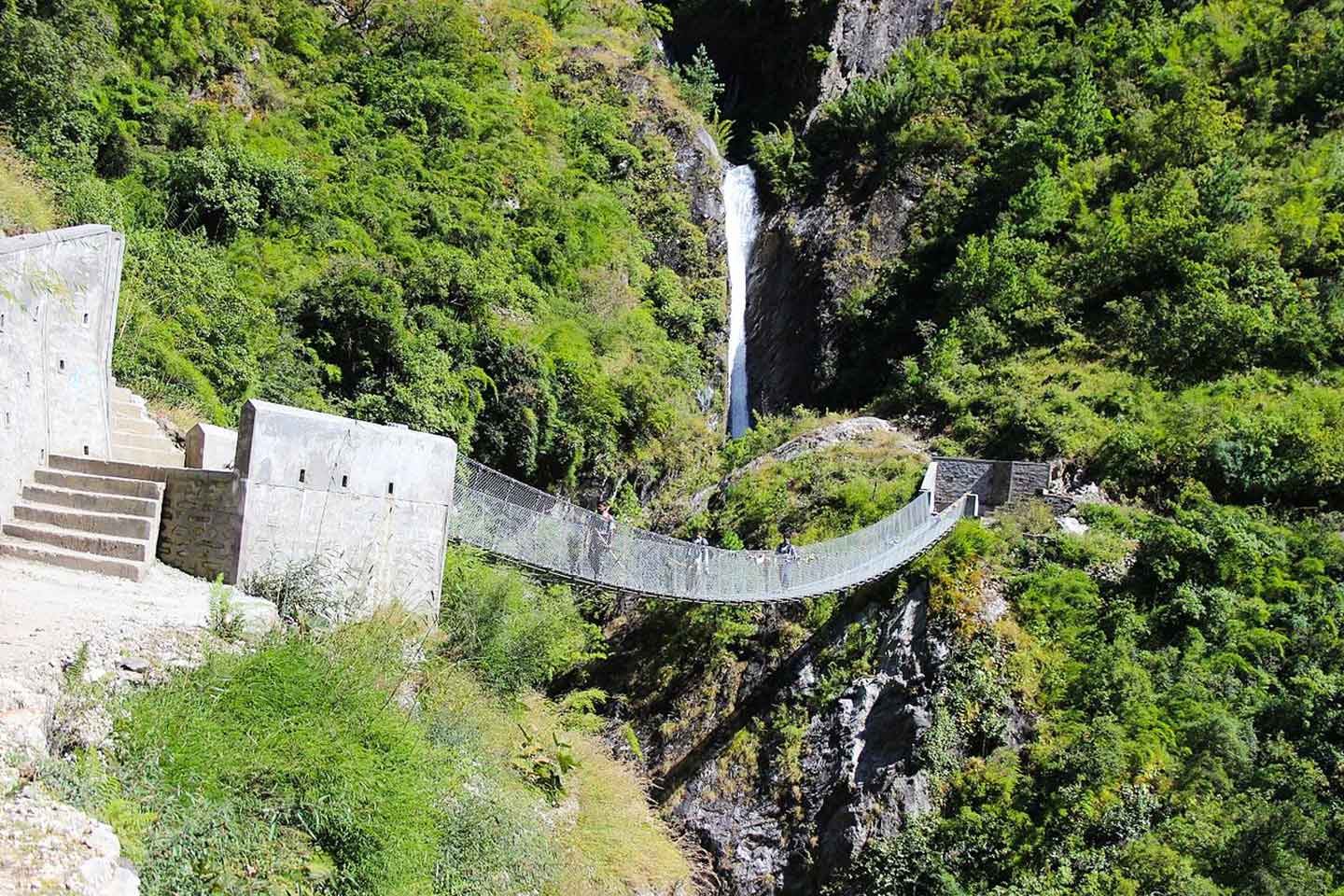
Table of Contents
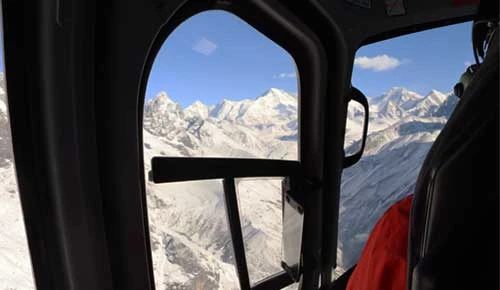
![Manaslu Circuit Trek]() Best of Manaslu Region
Best of Manaslu Region![Manaslu Express Trekking]()
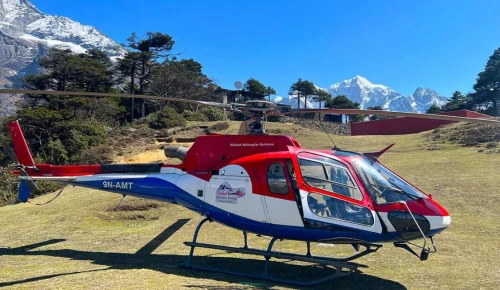
![Manaslu Circuit Luxury Trek]()
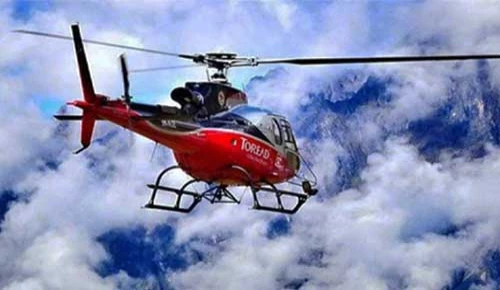
![Manaslu Tsum Valley Trekking]()
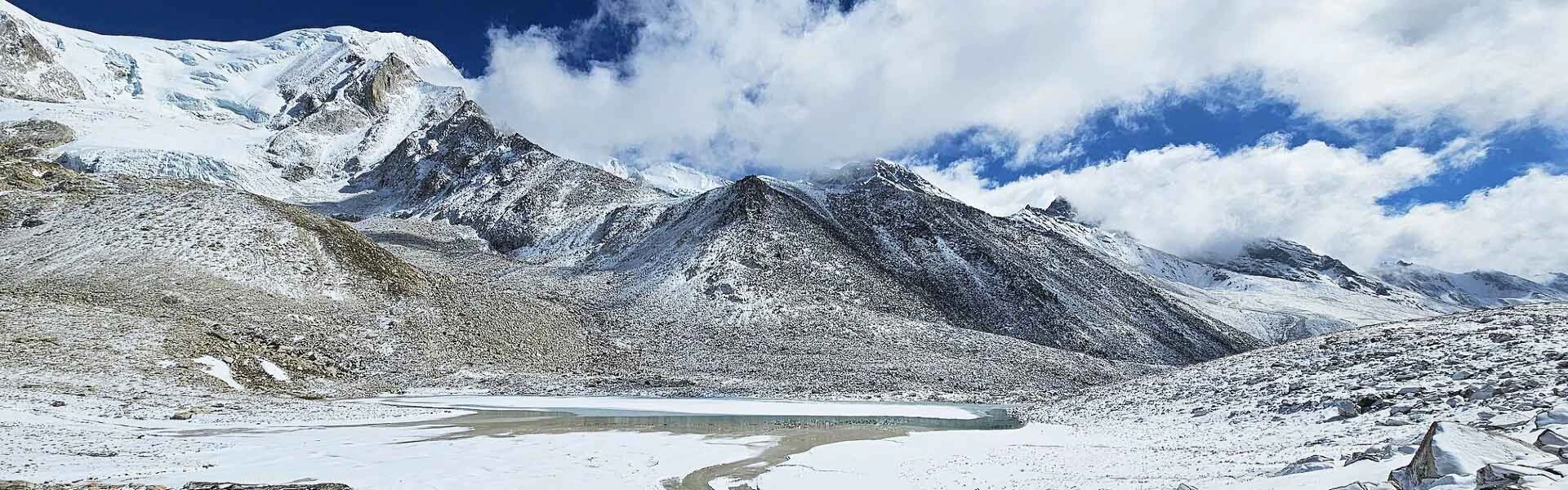
![Manaslu Base Camp Trekking]()


Where Exactly Is the Manaslu Region?
The Manaslu Region is located in the west-central Himalayas of Nepal, primarily spanning the Gorkha District with extensions into parts of the Manang District. It centers on Mount Manaslu (8,163 m), the world's eighth-highest peak, whose summit lies at approximately 28°32'58" N latitude and 84° 33' 43" E longitude. This places the core area roughly 60–65 km east of the Annapurna massif, about 200 km northwest of Kathmandu, and directly along Nepal's northern border with Tibet (China). The region follows the dramatic valley of the Budhi Gandaki River, starting from lower subtropical foothills near Soti Khola or Arughat (around 700–1,000 m elevation) and rising steeply northward through terraced villages, dense rhododendron forests, alpine meadows, and glaciated high passes like Larkya La (5,160 m), before descending toward the arid Tibetan-influenced plateaus near Samdo.
Encompassing the Manaslu Conservation Area (established 1998, covering 1,663 km²), the region features rugged terrain within the Mansiri Himal sub-range, including long glacier valleys, moraines, and peaks such as Himalchuli and Ngadi Chuli. It remains relatively remote and less commercialized than neighboring areas, requiring restricted-area permits due to its sensitive border location. Villages like Samagaun, Samdo, Dharapani, and Thoche serve as key cultural and logistical hubs, inhabited mainly by Gurung, Tamang, and Tibetan communities practicing subsistence agriculture and Buddhism. The diverse elevation gradient creates a striking ecological transition from subtropical to arctic zones, supporting rich biodiversity while exposing the area to natural hazards like avalanches and landslides.
What Makes the Manaslu Region Trek So Special?
The Manaslu Region Trek is special because it offers a rare mix of raw Himalayan nature, deep cultural experiences, and a peaceful trekking environment. Located around the world’s eighth-highest mountain, Mount Manaslu, this trek feels untouched compared to Nepal’s more commercial routes. From dramatic landscapes and remote villages to Tibetan-influenced culture and thrilling high passes, Manaslu gives trekkers a genuine sense of adventure while still rewarding them with comfort, beauty, and meaning at every step.
Reasons Why the Manaslu Region Trek Is Unique:
Less Crowded and Peaceful Trails
Unlike the packed paths of Everest Base Camp or the Annapurna Circuit, where you might encounter hundreds of trekkers daily, the Manaslu region attracts far fewer people, often just small groups or even solo stretches of trail. This creates genuinely quiet paths where you can hear only wind, birds, and your own footsteps, with unobstructed views and a real sense of solitude. It lets you slow down, breathe deeply, connect more intimately with the mountains, and reflect without constant interruptions.
Spectacular Views of Mount Manaslu
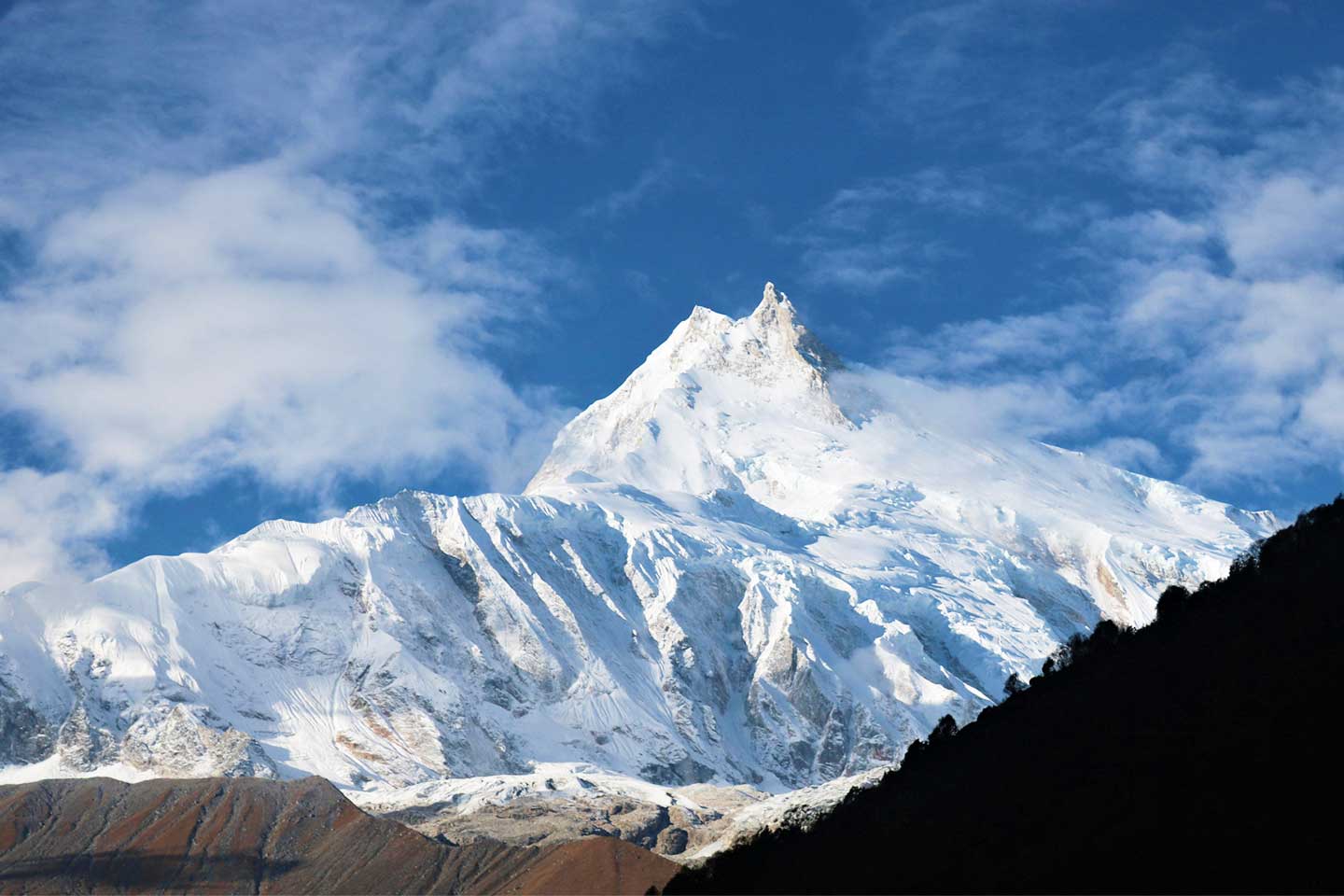
The entire circuit is built around Mount Manaslu, giving you front-row, ever-changing perspectives of its massive, snow-covered face and ridges. Almost every day brings close-up or sweeping vistas of Manaslu itself, plus nearby giants like Himlung Himal, Ganesh Himal (with its distinctive twin peaks), Cheo Himal, and others in the Mansiri range. Sunrise and sunset light up these peaks dramatically, often turning the sky pink and gold against the white summit views that feel personal and unforgettable because they're rarely shared with big crowds.
Strong Tibetan Culture and Traditions
In the higher villages, especially north of the main valley, the influence of Tibetan Buddhism is very strong due to historical ties with Tibet across the nearby border. You'll walk past colorful prayer flags fluttering in the wind, long mani stone walls carved with mantras, ancient gompas (monasteries) where monks chant, and locals in traditional chuba robes and woolen hats. Daily life includes spinning prayer wheels, offering butter lamps, and seasonal festivals that add real spiritual depth and make interactions with people feel warm and meaningful.
Remote and Authentic Villages
Places like Samagaon (also called Sama), Samdo, and Lho remain largely untouched by large-scale tourism, no big hotels or souvenir shops, just stone-built houses, terraced fields, and family-run teahouses. Staying in these local lodges means sharing simple meals (like dal bhat or Tibetan bread), chatting with hosts about mountain life, and experiencing genuine hospitality. The villages feel lived-in and timeless, with kids playing, yaks grazing, and elders sharing stories giving you a true glimpse into Himalayan daily life away from commercialization.
Challenging and Rewarding Larkya La Pass
The Larkya La Pass at 5,106 m (some sources note slight variations around 5,160 m) is the trek's physical and emotional high point, a long, steady climb over snow and scree to a wide saddle. It's demanding (cold winds, thin air, and a steep final ascent), but with good acclimatization days built into the itinerary, it's manageable and safe for most fit trekkers. Reaching the top delivers one of the best rewards in Nepal: a stunning 360-degree panorama of snow peaks stretching in every direction, with the descent into a new valley feeling like a triumphant release.
Diverse Landscapes in One Trek
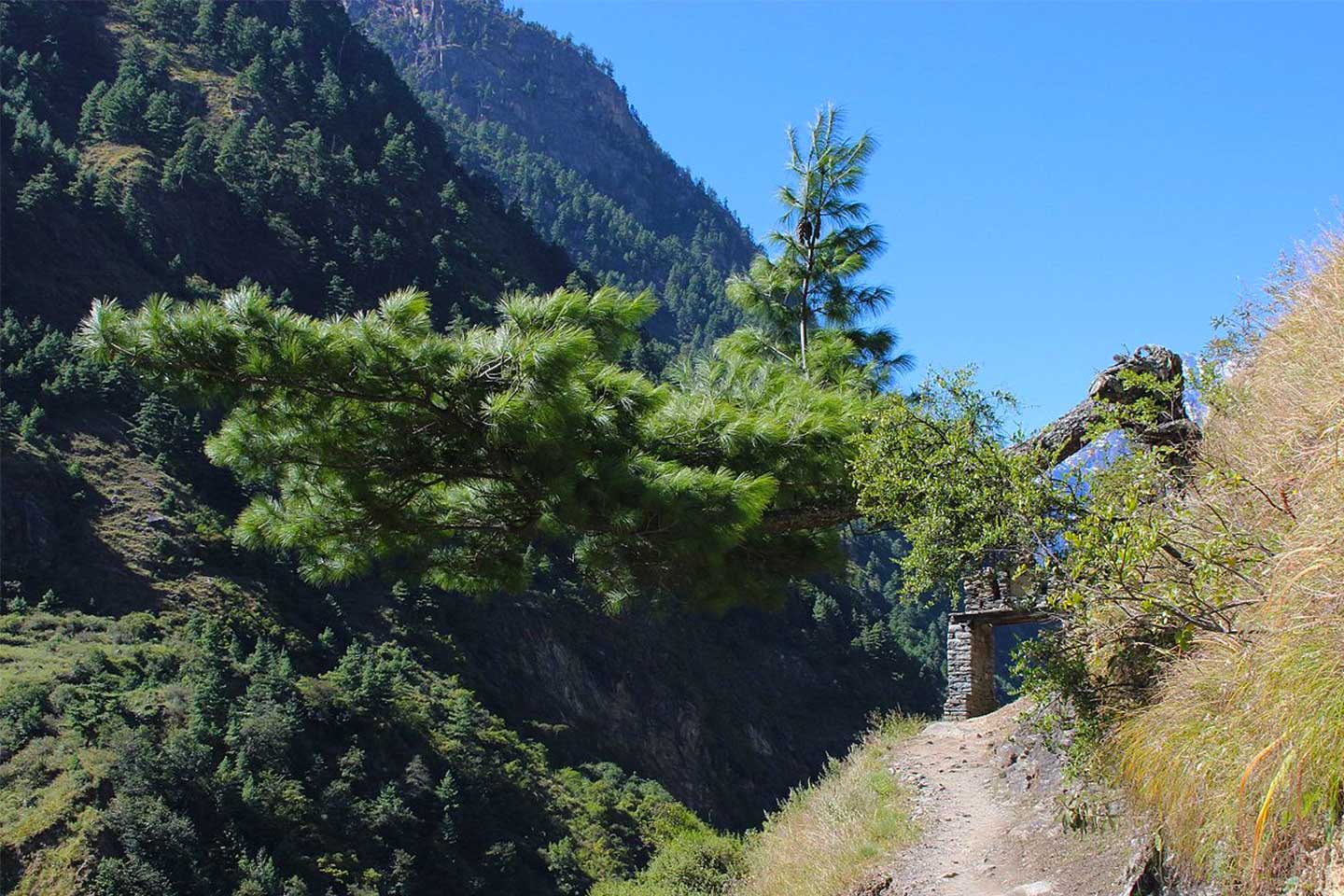
Few treks pack in so much variety in a single route. You start in subtropical lowlands with lush green forests, banana trees, and rushing rivers in deep gorges; climb through rhododendron and pine woods into open alpine meadows dotted with wildflowers; cross glacial moraines and barren rocky zones; then enter high, arid mountain deserts that feel almost moon-like. This rapid shift from steamy warmth to freezing heights keeps every day visually fresh and exciting, showcasing the full spectrum of Himalayan ecosystems.
Restricted Area with Controlled Tourism
Manaslu is a restricted zone due to its sensitive location right next to the Tibet border, so independent trekking isn’t allowed. You must trek with a licensed guide and obtain the required permits: mainly the Manaslu Restricted Area Permit (RAP), plus the Manaslu Conservation Area Permit (MCAP). If your route continues via Dharapani into the Annapurna region, you’ll also need the Annapurna Conservation Area Permit (ACAP). These rules keep visitor numbers low, protect the fragile environment and local culture from overcrowding, prevent litter on the trails, and support community-run teahouses and lodges. The result is cleaner paths, better-preserved traditions, and a much more genuine, peaceful trekking experience. A separate TIMS card (Trekkers’ Information Management System) is generally not required for the standard Manaslu Circuit; the restricted-area permits already cover tracking and safety. TIMS only becomes necessary if you extend into other regions (like parts of Annapurna) after Dharapani.
Manaslu Region Trek Route Overview
The Manaslu Region Trek offers a mix of adventure, stunning Himalayan scenery, and rich Tibetan culture. Trekkers can choose from a variety of packages depending on their time, fitness level, and experience preference from standard circuits to luxury options, each with its own highlights and unique experiences.
Popular Manaslu Trekking Packages
| TrekPackage | Duration | Highlights |
| Manaslu Circuit Trek | 13 days | Classic circuit around Mount Manaslu, crossing Larkya La Pass (5,106 m) and visiting remote villages like Samagaon, Samdo, and Lho. Ideal for adventure lovers. |
| Manaslu Tsum Valley Trekking | 15 days | Explores the culturally rich and remote Tsum Valley, famous for Tibetan monasteries, traditional villages, and untouched natural beauty. |
| Manaslu Express Trekking | 10 days | Shorter and faster option, covering key highlights of the Manaslu region for trekkers with limited time. |
| Manaslu Base Camp Trekking | 17 days | Trek to the base of Mount Manaslu, perfect for climbers or trekkers wanting proximity to the mountain without completing the full circuit. |
| Manaslu Circuit Luxury Trek | 18 days | Full circuit trek with upgraded accommodations, more comfort, and a relaxed pace while still experiencing the adventure and scenery. |
The Manaslu region caters to every type of trekker. Whether you want a fast adventure, a cultural journey, a luxury experience, or the full classic circuit, each package offers spectacular Himalayan views, remote villages, and authentic Tibetan culture along the way.
How Tough Is the Manaslu Region Trek Really?
It's rated moderate to challenging, so it's good for people who are reasonably fit and ready to put in some effort. No technical climbing needed, but you'll want solid stamina and patience. Most days you're walking 6–8 hours through hills and mountain paths with changing ground and steady altitude gain. The real test comes at LarkyaLaPass proper acclimatization is key there. With good prep, a steady pace, and a solid guide, even folks new to high-altitude trekking can finish it safely and have a great time.
Main Difficulty Points:
- Moderate to challenging level
- 6–8 hours of walking most days
- Gradual but steady altitude increase
- Steep stone steps and narrow trails
- Cold, windy conditions up high
- Larkya La Pass needs good acclimatization
- Totally doable for beginners if you train properly and have a reliable guide
What Permits Do You Need for Manaslu?
You need three permits to trek here. First is the RestrictedAreaPermit(RAP) because this is a protected, sensitive zone. Then the ManasluConservationAreaPermit(MCAP) to help look after the forests, wildlife, and environment. And finally the AnnapurnaConservationAreaPermit(ACAP) since the trail connects into that region at the end. Checkpoints along the way will ask to see them, so keep them handy.
Solo trekking isn't allowed. You need at least two people in your group and a licensed guide booked through a registered agency. It keeps things safer in such remote spots and supports responsible tourism. Most agencies handle all the permits for you ahead of time, so it's pretty straightforward.
A separate TIMS card (Trekkers' Information Management System) is generally not required for the standard Manaslu Circuit. The Restricted Area Permit already takes care of tracking and safety registration in the restricted zone. TIMS only comes into play if you extend your trek beyond the core circuit into other areas (like deeper into the Annapurna region after Dharapani).
Best Time to Go Trekking in Manaslu
The Manaslu Circuit Trek is best undertaken during the spring (March to May) and autumn (September to November) seasons. These periods provide the most favorable conditions, with clear skies, stable weather patterns, minimal precipitation, and moderate temperatures that ensure comfortable trekking and excellent visibility of Mount Manaslu (8,163 m) and the surrounding peaks.
In spring, the landscapes are particularly vibrant, as rhododendron forests burst into full bloom, adding colorful accents to the valleys and trails. This season offers pleasant conditions for traversing diverse terrain, from subtropical forests and river valleys to alpine meadows. Autumn, by contrast, features crisp, dry air with very low rainfall, creating ideal circumstances for extended hiking days, high-quality photography, and safe passage over the Larkya La Pass (5,106 m). Both seasons facilitate enjoyable stays in high-altitude villages such as Samagaon, Samdo, and Lho, while allowing trekkers to fully appreciate the region's authentic Tibetan Buddhist culture, including monasteries, prayer flags, and local traditions.
The monsoon season (June to August) and winter (December to February) are generally less suitable. Monsoon brings heavy rainfall, increasing the risk of landslides and making trails slippery and hazardous. Winter conditions can be extremely cold at higher elevations, with potential snow cover and limited teahouse availability.
For a safe, enjoyable, and memorable experience marked by stunning Himalayan vistas, cultural immersion, and reliable trail conditions planning your Manaslu trek during spring or autumn is strongly recommended.
Accommodation and Food on the Manaslu Trek
You'll mostly stay in local teahouses run by families in the villages. They're simple but clean and welcoming, think twin beds, basic mattresses, blankets for the cold nights. Toilets are shared, hot showers might cost extra or not exist higher up. Facilities are basic, but the hospitality makes it feel cozy.
The food is fresh, hearty, and made right there. Dal bhat (rice, lentils, veggies) is the go-to perfect for refueling. You'll also see noodles, soups, rice dishes, potatoes, eggs, and basic breads. Tea, coffee, and snacks are easy to find too. Higher up, options get limited since everything gets carried by porters or mules, and prices creep up with altitude. Still, meals stay warm and filling to keep your energy going.
People, Culture, and Daily Life in Manaslu
In the Manaslu Region, locals lead beautifully simple and hardworking lives. Most families rely on farming terraced fields, herding yaks through high pastures, and doing a bit of small local trade to get by. Traditions here stretch back generations, with Buddhism deeply woven into everyday routines you’ll see morning prayers, quiet monasteries perched on hillsides, colorful prayer flags fluttering in the wind, and mani walls etched with ancient mantras lining the paths.
Life moves at a gentle, unhurried pace, and the people are genuinely kind, calm, and welcoming to trekkers who show respect. To fit in, always walk clockwise around mani walls and stupas, dress modestly (cover shoulders and knees), keep your voice low, and avoid loud or disruptive behavior. A warm smile and a simple “Namaste” open doors it’s the little gestures that build real connections with these warm-hearted mountain communities.
Safety Tips for the Manaslu Trek
It's a stunning but tough trek in remote mountains, so safety matters a lot: high altitude, long days, unpredictable weather. Prepare well, follow basic rules, and you'll be fine. Listen to your body, go slow, trust your guide. Little things like good clothes, drinking enough water, and resting properly make a huge difference. Being cautious doesn't kill the fun, it makes everything safer, more comfortable, and way more enjoyable.
Key Safety Tips:
- Take it slow to let your body acclimatize
- Drink lots of water
- Always follow your guide
- Don't rush, especially near Larkya La
- Wear solid trekking boots and warm layers
- Carry first-aid kit and altitude sickness meds
- Stay on top of weather and use sun protection
- Use trekking poles for balance on uneven, steep, or snowy sections
- Eat regular, high-carb meals and snacks to stay energized
- Get comprehensive travel insurance covering high-altitude rescue
- Never trek alone or wander off the trail
Is the Manaslu Region Trek Worth It for You?
Manaslu is ideal if you're after something different from the packed Everest or Annapurna trails. If peaceful paths, pristine nature, and genuine cultural moments excite you, this feels like a hidden gem. You'll wander quiet villages, soak in jaw-dropping mountain views, and experience Tibetan-style traditions that most people never see. Sure, the stays are basic, but the whole thing feels real and rewarding a true connection to the mountains and locals that crowded routes just can't match.
But if you're looking for fancy lodges, gourmet food, or easy short days, this might not be your thing. It asks for patience, prep, and a real sense of adventure. For anyone ready to embrace the simplicity and raw beauty, though, Manaslu delivers an experience that sticks with you forever.
Conclusion: So, Is the Manaslu Region Trek Worth It?
Straight up, yes, absolutely the Manaslu Region is worth it. It gives you something a lot of the famous treks have lost: quiet trails, wide-open spaces, and a real, deep connection to the mountains and the people living there. The views, the villages, the culture every step leaves an impression. It's not the easiest trek and it takes real effort, but that's part of what makes it feel so authentic and personal, miles away from tourist crowds.
It might not suit people wanting luxury or quick treks, but if you're into genuine adventure and nature, Manaslu will leave you with memories, views, and peaceful moments that stay long after you're back home. It's one of those journeys you never forget.
Anjila Bhujel
Drop us a message