Why the Manaslu Circuit Trek Still Feels Hidden?
Manaslu Circuit Trek still feels like one of those rare hidden gems in the Himalayas, even here in 2026. Sure, more people are hearing about it these days. It's popping up in blogs and trekker chats more often, but it hasn't turned into a packed highway like some of the bigger names. The big reason? It's still carefully protected. You need restrictedareapermits, a licensed guide is required, and they won't issue permits to solo trekkers (you usually need at least two people in your group or to join others). That extra layer of rules keeps the daily numbers low, so the trail doesn't get overwhelmed.
There are no nearby big airports, no endless lines at checkposts, and no bustling trekking hubs full of noise. On most days, it's just the sound of rivers tumbling over rocks, wind rustling prayer flags, and your footsteps. Even in the peak months like OctoberorNovember, it stays surprisingly peaceful; you can often walk for hours without seeing another group.
This organised way of handling visitors has kept the trail clean, the villages feeling real and unchanged, and the local culture strong and authentic. In 2026, trekking Manaslu really does still feel like genuine exploration instead of joining a tourist crowd.
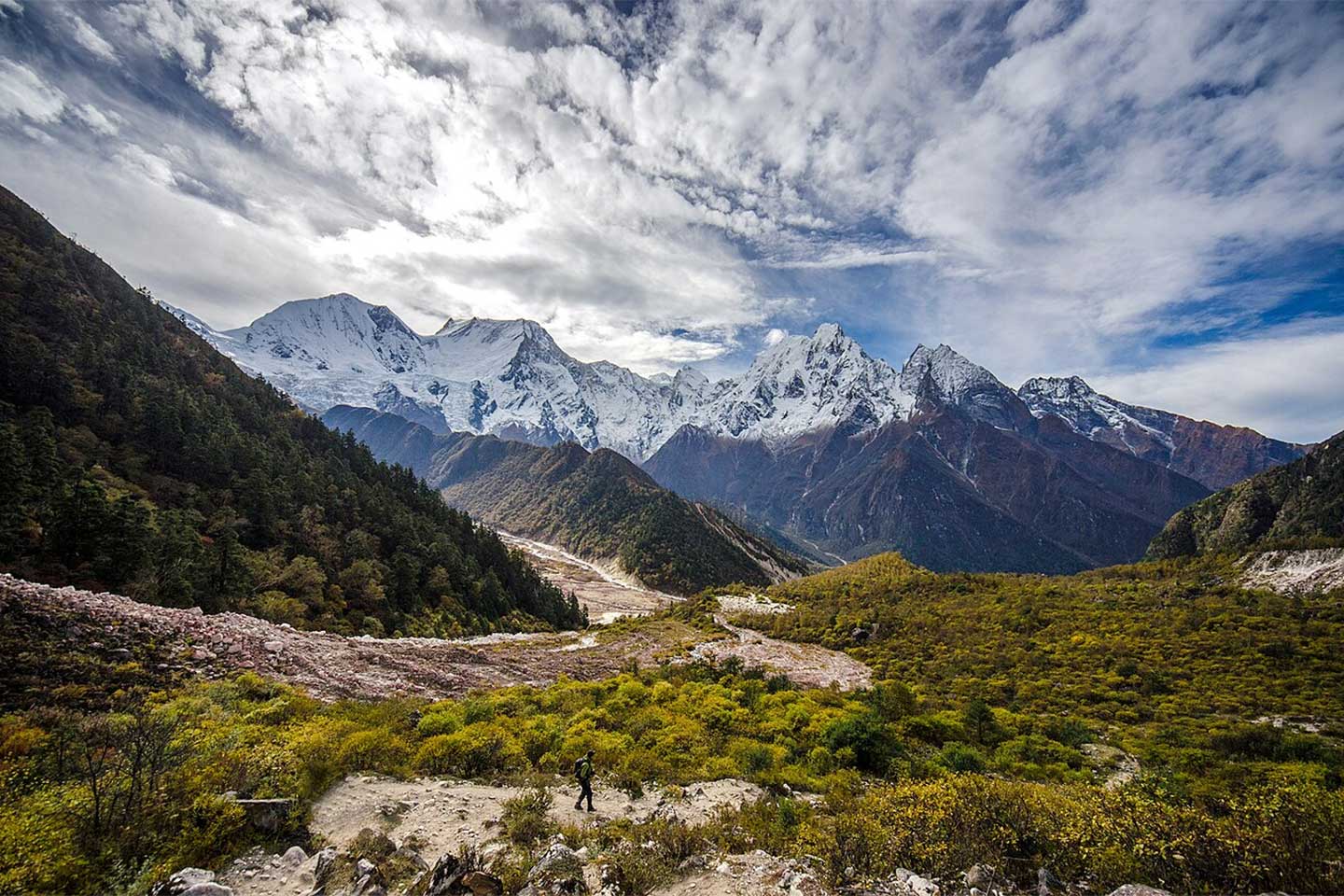
Table of Contents
![Manaslu Circuit Trek]() Best of Manaslu Region
Best of Manaslu Region![Everest base camp trek 14 days itinerary]() Traveler's Choice
Traveler's Choice![Annapurna Base Camp Trek from Kathmandu]()


Untouched Himalayan Landscapes That Feel Truly Wild
What makes Manaslu stand out so much is how the scenery keeps changing every single day; it's never the same view twice.
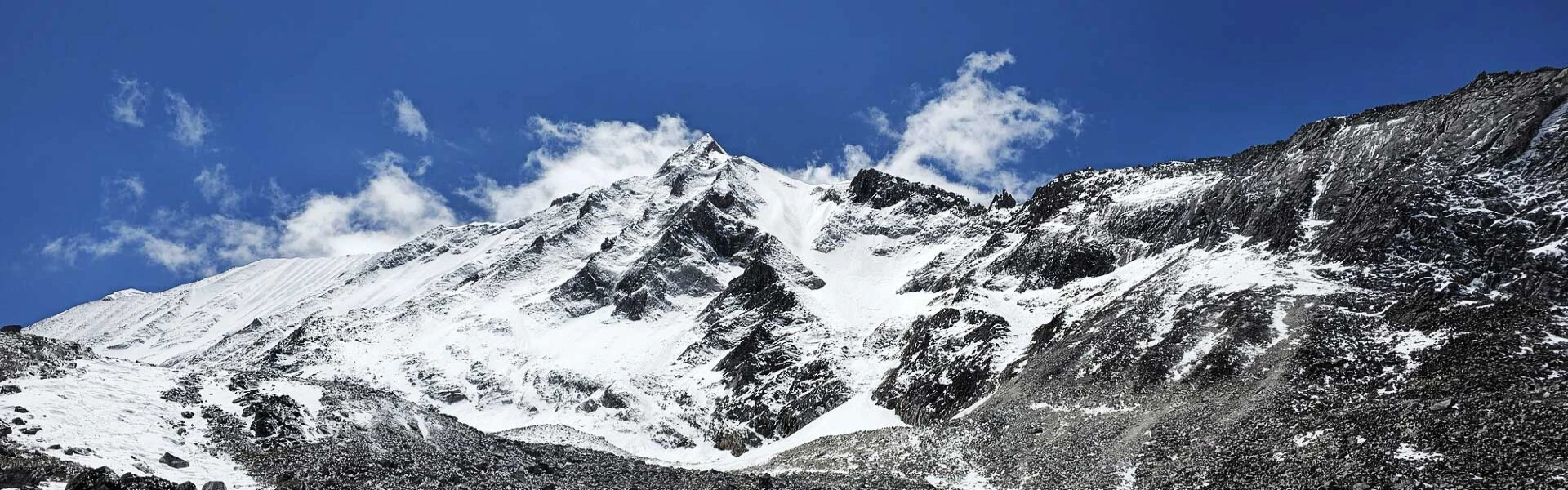
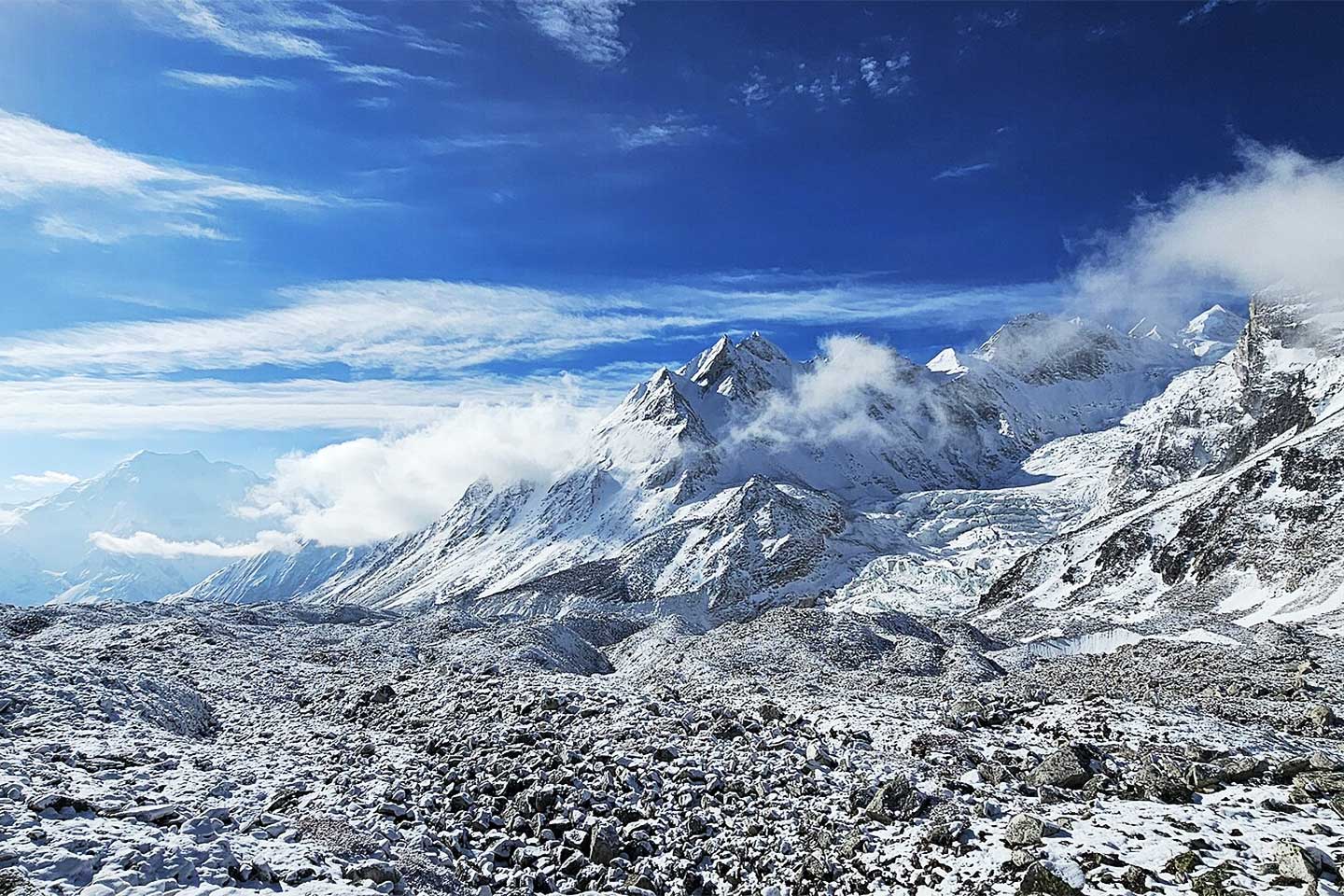
You start in lush green lower hills with terracedricefields, crashing waterfalls, and tight river valleys carved deep into the mountains. As you gain height, dense pine forests and rhododendron bushes take over (gorgeous when they're flowering in spring). Higher still, the trees give way to wide-open alpine meadows, glaciers clinging to peaks, and dramatic snow-covered summits all around.
For most trekkers, the absolute highlight is crossing Larkya La Pass at over 5,100meters. Standing at the top, surrounded by towering mountains like Manaslu itself and endless blue sky, is one of those unforgettable moments that stays with you long after you've come home. The best part? It's usually quiet up there; you're not elbowing through crowds for the perfect photo spot. Often it feels like the whole dramatic scene is laid out just for you and your small group.
A Trek Through Living Tibetan Culture
Manaslu is also a deep dive into a living, breathing Tibetan-influenced culture that's still going strong.
As you climb higher, the villages shift to look more like old Tibet: sturdy stone houses with flat roofs, bright prayer flags fluttering everywhere, prayer wheels turning slowly, and ancient monasteries perched on hillsides. Locals are still out farming barley fields, herding yaks, and practicing Buddhism in their daily lives.
Places like Samagaun and Samdo feel almost timeless. When people wave hello, offer tea, or chat for a bit, it comes from real warmth and hospitality, not because they're used to performing for tourists. Those genuine moments add real heart and depth to the trek. You're not just passing beautiful landscapes; you're walking through communities where life is still deeply tied to these mountains.
Manaslu Circuit vs Popular Treks in Nepal
Here’s why many choose Manaslu Region vs others Everest, Annapurna, Langtang region after trying the classics:
| Aspect | EverestRegion | AnnapurnaRegion | LangtangRegion | ManasluRegion |
| Crowds | High, especially on Everest Base Camp routes | Medium–High due to road access | Low–Medium | Very Low (restricted area) |
| Permits | Sagarmatha National Park permit + local permit | ACAP permit | Langtang National Park permit | Restricted area permit + licensed guide mandatory |
| Scenery | World’s highest peaks, glaciers, dramatic alpine landscapes | Highly varied landscapes but more developed | Forests, alpine valleys, and glaciers | Raw, wild Himalayan scenery |
| Culture | Sherpa culture, monasteries, and Buddhist heritage | Mixed ethnic communities, tourist-oriented | Tamang and Tibetan-influenced culture | Authentic Tibetan villages and traditions |
| Difficulty | Moderate to strenuous (altitude-focused) | Moderate, with easier sections | Moderate | Moderate to strenuous, remote |
| Remoteness | Medium (popular trails and busy access) | Medium (roads reach many trekking points) | Medium–High | Very High |
| Best For | Iconic trekking and Everest views | Variety and classic trekking routes | Quiet trekking close to Kathmandu | Deep adventure and off-the-beaten-path trekking |
The Manaslu Region wins for those wanting remote Himalayan trekking Nepal, fewer people, deeper adventure, and that “undiscovered” thrill.
Adventure Without Extreme Technical Difficulty
The ManasluCircuit offers genuine Himalayanadventure without requiring any technical climbing skills, no ropes, ice axes, or mountaineering experience needed. If you’re reasonably fit and have done some multi-day treks before, this route is very achievable for most people.
The path climbs steadily rather than steeply, allowing your body to acclimatize naturally over time. Built-in rest days at key villages give you extra breathing room to adjust to the altitude safely and comfortably. The real challenges come from long walking days (often6–8hours) and crossing the high LarkyaLaPass, not from dangerous drops, exposed ridges, or technical terrain.
This thoughtful design strikes a perfect balance: enough challenge to feel rewarding and adventurous, but low enough risk to suit experienced trekkers who want a serious trek without extreme danger. It’s ideal for those seeking a meaningful mountain journey that pushes you physically while keeping safety and enjoyment first.
Simple Teahouse Trekking With Genuine Hospitality
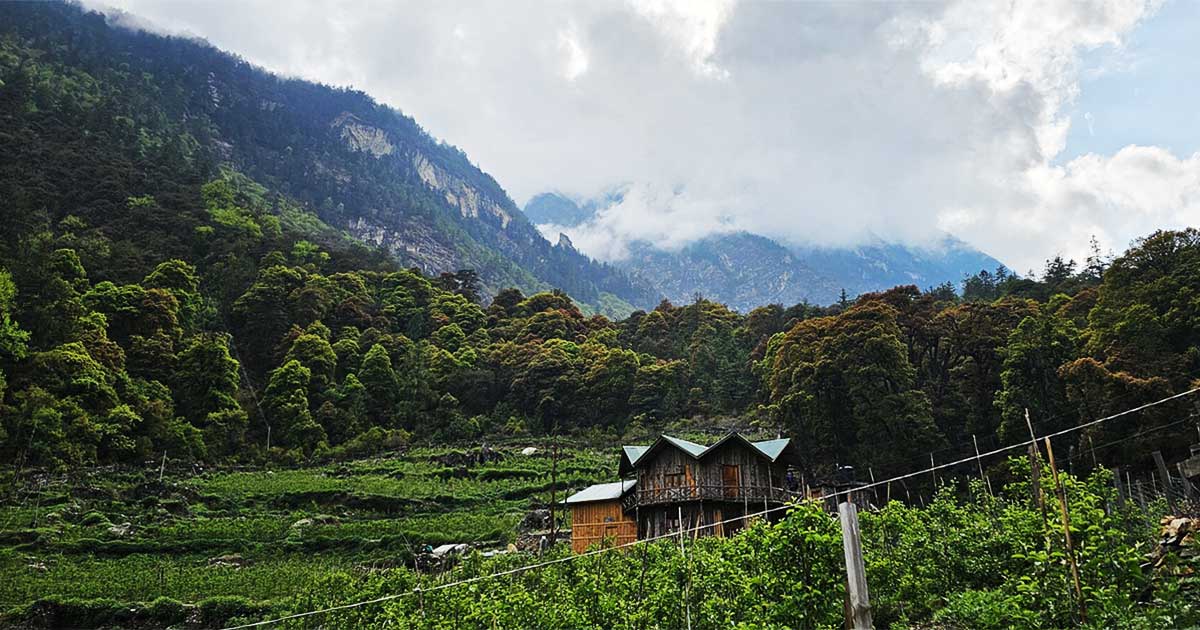
On the Manaslu Circuit, you stay in small, family-run teahouses where the owners treat you like a guest in their own home. These aren’t fancy hotels just warm, lived-in places high in the mountains. The family lives right there, so it feels personal from the moment you walk in.
Rooms are basic but cozy: a simple wooden bed with a thick blanket pile to keep out the freezing nights, maybe a tiny window showing snowy peaks. Bathrooms are shared down the hall clean enough, with a squat washroom and bucket shower but nobody minds because it’s all part of the experience. Meals are the best part: fresh, hearty Nepalifood cooked right in the kitchen, big plates of dal bhat withlentils,veggies, and spicy pickle, steaming noodle soups, momos, or fried rice. They’re happy to give seconds (or thirds) since they know how hungry you get after walking all day.
Evenings are pure magic. Everyone crowds around the wood stove in the common room, the only warm spot. You sip gingertea, talk quietly about the trail, or just listen while the owner shares stories about herding yaks through snow, celebrating village festivals, or funny things that happened years ago. There’s no fake hospitality; it’s real kindness from people who live this life every day. In a world full of glamping and luxury tours, this simple setup feels so honest and refreshing. It reminds you why trekking matters: good food, a warm fire, real conversations, and the quiet joy of resting in the Himalayas after a long, beautiful day.
Why 2026 Is the Right Time to Trek Manaslu?
The Manaslu Circuit is gaining steady popularityin2026 often ranked as Nepal's 2 treks after Everest Base Camp yet it retains its peaceful, untouched essence. The trails on the Manaslu Circuit have really come along in recent years paths are clearer with better signs, so you don’t second-guess turns or worry about loose rocks as much. Teahouses feel noticeably nicer too: rooms stay warmer at night with thicker blankets and sometimes even a bit of insulation, food tastes better with more fresh veggies and variety beyond the usual staples, and you can usually count on hot water for a shower after a long day. Safety-wise, things feel more solid guides know the altitude game inside out, they push proper rest days, and if something goes wrong, rescue options are quicker and better organized than they used to be.
All that makes the trek smoother and more comfortable without changing what makes Manaslu special. The strictpermitrules, the must-have guide, and how far-off and hard-to-reach the area still is keep the big crowds away. You still get those long quiet stretches on the trail, real moments in untouched villages, and that raw, personal Himalayan feeling. In 2026, it’s honestly the sweet spot: you enjoy the upgrades and peace of mind, but nothing’s been overdone or turned commercial yet. It’s that rare window where things are better than before, but still feel undiscovered and pure before more people start heading there and it shifts a little.
Key reasons why 2026 feels perfect:
- Rising but controlled popularity: It’s becoming a go-to alternative for people skipping crowded Everest or Annapurna, but the permit restrictions and group rules keep daily numbers low and trails calm.
- Improved infrastructure: Better-marked and maintained paths make walking easier and cut down on little frustrations or risks.
- Upgraded teahouses and lodges: Warmer rooms, cleaner setups, tastier meals with more options, and reliable hot showers add real comfort after tough days.
- Enhanced safety and organisation: Guides know altitude risks inside out, they push rest days properly, and emergency backup (like quicker rescues) is way more dependable now.
- Focus on sustainability: Better ways of handling trash and looking after the area mean trails stay clean and the mountains keep that pristine, untouched look.
- Perfect sweet-spot timing: Weather in peak months is steady, lodges and services run smoothly, and you still get the full off-the-beaten-path feeling no big crowds or tourist overload anywhere.
- Before it gets busier: As word spreads, 2026 captures the magic while it's still relatively quiet grab it now for a truly personal Himalayan journey.
Who should choose Manaslu Circuit Trek?
Manaslu is for people who want more than nice photos to post. If you care about quiet trails, untouched nature, real connections with locals, and that rare feeling of walking somewhere peaceful, this trek is made for you.
It’s especially great for folks who’ve already done the busy classics – Annapurna, Everest Base Camp and Langtang – and now want something quieter and more authentic, with genuine village moments and that “I discovered this” vibe. The rules and remoteness give you exactly the deeper adventure you’re looking for.
It’s also good for motivated beginners. If you’re fit, have some trekking experience (or are willing to prepare), and don’t mind basic lodges and slow altitude gain, you’ll have a meaningful first Himalayan trip without fighting crowds. No extreme skills needed, just a real love for nature, people, and quiet reflection.
Whether you’re coming back for a calmer experience or starting with intention, Manaslu rewards anyone who values depth, solitude, and authenticity over easy access and big groups.
Final Thoughts: Is Manaslu Nepal’s Last Hidden Himalayan Masterpiece?
Trekking the Manaslu Circuit in 2026 feels like going back to the roots of Himalayantrekking when it was about discovery, silence, personal reflection, and connection rather than big groups and social media checklists.
It balances jaw-dropping beauty, living culture, genuine adventure, and just the right level of challenge. Most people who finish don't just say "I did a trek" they talk about it as a profound experience that lingers for years.
If you're searching for a corner of the Himalayas that still feels pure, close-up, and almost yours alone, the ManasluCircuit might just be Nepal's last true hidden masterpiece.
Anjila Bhujel
Drop us a message