Best Time to Visit the Mustang Region of Nepal
Mustang Region of Nepal is a truly special place that feels like stepping into another world. Unlike the green hills and forests of most of Nepal, Mustang is a high-altitude desert with wide open valleys, dramatic cliffs, and an ancient Tibetan culture that has remained almost unchanged for centuries. The region is divided into Upper Mustang, home to the walled city of Lo Manthang and remote villages, and Lower Mustang, which lies along the Kali Gandaki River and includes popular stops like Jomsom, Kagbeni, and Lete.
Timing your visit to Mustang is crucial because the weather, altitude, and trail conditions change with the seasons. Picking the right time can make your trek easier, your photography more stunning, and your cultural experience richer. Some seasons are perfect for trekking; others are better for cultural tours, jeep trips, or attending local festivals.
This guide shows the best time to visit Mustang, including the weather, trekking seasons, and festivals in Upper and Lower Mustang. Whether you’re going for a short trek, a cultural trip, or a longer Himalayan adventure, it will help you pick the right season for your visit.

Table of Contents


Understanding Mustang’s Unique Climate
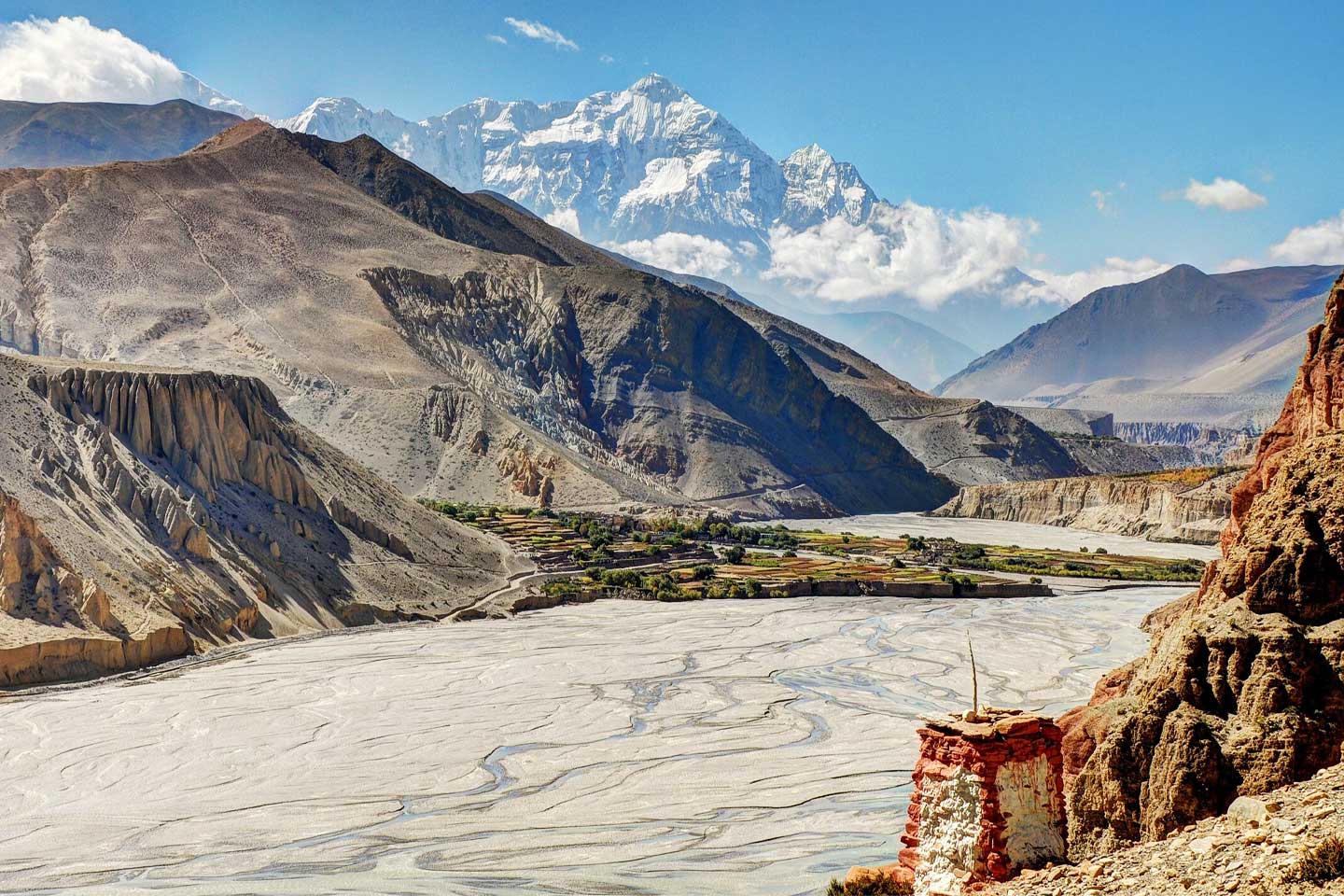
Mustang’s climate is very different from most parts of Nepal. Unlike the green and rainy regions of the country, Mustang lies in the rain shadow of the Himalayas, so it receives very little rainfall. The result makes the landscape dry, dusty, and desert-like, with wide open valleys and rocky cliffs. Despite the dryness, the skies are usually clear, and the air is crisp and fresh, especially in the mornings. These conditions make Mustang perfect for trekking and photography, but visitors need to prepare for strong sunlight during the day and cooler temperatures at higher altitudes.
Lower Mustang Climate
Lower Mustang includes popular villages like Jomsom, Kagbeni, Lete, and Ghasa. It is slightly lower in altitude, ranging from 2,700 to 3,500 meters, so the weather is generally mild. Spring and autumn bring pleasant temperatures, with warm days and cool nights, ideal for trekking and sightseeing. Summers are warmer, but rainfall is minimal, unlike other parts of Nepal. Lower Mustang's mild and stable weather allows for year-round visits, catering to both short treks and cultural tours. Visitors can enjoy scenic valleys, rivers, and traditional villages comfortably in most seasons.
Upper Mustang Climate
Upper Mustang, including Lo Manthang and nearby villages, lies higher, around 3,800–4,200 meters, and the weather is colder and harsher. Winters bring snow, freezing temperatures, and strong winds, making trekking challenging. Spring and autumn are the best times to visit, offering clear skies, calm weather, and outstanding visibility of the desert landscapes and mountains. Since Upper Mustang is a restricted area, travelers must plan ahead, secure permits, and prepare for the off-season conditions. Despite the cold, this region offers unique desert scenery, ancient Tibetan culture, and festivals, making it an unforgettable experience for prepared travellers.
Best Time to Visit the Mustang Region
The best time to visit Mustang depends on what you want to do: trekking, exploring culture, or taking photos. Spring (March to May) is usually the best season. The weather is mild, the skies are clear, and the days are longer, making trekking easier. Apple orchards are verdant, villages are covered in wildflowers, and the landscape is stunning in Lower Mustang. In Upper Mustang, most of the snow melts, and trails around Lo Manthang open up. The period is also festival time, with the Tiji Festival in late May, where you can see traditional dances, colorful masks, and experience Mustang’s Tibetan culture. Spring is ideal for trekking, photography, and cultural trips, which is why most travelers visit during this time.
Summer (June to August) in Mustang is different from most of Nepal because the region remains relatively dry during the monsoon. Days are warm, nights are cool, and rainfall is minimal. Trails are less crowded, landscapes are clear, and the skies are often bright, which is ideal for jeep trips and cultural tours. Some small landslides may occur in Lower Mustang, and flights to Jomsom can be affected by weather, so careful planning is needed. While trekking is possible in summer, it is less popular than in spring or autumn, but the season is great for exploring villages and enjoying Mustang’s quiet beauty.
Autumn (September to November) offers clear skies and stable weather, making it another peak season for trekking and photography. Lower Mustang trails are stable, while Upper Mustang provides excellent trekking conditions and stunning desert and mountain views. Permits are easier to obtain, and teahouses are fully operational. Winter (December to February) is the coldest time, with snow and freezing temperatures in Upper Mustang. Fewer tourists visit, making it perfect for travelers seeking solitude and raw, untouched landscapes. However, the cold, limited accommodation, and challenging trails make winter suitable only for experienced trekkers or jeep tours. Choosing the right season ensures a safe, enjoyable, and memorable Mustang adventure.
Festivals in the Mustang Region
Mustang is full of Tibetan culture, and the festivals here really bring it to life. If you're there, you'll see colorful ceremonies, lively celebrations, and traditions that have lasted for centuries. It’s not just about watching; these festivals are a way to meet locals, see how they live, and get a real feel for their culture.
The Tiji Festival in Upper Mustang, in May, is probably the most famous. It’s all about celebrating triumph over evil and lasts a few days. During Tiji, people wear bright masks and traditional costumes and do dances with chants and rituals that have been passed down through generations. Lo Manthang, the walled town in Upper Mustang, is the best place to witness it. The whole town comes alive with music, dance, prayers, etc. It’s really something you can’t forget.
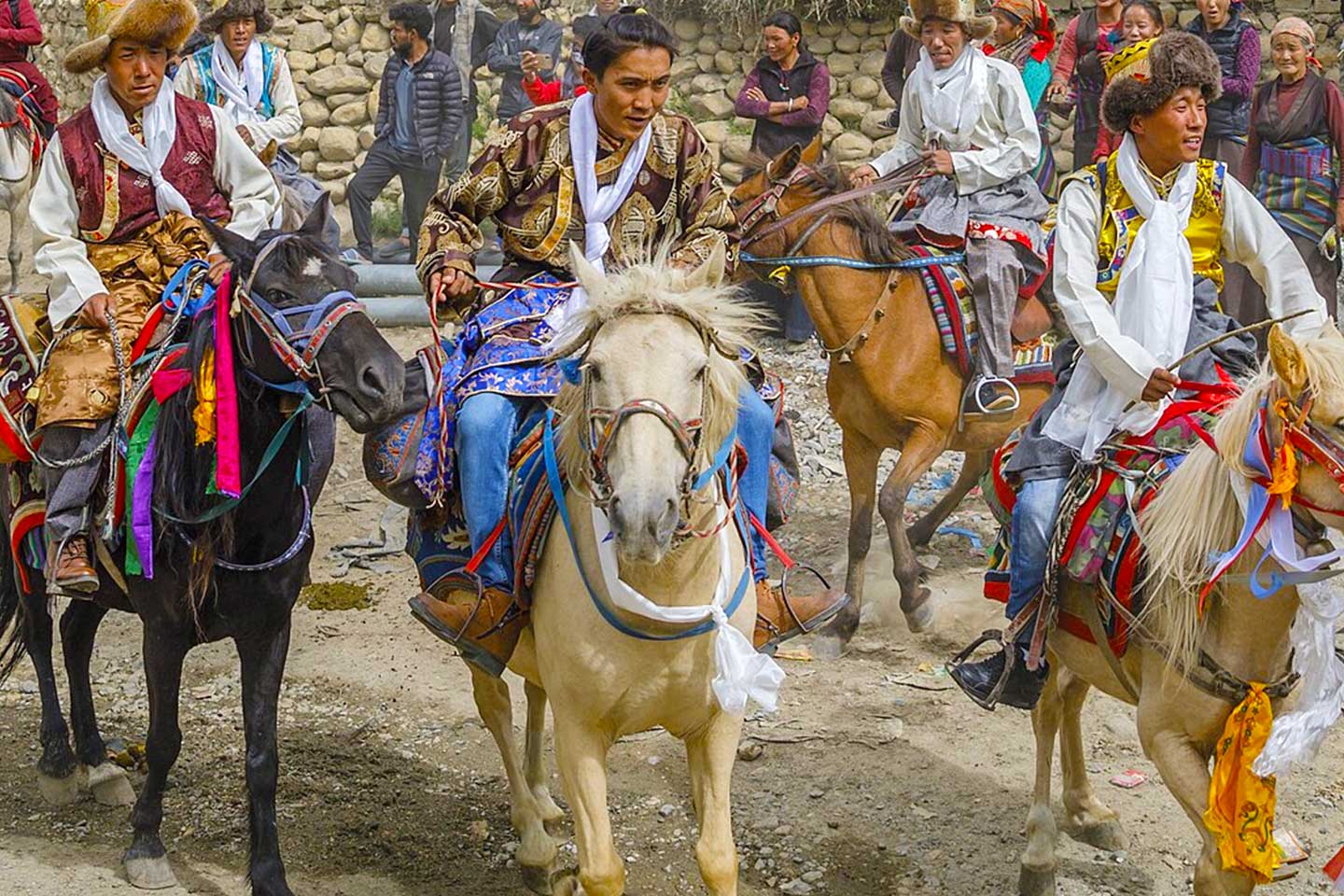
Another festival is Yartung, also in August, in Lo Manthang. This one is known for horse racing. Local riders show off their skills, and the horses are incredible. But it’s not just races; there are rituals, performances, and gatherings all around the village. You really get a sense of how people live here.
Then there’s Losar, the Tibetan New Year, in February or March. Families gather, do traditional ceremonies, and dance. Being part of Losar is one of the best ways to experience Mustang’s traditions and festive spirit up close.
Tips for Visiting Mustang by Season
- Spring and Autumn Are the Best Times: These are the easiest seasons for trekking, taking photos, and enjoying local festivals. The skies are usually clear, the weather is mild, and the trails are safe and pleasant.
- Summer for Cultural Trips: Trekking is possible in summer, but it’s better suited for jeep tours, village visits, and exploring the culture. The trails aren’t crowded, and the scenery is clear because there’s less rain than you might expect.
- Winter for Experienced Travelers: Winter can be harsh and tough. It’s best for seasoned trekkers or photographers who don’t mind solitude and want to see untouched landscapes.
- Permits Are a Must: If you’re heading to Upper Mustang, make sure you get your Restricted Area Permit ahead of time. You need permits both for trekking and visiting Lo Manthang.
- Plan Your Flights Carefully: Flights to Jomsom can be unpredictable, especially in summer and winter. Check schedules before you go, and have a backup plan in case of cancellations.
- Jeep Tours Are a Good Option: If flights don’t work out or you want a road trip instead, a jeep tour to Mustang can take you through both Lower and Upper Mustang, even in off-season months.
- Pack for the Season: In spring and autumn, bring light layers and trekking gear. In summer, sun protection is a must. Winter trips require warm clothes, gloves, and hats to handle the cold nights.
- Respect Local Culture: Mustang has a strong Tibetan Buddhist culture. Dress modestly, ask before taking photos of people, and follow local customs, especially during festivals.
Month-by-Month Travel Guide
| Month | Mustang Weather | Activities | Notes |
| Jan–Feb | Cold, snowy | Cultural tours | Limited trekking |
| Mar–May | Mild, clear | Trekking, photography, festivals | Best overall season |
| Jun–Aug | Warm, less rain | Jeep tours, cultural visits | Trails less crowded |
| Sep–Nov | Mild, clear | Trekking, photography | Peak trekking season |
| Dec | Cold, dry | Short treks, photography | Off-season |
Final Words: Choosing the Best Time to Visit Mustang
Mustang is really different from anywhere else in Nepal. The dry mountains, old Tibetan villages, and local culture make it a place you’ll always remember. If you want good weather for trekking, spring (March–May) is the best; the days are nice and warm, the skies are clear, and you can catch festivals like Tiji. Autumn (September–November) is also excellent for walking around and seeing the mountains clearly. Winter (December–February) is quiet and cold, perfect if you like being alone on the trails. Summer (June–August) is ideal for jeep rides and visiting villages because it doesn’t rain too much.
No matter when you go, you should plan a little. You’ll need permits for Upper Mustang, check flights to Jomsom, and book places to stay. But once you get there, the views, friendly people, and culture make it worth it. Mustang isn’t just a trek; you get to see how people live, experience Tibetan traditions, and have an adventure you’ll never forget.
Anjila Bhujel
Drop us a message