No Boots, No Blisters: Everest Helicopter Tour Experience Without Trekking
For centuries, reaching the heights of the Himalayas meant days, even weeks, of trekking through hilly conditions, battling unpredictable weather, and proving one's physical power. The average Everest trek involves 14 days of long treks through the mountains, steep ascents, and staying in basic lodges at elevated altitudes. Although this adventure has its own fascination and sense of achievement, there is another kind of travel that is redefining the way adventurers experience the “Roof of the World”.
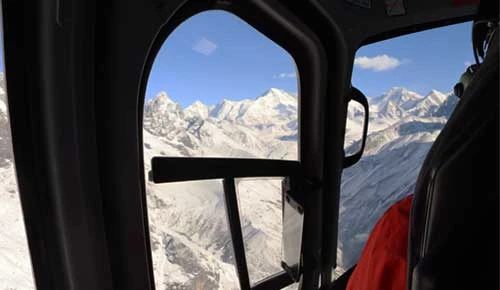
Today, travelers increasingly prioritize experience over endurance. The objective is no longer merely to overcome the physical challenges but about savoring the stunning scenery of the Himalayas with comfort, safety and efficiency. Helicopter tours to Everest are leading this shift. Within a single clear morning, the travelers can fly above the spectacular Himalayan mountains, observe the legendary Everest Base Camp on a bird eye view and even land on well-known panoramas like Kala Patthar. Some tours also include a stop at Hotel Everest View, where the visitor may get a view of the world’s highest mountains in a luxurious peaceful environment.

This approach allows travelers to enjoy the grandeur of Everest without the physical strain of a multi-day trek and have a memorable and high altitude adventure that is both reachable and breathtaking.
Table of Contents
![Kathmandu to Lukla helicopter flight - Lukla to Ktm Heli flight - cost | 2022, 2023]() Group joining flight
Group joining flight![Helicopter Landing at Kala Patthar Viewpoint during Everest base camp helicopter tour]() Best Seller
Best Seller![Everest Base Camp Helicopter Tour with Gokyo Landing]()
![Everest View Helicopter Tour]()


Why the Traditional Everest Trek Isn’t for Everyone
Trekking to the Everest Base Camp is not an activity that is suitable to all travelers though the experience of this journey is life-changing. To those considering an Everest helicopter tour, or who only wants a more convenient way of experience the Himalayas, it would be perfect to understand some of the difficulties involved on the traditional trek:
- Time Commitment: It normally takes 12-14 days for standard trek to Everest Base Camp and including acclimatization. This is a significant constraint to the travelers with limited schedules when they are compared to a one day Everest helicopter tour.
- Physical Demands: Long walking days on steep, uneven trails demand stamina and fitness. Not everyone is prepared for the rigorous physical effort to ascend a mountain by trekking, thus helicopter flights to Everest Base Camp are a good option.
- Altitude Challenges and Uncertainty: High altitudes are associated with low oxygen content and increasing the risk of altitude sickness. A scenic Everest helicopter tour landing at Kala Patthar can offer breathtaking views to the travelers who are more concerned about safety and comfort without prolonged exposure.
- Cold Nights and Basic Lodges: Nights are spent in shared facilities at teahouses with usually minimal comfort. For those used to luxury experiences or who prefer convenience, this can be a deterrent.
The traditional trek may not be ideal for:
- Elderly travelers who desire a less physically strenuous experience.
- Families with limited time or young children.
- Travelers who value luxury, comfort and scenic Everest helicopter tours.
By acknowledging these variables, the adventurers will make informed decisions between a traditional trek and a helicopter tour to Everest Base Camp, hence enjoying the Himalayas in a way that fits their needs and preferences.
The Rise of Everest Without Trekking
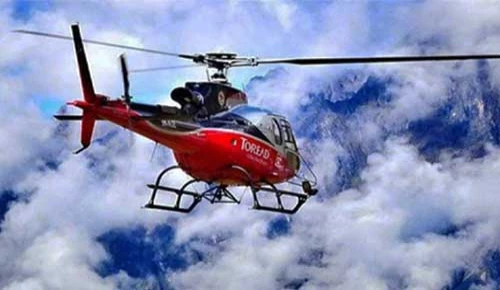
During recent years, Everest helicopter tours have changed how travelers experience the Himalayas. The adventurers no longer need to take the time, the physical strain and the logistical challenges of a traditional trek to have the privilege of being showered with the splendor of Everest due to the expansion of helicopter tourism in Nepal. Improved safety in the aviation sector and real time weather forecasting have made high-altitude flights more reliable, allowing for safe memories even in the world’s most challenging mountain terrain.
One more trend of post-pandemic travel also emphasises short, premium, and meaningful trips, with travelers increasingly seeking experiences that maximize impact in terms of limited time and effort. Helicopter tours to Everest perfectly align with this shift, offering once-in-a-lifetime views without days of trekking.
Popular non-trekking Everest experiences include:
- Everest Base Camp helicopter tour- fly directly to the famous base camp and witness Everest from a unique aerial view.
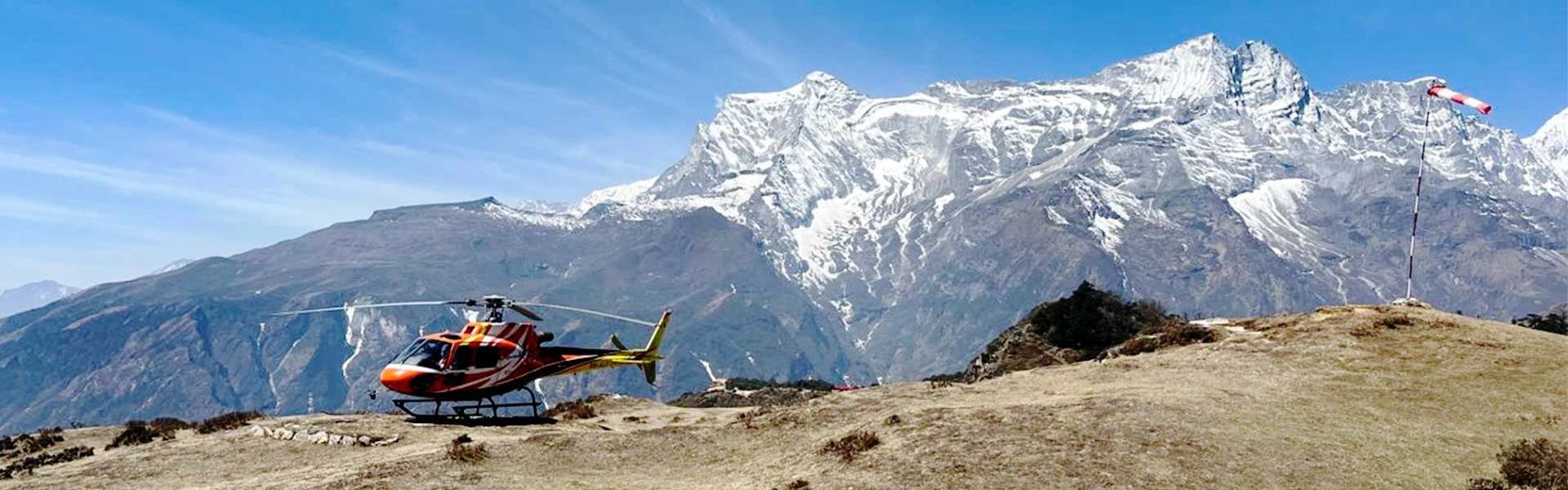
- Helicopter landing at Kala Patthar- Land at one of the most ideal viewpoints to capture panorama Everest.
- Gokyo helicopter landing- explore the pristine high-altitude land with minimal trekking, ideal among scenic and luxury travelers.
These experiences provide the thrill of high-altitude adventure while maintaining safety, comfort, and efficiency, making helicopter tours in Nepal an increasingly preferred choice for modern travelers.
What “Experiencing Everest” Really Means—Without Walking
Experience of Everest is no longer just a matter about spending long treks or challenging terrain. Taking the modern Everest helicopter tours, the travelers can experience the magnificence of the Himalayas in a way that emphasizes safety, comfort, and breathtaking scenes.
The KhumbuIcefall unfolds in its dramatic beauty, offering a perspective few trekkers get to see. Flying alongside towering 8,000-meter mountains, travelers can marvel at the scale and grandeur of the world’s highest mountains. Helicopter landings at iconic viewpoints like Kala Patthar will be meticulously arranged to enable the guests to get out and capture wonderful panoramic views without the physical strain of trekking.
For those seeking a luxurious and memorable experience, a stop at the Hotel Everest View would offer the perfect combination of comfort and scenery, which means that the guests could have breakfast or tea and admire Himalayan vistas. This approach allows travelers to experience Everest safely and briefly, combining adventure, photography, and the emotional thrill of standing amid the tallest peaks in the world, all without a multi-day.
A Step-by-Step Look at an Everest Helicopter Experience
Experiencing Everest by helicopter combines safety, luxury, and breathtaking views. Here's a typical itinerary for an Everest Base Camp helicopter tour with the options for Everest Helicopter tour with landing Kala Patthar and the Everest flyover Gokyo landing heli tour:
1. Early Morning Departure from Kathmandu
Your Everest helicopter adventure begins with an early morning departure from Kathmandu, ensuring you make the most of the clear mountain skies and spectacular sunrise views. A friendly pickup service will collect you from your hotel and transfer you to Tribhuvan International Airport or the designated Kathmandu helipad, depending on your chosen package. Before boarding, a professional team will conduct a helicopter flight safety briefing, covering essential safety measures, seat arrangements, and emergency procedures, giving you complete peace of mind for the journey ahead.
Once everything is checked and secured, your helicopter will take off, soaring above the scenic landscapes of the Kathmandu Valley. The flight to Lukla (Tenzing Hillary Airport) takes approximately 45 minutes, offering breathtaking aerial views of rolling hills, terraced farmlands, and the towering peaks of the Himalayas in the distance. This short yet mesmerizing flight sets the tone for an unforgettable Everest experience, giving travelers a glimpse of Nepal’s dramatic terrain from a perspective few get to see.
2. Scenic Himalayan Flight
The Scenic Himalayan Flight provides the travelers with some of the most stunning sceneries of the Nepal Himalayas view from the comfort of a helicopter. To Kathmandu to lukla flyers, the flight normally takes approximately 45 minutes, which provides amazing aerial sceneries of terraced fields, beautiful villages and the towering peaks of the Everest region. At Lukla, a helicopter may proceed to Pheriche, a major acclimatization stop on the route to Everest base camp, taking 18 minute flight in either direction. The helicopter flight returning from Pheriche to Kathmandu, takes around 1 hour providing passengers a smooth and efficient journey while enjoying the majesty of Himalayas. The route of the Everest helicopter tour allows the traveler to enjoy bird eye view of such great landmarks as Ama Dablam, Lhotse, and the Khumbu Icefall without the physical demands of trekking long distances to the Himalayas.
3. Everest Base Camp Helicopter Tour
The Everest Base Camp Helicopter Tour offers an extraordinary opportunity to experience the world’s highest peak without the physical strain of trekking. As you soar above the iconic Everest Base Camp and Khumbu Icefall, you’ll be treated to panoramic views of the rugged Himalayan landscape, including the intricate network of climbers’ camps nestled against the icy slopes.
This aerial perspective allows travelers to capture stunning photographs and videos of the base camp, the dramatic glaciers, and the surrounding snow-capped peaks, providing a rare and unforgettable glimpse into the challenging environment where mountaineers prepare for their ascents. With this tour, adventurers can enjoy the majesty of Everest from a unique vantage point, combining the thrill of flight with the awe-inspiring beauty of the Himalayas—all without the hours of trekking or risk of altitude-related fatigue.
4. High-Altitude Landings
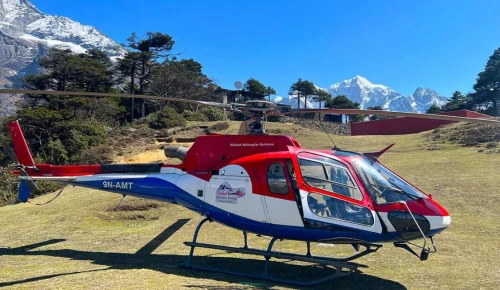
The Everest heli tour begins early in the morning with a hotel pick-up between 5:30 and 6:30 AM, followed by a smooth transfer to Tribhuvan International Airport. After check-in, safety briefing, and flight preparations (6:30–7:30 AM), the helicopter departs Kathmandu for a scenic Kathmandu to Lukla Helicopters flight, which takes approximately 45 minutes. From Lukla, the Everest helicopter tour continues deeper into the Khumburegion, offering breathtaking aerial views of the Himalayan foothills, alpine valleys, and iconic peaks. Between 7:30 AM and 11:00 AM, guests enjoy an unforgettable Everest Base Camp helicopter flyover, including a high-altitude helicopter landing at Kala Patthar, one of the best viewpoints of Mount Everest. This Everest helicopter with landing at Kala Patthar allows a short, safe stop to capture photographs and experience the world’s highest mountain without prolonged altitude exposure.
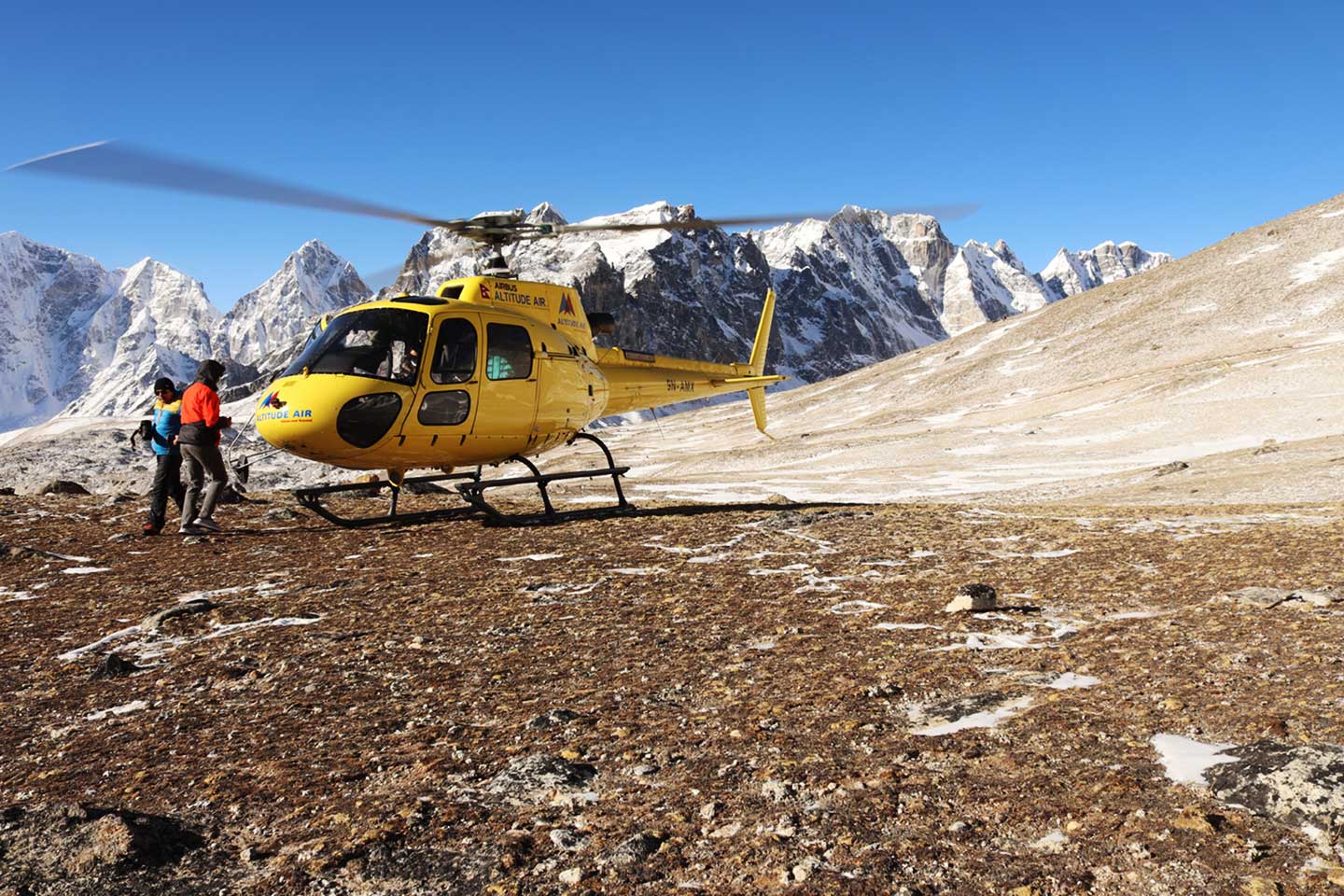
Following the Kala Patthar experience, the helicopter descends to Hotel Everest View , arriving around 11:00 AM. Guests enjoy approximately one hour of ground time (11:00 AM–12:00 PM), savoring breakfast during the iconic Everest View Hotel helicopter tour, with panoramic views of Everest, Lhotse, and Ama Dablam. The return journey begins around 12:00 PM, flying back via Lukla and landing in Kathmandu by 1:00 PM, followed by a comfortable hotel transfer by 2:00 PM. Travelers choosing the Everest flyover with Gokyo landing heli tour follow a similar schedule, with an additional scenic landing at Gokyo Ri (5,357 m) before breakfast at Hotel Everest View, making this luxury Everest helicopter tour a perfect one-day Everest experience without trekking.
5. Hotel Everest View Stop
One of the highlights of the Everest helicopter tour is the exclusive stop at the iconic Hotel Everest View, perched at an impressive 3,962 meters above sea level. Here, travelers can relax and soak in the breathtaking panorama of the Himalayas, including majestic views of Mount Everest, Lhotse, Nuptse, and Ama Dablam, without the physical strain of days of trekking. Guests are often treated to a freshly prepared breakfast or refreshments while surrounded by crisp mountain air and the serene, awe-inspiring landscape.

This unique experience combines comfort and adventure, allowing travelers to immerse themselves in the grandeur of the Everest region while enjoying the cozy amenities of one of the highest hotels in the world. It’s a perfect moment to capture stunning photographs, appreciate the snow-capped peaks, and truly feel the magic of the Himalayas—all without lacing up trekking boots or enduring long, challenging trails.
6. Return Flight to Kathmandu
After an unforgettable day exploring the Himalayas from the air, your adventure concludes with a helicopter return flight to Kathmandu from Lukla. As you lift off from the Everest region, the aircraft offers a final, panoramic view of the snow-capped peaks, including the majestic Everest, Lhotse, and Nuptse, allowing you to soak in the grandeur of the Himalayas one last time. The flight provides a serene and comfortable opportunity to reflect on the day’s experiences, capturing memorable photographs of the rugged mountains, glaciers, and high-altitude landscapes.
Upon arrival in Kathmandu, you will be transferred back to your hotel, where your luxury helicopter journey officially ends. This final leg of the tour ensures that you leave the Everest region with not just stunning vistas, but also lasting memories of an effortless and breathtaking adventure—no trekking, no boots, no blisters, just the pure joy of witnessing the world’s highest peaks from the sky.
This itinerary allows the travelers to enjoy the splendour of Everest within a day, combine adventure, safety and comfort at the same time. Whether landing at KalaPatthar, exploring GokyoLake or enjoying breakfast at HotelEverestView, a helicopter tour is an unforgettable way to witness the highest mountains in the world without a traditional trek.
What You Gain and What You Skip During Everest Heli Tour
By taking an Everest helicopter tour, travelers n also experience the magnificence of the Himalayas while avoiding the physical demands and logistical challenges of a traditional trek. The obvious comparison of what you gain versus and what you skip is here:
| WhatYouGain | WhatYouSkip |
| Iconic Everest views from high-altitude flights | Long trekking days over rugged terrain |
| Close-up mountain scenery without physical strain | Blisters, sore muscles, and joint fatigue |
| Safe high-altitude exposure with minimal risk of AMS | Risk of acute mountain sickness over multiple days |
| Luxury and comfort at stops like Hotel Everest View | Basic teahouse accommodations with shared facilities |
| Time efficiency – see Everest in one day | Weeks of planning, logistics, and multi-day trekking |
In this comparison the Everest helicopter tours with a landing at kala patthar or Gokyo Lake offer a comfort, safety and luxurious, and time-saving alternative to the traditional Everest trek, allowing the travelers to fully experience the Himalayas without compromise.
Who Chooses Everest Without the Trek?
Not every traveler is suited for a traditional multi-day trek to the Everest Base Camp. Everest helicopter tours with a landing at Kala Patthar or the Gokyo Lake are offered to the people who are willing to experience the Himalayas safely, efficiently and in a comfortable way. Common travelers who decide for a helicopter tour are:
- The Time-limited international travelers seeking the Everest one-day experience without the multi-day trek.
- Honeymooners and luxury travelers that are concerned with comfort, exclusive views, and memorable experiences.
- Elderly parents traveling with family, for whom long treks may be physically challenging.
- Business travelers looking to add a high-altitude adventure as a quick side trip.
- Photographers and content creators who want unique aerial perspectives of Everest, Khumbu Icefall, and surrounding peaks.
- People advised against prolonged high-altitude trekking due to health or medical concerns.
By choosing an this helicopter tour, these travelers can enjoy iconic Himalayan scenery, high-altitude landings, and luxury stops like the Hotel Everest View without the strain of traditional trekking.
Is It Safe to Experience Everest by Helicopter?
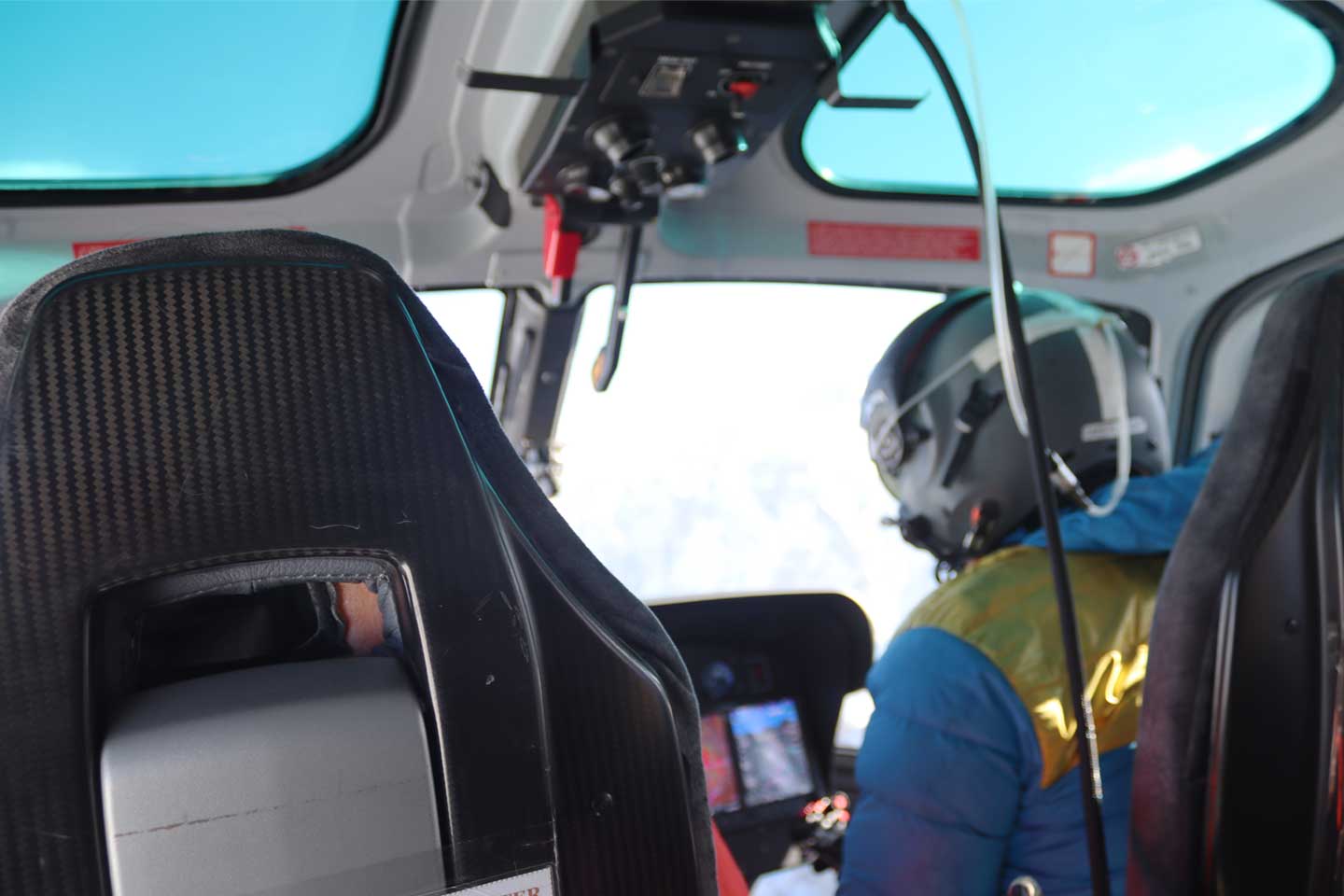
Safety for any Everest helicopter tour is given high priority and travelers can enjoy the splendor of the Himalayas with confidence. Helicopter tours, unlike multi-day treks, offer a brief and controlled exposure to high altitudes, significantly reducing the risk of altitude-related illnesses. Every flight is carefully planned with high-altitude trained and experienced pilots, who are trained to fly through the challenging Himalayan terrain.
Flights are scheduled depending on the weather conditions, ensuring optimal visibility and safety. Landings at high points like Kala Patthar or around the Gokyo Lake are precisely timed and observed, providing travelers with opportunities to enjoy Everest without any risks. Moreover, the helicopters have oxygen support and comprehensive safety measures, providing peace of mind during the journey.
Key safety features of an Helicopter Tour include:
- Short exposure to extreme altitude, minimizing risk of AMS(AcuteMountainSickness)
- Controlled landing times at iconic viewpoints for safety and comfort
- Experienced high-altitude pilots familiar with Himalayan conditions
- Weather-based flight decisions to avoid turbulence and poor visibility
- Oxygen support and safety protocols onboard for emergencies
With these measures in place, travelers can enjoy the breathtaking Himalayas without compromising safety, making Everesthelicoptertours a secure and memorable alternative to traditional trekking.
Does Seeing Everest This Way Feel “Real”?
Some travelers may wonder whether an Everest helicopter tour can truly capture the essence of the world’s highest peak without the effort of trekking. While it is natural to feel skeptical, experiencing Everest from the air or through high-altitude landings offers a different kind of authenticity—one that emphasizes emotional impact over physical struggle.
Everest is a place of awe, inspiration, and natural grandeur. Modern travel allows adventurers to redefine achievement, valuing safety, comfort, and unforgettable experiences alongside traditional feats. From witnessing the Khumbu Icefall from above to standing at iconic viewpoints like Kala Patthar or Gokyo Lake, travelers can feel the majesty and serenity of Everest in a deeply personal way—proving that seeing the Himalayas via a helicopter tour is as real and profound as the trek itself.
Trek vs Helicopter: Choosing the Right Everest Experience
Deciding between a traditional Everesttrek and an Everest helicopter tour depends on what you value most in your adventure. The table below helps clarify which experience is best suited to different priorities:
| IfYouValue | ChoosingThis |
| Cultural immersion | Multi-day treks allow you to interact with local Sherpa communities, visit teahouses, and experience Himalayan village life firsthand. |
| Physical Challenge | The trek tests endurance, stamina, and mental resilience, making it ideal for those seeking a physically demanding adventure. |
| Time efficiency | A helicoptertourtoEverestBaseCamp or EverestHelicoptertourwithlanding atKalaPatthar allows travelers to see Everest in a single day, saving weeks of trekking. |
| Comfort and safety | Helicopter tours minimize exposure to extreme conditions, altitude sickness , and fatigue, offering a safe and comfortable high-altitude experience. |
| Photography | Aerial perspectives from EverestflyoverGokyolandinghelitour provide unique photography opportunities that trekkers cannot easily access. |
| Once-in-a-lifetime Snapchat | Helicopter tours combine panoramic views, high-altitude landings, and luxury stops like HotelEverestView, ensuring unforgettable memories without the physical strain of trekking. |
This comparison highlights that Everesthelicoptertours are ideal for travelers prioritizing time, comfort, safety, and scenic photography, while traditional trekking remains unmatched for those seeking cultural immersion and physical challenge. Both experiences celebrate the majesty of Everest in their own unique ways.
The Cost Perspective: Is Everest Without Trekking Worth It?
Although a regular expedition to Everest Base Camp can be less expensive in terms of money, the Everest helicopter tours offer significant value in time saved, comfort and convenience. Helicopter tours allow travelers to experience the world’s highest peaks, Kala Patthar, and Gokyo Lake within a day; without spending weeks trekking and logistic planning.
The luxury, safety and exclusivity usually tend to be more important than the added cost. The traveler is able to experience high altitude without the effects of fatigue or the high-altitude sickness, or the need to carry heavy gear, all while accessing panoramic viewpoints that few trekkers can easily reach. For those who may never return to Nepal, a helicopter tour provides a once in a time adventure and scenic photography of Everest and at the same time a comfort level that traditional trekking could not offer to the visitor.
Final Thoughts: Everest for Every Kind of Traveler
Everest is no longer an adventure of all sizes. Whether you seek the physical challenge of a multi-day trek, or the luxury and effectiveness of an Everesthelicoptertour, the Himalayas are accessible in ways that suit every traveler. You don’t need boots or weeks of trekking to truly feel the scale and grandeur of the world's highest mountains.
A Everest Base Camp Helicopter Tour is a lifetime experience for those looking to combine safety, comfort, and unforgettable views to remember. The travelers can even customize their journey including high-altitude landing at Kala Patthar, Gokyo Lake or Hotel Everest View, creating a personalized Himalayan experience that closely matches their preferences.
Contact us to start planning your adventure and have a safe, luxurious, and once-in-a-lifetime experience in the Himalayas.

Anjila Bhujel
Drop us a message