Is an Overnight Stay at Everest Base Camp Safe?
Everest Base Camp (EBC) is one of the most iconic trekking destinations in the world. Every year, thousands of adventure enthusiasts flock to the Khumbu region of Nepal to witness the majesty of the Himalayas and catch a glimpse of the world’s highest peak. Naturally, the extreme altitude, remote location, and challenging conditions raise a critical question for trekkers: Is it safe to stay overnight at Everest Base Camp?
In this article, we provide an honest, realistic breakdown of what an overnight stay at EBC involves, including altitude concerns, weather risks, safety considerations, and alternatives for those who want a memorable experience without unnecessary danger. We also introduce a unique trekking package that allows trekkers to spend the night at Base Camp safely under expert guidance.

Why Do People Ask About Overnight Safety at Everest Base Camp?
Everest Base Camp is a bucket-list destination, but its extreme altitude, remote location, and harsh conditions naturally make trekkers cautious about spending the night. The difference between climbers who stay at Base Camp for acclimatization with professional support and regular trekkers, who usually visit only during the day, often raises questions about safety, preparation, and feasibility.
Key reasons trekkers ask about overnight safety:
- High altitude and reduced oxygen levels increase the risk of altitude sickness.
- Extreme weather conditions, including freezing nights, snow, and strong winds.
- Base Camp lacks permanent lodges and medical facilities.
- Physical exhaustion from several days of demanding trekking.
- Confusion between the experiences of climbers and day trekkers.
- Desire for a unique overnight adventure without compromising safety.
Table of Contents
![Everest Trek with Overnight Stay at Base Camp]() Overnight Stay at Base Camp
Overnight Stay at Base Camp![Helicopter Landing at Kala Patthar Viewpoint during Everest base camp helicopter tour]() Best Seller
Best Seller![Everest base camp trek 14 days itinerary]() Traveler's Choice
Traveler's Choice


Where Exactly Is Everest Base Camp?
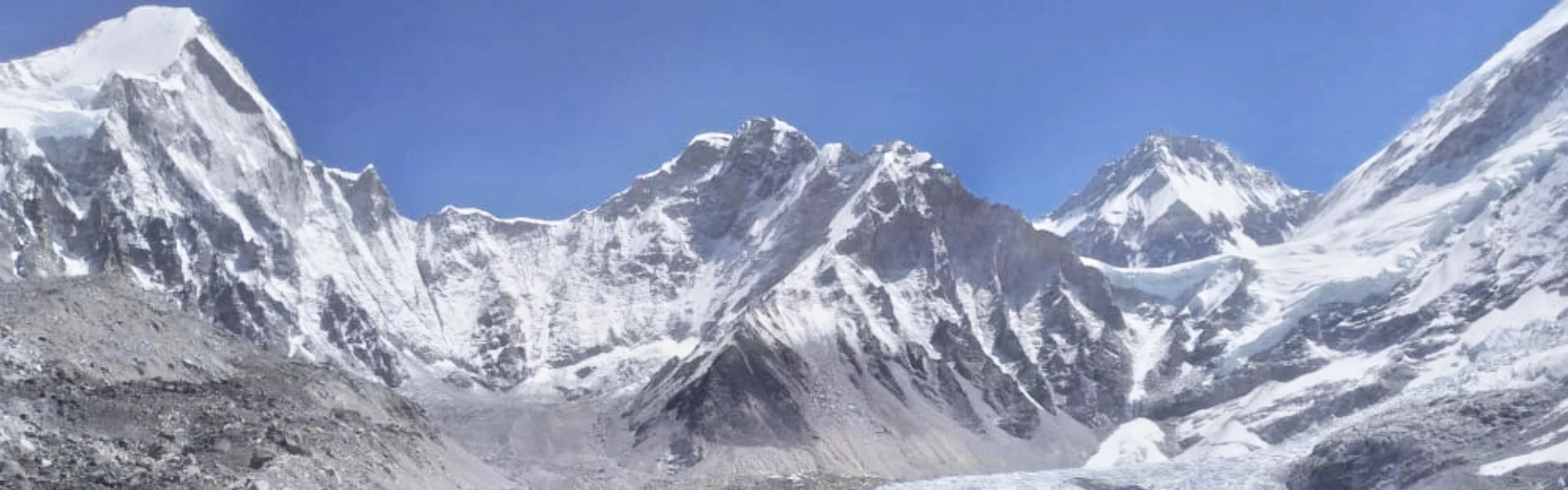
Everest Base Camp is the gateway to the world’s highest peak and a place where the massive scale of the Himalayas becomes breathtakingly real. Perched at an altitude of 5,364 meters (17,598 feet), the Base Camp sits on a rocky glacier at the foot of Mount Everest, surrounded by towering peaks and vast alpine terrain. At this elevation, the air is thin, oxygen levels are significantly lower than at sea level, and every step demands effort, making it a true test of endurance and willpower for trekkers.
The climate at EBC is as extreme as its altitude. Spring, from April to May, is widely regarded as the safest window for trekking, offering relatively stable weather, milder temperatures, and the support of active expedition teams. Outside this season, the camp faces bitter cold, fierce winds, and unpredictable storms, which can make any overnight stay hazardous. Even in spring, nightfall brings temperatures well below freezing, reminding trekkers that this is high-altitude wilderness, where preparation and respect for the environment are essential.

Unlike the other stops along the Everest trekking route, Base Camp has no permanent lodges or guesthouses. Shelter is limited to high-altitude tents set up by professional guides or expedition teams, and medical facilities are extremely sparse. This combination of remoteness and extreme conditions contributes to the thrill and majesty of the Base Camp experience, while also emphasizing the need for proper acclimatization, careful planning, and expert guidance. For many, simply standing on the glacier at the foot of Everest, surrounded by the towering peaks of the Khumbu region, is an unforgettable moment—a memory etched forever against the backdrop of the world’s highest mountain.
Can Trekkers Stay Overnight at Everest Base Camp?
Staying overnight at Everest Base Camp (EBC) is indeed possible, but it comes with certain limitations and requires careful planning. Unlike other stops on the Everest trekking route, Base Camp does not have permanent lodges or guesthouses. As a result, overnight stays are generally limited to those with proper high-altitude tents, warm gear, and the right preparation.
The ideal time for such a stay is during the spring trekking season (April–May). During these months, weather conditions are relatively stable, temperatures are milder, and professional expedition teams are active on the route. Outside this window, the extreme cold, high winds, and limited emergency support make overnight stays at Base Camp highly risky.
There is a clear distinction between climbers and trekkers when it comes to Base Camp:
- Climbers: Spend weeks at EBC as part of their structured acclimatization program. They have professional tents, guides, medical support, and the necessary equipment to handle high-altitude challenges.
- Trekkers: Typically visit Base Camp during the day as part of a standard trek. Overnight stays for trekkers require careful planning, appropriate gear, and preferably a knowledgeable guide familiar with Base Camp conditions.
For most trekkers, the final stop is Gorakshep, the last permanent settlement before Base Camp. Gorakshep offers basic lodges, meals, and shelter, making it a safer and more convenient place to rest. Visiting Base Camp during the day while staying at Gorakshep remains the most popular and enjoyable option for trekkers.
Unique Opportunity of Overnight Base Camp Experience for Trekkers
For those seeking a more immersive experience, our Everest Base Camp Trek with Overnight Stay package allows trekkers to spend a night at Base Camp itself. With this option, experienced guides handle all the necessary arrangements, including tents, sleeping gear, and site preparation, ensuring a safe and comfortable stay even at this remote and high-altitude location.
This unique package is designed for trekkers who are well-prepared and properly acclimatized, allowing them to experience the thrill of staying at the foot of the world’s highest peak rather than returning immediately to Gorakshep. While climbers use Base Camp for acclimatization over several days, trekkers on this package can enjoy a memorable overnight stay without compromising safety.

This experience gives adventurers a rare opportunity to witness the sunrise and sunset over the Khumbu Icefall, enjoy the serenity of the high Himalayas at night, and create memories that go beyond the regular Everest trek itinerary. For most trekkers, this package offers the perfect balance of adventure and safety, letting them explore Base Camp fully while relying on professional guidance.
Main Safety Risks of an Overnight Stay at Everest Base Camp
Staying overnight at Everest base camp comes with various severe safety issues. These risks are mostly associated with high altitude, extreme weather, lack of medical facilities and physical fatigue. Understanding these factors must be essential before considering an overnight stay:
Altitude Sickness and Hypoxia
Low oxygen levels are one of the major risks at Everest Base Camp, which causes the problem of altitude sickness. Common conditions such as Acute Mountain Sickness (AMS), and more serious cases, High Altitude Pulmonary Edema (HAPE) and High Altitude Cerebral Edema (HACE), both of which can be life-threatening.
Sleeping at high altitude is more dangerous than visiting during the day because the body has less oxygen while resting on the mountain. The symptoms that include headache, nausea, dizziness, loss of appetite, confusion and shortness of breath may increase overnight. Sometimes, symptoms can suddenly appear during sleep, making the situation even more serious.
Extreme Weather Conditions
Weather at Everest Base Camp can change rapidly. The temperatures often drop sharply after sunset, even during trekking seasons. Strong winds, heavy snowfall, and sudden storms are common, especially during the night.
Shelter at Base Camp is extremely limited. Besides the professionally set climbing tents, there are no solid structures to protect trekkers against severe cold or wind. Exposure to such conditions when lacking the proper equipment may cause hypothermia or frostbite.
Limited Medical and Emergency Support
Everest Base Camp is far from medical facilities. The site has no permanent clinics or hospitals and emergency medical care facilities are extremely limited. In case a medical emergency occurs at night, immediate help may not be available.
It is also challenging to evacuate during the night. Helicopter rescue is heavily weather-sensitive and cannot be conducted at night or during storms when visibility is usually poor. This delay may increase the risk during medical emergencies.
Physical Exhaustion and Acclimatization Issues
Most trekkers reach Everest Base Camp after several long and demanding days of high-altitude trekking. Physical fatigue combined with thin air can slow recovery and increase pressure on the body.
Overnights are even more dangerous in case of poor acclimatization. Sleeping at such a high altitude can worsen symptoms and delay recovery without enough time for the body to adjust. At altitude, the body just takes more time and more energy to rest and heal.
Is It Safer for Climbers Than Regular Trekkers?
Yes, the overnight at Everest Base Camp is usually safe for well-prepared trekkers compared to the casual day visitors. Properly acclimatized, experienced trekkers with special equipment to spend the night at high altitude are at less risk of dangers as compared to visiting Base Camp without preparation.
The trekkers go through a structured acclimatization schedule, moving up and down the mountain over a few weeks to allow their bodies to adapt gradually to the systems of low oxygen. This process significantly reduces the risks of altitude-related illnesses.
Moreover, trekkers get to enjoy the services of professional support like the experienced guides, Sherpa staff, and medical support. Such teams closely monitor health conditions and respond quickly to any indication of sickness.
They also carry specialised equipment, such as high-altitude tents, insulated sleeping systems, communication equipment, which make an overnight stay at Base Camp safer compared to unprepared visitors
Best Time of Year and Conditions for an Overnight Stay
The safest period for an overnight stay at Everest Base Camp is during the spring trekking season (April-May). During this time, the weather is relatively stable, temperatures are slightly warmer and professional climbing teams are present, which provides better safety backup. The trekkers attempting an overnight stay are highly recommended to visit within this season.
The winter season is extremely dangerous due to freezing temperatures, heavy snowfall and strong winds. Similarly, the monsoon season (June-August) brings poor visibility, unstable conditions, and frequent storms, making emergency evacuation extremely dangerous. Overnight stays during winter or monsoon seasons are therefore highly discouraged
Even in spring, temperatures can drop well below freezing at night and weather conditions can change suddenly. There may be strong winds, snow, or storms that may appear without warning, making any overnight stay dangerous. Trekkers are advised to remember that spring is the only suggested season for staying overnight at Base Camp, proper preparation, equipment and caution are essential for safety.
Safety Tips If You’re Considering an Overnight Stay
- Follow a proper acclimatization schedule with gradual ascent and rest days to allow your body to adjust to high altitude.
- Monitor oxygen levels regularly with a pulse oximeter to detect early signs of altitude sickness.
- Stay well hydrated throughout the trek to prevent dehydration, which can worsen altitude effects.
- Eat nutritious meals to maintain energy and support your body at high elevation.
- Watch for warning signs such as headache, nausea, dizziness, confusion, or unusual shortness of breath.
- Trek with experienced guides who understand high-altitude risks and can respond to emergencies.
- Have a backup plan and decent strategy in case conditions worsen or symptoms appear.
- Avoid rushing or skipping rest days; take it slow and prioritize safety over reaching Base Camp quickly.
Final Conclusion: Is an Overnight Stay at Everest Base Camp Safe?
Spending night at Everest Base Camp is a thrilling adventure that, with proper preparation and guidance, can be both safe and unforgettable. For most trekkers, visiting Base Camp from Gorakshep or trekking to Kala Patthar offers a memorable experience with less risk.
Our Everest Base Camp Overnight Trek package lets you experience the magic of sunrise over Everest and the serenity of the Khumbu Icefall—making your Himalayan journey truly once-in-a-lifetime.
Anjila Bhujel
Drop us a message