Why the Mustang Region of Nepal Is a Unique Himalayan Destination?
Nepal is famous for its mountains. Most people know Everest, Annapurna, or Langtang. But beyond the busy trails and popular viewpoints, there is a place that feels entirely different from the rest of the country. That place is the Mustang Region of Nepal.
Mustang is not green like other Himalayan regions. It is dry, open, and quiet. The land looks more like a desert than a typical mountain area. Villages feel ancient, culture feels deeply Tibetan, and time seems to move slowly. When you travel to Mustang, you don’t just see mountains; you step into another world.
This is why the Mustang Region of Nepal is truly a unique Himalayan destination.
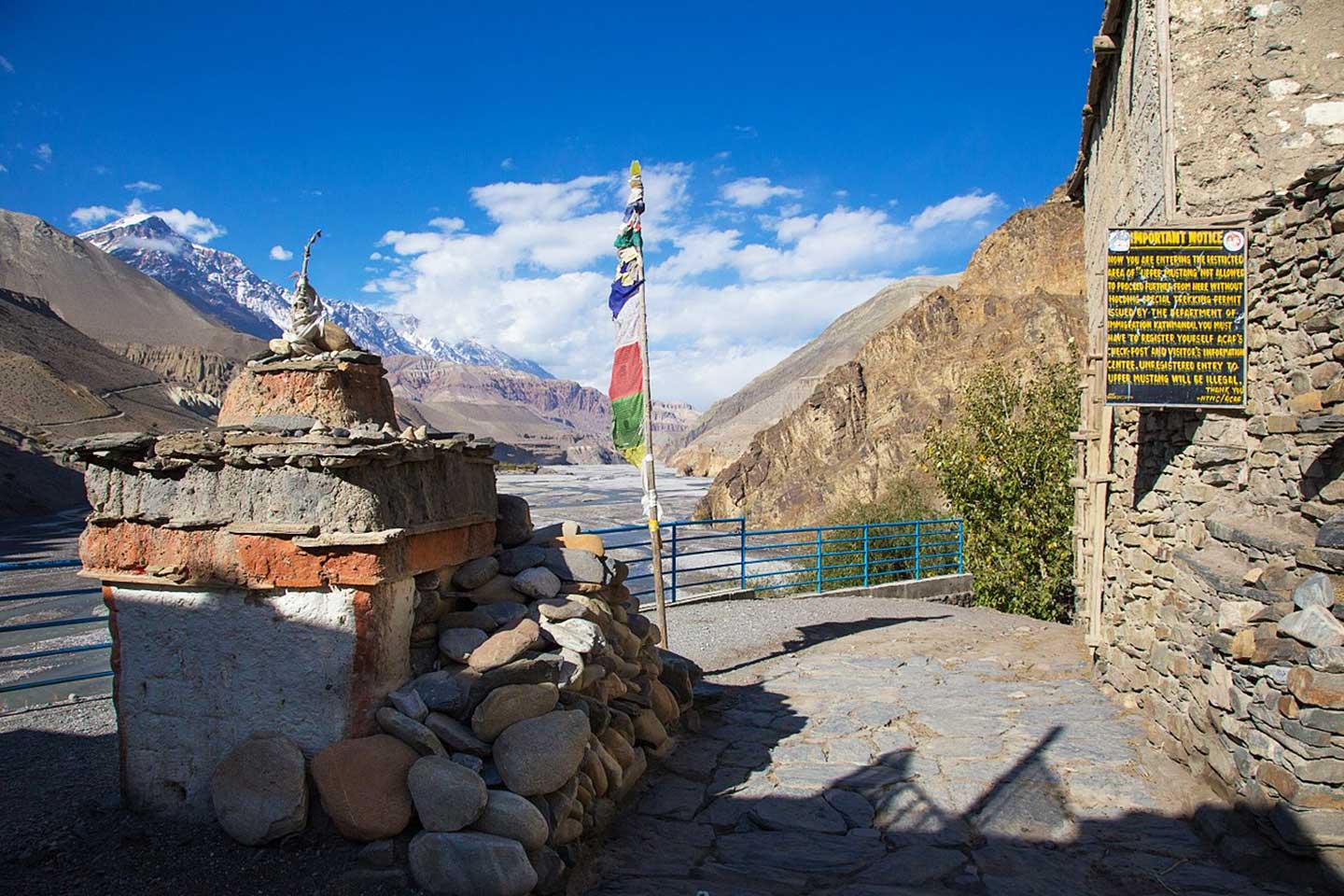
Table of Contents
![Muktinath Pilgrimage Tour]() Best Road Trip in Nepal
Best Road Trip in Nepal![Upper Mustang Trekking]()
![Jomsom Trek - Jomsom Ghorepani Muktinath 9 Days Trek]()


Where the Mustang Region of Nepal Is Located
The Mustang Region of Nepal lies in the far northern part of the country, close to the border with Tibet (China), between the Annapurna and Dhaulagiri mountain ranges. It follows the Kali Gandaki River valley, one of the deepest in the world, which has shaped the region’s wide valleys and dramatic cliffs. Mustang is divided into Lower Mustang, which is easier to reach and offers better facilities, and Upper Mustang, a restricted area that has preserved a strong Tibetan culture, traditional villages, and ancient monasteries.
Because Mustang lies in the rain shadow of the Himalayas, it receives very little rainfall throughout the year. This dry climate has created a high-altitude desert landscape and strongly influenced local life, from farming methods and house design to daily routines and cultural traditions. As a result, Mustang feels very different from the rest of Nepal, offering a special blend of geography, culture, and lifestyle found nowhere else in the Himalayas.
A Himalayan Desert Unlike Anywhere Else in Nepal
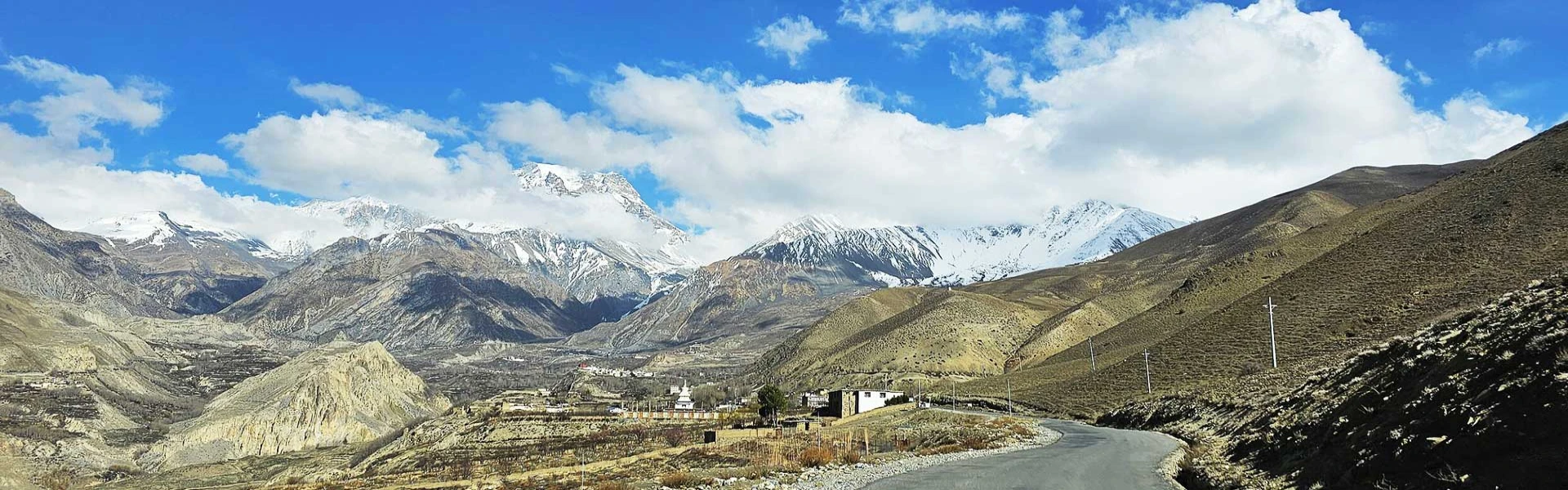
Most people picture Nepal as a country of green hills, dense forests, and snow-covered mountains, but the Mustang Region of Nepal entirely changes that image. Instead of greenery, Mustang feels like a high-altitude desert. The land is dry and open, with wide valleys, brown and reddish hills, and tall cliffs rising sharply from the ground. Over thousands of years, strong winds and natural forces have shaped the area into deep canyons and unusual rock formations that define Mustang its raw and dramatic look.
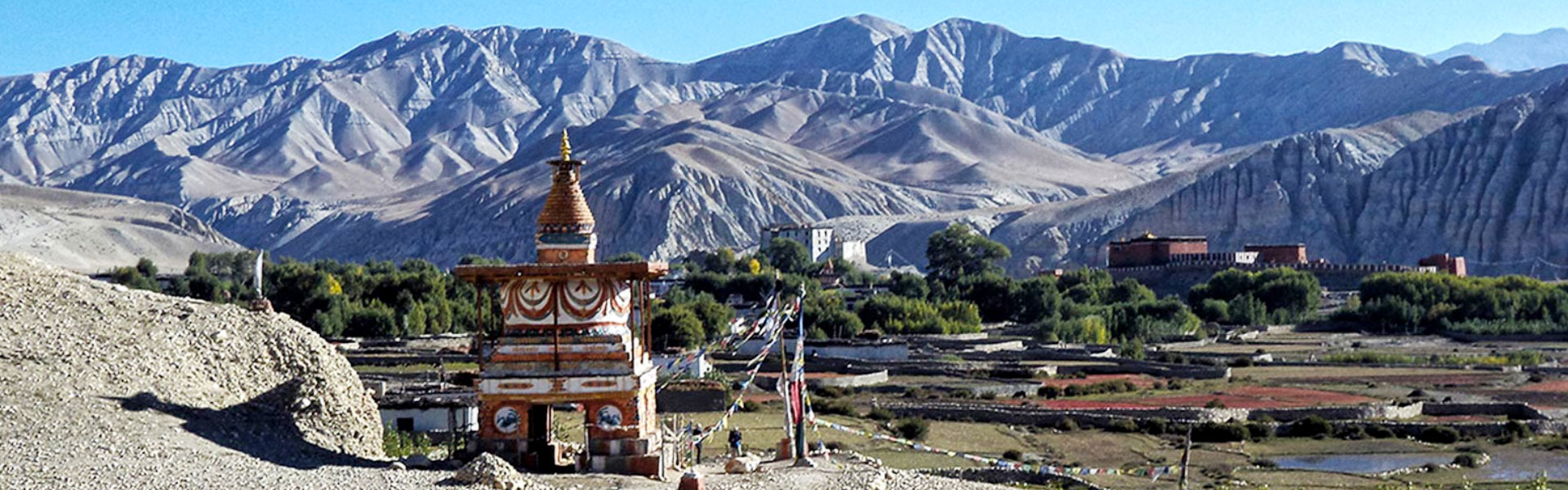
There are no thick forests in Mustang. You walk beneath wide, open skies with clear views stretching far into the distance. The air is dry, fresh, and clean, and the weather changes quickly, warm and sunny during the day, cold and quiet in the evening. This rare desert landscape, set high in the Himalayas, makes Mustang feel completely different from anywhere else in Nepal and is one of the main reasons the region is so special.
Tibetan Culture That Still Feels Alive
One of the things that makes Mustang so special is its strong Tibetan culture. For centuries, Mustang had closer ties to Tibet than to the rest of Nepal. Trade routes carried salt, wool, and grains through this region. Because it is so isolated, Mustang’s culture has stayed mostly unchanged, even as other parts of Nepal have modernized.
In Mustang villages, you’ll notice:
- Whitewashed houses with flat roofs, built to handle the dry, windy weather
- Colorful prayer flags fluttering in every direction, carrying prayers on the wind
- Mani walls with Buddhist prayers carved into them along paths and trails
- Chortens and monasteries at village entrances and sacred spots
- Tibetan Buddhist beliefs influencing everyday life
- Morning prayers and the soft chants of monks in monasteries
- Locals spinning prayer wheels as part of daily life, not for visitors
- Seasonal festivals celebrated by the whole community, following traditional ways
People here still follow Tibetan Buddhist traditions in their daily lives. These practices aren’t for tourists; they are a normal part of life, passed down through generations. When you visit Mustang, culture isn’t something you just see; you experience it alongside the people who live it.
Upper Mustang: The Former Forbidden Kingdom
Upper Mustang is called the “Last Forbidden Kingdom” because foreigners were not allowed to visit until 1992. Even today, you still need a special permit to go there, which helps keep the culture and land safe from too many tourists. The region is close to the Tibetan border, and for that reason, it feels more like Tibet than the rest of Nepal.
Lo Manthang is the main town of Upper Mustang. It is a walled city and was once the capital of the old Kingdom of Lo. Walking through the narrow streets creates a sense of timelessness. People still follow old traditions, speak the same language, and live in a way that hasn’t changed much for hundreds of years.

Key Highlights of Upper Mustang:
- Lo Manthang, an ancient walled city and former royal capital
- Old monasteries with murals painted hundreds of years ago
- Caves carved into cliffs, some more than 2,000 years old
- Royal palaces and traditional mud-brick houses
- Tibetan language used in everyday life
- Strong Tibetan Buddhist customs and rituals
- Fewer tourists because of restricted area permits
- Very little modern influence even though there is road access
- A rare feeling of untouched history and a timeless lifestyle
Lower Mustang: Culture with Comfort
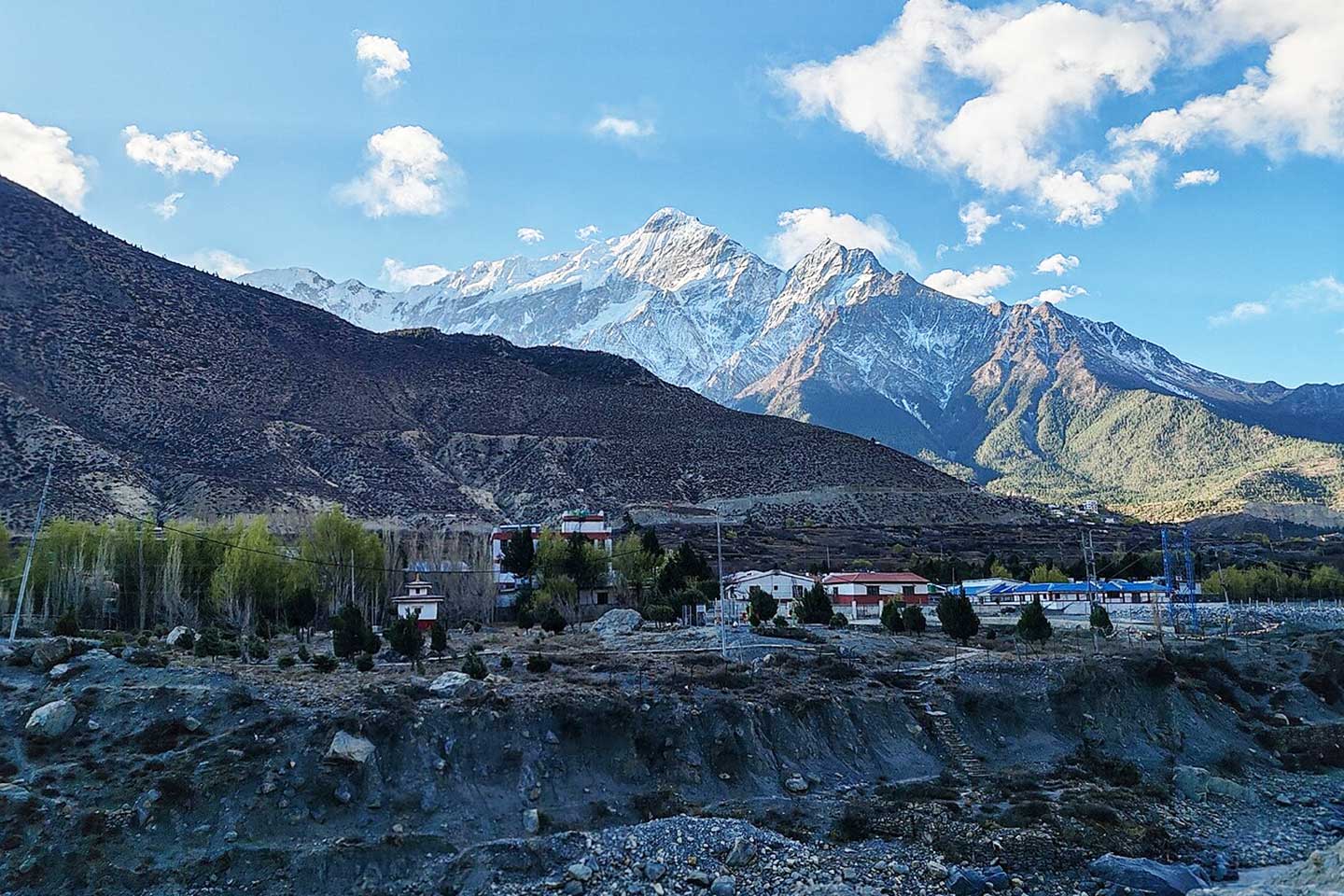
Lower Mustang is an ideal place to start exploring the Mustang region of Nepal. Unlike Upper Mustang, you don’t need any special permits to visit, so traveling here is simple. Popular places like Kagbeni, Marpha, Jomsom, and Muktinath are often visited by travelers.
In Lower Mustang, you can see both old culture and modern comfort. There are lodges and teahouses along the trekking routes where you can rest, and the old stone villages and local farms still show the real life of Mustang. Kagbeni, in particular, acts as a gateway to Upper Mustang, combining spiritual atmosphere with practical access. Lower Mustang is perfect for travelers seeking culture, history, and scenic beauty without extreme trekking.
Key Highlights of Lower Mustang:
- Well-maintained lodges and teahouses for comfortable stays
- Apple orchards are producing local fruits and cider
- Traditional villages with stone houses and historical architecture
- Easy road access from Pokhara and nearby towns
- Spiritual and cultural atmosphere, especially in Kagbeni
- A blend of modern facilities and preserved traditions
- Popular stops like Jomsom and Muktinath for culture and pilgrimage
- Scenic landscapes with open valleys and desert-like terrain
A Different Kind of Trekking Experience
Trekking in the Mustang Region of Nepal feels very different from trekking in other Himalayan areas. Here, the trails are wide and open. Instead of forests, you walk through valleys, deserts, and high plains. Instead of crowds, you find silence and space.
What makes Mustang trekking unique:
- Fewer trekkers compared to Annapurna or Everest
- Gentle trails with long walking days
- Focus on culture, villages, and landscapes
- Constant views without steep climbs
- Walking through history, culture, and raw landscapes
- Experiencing the quiet and untouched environment
- Mustang trekking is not about reaching high passes or base camps. It is about walking through history, culture, and raw landscapes.
Spiritual and Historical Importance of Mustang
Mustang is not just a place for trekking; it is very spiritual. For hundreds of years, monks and meditators lived in caves carved into the cliffs. They used these caves for quiet prayer and reflection. Monasteries were not only for worship but also places where locals learned, got guidance, and joined community events. Mustang was also important for trade. Salt from Tibet was traded for grains and other goods from Nepal. These trade routes connected Mustang to far places and shaped its culture and way of life. Even now, villages show this history with traditional houses, monasteries, and chortens along the paths.

Spiritual life is still strong here. Places like Muktinath are sacred to both Hindus and Buddhists and attract pilgrims from around the world. Unlike busy tourist spots, Mustang feels quiet and peaceful. Spirituality here is part of everyday life, giving a sense of calm and timelessness.
Restricted Area Status and Preservation
Upper Mustang is a special part of Nepal. You need a permit for Mustang. These rules are not just to control visitors; they help keep the culture, history, and nature safe. Because fewer people visit, traditions stay alive, the land stays clean, and villages don’t change too much. Tourism is managed carefully so locals can earn a living without harming their home. Because of this, Mustang still feels real and old-fashioned. There are very few roads or hotels, and villages look much like they did long ago. That’s why Mustang feels like a timeless place in the Himalayas.
Limiting tourism helps to:
- Keep the permit system in place
- Protect old traditions and culture
- Take care of nature and landscapes
- Stop overdevelopment and big modern buildings
- Give locals a steady income
- Keep villages looking and feeling traditional
Best Time to Visit the Mustang Region of Nepal
One of the best things about Mustang is its location in the rain shadow of the Himalayas, which means it gets very little rain all year. This makes it different from other parts of Nepal, especially during the monsoon when most trekking areas are wet and muddy. The dry weather keeps trails simple to walk, skies clear, and the scenery beautiful. You can see Mustang’s desert-like valleys, cliffs, and villages are almost always accessible, making it one of the most reliable places in the Himalayas for trekking and sightseeing.
The best times to visit Mustang are in spring, summer, and autumn, each giving a different experience. Spring (March to May) has mild weather, blooming flowers, and clear skies. Summer (June to August) is actually good because the trails stay dry and there are fewer tourists, even during Nepal’s monsoon. Autumn (September to November) has fresh air, colorful festivals, and amazing views.
Overall, Mustang’s weather makes it possible to enjoy its culture, history, and natural beauty almost any time, even when other parts of Nepal are harder to visit.
Foods, Lifestyles, and Local Hospitality
Life in Mustang is simple and peaceful. People follow old traditions, and the pace is slow. The food is mostly Tibetan-style, with things like tsampa (roasted barley flour), thukpa (noodle soup), Tibetan bread with butter tea, and apples and apple brandy grown locally. The people are really warm and friendly. Teahouses are simple, but the hosts treat you like family. People in Mustang are very friendly. People in Mustang are really friendly. They share their food and stories. Staying here feels like you’re visiting someone’s home, not a hotel. You can see how people live, their everyday routines, and their culture.

Why Mustang is special:
- Simple Tibetan-style food
- Dishes like tsampa, thukpa, Tibetan bread, and butter tea
- Fresh local apples and apple brandy
- Warm and welcoming people
- Villages are slow and quiet
- Evenings are peaceful and perfect for relaxing
- Staying feels like being at home
- You can watch real daily life and traditions
Why the Mustang Region of Nepal Is Truly Unique
This region of Nepal is an exceptional place, unlike anywhere else in the Himalayas. Instead of green hills and forests, Mustang is a high-altitude desert with wide open spaces, steep cliffs, and long valleys that seem to go on forever. The landscapes are dramatic and unlike what most people expect when they think of Nepal.
What makes Mustang even more unique is its culture. Villages, monasteries, and local traditions have stayed mostly the same for generations. Travelers can see history alive here, not just in books or museums. Walking through Mustang feels like stepping back in time, with quiet surroundings, simple ways of life, and a close connection to both nature and the people who live there. Mustang isn’t about luxury or fast adventure. It’s about slowing down, watching, and really understanding the land, its history, and the people who call it home.
Conclusion
The Mustang Region of Nepal is far more than just a trekking destination. It is a place where land, culture, and history converge to create an experience that feels authentic, timeless, and deeply moving. Unlike the crowded trails of popular Himalayan regions, Mustang offers solitude, open landscapes, and a chance to witness centuries-old traditions still alive in daily village life. Every valley, monastery, and walled city tells a story, and every walk along its trails feels like stepping into a world that has remained largely untouched by modern life.
Mustang is not a destination that tries to dazzle with luxury or thrill-seeking adventures. Instead, it leaves a quiet, lasting impression that stays with you long after you leave. For travelers who wish to see a different side of the Himalayas, one shaped by wind, time, and tradition, Mustang offers a journey unlike any other. Its serene deserts, ancient culture, and deep sense of history make it a place that truly lingers in memory and heart.
Anjila Bhujel
Drop us a message