Acclimatization Strategies Without Spare Days During Everest Short Trek
An Everest Short Trekking may be short in days, but it can still be hard on your body. From the moment you land in Lukla, you start gaining altitude quickly, and with every step, the air gets thinner. This sudden change can lead to headaches, tiredness, poor sleep, or loss of appetite, even for people who are fit and active. Many trekkers think that short treks do not need acclimatization, but moving up fast without rest days actually makes it even more important.

Good acclimatization does not always mean adding extra days to your trip. It is more about how you walk and take care of yourself. Walking slowly, drinking enough water, eating well, and listening to your body can make a big difference on the trail. These small habits help your body adjust to the altitude, reduce discomfort, and keep the trek safe and enjoyable. Even on a short trek, respecting altitude helps you truly enjoy the mountains, villages, and walking trails along the way.
Table of Contents
![9 Days Everest base camp trek with Helicopter Return is specially designed for travelers who want to enjoy full experience of trekking journey to base camp of World Tallest Mountain, Mt. Everest. It is Also known as Everest fly out trek.]() Best Seller
Best Seller![Everest base camp trek 14 days itinerary]() Traveler's Choice
Traveler's Choice![Everest Base Camp Short Trek]() Shortest Everest Base Camp Trek
Shortest Everest Base Camp Trek


Understanding Altitude and Its Effects
On Everest Short Trek, altitude becomes one of the biggest challenges. The air gradually loses oxygen as you trek higher into the mountains. Although you cannot notice it immediately, your body feels the change. Your heart has to work more intensively, your breathing becomes faster, and even such simple tasks as trekking uphill can feel fatiguing. This is a natural response, but if the body does not adapt well, issues may begin. For this reason, one of the most crucial acclimatisation tips for a safe and enjoyable Everest Short Trek is understanding about altitude and altitude sickness.

How altitude affects the body:
- Less oxygen in the air makes breathing harder
- Heart rate increases to supply oxygen to the body
- Breathing becomes faster and deeper
- Energy levels drop, causing early fatigue
- Appetite often decreases at higher altitudes
- Headaches may appear as the body struggles to adjust
- Sleep can become light or disturbed
- Muscles feel weaker during climbs and uphill walks.
Common symptoms of Acute Mountain Sickness (AMS):
- Ongoing headache that does not improve with rest
- Dizziness or feeling lightheaded
- Nausea or vomiting
- Difficulty sleeping
- Unusual tiredness or weakness
- Shortness of breath even while resting
- Trouble concentrating or feeling confused
These symptoms should never be neglected, especially on a fast-moving itinerary. With this knowledge on the impact of altitude on your body and clear acclimatization rules, you can easily maintain good health, be confident, and fully enjoy your Everest Short Trek experience.
Start Smart: Flight and Trek Strategies
A smart start is very important on 7 days Everest Trek, especially when there are no spare days for rest. The journey begins with the flight to Lukla, which already takes you high into the mountains in a short time. This saves days of walking from lower areas and helps reduce early physical fatigue. However, it also means your body reaches high altitude quickly, so how you manage the first few days of trekking really matters. Starting slowly and planning carefully can make a big difference to how you feel for the rest of the trek.

Smart flight and trekking strategies:
- Use the Lukla flight wisely: Flying to Lukla reduces long, tiring walks from lower altitudes. After landing, take the first trekking day easy and do not rush.
- Alternative flight via Ramechhap: If Kathmandu-Lukla flights are delayed or crowded, you can also fly from Ramechhap to Lukla. This route is shorter in distance and often less affected by weather delays, making it a good alternative for trekkers on tight schedules.
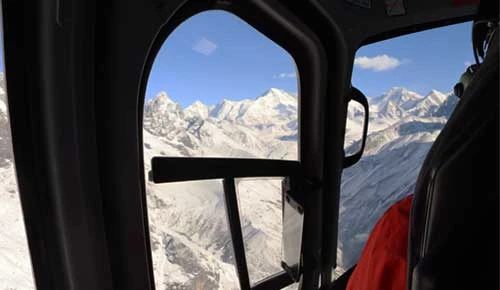
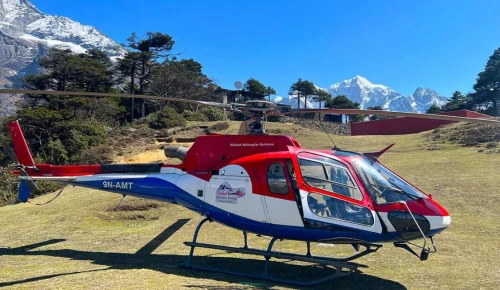
- Consider helicopter options if time is very limited: For very short treks, a helicopter transfer to Lukla can also reduce the chance of delay and cancellation during the start of the journey. Also a helicopter transfer from Gorakshep to Kathamndu can reduce walking time and physical stress, especially on the return journey.
- Keep early trekking days short and relaxed: Shorter walking hours in the first days help your body begin adjusting to altitude without added pressure.
- Walk slowly, even if you feel strong: Feeling good on day one does not mean your body is fully adapted. A steady pace helps prevent later problems.
- Enjoy the surroundings while acclimatizing: Take time to appreciate the villages, prayer flags, and sunrise over snow-capped peaks. A relaxed mindset helps your body adjust and makes the trek more enjoyable.
By planning flights carefully and keeping the first trekking days gentle, you give your body the best chance to adjust. These simple choices help make an Everest Short Trek safer, more comfortable, and more enjoyable from the very beginning.
Daily Trek Adjustments for Rapid Acclimatization
On an Everest Short Trek, your body needs time to adjust, even if the journey is fast. You may not have extra days, but small daily habits can help you stay safe and feel stronger as you gain altitude.
Daily acclimatization tips for a short trek:
- Climb high, sleep low: Walk to a higher point during the day, such as a ridge or viewpoint, then return to a lower place to sleep. This helps your body adjust to thinner air without overloading it. Even a 30–60 minute uphill walk works well.
- Start mornings slow and easy: After a cold night at high altitude, your body takes time to wake up. A gentle morning pace allows your breathing and heart rate to settle naturally, reducing headaches, nausea, and early fatigue.
- Keep a steady pace in the afternoon: Once warmed up, maintain a relaxed and steady pace. Walking steadily helps your body use oxygen efficiently, while rushing can cause exhaustion or worsen altitude effects.
- Rest when your body asks for it: Pay attention to signs like dizziness, headache, unusual tiredness, or loss of appetite. Pausing, drinking water, and breathing slowly prevent small problems from turning serious.
- Hydrate frequently and consistently: Drink water regularly, even if you don’t feel thirsty. Proper hydration improves oxygen flow and reduces fatigue at high altitude.
- Stretch and relax your muscles: Gentle stretching or a short rest after walking helps blood circulation, reduces stiffness, and supports better sleep.
- Adjust your effort to the day’s conditions: Weather, trail steepness, or your own energy level may vary daily. Adapt your pace and walking time according to how your body feels rather than sticking strictly to a schedule.
Following these 7–8 practical steps ensures that even a tight-schedule trek is safer, more comfortable, and enjoyable. Smart daily adjustments allow your body to acclimatize efficiently, letting you focus on the incredible mountains, village life, and stunning trails along your Everest Short Trek.
Nutrition and Hydration Strategies
Good food and enough water are very important on this trek. At high altitude, your body uses more energy, so what you eat and drink affects how you feel each day. Eating simple, high-carb meals and drinking water often can help reduce tiredness and altitude problems.
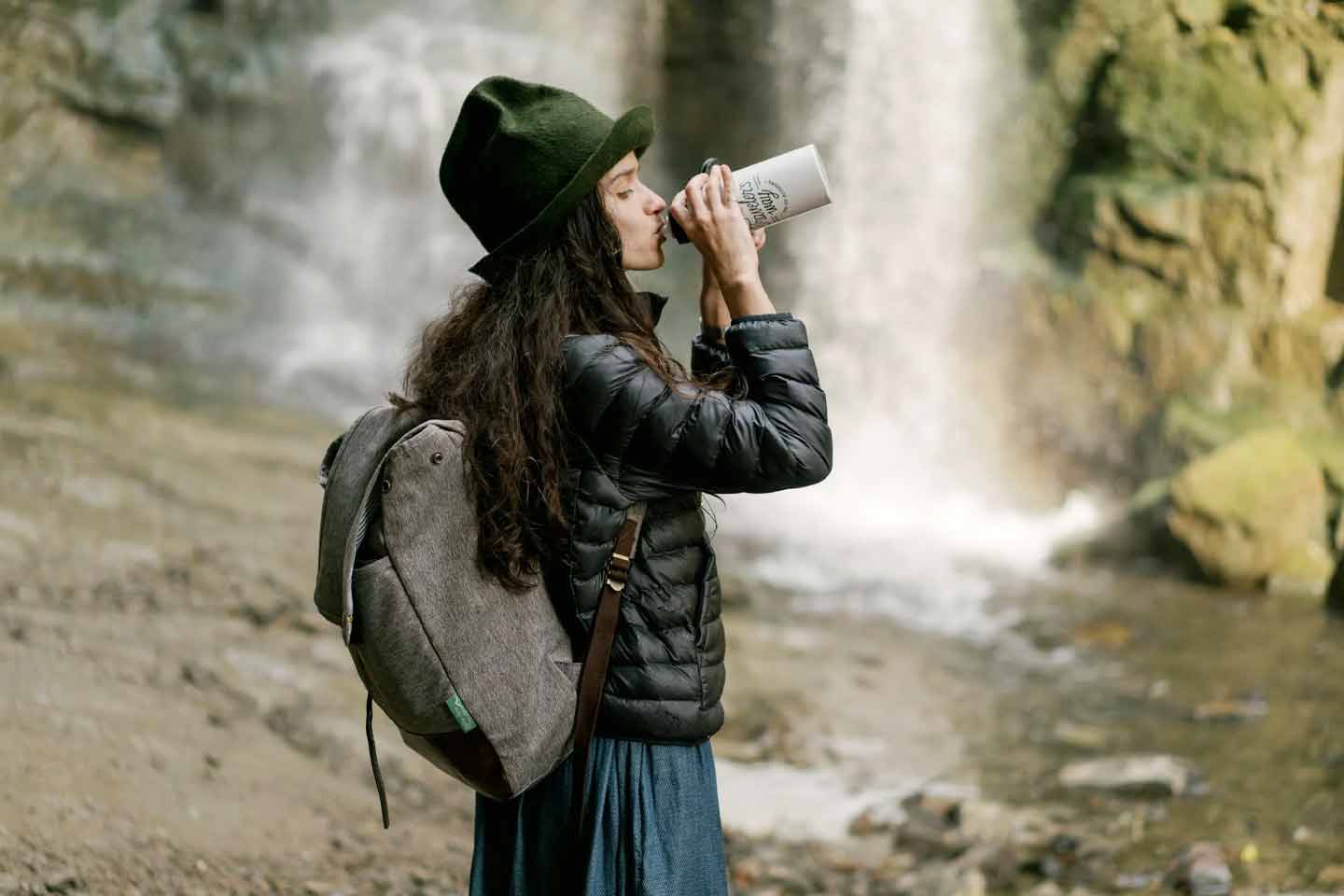
Key points for high-altitude nutrition:
- Prioritize long-lasting energy sources, which should be high-carbohydrate foods such as rice, noodles, porridge, and potatoes.
- Stay well-hydrated by drinking water frequently, even before you feel thirsty.
- Use electrolyte drinks or rehydration salts to replace lost minerals and prevent cramping.
- Eat light and digestible meals instead of heavy or greasy foods to reduce stress on the stomach.
- Include protein in every meal, whether it is eggs, cheese, lentils, or meat to help muscle recovery.
- Snack strategically with nuts, chocolate, energy bars, or dried fruits to maintain consistent energy.
- Adjust food portions based on appetite at altitude; don’t force heavy meals if you’re not hungry.
- Avoid excess caffeine or alcohol, as both can dehydrate you and make your body harder to acclimatize.
With proper nutrition and hydration, help your body adapt better, keep your energy levels stable, and make your Everest Short Trek safer and more enjoyable.
Gear and Sleeping Tips for Better Acclimatization
During the Short Trek to EBC, your body works harder at high altitude. If you are not comfortable or well-rested, cold temperatures, thin air, and long working days can cause a slowing down of the acclimatization process. Using the right gear and following proper sleeping habits help your body recover every night and adapt better to the elevation, even when the trek is short.
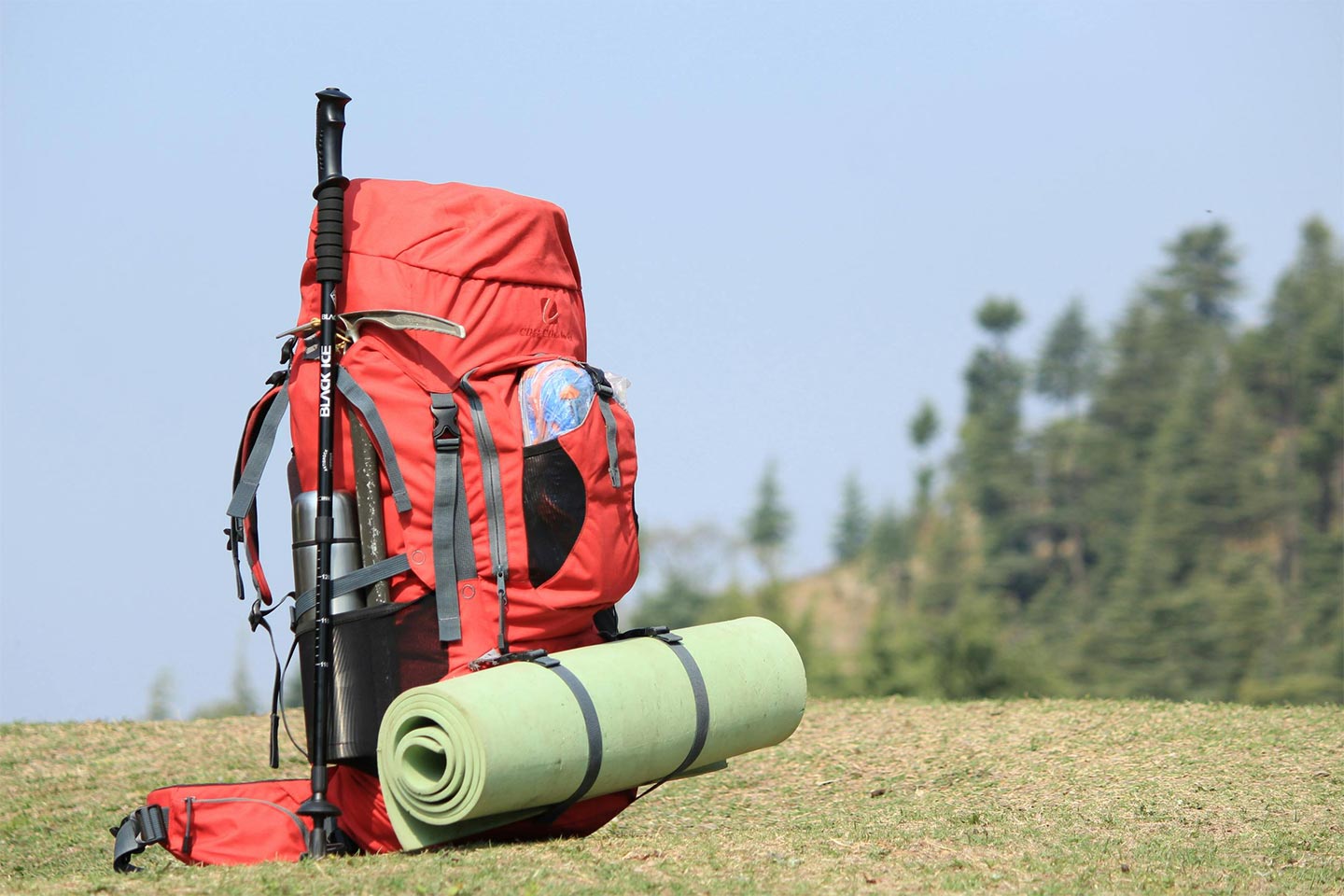
Key points for gear and sleeping tips:
- Wear layers to stay warm and adjust to changing temperatures.
- Use a good sleeping bag and insulated mat to retain body heat and support recovery.
- Keep your sleeping area dry by changing wet clothes and airing out damp items.
- Raise your head slightly while sleeping to make breathing easier in thin air.
- Use a hot water bottle or warm packs to stay cozy on cold nights.
- Pack a compact pillow or neck support to prevent stiffness and improve sleep.
- Consider portable oxygen if you feel unusually tired or short of breath at high altitude.
- Good gear and proper sleep allow your body to recover each day, adapt to altitude, and enjoy the Everest Short Trek safely and comfortably, even on a tight schedule.
Emergency & Contingency Planning
Even on a short and fast Everest Trek, emergencies can happen at any time. The mountains are unpredictable, and high altitude can affect even experienced trekkers. Proper planning is not just about preparing for the worst—it is about staying safe, confident, and able to enjoy the trek. Knowing what to do if something goes wrong is as important as walking the trail itself.
Key points for emergency and contingency planning:
- Know the signs of severe altitude sickness, such as persistent headache, dizziness, nausea, confusion, or shortness of breath.
- Have evacuation options ready, like helicopters from Gorakshep, Dingboche, or other high villages.
- Trek with guides trained in high-altitude emergencies who can spot problems early and provide first aid.
- Carry a basic first aid kit with medicines, bandages, and rehydration salts for minor issues.
- Know communication methods, including satellite phones, radios, or your guide’s emergency contacts.
- Have a clear group plan for what to do if someone feels unwell, including who stays and who seeks help.
- Listen to your body and don’t take risks; resting or descending when needed can prevent serious problems.
Proper emergency acclimatization planning means you are ready for anything the mountains throw at you. Being aware, prepared, and guided helps you enjoy your trek safely, even on a fast itinerary. With these steps, you can reduce risks, handle problems confidently, and make your Everest Short Trek a safe and memorable adventure.
Conclusion – Maximize Your Short Trek Safely
An Everest Short Trek can be an incredible experience, even with limited days, as long as you plan carefully and take care of your body. The mountains are breathtaking, but altitude and rapid schedules can be challenging. By following smart strategies like pacing yourself, using the “climb high, sleep low” principle, staying hydrated, eating the right foods, and using proper gear, you can enjoy every moment safely. Listening to your body and taking rest when needed is just as important as reaching each destination. Small steps, thoughtful planning, and daily adjustments make a huge difference in how your body adapts and how much you enjoy the trek.
With the right preparation and guidance, even a short trek to the Everest region can be safe, rewarding, and unforgettable. Trekking with experienced guides, having emergency plans, and knowing how to adjust to high altitude ensures you stay strong and healthy throughout the journey. Your adventure does not have to wait—book your Everest Short Trek, follow these simple strategies, and experience the Himalayas safely. Each step brings you closer to the stunning views, the local culture, and the sense of achievement that only the mountains can give.
Anjila Bhujel
Drop us a message