Altitude Sickness and Helicopter Evacuations Service in Nepal
Trekking in the Himalayas is one of the most rewarding adventures in the world. The mountains, like Everest, Annapurna, Langtang, and Manaslu, attract thousands of travelers every year. Yet, with high altitude comes enormous responsibility. The greater the altitude, the lower the oxygen level becomes. These sudden changes may lead to altitude sickness, which can affect even the fittest trekkers.

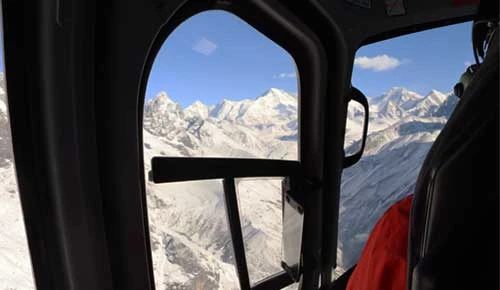
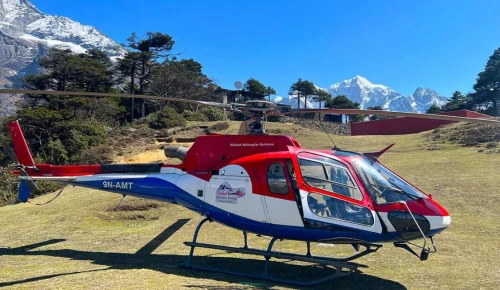
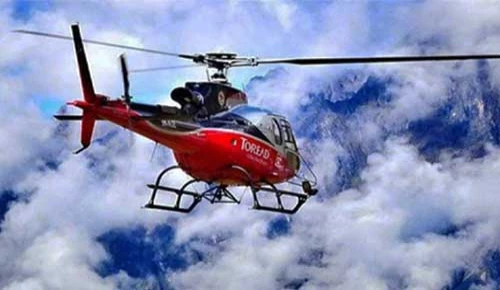
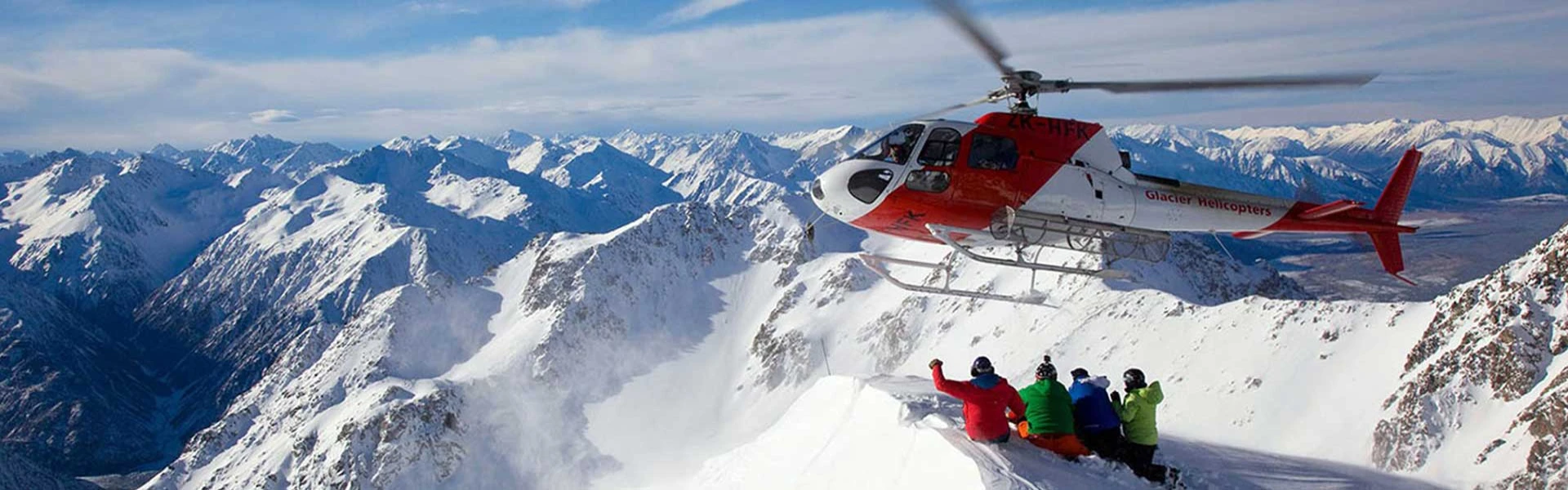
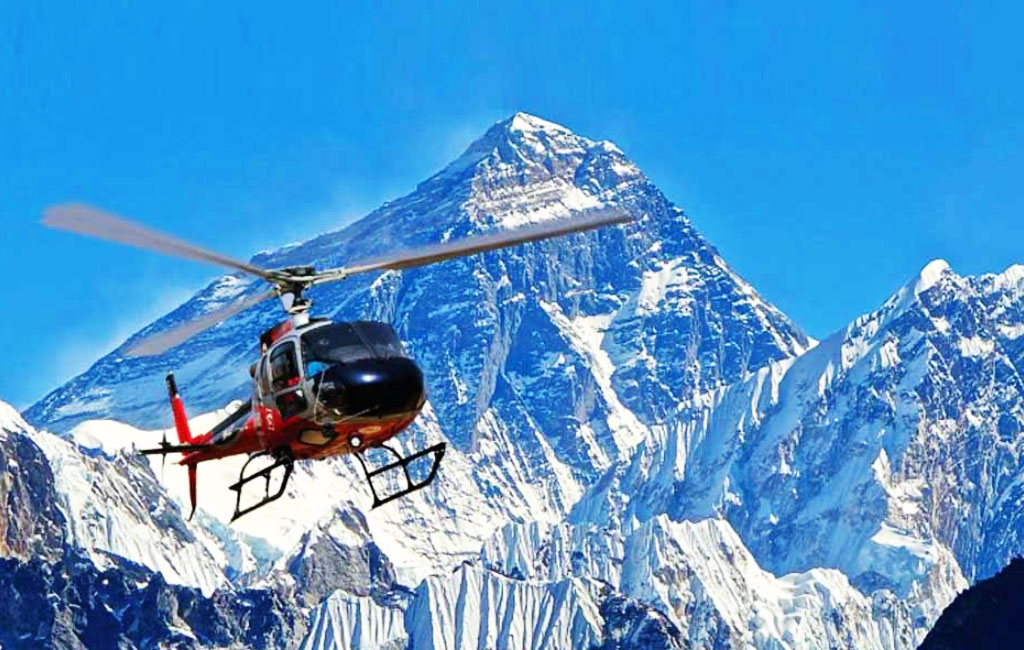
Helicopter evacuation is the fastest and most effective method for saving a life when symptoms of altitude sickness get serious. Helicopters can descend hundreds of meters in just minutes and transport trekkers to safety. Every person traveling to high-altitude regions must understand how altitude sickness works, how helicopter rescues operate, and how to avoid emergencies.
This guide covers the whole topic of altitude sickness and helicopter evacuations; it is written in simple language and organized in the most logical way.
Table of Contents
![Langtang Valley Trek | Langtang Trek]() Best Seller
Best Seller![Everest base camp trek 14 days itinerary]() Traveler's Choice
Traveler's Choice![Annapurna Base Camp Trek from Kathmandu]()


Understanding the Risks of High-Altitude Travel
Many people underestimate how quickly altitude sickness can occur. Some feel symptoms at 3,000 meters, while others at 4,000 meters and a few only at 5,000 meters. The main point is that all people respond to altitude in different ways, and nobody can even guess how their bodies will react.
The pressure of air at high altitudes drops, which means your body receives less oxygen with each breath. When you ascend too quickly, your body doesn’t have sufficient time to adjust. This condition is when altitude sickness begins.
Trekkers are especially vulnerable to altitude sickness when they ascend quickly or when their itinerary doesn’t include acclimatization days. Helicopter tours, although safe, also expose passengers to rapid changes in altitude. Understanding the risks helps prepare you for a safe and enjoyable experience.
What Really Happens in Your Body at High Altitude?
When you climb above 2,500m, your body starts to work harder to take oxygen. The heart beats faster, breathing becomes deeper, and energy levels drop. Symptoms of acute mountain sickness occur in case the body cannot adapt fast enough.

Oxygen levels drop to almost 50% of what they are at sea level at higher altitudes, such as Everest Base Camp (5,364 m) or Kala Patthar (5,545 m). This is why many people experience headaches, fatigue or breathlessness during activities at high altitudes.
The main danger is neglecting the early symptoms. What begins as a small headache can quickly develop into a life-threatening emergency if not treated properly.
Symptoms of Altitude Sickness You Must Know
Altitude sickness has three categories, ranging from mild to life-threatening. Knowing the difference helps trekkers recognize when they need to stop, descend, or request helicopter evacuation.
Acute Mountain Sickness (AMS, 2500 m+)
The most common and mild form of altitude sickness is Acute Mountain Sickness. It normally occurs at moderate to high altitudes when the body struggles to adjust to lower oxygen levels. Most of them are manageable with rest, hydration, and proper acclimatization, but ignoring the symptoms can lead to serious conditions.
Symptoms:
- Headache
- Nausea or vomiting
- Dizziness
- Fatigue or weakness
- Difficulty sleeping
- Shortness of breath during activity
High-Altitude Pulmonary Edema (HAPE, 3200 m+)
High-AltitudePulmonaryEdema is a serious and potentially life-threatening condition that arises when fluid accumulates in the lungs due to a lack of oxygen. HAPE may develop quickly and severely affect breathing, making immediate descent or medical intervention critical.
Symptoms:
- Shortness of breath even at rest
- Persistent cough, sometimes with frothy sputum
- Chest tightness
- Extreme fatigue
- Pale or bluish lips and nails
- Difficulty walking
High-Altitude Cerebral Edema (HACE, 4300 m+)
The most serious type of altitude sickness is known as high-altitude cerebral edema, which is the swelling of the brain due to low oxygen. HACE can develop quickly and is fatal if untreated. They should receive immediate evacuation and medical care to avoid long-term harm or death.
Symptoms:
- Severe headache unrelieved by painkillers
- Confusion or disorientation
- Loss of coordination and unstable walking
- Nausea and vomiting
- Hallucinations or unusual behavior
- Unconsciousness
Never ignore symptoms. Altitude sickness does not cure itself with time but only improves with proper rest or descending to a lower altitude.
Why Helicopter Evacuations Are Essential in the Himalayas
Nepal and other mountain regions have extremely remote high-altitude trekking routes. You can reach certain villages by foot in 1 or 2 days. In case a trekker becomes seriously sick, trekking down becomes impossible. The quickest and safest option for evacuation is by helicopter.
A helicopter rescue is necessary when:
- The trekker is unable to walk
- Symptoms of HAPE or HACE appear
- The trekker becomes unconscious
- Breathing becomes extremely difficult
- Weather conditions or geography make descent slow or dangerous
The majority of helicopter evacuations in Nepal involve the trekker from high-altitude places like Gorakshep, Dingboche, Pheriche, Annapurna Base Camp, or Langtang Valley to lower towns, such as Lukla, Namche, or Kathmandu, to receive medical treatment.
The Red Flags: When a Trekker Must Stop and Not Push Forward
Recognizing the danger signs of altitude sickness early is the difference between a safe trek and a medical emergency. Many trekkers ignore mild discomfort thinking it will “go away,” but symptoms at high altitude can escalate quickly within hours. When the body shows signs that it’s not adjusting, the safest choice is to stop ascending immediately—and in many cases, descend 300 to 500 meters for recovery. Pushing forward despite symptoms not only risks your health but can also lead to life-threatening conditions like HAPE or HACE. Understanding the red flags ensures trekkers know exactly when to call it a day, listen to their guide, and prioritize safety over reaching a destination.

Red Flags Trekkers Must Never Ignore
- Persistent headache that does not improve even after rest, hydration, and medication
- Nausea or vomiting that continues for more than a few hours
- Difficulty breathing, especially when resting or walking slowly
- Dizziness, loss of balance, or inability to walk in a straight line
- Sudden extreme fatigue or weakness, even after a mild stretch of trail
- Confusion, unusual behavior, or difficulty forming clear sentences
- Loss of appetite accompanied by discomfort, bloating, or trouble sleeping
- Increasing heart rate and rapid breathing that does not settle with rest
- Blue lips or fingertips, indicating lack of oxygen (very serious warning sign)
- A tight feeling in the chest or persistent cough, especially if producing frothy sputum
Emergency Protocols on the Trail – What Happens Before a Helicopter Is Called
High-altitude rescues don’t begin with the helicopter’s rotor blades — they begin on the trail, the moment a trekker shows unusual symptoms. Here's how the process unfolds, step by step, in a completely new and easy-to-understand format.
PHASE 1: The Moment Something Feels “Off”
➤Trekkerreportsdiscomfort
It usually starts with a simple sentence like:
“I’m feeling heavy-headed and short of breath.”
Guides immediately switch into monitoring mode.
Whatguidescheckinstantly:
- Walking stability
- Breathing difficulty
- Level of alertness
- Skin color (pale/blue lips indicate low oxygen)
This first 5-minute observation helps assess if it’s just fatigue — or the beginning of AMS, HAPE, or HACE.
PHASE 2: Rapid Medical Screening by the Guide
Guides trained in high-altitude first-aid conduct quick assessments:
Toolstheyuse:
- Pulse oximeter to check SpO₂
- Thermometer
- Symptom scoring chart (used in the Himalayas for AMS grading)
Keyvaluestheylookfor:
- SpO₂ below 70–75% at high altitudes = red flag
- Worsening headache + fatigue = risk zone
- Loss of coordination = emergency
This stage determines whether the trekker simply needs rest — or immediate intervention.
PHASE 3: On-the-Spot Stabilization
Before calling any helicopter, guides attempt mountain-side treatment:
Immediateactions:
- Ask the trekker to stop walking
- Give warm water, ORS, or garlic soup
- Check hydration levels
- Monitor breathing rhythm
Emergencytoolsusedwhensymptomsescalate:
- Supplementary oxygen cylinders
- Gamow bag (a pressurized bag that mimics descending 1,500–2,000m)
- Diamox (only if symptoms align and trekker consents)
This phase often stabilizes mild AMS within 30–60 minutes.
PHASE 4: Controlled Descent — The Golden Rule
If symptoms don’t improve, the priority becomes descending quickly, not flying.
Whydescentworks:
Every 300–500m drop reduces altitude stress dramatically. Many trekkers avoid evacuation after descending just one camp lower.
Guidedecisionshere:
- Can the patient walk?
- Do they need shoulder support?
- Should porters assist?
- Do we use a horse/yak if available?
A helicopter is NOT the first choice — descent is.
PHASE 5: Communication Chain Triggered
When the guide decides a rescue might be needed, the situation becomes official.
Whogetscontacted:
- Trekking agency office ( NTA)
- Helicopter rescue coordinator
- Medical posts nearby
- Insurance provider (through the agency)
Informationsent:
- Patient’s name, nationality, passport
- Location and altitude
- Symptoms + oxygen reading
- Condition progression
- Weather at the site
- Available landing area
This is when preparation for a helicopter rescue actually begins.
PHASE 6: Insurance Verification – The Mandatory Step
Helicopters don’t take off until insurance is confirmed.

Insuranceteamchecks:
- Does the policy cover >4,000m altitude?
- Is helicopter evacuation included?
- Are pre-existing conditions declared?
- Is the passport scan available?
Many delays happen here if trekkers forgot to carry proper insurance details.
PHASE 7: Weather & Landing Site Approval
Even if the situation is critical, the Himalayan weather decides whether a helicopter can fly.
Pilotsevaluate:
- Visibility distance
- Wind turbulence
- Snow/cloud density
- Terrain obstacles
- Safe landing zones\
Sometimes trekkers must descend 15–30 minutes to a safer open area for extraction.
PHASE 8: Final Green Light — Helicopter Dispatch
A helicopter is sent only when all the following boxes are ticked:
- Medical condition = emergency
- Weather = safe for flying
- Landing site = confirmed
- Insurance = approved
- Pilot agrees to risk assessment
- Agency submits rescue request
Only then does the rescue team lift off.
PHASE 9: Trekker Preparation Before Helicopter Arrives
While waiting (usually 20–60 minutes if nearby), the guide ensures:
- The patient stays warm (wind chills worsen symptoms fast)
- Oxygen support continues
- Bags are packed compactly
- A safe clearing is kept ready for landing
- Trekkers nearby move away from the landing zone.
The guide stays with the patient until they are safely onboard.
SUMMARY BOX: What Trekkers Must Understand
- Helicopter rescues aren’t instant
- Many steps happen behind the scenes
- Guides are trained to treat before evacuating
- Insurance plays a critical role
- Weather can override even the biggest emergencies
- Descent is often safer and faster than a helicopter
How a Helicopter Rescue Works in the Mountains
Understanding how a helicopter rescue works in the mountains will help trekkers to remain calm during an emergency. It begins with the trained guide or trek leader recognizing serious symptoms of altitude sickness , which may include AMS, HAPE, and HACE. After they confirm the situation, they contact helicopter rescue companies, who coordinate with the local pilots and find the nearest safe landing zone. Depending on altitude, terrain, and weather conditions, the helicopter may land on a helipad, an open field, or any clear and stable surface available. Once they arrive, the rescue team offers the much-needed medical support, including oxygen, basic first aid, and life support onboard.
The patient is then flown to low altitude or straightaway to Kathmandu or Pokhara hospitals for proper treatment. The rescue pilots of Nepal are highly experienced and extremely skilled, and they apply their experience and knowledge of mountain weather to accomplish a safe and effective evacuation.
How to Prevent Altitude Sickness Before It Becomes Dangerous
It is always beneficial to prevent rather than to evacuate. Follow these steps to stay safe:
Ascend gradually
Gaining altitude slowly is the most effective way to prevent sickness. Follow the guideline of not ascending more than 300-500 meters per day once above 3000 meters. This gives your body sufficient time to adapt to decreasing oxygen levels.

Take regular acclimatization days
The rest days are essential when trekking at high altitude. One additional night at certain elevations allows your body to adjust and reduces the risks of AMS, HAPE, and HACE. These acclimatization days are also used to restore energy and improve performance.
Stay well-hydrated
Drink plenty of water throughout the day, as dehydration worsens altitude symptoms. Aim for 3-4 liters of fluid per day and avoid alcohol, caffeine and smoking, as they dry the body and decrease the rate of acclimation.

Eat warm and nutritious meals
Trekking at high altitudes needs additional energy. Warm, nutritious food, especially that high in carbohydrates, will ensure your body copes with a lack of oxygen as well as provide you with the stamina required to remain strong and trek through long days.
Maintain a slow and steady walking pace
One of the fastest ways to get altitude sickness is by rushing through the mountains. Move slowly, make short steps, and keep your breathing steady, especially when you are climbing steep or trekking on rocky trails.
Listen carefully to your body
In case you get a headache, dizziness, nausea, or strange fatigue, stop immediately. These are the first signs of altitude sickness, and ignoring them can quickly turn a minor issue into a medical emergency.

Use preventive medication when necessary
Medicines like Diamox can help reduce symptoms and enhance breathing at high altitude. Only use them after consulting a doctor, and remember that medicine is a support, not a replacement for acclimatization.
Avoid heavy physical exertion
Expert physical exercise at high altitudes increases the demand for oxygen and stresses the body. Move slowly, control every movement, especially during the first few days of the trek.
Dress warmly and protect yourself from cold
Cold weather makes the body weak and worsens the altitude sickness. Wear multilayered clothes, keep your hands and feet warm, and protect yourself from windy conditions to maintain your normal body temperature.

Get enough rest and proper sleep
Quality sleep helps your body recover and adjust to altitude changes. Early bedtimes, staying warm at night, and ensuring full rest before beginning the next day of the trek are critical.
Never ignore symptoms; act early
It’s necessary to stop ascending immediately whenever persistent symptoms or intensification can be noted. Descend to a lower altitude or seek help from your guide to avoid the risk of developing HAPE or HACE, which require urgent evacuation.
What to Do When You Feel Sick During the Trek or Tour
- Stop trekking immediately and rest if you feel dizzy, nauseous, or abnormally worn out.
- Inform your guide right away so they can assess the situation and take appropriate action.
- Drink water or warm fluids and keep yourself warm to help your body cope.
- Alcohol, caffeine, or smoking should be avoided because these can aggravate the symptoms.
- Rest and breathe slowly, taking deep, calm breaths to reduce discomfort.
- Take medication only if advised by your guide or doctor, such as Diamox or pain relievers.
- Do not climb higher; stay at the same altitude or descend gradually.
- Descend to a lower altitude if symptoms worsen; even 300–500 meters can help.
- Prepare for helicopter evacuation if breathing becomes difficult, confusion appears, or walking is challenging.
The Role of Travel Insurance in Helicopter Evacuation
Helicopter evacuation can cost between USD 1,000 to USD 5,000 depending on the route and altitude. This is why proper travel insurance is essential before trekking.
Your insurance must include:
- High-altitude coverage (up to 6,000 meters or more)
- Emergency medical evacuation
- Search and rescue
- Adventure or trekking coverage
Always check the policy details before purchasing.
Final Thoughts
Altitude sickness is unpredictable, but with proper awareness and preparation, you can reduce the risks. Helicopter evacuation is a lifesaving option available in the Himalayas, but it should always be the last resort.
Take your time, acclimatize, listen to your body, and choose a reliable trekking company. The mountains are beautiful, but safety should always come first. With proper planning, your mountaintop adventure can be one of the most memorable experiences of your life.
If you have any questions or need guidance regarding high-altitude trekking, altitude sickness, or helicopter evacuations, feel free to Contact us. Our team is dedicated to providing support and advice to help you plan safe and unforgettable mountain adventures, ensuring you are prepared for every step of your journey.
Anjila Bhujel
Drop us a message