Essential Things to Know Before Visiting the Mustang Region of Nepal
Nepal is a paradise for adventure lovers, offering countless opportunities for trekking in Nepal. From the towering peaks of the Everest region to the scenic trails of the Annapurna region, every trek brings a different kind of experience. Among these, the Mustang region stands out for its barren landscapes, deep canyons, ancient monasteries, and Tibetan-influenced culture. This region is well suited for travelers who want a mix of natural beauty, cultural heritage, and off-the-beaten-path adventure. With proper preparation and guidance from us, the journey can be safe, smooth, and truly unforgettable.
This blog offers a complete overview of the important things to know before visiting the Mustang region of Nepal. It covers climate and culture, permits, accommodation, packing tips, and responsible tourism to help travellers plan with confidence. Following these suggestions lets you really enjoy the region’s striking landscapes, rich traditions, and the special moments that make Mustang one of Nepal’s most remarkable trekking destinations.
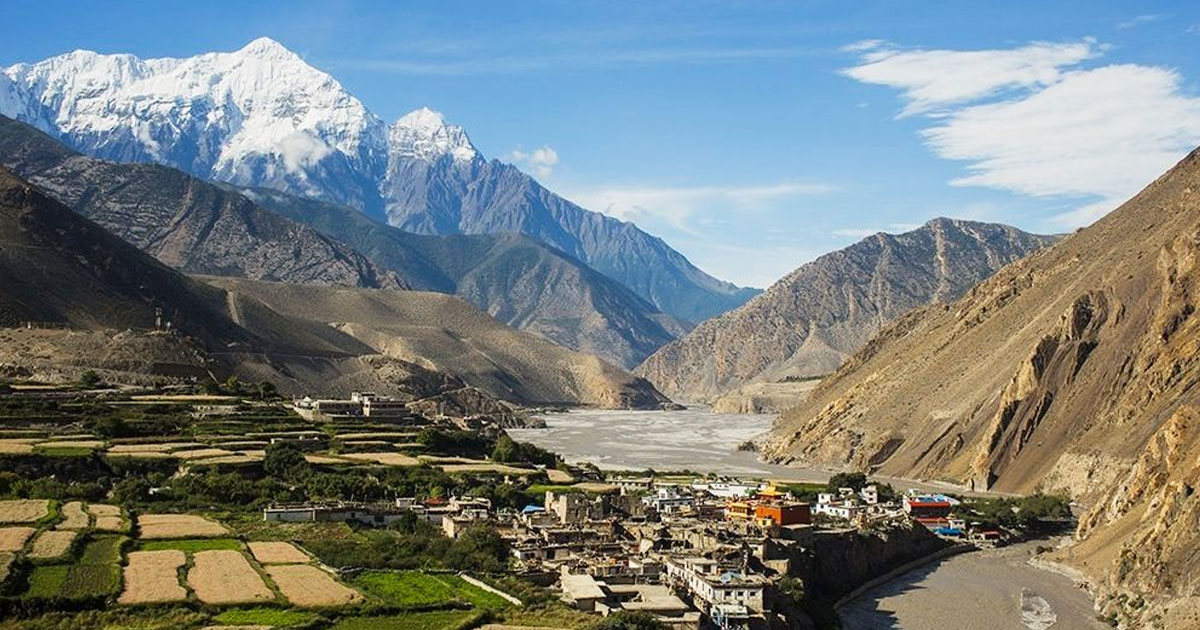
Table of Contents


Geography and Climate of Mustang Region in Nepal
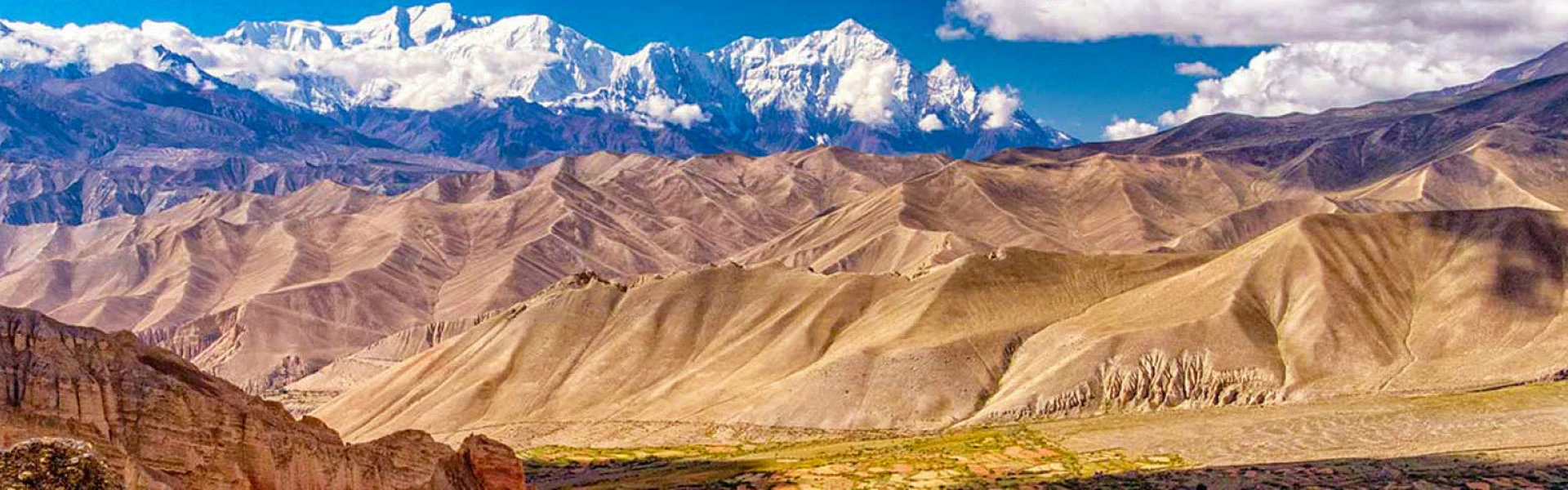
This region is located in north-central Nepal, near the Tibetan border. Unlike the lush green valleys you see in other parts of the country, this area is mostly dry and arid. You will see dramatic cliffs, red rock formations, and wide open plateaus. The region is split into Upper and Lower Mustang, with being more remote and culturally well preserved. Trekking here feels like stepping into a place untouched by time, which is probably why so many adventure lovers have it on their bucket list.
The climate in Mustang is semi-arid, so it gets very little rainfall. The best time to go is in spring(March to May) or autumn (September to November), when the weather is pleasant and the skies are clear. Winters can get really cold, and heavy snow can block the high passes. Summer brings some rain, but it is still much drier than other regions of Nepal.

Most travelers enter Mustang through Jomsom. It is a small town and the main gateway to the region. With both airport and road access, it is a convenient starting point for treks and short trips.
Altitude is another important thing to keep in mind. Places like Lo Manthang and other higher areas are above 3,800 meters (12,500 feet). Even experienced trekkers can feel altitude effects here. Proper acclimatization is really important. Drinking plenty of water and keeping a slow, steady pace while trekkinginMustangNepal, can help lower the risk of altitude sickness.
Cultural Etiquette and Local Customs in Mustang Region
One of the most special parts of this region is its culture, which is strongly influenced by Tibetan Buddhism. The people here have followed the same traditions, language, and lifestyle for hundreds of years, and that is what makes the place feel timeless.
While visiting Mustang, it is important to respect local customs and religious sites. Many villages have monasteries, stupas, and prayer wheels. Always take off your shoes before entering religious places, and do not touch sacred items unless you are allowed to. It is also better to ask before taking photos, as some people do not like being photographed. Wearing modest clothes that cover your shoulders and knees is appreciated, especially in villages and near monasteries.
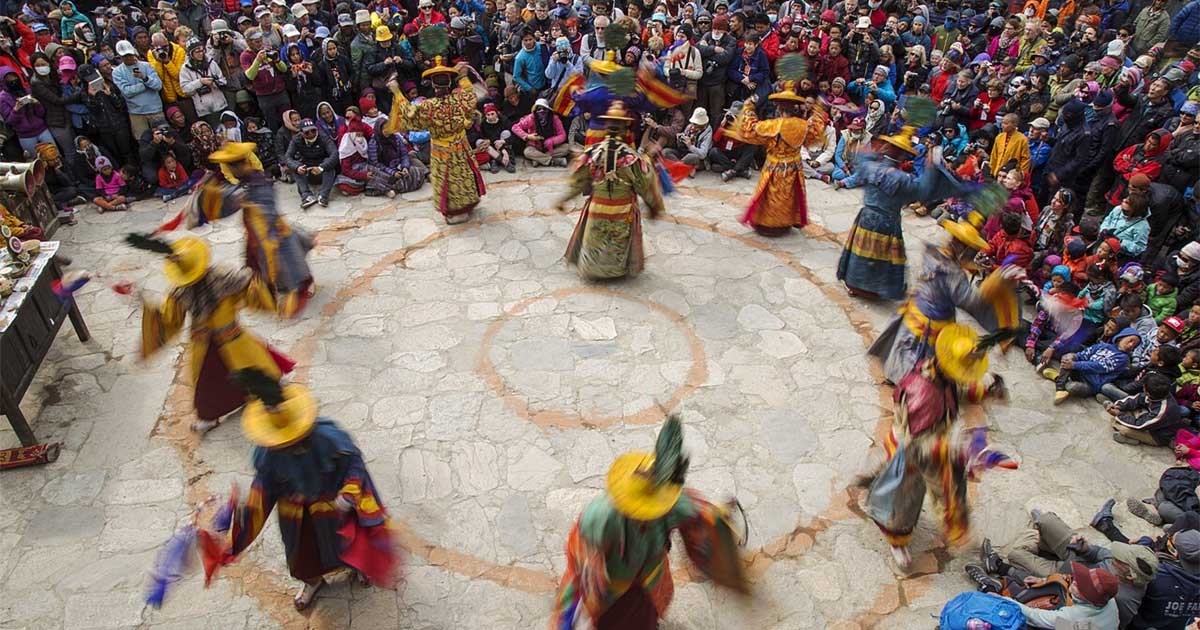
If possible, try to plan your trip around local festivals. The Tiji Festival in Lo Manthang is one of the most important celebrations in the region. During the festival, locals perform traditional dances and rituals that show the victory of good over evil. Seeing a festival in Mustang, Nepal, gives you a rare chance to experience a culture that has stayed mostly unchanged for centuries.
Learning a few basic Nepali or Tibetan words can also help you connect with local people and show respect for their way of life.
Permits and Regulations for Mustang Region
The Mustang region of Nepal is a restricted area, so you need proper permits to go to some places. These rules are there to protect the culture and fragile environment, and following them makes your trek easier and safer.
For Lower Mustang, like Jomsom and the nearby villages, a TIMS card (Trekkers' Information Management System) is all you need. You don’t need a restricted area permit for these areas, but the TIMS card is required for all trekkers.
If you want to go to Upper Mustang, including Lo Manthang and the villages around it, you need a restricted area permit. These are more expensive and can only be arranged through authorised trekking agencies. Foreign visitors also need a TIMS card, which is usually processed together with the Mustang permit.
It’s best to get your permits well in advance because it can take a few weeks to process them. Many trekking agencies in Kathmandu or Pokhara can handle the paperwork for you. Always carry copies of your permits while trekking, since officials may ask to see them along the trail. Following these rules will make your Mustang trek smooth, safe, and worry-free so you can enjoy the trip without problems.
Health and Safety Considerations while Travelling to Mustang Region
Travelling in high-altitude areas means you need to be ready for some health and safety challenges. Altitude sickness is pretty common above 3,000 meters, and it can affect anyone. You might get a headache or feel nauseous, dizzy, or short of breath. To avoid this, take it slow, rest when you need to, and drink plenty of water. It’s also smart to skip alcohol and heavy meals for the first few days of your Mustangtrek. Just pay attention to your body and notice how you’re feeling.
Carrying a basic first aid kit is very important. Include medicines for common problems like headaches, stomach issues, colds, or small injuries. Some recommended vaccinations are hepatitis A, typhoid, and tetanus. Travel insurance that covers high-altitude trekking and emergency evacuation is also strongly suggested.
Always listen to your body. If you feel unwell at high altitude, the safest thing is to go down to a lower place. Doing these simple health and safety things will make trekking Mustang, Nepal, safer and more enjoyable. Being prepared lets you enjoy the amazing views, the local culture, and everything else the region has to offer without unnecessary problems.
Accommodation and Local Services in Mustang Region of Nepal
In Mustang, you’ll mostly find small teahouses and cozy lodges. Up in the higher villages, things are simple but comfortable enough to rest after a long day of trekking. Rooms usually have beds, blankets, and shared bathrooms. Limited hot water or strong internet everywhere, but that’s part of the charm. Staying in local lodges is a great way to meet the people here and get a real feel for Mustang’s culture.
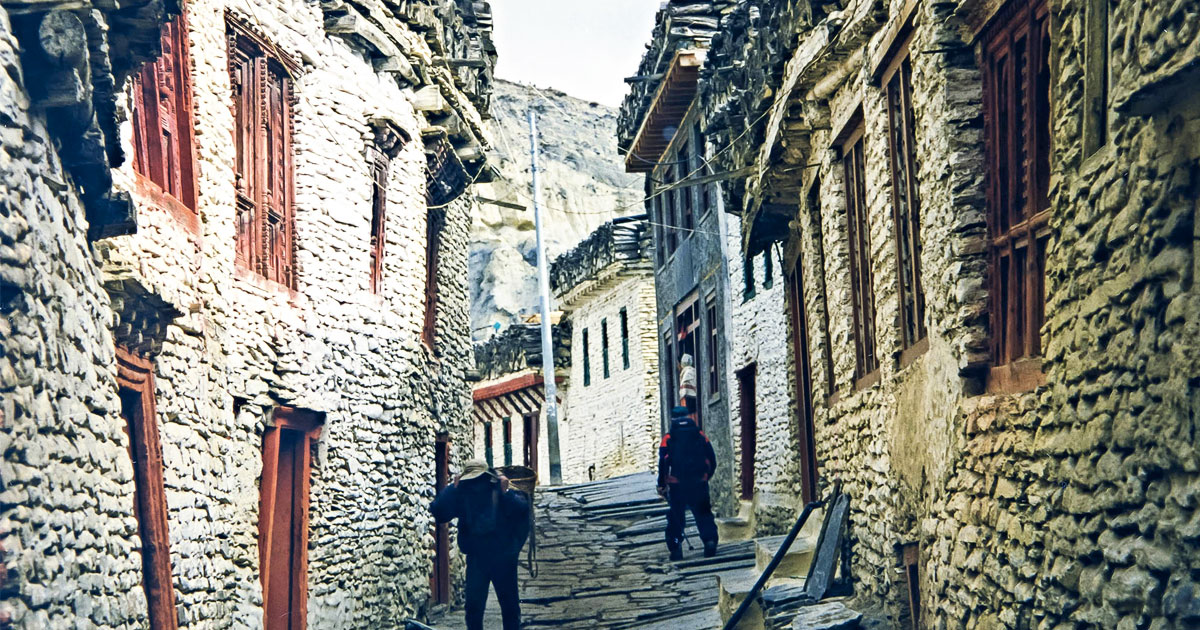
The food is mostly safe and hearty. Dal bhat, noodles, and soups are common, and you’ll often get extra servings if you ask. If you have special dietary needs, it’s smart to carry a few snacks. Mobile signals come and go in the mountains, and the internet is limited, so keep that in mind if you need to stay connected.
During busy trekking seasons or festivals, it’s better to book ahead. Also, bring enough cash in Nepali rupees, since ATMs are scarce outside the bigger towns. With these little tips, you’ll have a smooth and enjoyable stay in Mustang.
Packing and Gear Essentials for Mustang Region Travel
Packing smart is really important for a Mustang trek. The trails can be tough, the nights get very cold, and the days can be surprisingly sunny, so you’ll want clothes and gear that can handle all of that. Layering is the easiest way to deal with temperature swings, and a good pair of trekking shoes will save your feet from a lot of pain on rocky paths. Sunglasses and sunscreen are a must; you don’t want to get roasted by the high-altitude sun. Trekking poles help on the steep parts, a headlamp is handy for early mornings, and a sleeping bag will keep you cozy in the higher villages.
Key Packing Essentials:
- Layered clothing for day and night temperature changes
- Warm jacket, hat, and gloves for cold conditions
- Trekking shoes with good grip and comfort
- Sunglasses and sunscreen for high-altitude protection
- Trekking poles for stability on trails
- Headlamp or flashlight for early starts and low-light conditions
- Reusable water bottle to stay hydrated
- Sleeping bag for higher-altitude stays
- Important documents: permits, passport, and ID
Responsible Tourism Tips
Responsible tourism is really important when visiting the Mustang region in Nepal. This place is beautiful but fragile, and its culture is something truly special. Even small things you do can make a real difference. Cutting down on plastic, supporting local communities, and being mindful of your surroundings helps keep both the environment and traditions alive for the next travellers. In remote spots like Upper Mustang, this matters even more, the land and culture here are delicate, and every little action counts.
Key Responsible Tourism Tips:
- Bring your own reusable bottles, bags, and containers. It’s a small thing, but it makes a big difference in villages and along trekking trails.
- Refill your water bottle whenever you can at teahouses. Every plastic bottle you avoid adds up.
- Always put your trash in bins and don’t leave it on the trails or near rivers and forests. Nature here is precious and doesn’t recover easily.
- Stick to marked trekking paths. Wandering off might seem harmless, but it can damage soil and plants that have been growing for years.
- Show respect at religious and cultural sites: take off your shoes, don’t touch sacred objects, and always ask before snapping a photo of someone. It goes a long way.
- Support locals whenever possible. Buy their handicrafts, hire local guides, or use village-run services. Your contribution matters.
- Try the local food. Not only is it delicious, but choosing locally produced meals also lowers your impact on the environment.
- Watch wildlife quietly and from a distance. Don’t feed animals or disturb their homes; they belong here, not us.
Conclusion
Visiting the Mustang region in Nepal is a special experience, but good preparation makes the journey safer and more enjoyable. Knowing the weather, the land, and the local way of life, along with having the right permits and taking care of your health, makes the trip much easier. Packing the right things, respecting local customs, and traveling responsibly help you enjoy the journey without problems.
Whether you are trekking through Upper areas or visiting small villages along the way, these simple tips can make your trip smoother and more enjoyable. The wide landscapes, old traditions, and quiet surroundings make this region one of the most special places to visit in Nepal.
Anjila Bhujel
Drop us a message